


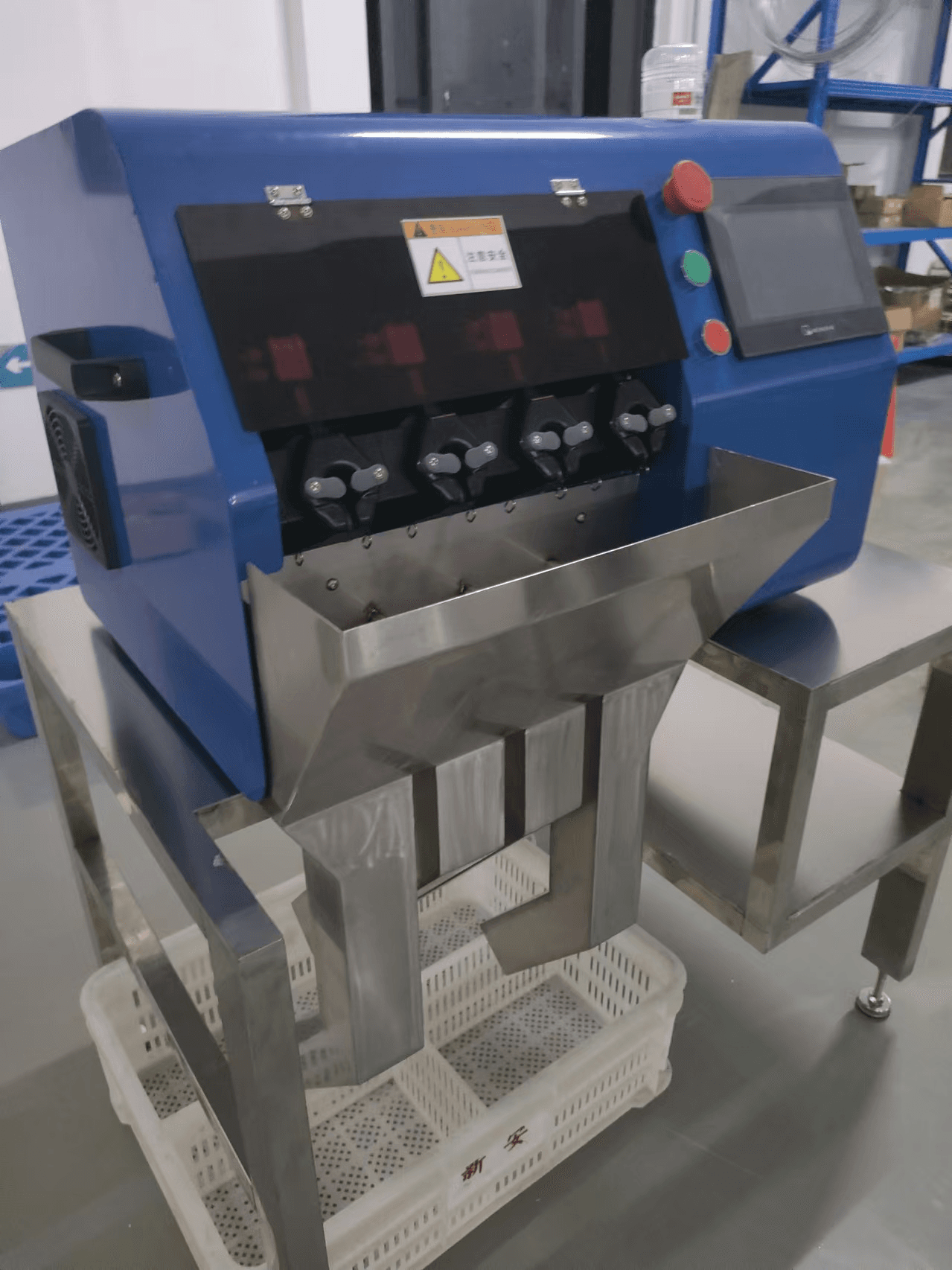
Buyers often compare automatic chick debeaking equipment by looking at a machine photograph, a feature list, and a headline output figure. The harder question is what the equipment asks from the hatchery during an entire shift. Startup, chick presentation, operator attention, short stops, cleaning, and downstream flow determine whether the machine becomes a stable production station or another isolated task.
The clearest way to evaluate it is to follow the work from the first setup check to final sanitation release.
Before the First Chick Arrives
The useful shift begins before production. The operator needs an agreed setup, a clean and released workstation, the correct processing parameters, available consumables, and a clear view of machine status. Production also needs to know which batch is coming, when it will arrive, and what happens after treatment.
This is where buyers should look past the word “automatic.” Automation can control a repeatable machine sequence, but it does not remove the need for an approved operating procedure, trained presentation, batch identification, startup checks, and responsibility for releasing the process.
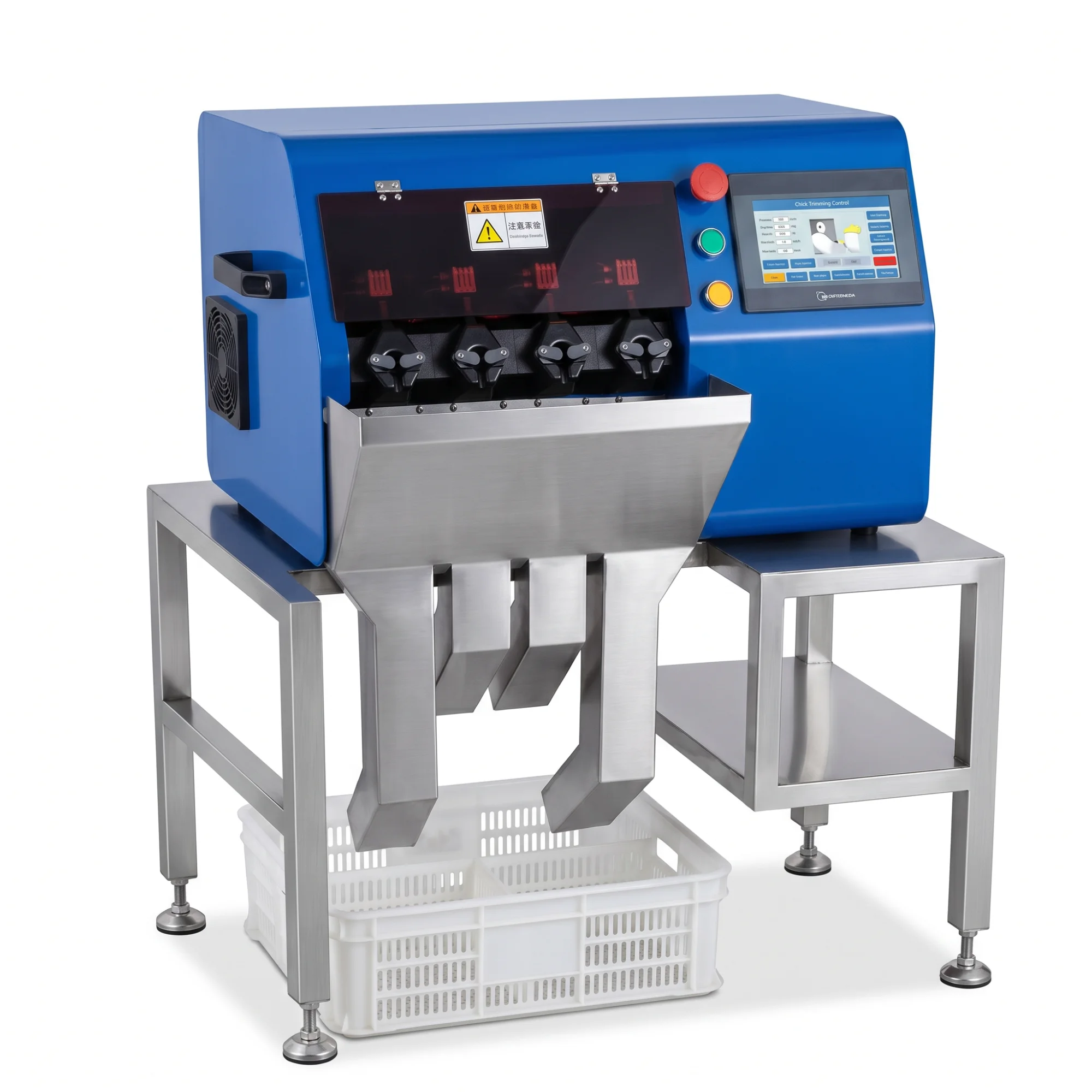
Jili Intelligent publishes a day-old chick infrared beak trimming machine with PLC control, touchscreen operation, adjustable processing parameters, and a stainless-steel contact structure. The final project still needs to state which configuration, settings, accessories, documents, and checks are included.
The First Hour Reveals the Presentation Problem
During a demonstration, chicks may arrive at a smooth, convenient rhythm. A hatchery shift is less tidy. Batch arrivals can rise and fall, containers may be presented differently, and operator changeovers may alter the flow.
Watch the point where the operator receives and presents each chick. Is the posture sustainable? Can the next chick be prepared without confusion? Is the machine status visible without turning away from the work? Does a small interruption create a growing queue behind the station?
A stable treatment sequence depends on a stable human and material interface. If chicks arrive faster than the approved presentation process can handle, a larger headline capacity does not solve the real constraint. It moves waiting closer to the machine.
Mid-Shift: Replenishment Should Not Become a Surprise Stop
Every station has routine interruptions. Supplies are replenished, batches change, an operator asks for support, or the downstream area becomes temporarily unavailable. These events should be included in the equipment discussion, not treated as unusual exceptions.
Ask the supplier to show how the station stops, indicates its condition, protects the agreed process state, and restarts. The hatchery should define how affected chicks are identified and routed. Maintenance should know which interventions are operator tasks and which require technical support.
When evaluating automatic chick debeaking equipment, ask for a demonstration that includes at least one planned pause and one downstream-not-ready condition. A continuous showroom run cannot show the recovery work that operators will perform every day.
The Station Must Fit the Next Job
Beak treatment rarely exists alone in a modern day-old chick room. Chicks may move to vaccination, counting, box loading, conveying, stacking, or another approved step. The treatment station therefore needs a clear handoff.
For a standalone machine, define the container and operator route before and after treatment. For an integrated project, define ready signals, accumulation, stop logic, and which supplier owns the interfaces. Jili also publishes a combined infrared beak trimming and vaccination machine and broader complete hatchery automation solutions. Those options are relevant only when they match the hatchery's approved process and measured flow.
At Shift End, Cleaning Becomes Part of Capacity
Production capacity is not only what happens while the machine is running. The operating window also includes preparation, changeovers, routine checks, and sanitation. If access is awkward or the cleaning boundary is unclear, the day ends later than the capacity calculation suggested.
Sanitation staff should review contact areas, access, removable parts, drainage around the workstation, and the path used to remove cleaned items. The supplier can explain machine materials and access; the hatchery remains responsible for its approved chemicals, contact times, verification, and release procedure.
Include cleaning and reassembly in factory or site acceptance when these tasks affect the shift. A buyer should know not just that the machine can be cleaned, but how the agreed routine fits the available time and staffing.
The Shift Record Is More Valuable Than a Brochure
After the first production runs, a simple shift record can show whether the project is working. Record batch start and finish, planned pauses, unplanned stops, restart time, operator observations, cleaning duration, and the location of any queue.
These records help the hatchery distinguish a machine issue from uneven arrivals, missing supplies, operator training, or blocked downstream flow. They also create a more useful conversation with the equipment supplier than a general statement that output was “too low.”
Where Jili Intelligent Fits
Jili Intelligent focuses on day-old chick infrared beak treatment and connected hatchery automation. Its public range includes standalone treatment, combined treatment and vaccination, chick transfer, conveying, stacking, and complete line solutions.
That range supports both a single-station project and a wider workflow review. The proposal should still state the application boundary, configuration, operator assumptions, upstream and downstream interfaces, acceptance tests, documents, service, and exclusions.
Frequently Asked Questions
Does automatic equipment remove the need for skilled operators?
No. It can make the machine sequence more repeatable, but approved presentation, setup, observation, cleaning, batch control, and stop recovery still require trained people.
What should a hatchery test before accepting the machine?
Test startup, representative chick presentation, normal running, a planned pause, a blocked downstream condition, restart, batch change, cleaning access, controls, alarms, and the agreed documentation.
Should beak treatment be purchased as a standalone station or part of a line?
That depends on the current bottleneck and future process. A standalone station may be appropriate when surrounding flow is stable. Integration matters when transfer, vaccination, loading, or stacking causes repeated waiting and handling.
Buy the Whole Shift, Not the Demonstration
The right automatic chick debeaking equipment should remain understandable and manageable from startup through cleaning, not only during a smooth production video. Evaluate the operator's work, batch rhythm, stop recovery, handoff, sanitation, and records before approving the configuration.
Send Jili Intelligent your bird application, batch pattern, operating window, room layout, current handoffs, utilities, cleaning routine, and destination through the contact page. Ask for a proposal and acceptance plan built around one complete shift.