


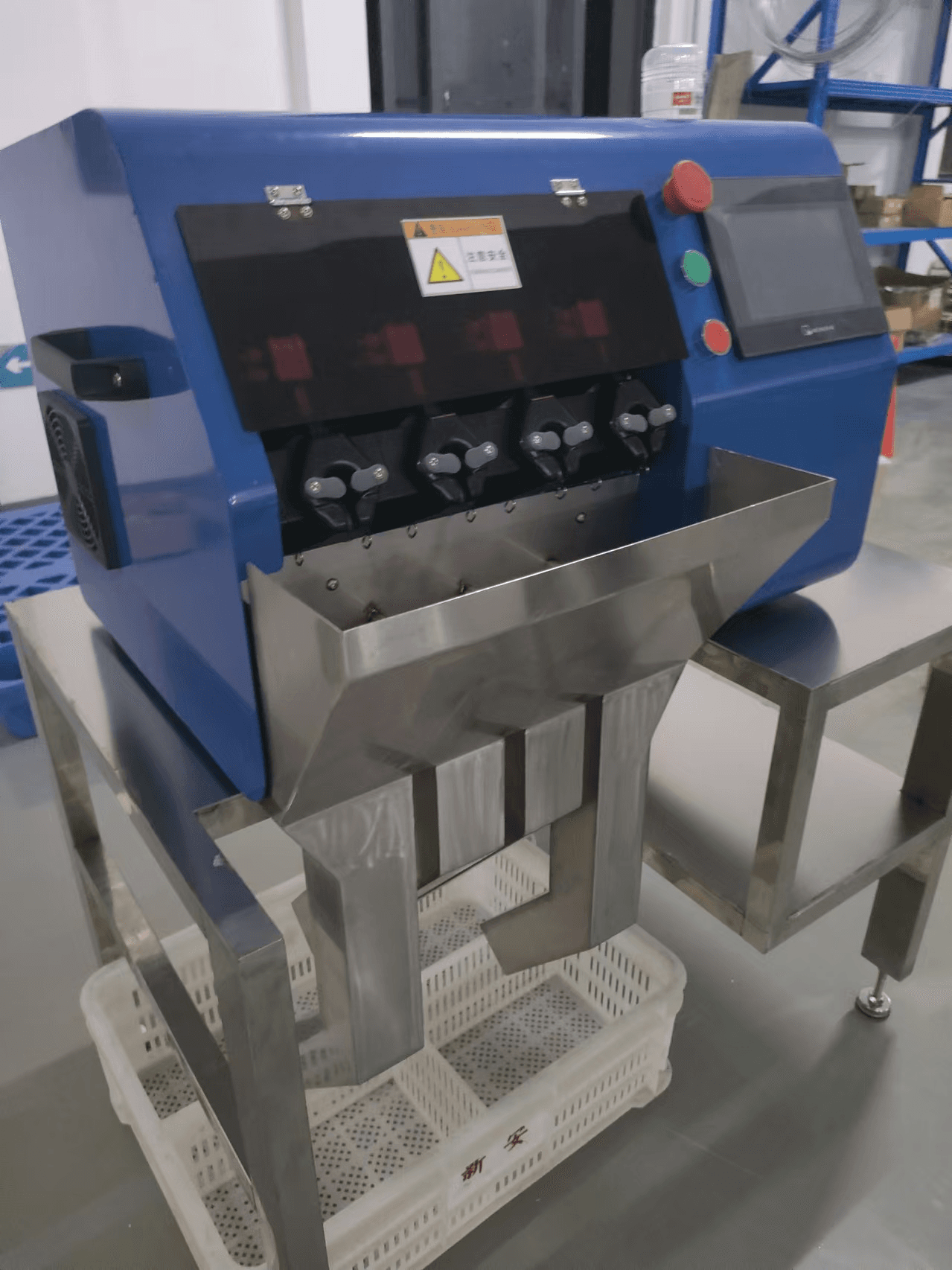
An infrared debeaking machine for poultry is often searched as if it were one universal product. In practice, a supplier cannot recommend a responsible configuration until the buyer defines the birds, age, approved process, daily flow, operator role, surrounding equipment, and acceptance boundary.
The useful question is not simply, “Do you have this machine?” It is, “Can this machine perform our approved hatchery job inside our real production system?”
Start With the Birds, Not the Product Name
The word “poultry” covers different species, ages, production systems, welfare requirements, and local rules. A product page may describe equipment for a specific application while a buyer's search term remains broad.
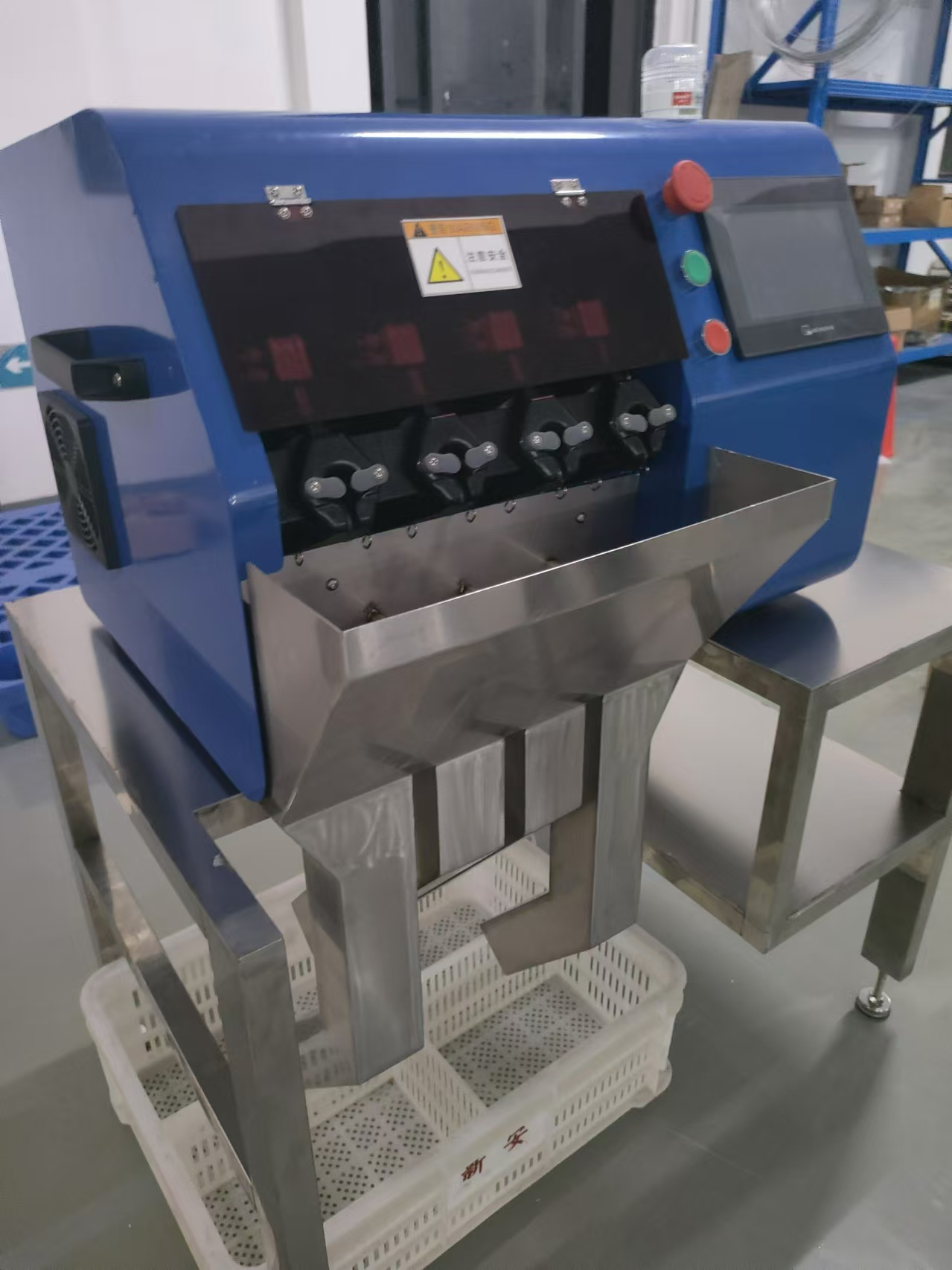
Jili Intelligent publishes a day-old chick infrared beak trimming machine. Its public application is day-old chick hatchery processing. That scope should be confirmed against the customer's birds, approved treatment method, destination, and technical requirements before a quotation becomes a commitment.
Send the supplier the bird type, age at treatment, normal and peak batch pattern, approved process, operating window, and expected destination. If several applications are planned, separate them instead of assuming one setup covers all of them.
Translate “Automatic” Into Operator Work
Buyers often use “automatic” to mean less handling, more consistent presentation, or easier line integration. Those are different expectations.
Ask what the operator does during startup, normal running, replenishment, a short stop, batch completion, cleaning, and restart. Identify which settings are adjustable, who is authorized to change them, and how the machine communicates status.
The best demonstration follows a complete operating cycle. A short video of continuous running may show the treatment moment, but it does not show how the team manages preparation, changes, alarms, records, and sanitation.
Define the Machine Boundary on a Room Drawing
Even a standalone station receives chicks from somewhere and sends them somewhere. Mark the incoming route, operator position, treated-chick route, container movement, access doors, maintenance space, utilities, and any downstream accumulation.
If the project includes vaccination, Jili also publishes a combined infrared beak trimming and vaccination machine. Integration can reduce repeated handling, but only when the approved procedures, staffing, room, and batch flow support the combined job.
For a connected line, list physical interfaces and control signals. State what happens when upstream supply pauses or downstream equipment is not ready. A machine boundary that is clear on paper prevents installation teams from discovering duplicate or missing scope on site.
Ask for Evidence That Matches the Offered Configuration
A useful supplier review connects each claim to evidence. Request photographs or video of the offered machine version, configuration list, control description, manuals, maintenance access, consumables or wear items, recommended spares, and a proposed factory test.
When evaluating an infrared debeaking machine for poultry, compare evidence to the project requirement rather than to a generic brochure. If the demonstration machine has different options, controls, guards, or interfaces, ask the supplier to list the differences.
The factory test should include startup, normal running, an agreed pause, a representative alarm, restart, operator access, cleaning access, and document review. The customer's technical team remains responsible for application approval and production release.
Separate Equipment Acceptance From Process Approval
Equipment acceptance can confirm the ordered configuration, controls, safety functions, sequence, documentation, and agreed operating scenarios. It cannot replace the hatchery's veterinary, welfare, regulatory, or production validation.
Write the boundary into the project plan. The supplier explains machine capability and supports testing. The responsible customer team defines the approved treatment procedure, verification, acceptance criteria, and release decision.
This distinction protects both sides. It avoids unsupported performance promises and gives the hatchery a clear validation task before routine production.
Price the Support Work Before the Purchase Order
International equipment projects need more than shipment. Ask who reviews the layout, who confirms utilities, what site readiness is required, who supports installation, which roles receive training, and how remote diagnosis and spare parts are handled.
Jili publishes service information and a quality-control process. Project-specific commitments should still be written into the quotation, including documents, factory acceptance, commissioning, training, warranty, response channels, and exclusions.
A lower machine price can become an expensive project if interfaces, site work, test materials, travel, or critical spares are discovered after the order.
What a Useful Inquiry Looks Like
A concise inquiry can fit on one page. Include the application, birds and age, approved process, normal and peak batches, operating hours, current workflow, room drawing, containers, utilities, connected equipment, desired service, destination, and target schedule.
Add three questions: Which configuration do you recommend and why? Which assumptions affect the offer? What evidence and acceptance test will confirm the scope?
These questions turn a product search into an engineering conversation without making the buyer write a technical manual.
Frequently Asked Questions
Is infrared treatment suitable for every poultry application?
Do not assume so. Confirm the species, age, approved process, welfare requirements, destination rules, and equipment scope with the responsible technical team and supplier.
Should buyers choose a standalone or combined machine?
Choose from the real workflow. A combined station may reduce handling, while a standalone station may provide a clearer boundary or fit an existing line. Layout, staffing, approved procedures, and future plans matter.
What should be included in the factory acceptance test?
Include the offered configuration, startup, normal operation, a pause, alarm and restart, operator and maintenance access, cleaning access, controls, documents, and any agreed interface scenario.
Define the Application Before Comparing Quotations
The right infrared debeaking machine for poultry is the one specified for a clear, approved job and supported by matching evidence. A precise application, interface map, test plan, and service boundary make supplier quotations easier to compare and the final project easier to deliver.
Send Jili Intelligent your birds, process requirements, batch data, layout, utilities, destination, and support expectations through the contact page. Ask for a configuration-specific proposal rather than a generic model recommendation.