


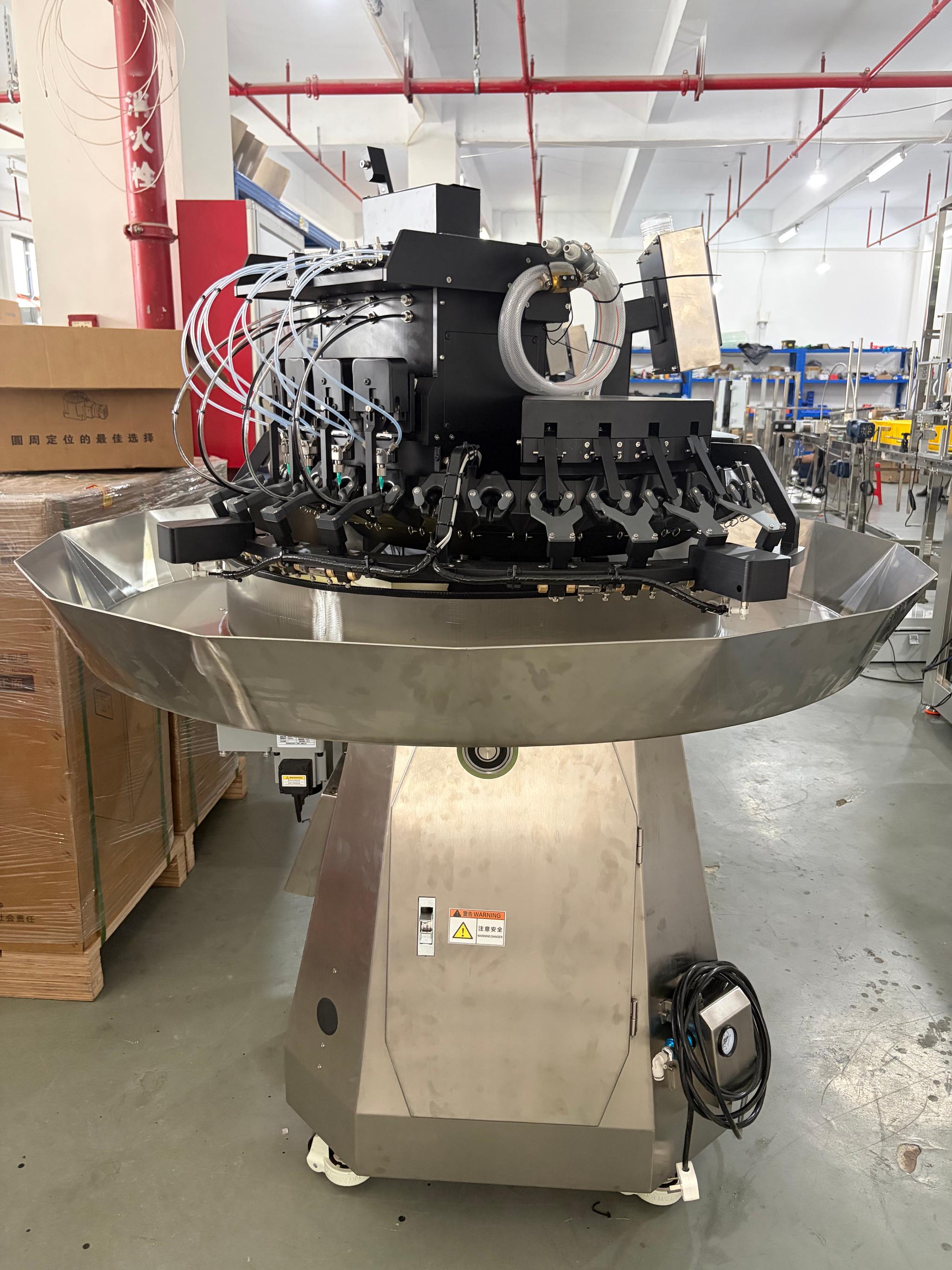
Most of the risk in a hatchery project is decided long before anyone boards a plane. Guards either fit or they do not. A transfer either clears the tray or it jams. Both facts are easier to discover in the factory where the machine was assembled than in a chick room three weeks before hatching season begins.
A hatchery automation acceptance test plan is how that discovery is organised. It says what will be tested, who will watch, what counts as a pass, and what record survives the project.
Why test at the factory
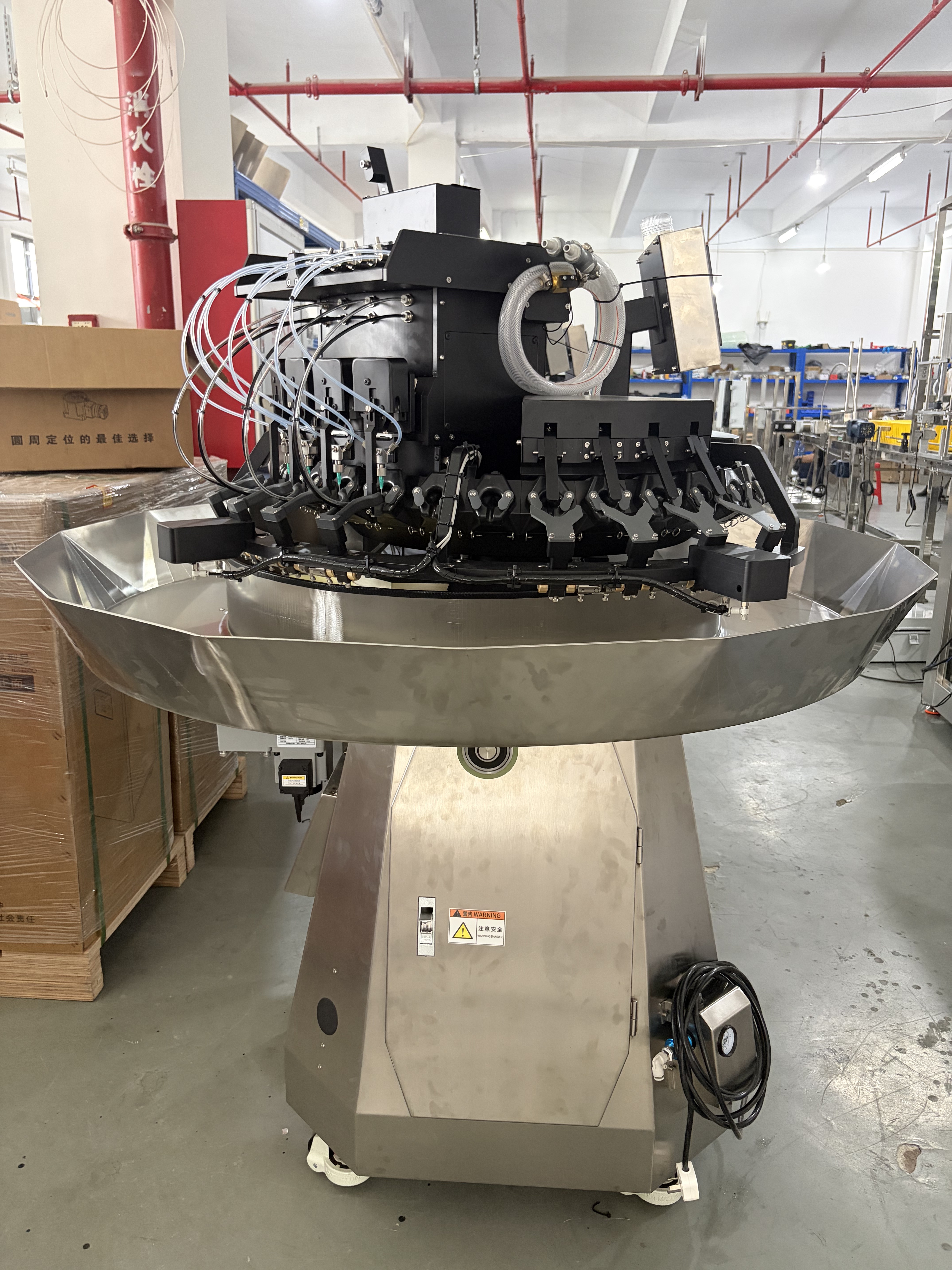
Factory testing happens while the machine is still within reach of the people who built it. Tooling is present, spare parts are on the shelf, and an adjustment that takes twenty minutes in the assembly hall can take three weeks and a visa to arrange on site.
There is a commercial argument as well. A test plan agreed before the purchase order turns quality into something both sides can verify, instead of a disagreement about expectations after installation. It also gives the buyer's engineering team a reason to visit the workshop and see how the equipment is actually put together.
What factory testing cannot cover
It cannot prove behaviour in the customer's room. Utility quality, floor level, room temperature, tray condition and operator habits all differ from the factory. That is why the acceptance plan has more than one stage, and why the site visit at the end matters just as much as the test in the workshop.
Five areas an acceptance test plan should cover
The list below is the structure we work to. Details change with the equipment, but the areas rarely do.
Station functions, one at a time
Each station is run on its own before the line is run as a whole. This separates assembly faults from integration faults, and it is much easier to diagnose.
Speed and cycle time
Measured, not estimated. The cycle is timed at the settings agreed for the project, and the result is written down with the date and the machine configuration used.
Safety devices and guards
Emergency stops, interlocks, guard fixing points and warning labels are checked against the drawing. Every stop is tested for the function it is supposed to perform, not only for whether it stops the motor.
Cleaning and access
The people who will clean the machine should be able to reach every surface without dismantling a guard. Testing this in the factory takes an hour and prevents a decade of shortcuts.
Documentation, spares and labelling
Wiring diagrams, manuals, spare-part lists and machine labels are checked against what was ordered. A machine that arrives with an incomplete document set is a machine that will be maintained by guesswork.
| Test area | What is checked | Evidence produced |
|---|---|---|
| Station functions | Each unit running in isolation | Function checklist per station |
| Speed and cycle | Timed run at the agreed settings | Recorded time and settings |
| Safety devices | Every stop and interlock operated | Signed safety checklist |
| Cleaning access | Full clean-down performed by an operator | Cleaning notes and photographs |
| Documents and spares | Manuals, diagrams, parts list, labels | Document list with part numbers |
Writing the plan before the purchase order
An acceptance plan written after delivery is a description. Written before the order, it is a requirement.
Three items belong in the quotation stage. First, the list of tests and the acceptance values, including which figure counts as a pass. Second, the evidence the supplier will provide, whether that is a checklist, photographs, a video or a signed record. Third, the number of days the buyer's team may attend, since travel plans rarely survive a flexible schedule.
A hatchery automation acceptance test plan agreed at that moment also settles the awkward question of who pays for a re-test, which is far easier to answer before the machine is finished than after.
Where the hatchery already works to a quality system, the format can follow existing practice. The documentation logic behind ISO 9001 is a familiar reference point for records and traceability, and biosecurity documents such as the WOAH Terrestrial Code are useful when the tests touch cleaning and hygiene routines that auditors may later ask about.
Sign-off happens in stages
A single signature at the end of a project hides the point at which a problem appeared. Four stages keep the record honest and the conversation short.
All four stages belong to the same hatchery automation acceptance test plan, and the evidence from each is filed together.
| Stage | When it happens | What is being confirmed | Who signs |
|---|---|---|---|
| Factory test | Before shipment | Functions, speed, safety and cleaning | Buyer's engineer and supplier |
| Pre-shipment review | Before packing | Documents, spares, labelling, packing list | Quality or project manager |
| Site acceptance | After installation | Performance in the customer's room | Hatchery and supplier |
| Handover | After training | Operators competent, records complete | Plant manager |
The middle stage is the one most often treated as paperwork. It is also the cheapest place to find a missing spare set, because the crate is still open and the workshop is still next door.
What factory testing usually catches
The faults are rarely dramatic. A guard that fouls the cleaning tool. A sensor that needs a different mounting angle after the first run. A label written in a language the operators do not use. A spare-parts list that omits the one part most likely to wear.
Individually these are small. Together they are the difference between a first hatch day that runs normally and one that starts with three people gathered around an open panel.
Record the settings, not just the result
Every test result should name the settings it was measured at. Without them, a figure cannot be repeated later, and a repeat measurement becomes an argument rather than a comparison.
This is also where the hatchery automation acceptance test plan earns its keep three years later, when the same station is tested again after a service visit or a capacity change.
Questions buyers ask about acceptance testing
Can we attend the factory test remotely?
Partly. Video calls are useful for walkthroughs and for reviewing records, but an engineer who is present will notice things a camera does not show. Where travel is difficult, we agree which tests must be witnessed in person and which can be recorded properly instead.
What if a test fails?
It is corrected and re-tested before shipment, with both results kept in the same hatchery automation acceptance test plan. A failed test with a documented correction is a good outcome; an untested function is not.
Should the acceptance plan cover integration with our existing line?
Yes, at the interfaces. Heights, transfer directions and signal types can be checked in the factory if the surrounding equipment is known, which is one reason a site survey is worth completing early.
How long should testing take?
It depends on the number of stations and the conditions being simulated. The schedule is agreed in the quotation, and it is better to plan two days and use them than to negotiate a test window while the container is waiting.
Ask for the test, not just the certificate
JuliSense manufactures day-old chick processing equipment and integrated hatchery lines, and we expect to be tested. Send us your acceptance requirements at the enquiry stage and we will draft the hatchery automation acceptance test plan with the scope. Equipment families are listed on the products page, quality and service practice is described on the service page, company background is on about us, common questions are collected in the FAQ, and requirements can be sent through contact us.