


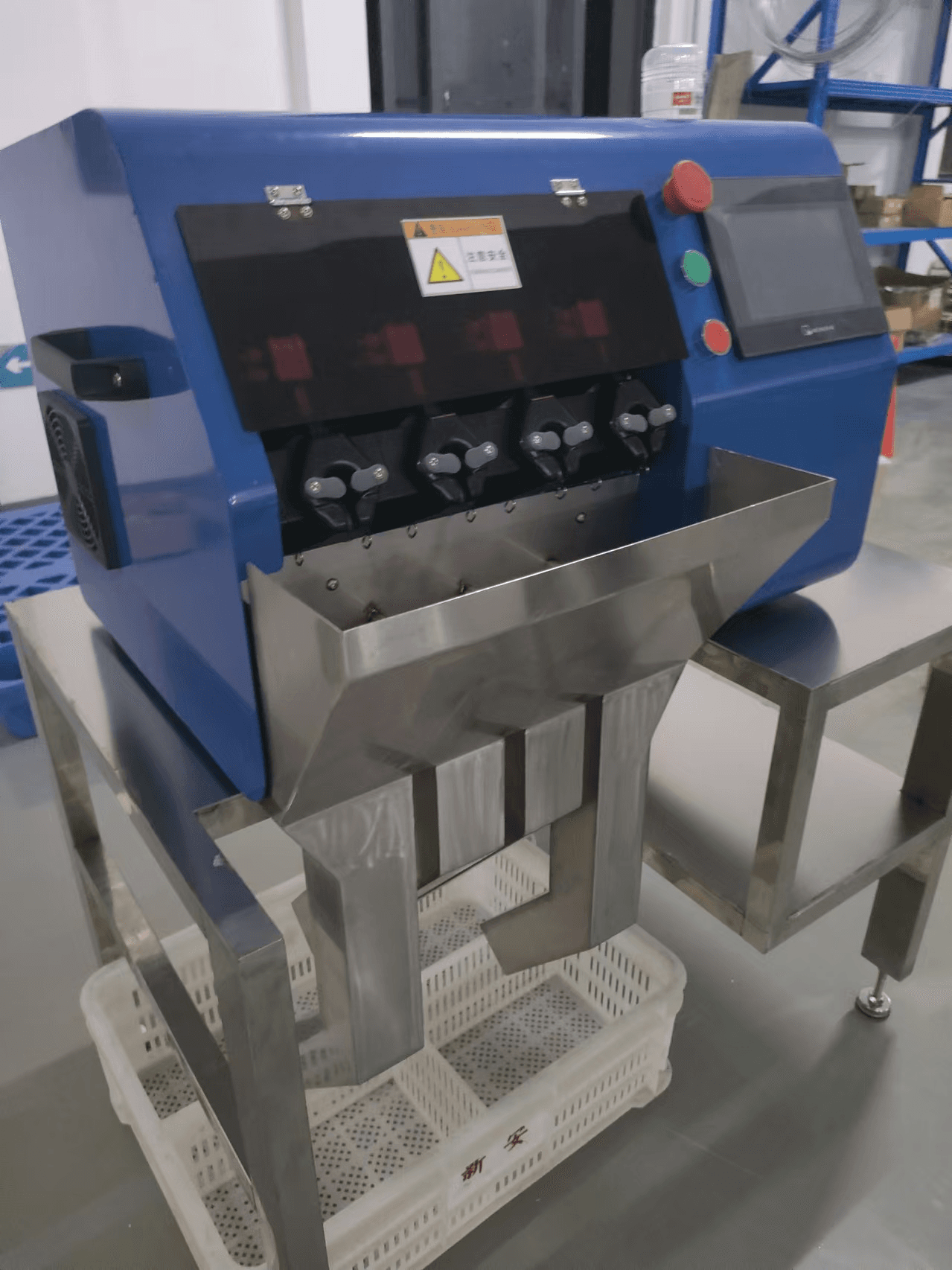
A hatch day rarely stops because a large machine has disappeared. It stops because a small wear item is missing when the line is already warm, loaded and expected to run. An infrared beak trimming machine spare parts plan is therefore less about filling a cabinet and more about protecting the next handover.
The useful question is not “what can we buy?” It is “which part can turn a ten-minute inspection into a four-hour delay?” The answer changes with the model, the number of heads and the service distance, so the stock list should be built from the machine and the hatch schedule together.
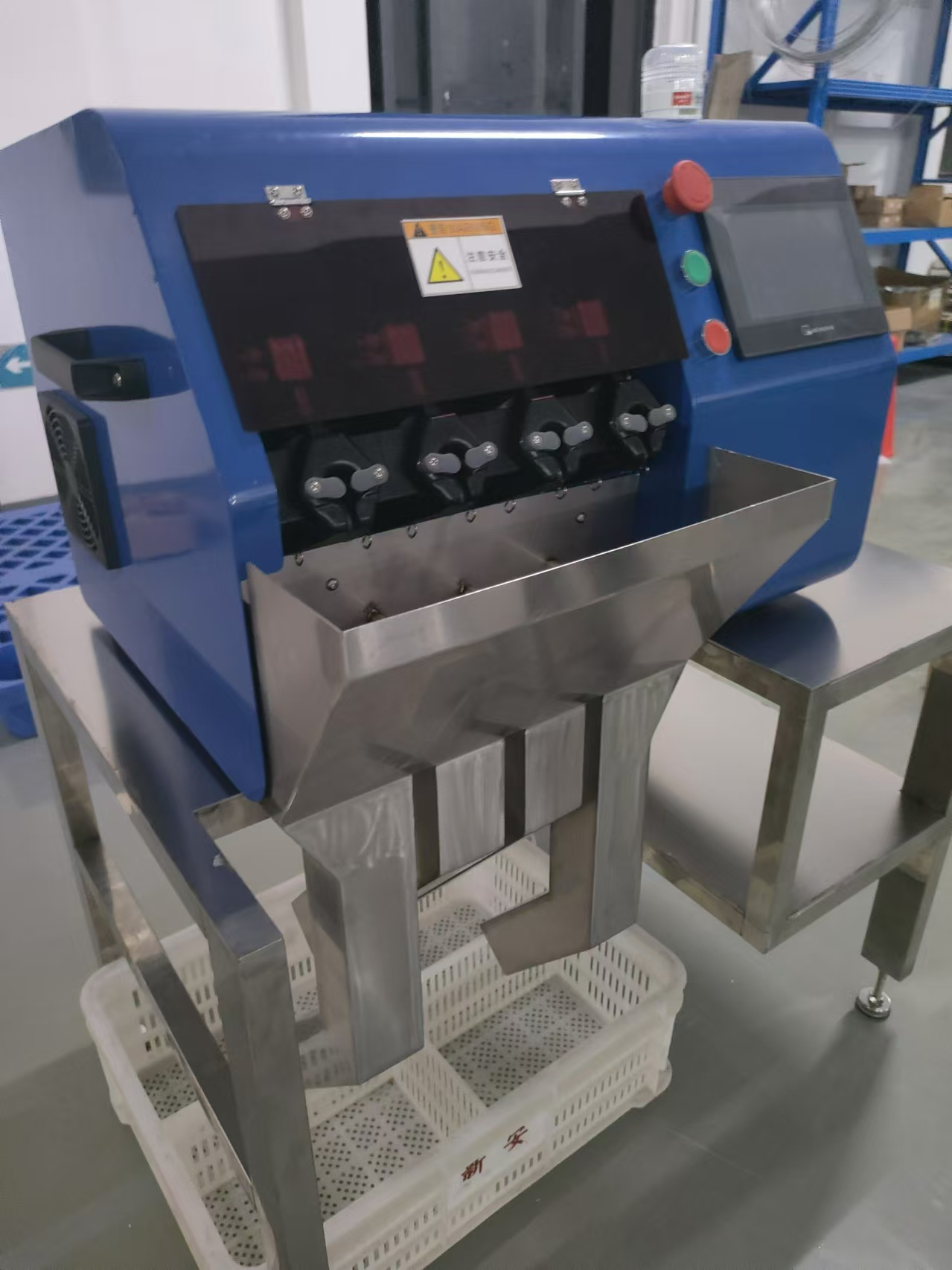
Start with the stop, not the catalogue
Every spare-parts review should begin with the last three stoppages. Write down the symptom, the part touched, the time to diagnose, the time to replace and whether a temporary workaround was safe. A part that has never failed but takes weeks to ship may deserve more attention than a part that fails often and is available locally.
Separate wear from protection
Wear items change with cycles, cleaning and handling. Protection items may never fail until a collision, a voltage event or an incorrect reset. Keep both groups in the plan, but give them different reorder rules. A lamp or guard can be cycle-based; a sensor or controller may need a one-for-one emergency replacement.
Record the exact machine identity
Part descriptions are not enough. Record the equipment model, serial range, electrical version and the revision of the control cabinet. The same-looking connector can have a different rating, and the same lamp housing can use a different mounting pattern. A clear identity line prevents purchasing from guessing.
Build a criticality ladder
We normally place each item on a three-level ladder. The ladder turns an informal “keep some spares” instruction into a stocking decision that a buyer and a maintenance lead can share.
| Level | Failure consequence | Typical stock decision | Review trigger |
|---|---|---|---|
| A: line stop | The machine cannot trim or safely pass birds | Hold one installed-ready spare and one sealed spare where lead time is long | Any failure or model change |
| B: degraded output | Speed, consistency or inspection quality drops | Hold one serviceable spare and a repair route | Two failures in a quarter |
| C: convenience | Work can continue with a planned adjustment | Order with the next service shipment | Supplier or cleaning change |
The ladder is useful because it avoids buying the same quantity of everything. The right infrared beak trimming machine spare parts stock is usually narrow at Level A, deliberate at Level B and documented at Level C.
Put the approved infrared beak trimming machine spare parts list beside the hatch calendar. That small step connects the reorder point to the days when a missing component would have the largest production consequence.
Use time-to-recover as the tie-breaker
When two items look equally important, compare recovery time. A fuse that can be sourced in an hour is different from a sensor that must cross a border. Include customs, weekends and the next scheduled hatch, not only the supplier’s dispatch promise.
Keep a safe workaround visible
Some plants can run a reduced configuration while waiting for a part. Document the approved workaround beside the stock record, including the capacity limit and the sign-off person. A workaround that lives only in one technician’s memory is not a resilience plan.
What belongs in the first kit
The first kit should cover inspection, adjustment and the most likely controlled replacement. It should not become a miscellaneous box filled with unlabelled components.
| Kit section | Examples to confirm with the supplier | Why it matters |
|---|---|---|
| Optical and heat path | Lamp assemblies, protective windows, mounts and approved cleaning tools | Output quality can drift before a complete failure is obvious |
| Detection and control | Sensors, connectors, fuses and approved control components | A small signal fault can stop a complete cycle |
| Motion and handling | Belts, bearings, fasteners and guides used by the installed configuration | Mechanical play changes repeatability and alignment |
| Service consumables | Labels, cable ties, seals, cleaning materials and lockout tags | The right replacement still needs a safe changeover |
Confirm every line against the actual bill of materials. A generic internet listing may look cheaper but can carry the wrong heat rating or connector. JuliSense product information is a useful starting point on the infrared beak trimming machine page, while the service page is where a support and commissioning question belongs.
Protect changeover time
Stock only creates value when a trained person can use it quickly. For each Level A item, write a one-page changeover card with isolation steps, tools, inspection points, torque or alignment notes and the restart test. The card should include a photo of the installed area, not only a parts drawing.
Label the installed-ready unit
Keep one critical item in an installed-ready state when practical. Label it with the part number, revision, test date and storage condition. This avoids spending the first hour of a stoppage checking whether a spare is complete.
Close the loop after every use
When a spare is consumed, the reorder should be automatic. Record the reason, the machine hours and the replacement lead time. A cabinet that is full today can be empty before the next peak season if usage is not tied to purchasing.
At the quarterly review, compare the infrared beak trimming machine spare parts issued against the fault log. Repeated use of one item may point to alignment, cleaning or training work that stock alone will never solve.
Ask suppliers for evidence
A good request for quotation makes the parts list auditable. Ask for the part number, revision, compatible machine identity, material or rating, warranty, lead time, packaging and the recommended storage condition. Ask which parts are genuine, which are approved equivalents and which require a technician to fit.
Also ask how the supplier handles a revision change. If a connector or controller changes, buyers need a cross-reference and a transition date, not a surprise at the next service call. The JuliSense FAQ can help frame the initial questions, and the contact page is the right route for a machine-specific list.
Use a short acceptance check
Before a part enters stock, check packaging, label, visible damage, connector fit and the document supplied with it. For safety-related or control parts, add a functional check under the site’s lockout procedure. The aim is to discover a mismatch while the line is available, not during the next hatch.
Questions buyers ask about infrared beak trimming machine spare parts
Should we buy a complete spare machine?
Usually not as a first response. A complete spare can make sense for a very large multi-line operation, but most sites gain more from a criticality-based kit, a clear recovery card and a realistic service agreement. Compare the cost of idle capacity before choosing the larger investment.
How many spares should one site hold?
Use demand, lead time and the number of identical machines. One site with three identical units may need a shared controller strategy; two remote sites may each need their own Level A item. The answer should come from risk and replenishment time, not a universal percentage.
Where should the stock live?
Keep small controlled items in a clean, labelled cabinet near the maintenance point, with a second record in the purchasing system. Protect optical and electronic items from heat, moisture and unapproved handling. Storage conditions are part of the specification.
Turn the list into a working service plan
Once the kit is identified, schedule a quarterly review of consumption, failures, lead times and machine revisions. Link the review to the same meeting that checks the broader hatchery automation solution, because a new conveyor, vaccination station or room layout can change the risk profile. The full equipment range helps identify connected stations, and the about JuliSense page adds useful supplier context.
A small, labelled, tested kit is more valuable than a large unverified inventory. When the parts list is tied to the real line and the next hatch date, infrared beak trimming machine spare parts stop being an emergency purchase and become part of dependable production.