


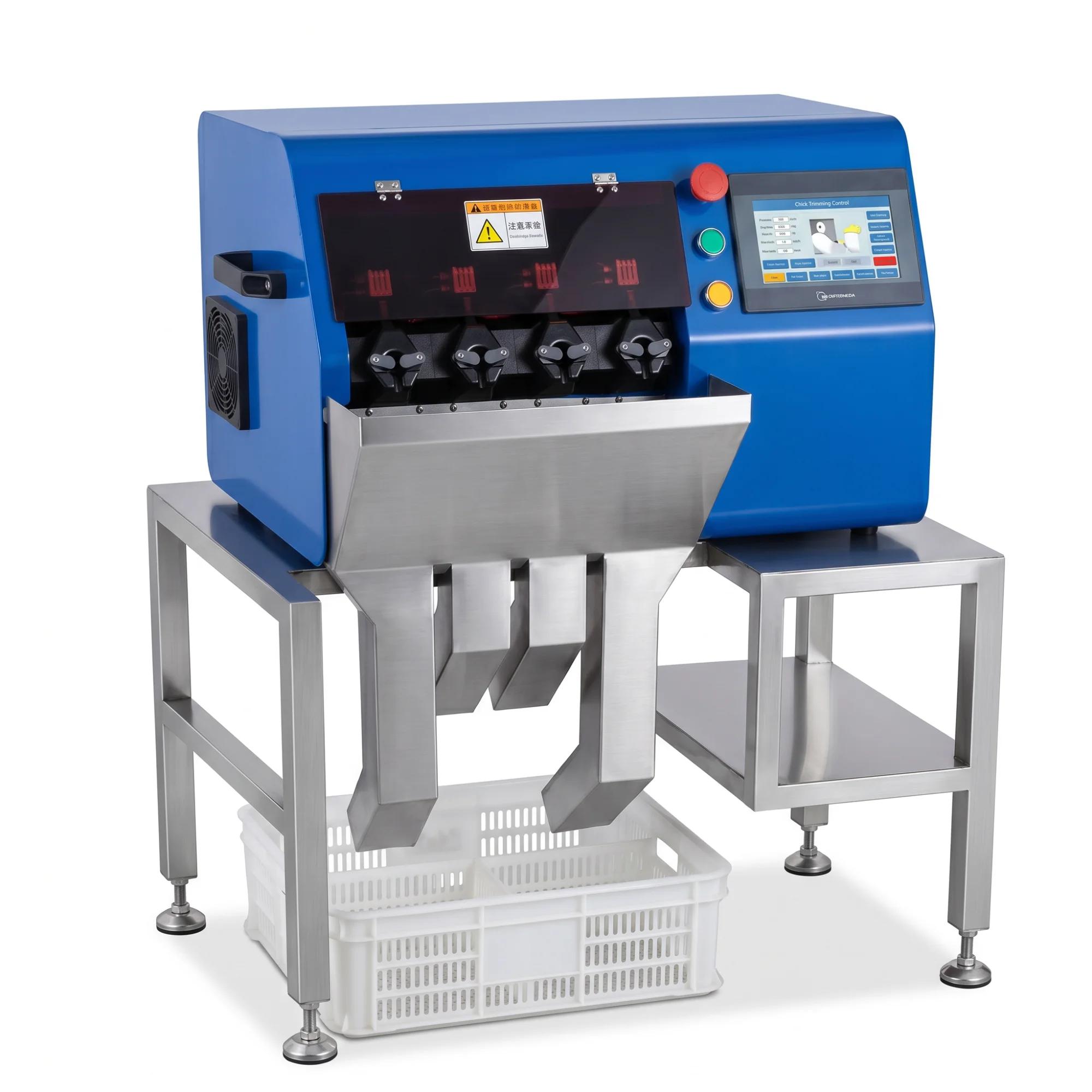
An automatic beak trimming machine layout review becomes easier when the project team stops treating the floor plan as one finished picture. Print the drawing, then place three transparent overlays on it. The first follows production. The second follows people. The third follows cleaning, maintenance, and recovery.
If the three routes can coexist without hidden crossings, blocked access, or unclear ownership, the layout is becoming usable. If they cannot, moving a line on paper is far less costly than moving installed equipment.
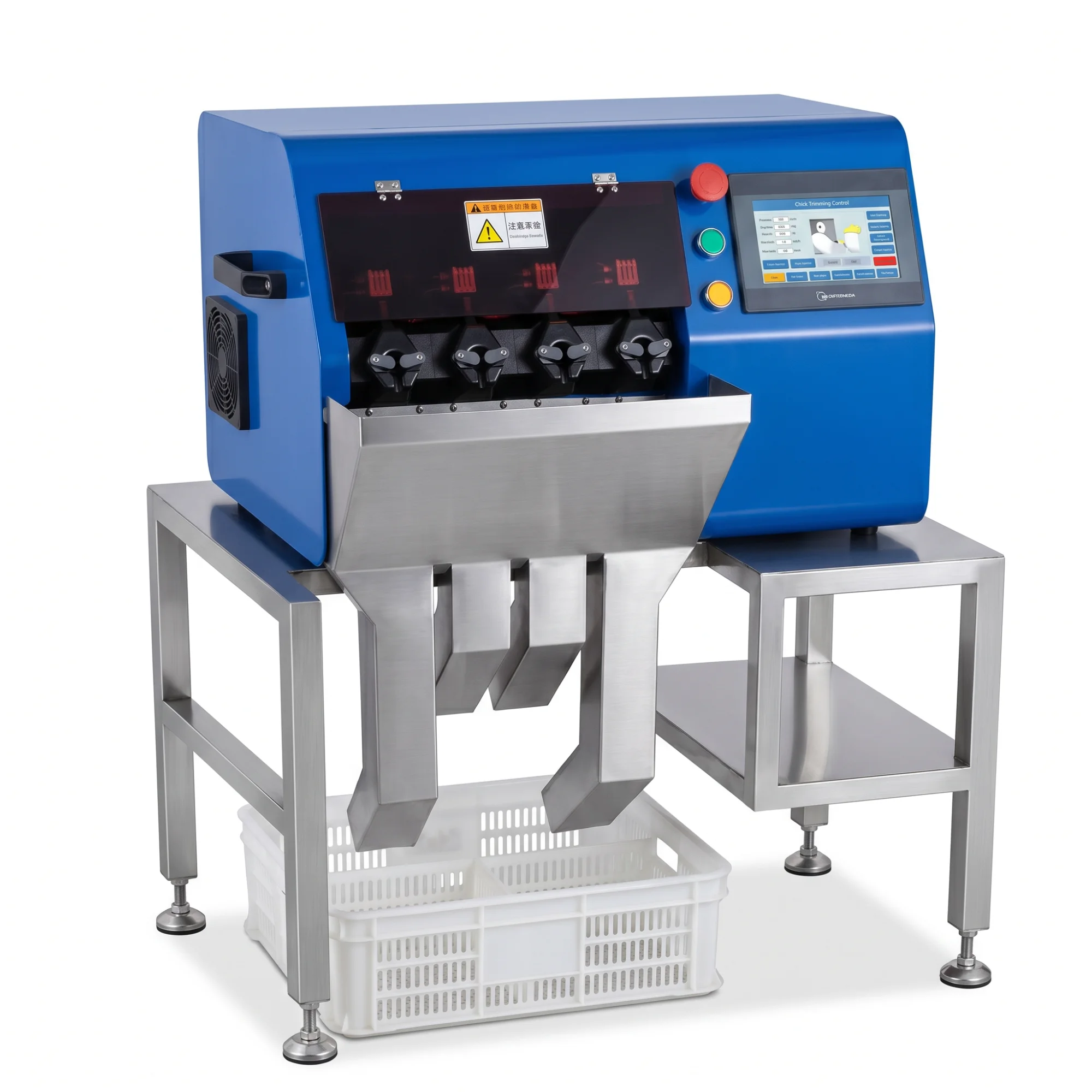
Start With the Empty Drawing
Before adding arrows, identify walls, doors, columns, drains, utilities, emergency routes, hygiene boundaries, existing equipment, ceiling restrictions, and the space that truly belongs to the project. A clean rectangle on a sales sketch may already contain daily traffic that cannot disappear.
Jili Intelligent presents its day-old chick infrared beak trimming machine through JuliSense. The final arrangement, interfaces, capacity, and operating method must be confirmed for the customer's actual project.
Mark facts in ink and assumptions in pencil
Use one color for verified dimensions and another for items still awaiting a site measurement or customer decision. This simple distinction keeps assumptions from quietly becoming installation commitments.
Draw the boundary of responsibility
Mark where JuliSense equipment begins and ends, then identify upstream presentation, downstream transfer, customer utilities, guarding interfaces, local fabrication, and building work. The boundary should be visible before the layout is approved.
Overlay One: Follow Production Without Skipping a Handoff
The first overlay tracks the work from arrival to release. Do not draw only the centerline of the machine. Show containers, supplies, consumables, rejected or held items, temporary buffers, documentation points, and the route out of the area.
During an automatic beak trimming machine layout review, every arrow should answer three questions: what is moving, who controls the handoff, and what happens when the next position cannot accept it.
Give every buffer a limit
A blank space beside the machine often becomes an unofficial buffer. Define what may wait there, its maximum quantity, how long it may remain, and who acts when the limit is reached.
Check the busiest realistic hour
Review a representative arrival pattern, not an average day divided into neat minutes. Include ordinary variation, replenishment, shift handover, and the small delays that production teams recognize immediately.
Overlay Two: Follow Feet, Hands, and Decisions
The second overlay follows operators, supervisors, welfare or veterinary personnel, sanitation, maintenance, and visitors. It records where people stand, reach, turn, observe, replenish, document, and communicate.
This is where a technically possible layout can reveal itself as tiring or confusing. Two people may need the same narrow space for different reasons, or an observer may block the person responsible for routine operation.
Place the operator before placing the table
Sketch the normal stance, hand range, sightline, and short walking loop. Then place tables, supplies, screens, and containers around that work. Furniture should support the task rather than force the person to work around it.
Protect independent oversight
The customer's qualified welfare or veterinary owners need a practical observation position and authority consistent with applicable requirements. The World Organisation for Animal Health Terrestrial Code is an internationally recognized reference for animal health and welfare; destination rules and customer procedures still govern the project.
Put Both Overlays Together at Shift Change
Now combine the production and people layers. A useful workshop asks the morning operator, late-shift operator, supervisor, sanitation lead, maintenance lead, and project engineer to explain the same five minutes around a shift change.
The automatic beak trimming machine layout review should expose queues, unlabeled containers, blocked views, shared tools, and handoff decisions before they become habits.
Ask who owns work already in motion
At the handover moment, identify who is responsible for current work, machine status, parameter confirmation where authorized, materials, records, and outstanding exceptions.
Leave room for a conversation
Some layouts provide working space but no safe place for two roles to review an issue without obstructing flow. A small, deliberate decision point can prevent repeated disruption.
Overlay Three: Draw the Route Used on a Bad Day
The third overlay begins with a normal stop, a cleaning task, or a maintenance request. Show how authorized people reach the relevant area, how work is protected, where removed parts and tools go, and how the equipment returns to an approved state.
For machinery risk assessment and risk reduction, ISO 12100 provides a general framework. The project team should apply relevant legal, technical, and customer requirements to the complete installation.
Open every access point on paper
Draw doors, covers, service positions, removable parts, pull-out space, tool clearance, and safe working zones. Check them against walls, columns, adjacent machines, temporary storage, and normal pedestrian routes.
Trace the sanitation cart
Follow cleaning personnel, equipment, water or approved cleaning resources, waste removal, inspection, reassembly, and release. A drain on the drawing does not prove that the whole cleaning route works.
Hold a Tabletop Stop-and-Restart Exercise
Choose one credible, safe interruption allowed by the risk assessment and operating plan. Place a marker where every item and person would be at the moment of the stop. Then ask the team to narrate the next actions without moving the marker prematurely.
This makes the automatic beak trimming machine layout review a decision exercise rather than a drawing review. JuliSense can discuss commissioning, training, and support scope through its service page, while project-specific responsibilities belong in the agreed documents.
Name the restart authority
Document who checks machine state, current work, access, guarding, cleanliness, parameters where applicable, and upstream or downstream readiness. The reset control is not the same as authorization to resume production.
Record what the operator can actually see
An alarm description may be correct but still insufficient from the operating position. Confirm sightlines, status information, communication routes, and the escalation path.
Score the Drawing With Six Buyer Questions
Use a simple red, amber, or green decision for each topic. Red means the layout or scope must change; amber means evidence or ownership is missing; green means the relevant teams agree and the record is complete.
This scorecard keeps the automatic beak trimming machine layout review tied to observable evidence rather than individual preference.
| Review question | Evidence to keep |
|---|---|
| Can production move without an undefined handoff? | Flow arrows, buffer rules, owner names |
| Can people work without conflicting routes? | Stance, reach, walking, and observation marks |
| Can sanitation reach and release required areas? | Cleaning route and release checklist |
| Can maintenance access service points? | Clearance and access envelope |
| Can a controlled stop be understood? | Frozen-state and recovery notes |
| Are interfaces and responsibilities explicit? | Scope boundary and action register |
Close amber items with evidence
An amber note needs an owner, due date, and required proof: a measurement, revised drawing, supplier confirmation, customer decision, photograph, or joint review.
Reissue one controlled drawing
After decisions are made, combine the accepted layers into a dated revision. Remove unofficial markups from circulation so purchasing, civil work, utilities, production, and installation use the same reference.
Turn the Review Into a Useful JuliSense Conversation
Send JuliSense the available floor plan, verified dimensions, expected flow, operating roles, hygiene zones, utilities, surrounding equipment, and open questions. The JuliSense products page helps buyers place individual equipment within the wider hatchery workflow.
An automatic beak trimming machine layout review should end with fewer assumptions and clearer decisions. It does not promise a perfect future shift. It gives the people who will operate, supervise, clean, maintain, and approve the system a shared picture of how the space must work.
What should a buyer send first?
Start with a dimensioned drawing, current process description, representative volume pattern, available utilities, hygiene rules, staffing assumptions, adjacent equipment, and known building constraints.
When should the review happen?
Run it before commercial scope is frozen, again after interface drawings are available, and once more before site work makes movement expensive.
Repeating the automatic beak trimming machine layout review at those gates makes changes visible while the team still has practical choices.
Who needs to attend?
Include production, project engineering, qualified welfare or veterinary ownership, sanitation, maintenance, safety, procurement, and the supplier roles responsible for interfaces.
How does a buyer request a project review?
Use the JuliSense contact page to share the application context and ask for the drawings, interface information, service scope, and evidence needed for a project-specific decision.