


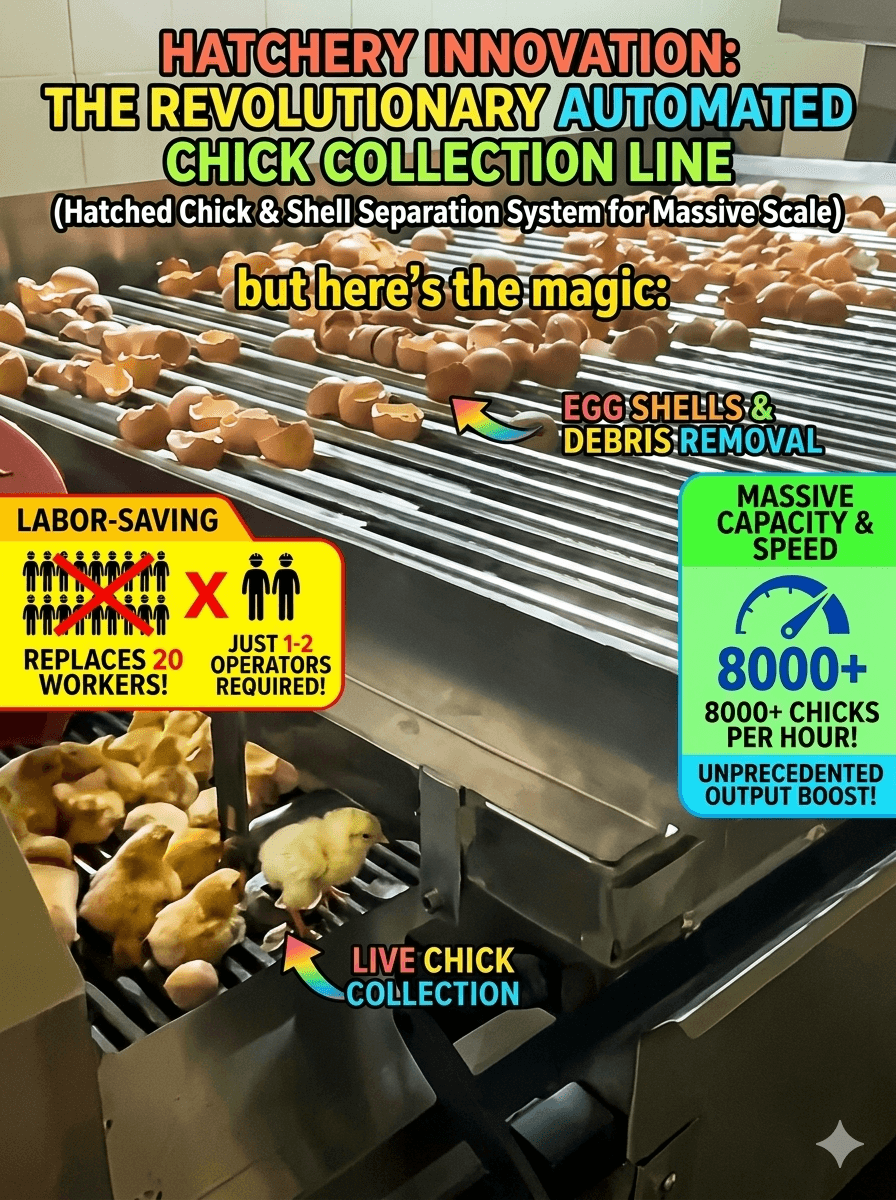
An automatic chick processing machine may look convincing during steady production, but a lunch break reveals how well the process handles time. Ten minutes before the pause, work is still arriving. During the break, current work must remain understood and protected. Afterward, people and equipment must restart without creating a surge.
Review this window minute by minute. It is an ordinary event that exposes staffing, buffers, communication, state, cleaning, and recovery.
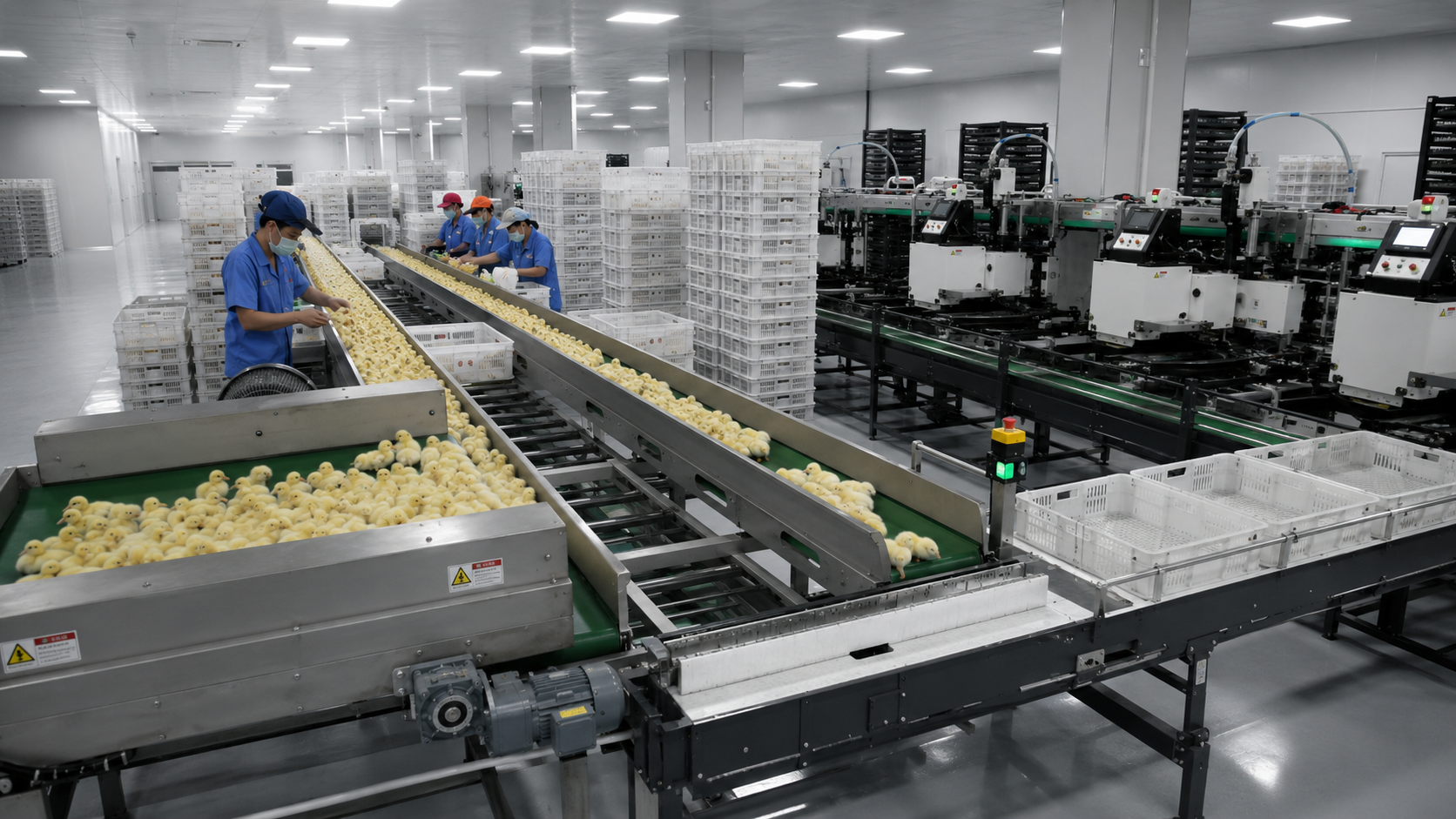
Ten Minutes Before the Pause: Stop Feeding the Future Queue
Begin with the arrival plan. Decide when upstream work slows or stops, which current batch may complete, what must not enter, and how downstream teams are informed.
Jili Intelligent presents day-old chick processing equipment through JuliSense. Buyers should confirm the final configuration, capacity basis, interfaces, operating method, and customer-controlled process requirements.
Give the last accepted work an identity
Record its batch or customer reference, route, expected completion point, responsible person, and any condition that prevents ordinary release.
Avoid an invisible pre-break surge
Operators may speed preparation or create informal staging to “clear the area.” Observe whether that behavior moves congestion or risk to another station.
Five Minutes Before: Make the Handoff Audible
The supervisor confirms line state, current work, staffing plan, downstream readiness, exceptions, and the person who owns the final decision to pause.
During an automatic chick processing machine review, ask each station to repeat the same state in its own words. Conflicting answers are more useful than a polished silence.
Use location names everyone recognizes
Number stations, buffers, and handoffs consistently across labels, screens, drawings, records, and training material.
Separate a pause from an emergency stop
A planned production pause, fault response, and emergency action are different states. Customer procedures and machine documentation should make their boundaries clear.
Minute Zero: Freeze the Process Story
At the agreed pause, record where current work is, what the operator sees, which signals are active, buffer occupancy, open records, and any material or supply still in preparation.
For machinery risk assessment and risk reduction, ISO 12100 provides a general framework. Relevant laws, standards, risk assessments, and site procedures apply to the complete installation.
Do not tidy the evidence first
Photograph or record the approved state before moving containers, clearing messages, or completing paperwork. The ordinary mess may contain the most useful finding.
Name the custodian of current work
One role protects and communicates the status of work that remains in process. That responsibility should survive the staff break.
During the Break: Decide What Continues
Some systems remain in a controlled ready state; others follow an approved shutdown or holding sequence. The project team should define permitted equipment state, utilities, monitoring, access, materials, records, and responsibility.
Check whether anyone is assumed to stay
Many plans quietly depend on a supervisor, technician, or operator remaining nearby. Put that staffing assumption into the operating model and cost.
Protect observation and welfare ownership
The customer's qualified welfare or veterinary team defines applicable criteria, responsibilities, and stop conditions. The World Organisation for Animal Health Terrestrial Code provides internationally recognized references, while destination requirements and customer procedures govern the work.
Five Minutes Before Restart: Build Readiness From Both Ends
Restart preparation begins upstream and downstream, not only at the central control. Confirm staffing, approved materials, utilities, guarding, access, station state, buffers, documentation, and dispatch readiness.
The automatic chick processing machine should not pull work into a downstream area that is still preparing.
Use a spoken readiness call
Each station confirms its identifier and state. The restart owner records exceptions or conditional readiness rather than translating silence into approval.
Confirm current work before new work
Resolve or explicitly control the items left in process before introducing the first new arrivals.
Minute One After Restart: Watch the First Handoffs
Assign observers to the first presentation, transfer, buffer, processing point, and downstream release. Record ordinary corrections, waiting, repeated touches, messages, and coaching.
Start at an agreed rate
Do not assume that the fastest immediate start creates the quickest stable recovery. Agree the ramp pattern and evidence before the trial.
Keep the stop authority active
The authorized customer roles retain the agreed criteria and authority during ramp-up. A desire to recover time should not erase the plan.
Minute Five: Look for the Returning Wave
A restart can send a wave of work downstream. The first station may look stable while a later handoff begins blocking or dispatch fills.
Trace starvation and blocking
Record when a station lacks input and when it cannot release completed work. Trace each event backward and forward before assigning a cause.
Count hidden intervention
An experienced operator may quietly stabilize flow through extra handling. Count those touches and decide whether they are part of the planned method.
Minute Twenty: Ask Whether the Line Is Truly Stable
Define stability before the trial: acceptable flow, buffer range, staffing, exception rate, record completion, downstream release, and customer-approved observation criteria.
This makes the lunch-break exercise a meaningful automatic chick processing machine test rather than a race back to nameplate speed.
Compare with the pre-break state
Use the same measures and observation positions. A stable average can conceal a new queue, extra labor, or incomplete documentation.
Close the window with an owner
The supervisor or other authorized role records whether normal operation has resumed, which items remain open, and what evidence will close them.
Build a One-Page Break Timeline
The timeline should be simple enough for operations and precise enough for project acceptance discussions.
| Time | Key question | Evidence |
|---|---|---|
| -10 minutes | What may still enter? | Arrival and last-work record |
| -5 minutes | Do stations share one state? | Handoff confirmation |
| 0 | What is frozen? | Positions, signals, buffers |
| +1 minute | Are first handoffs controlled? | Observer notes |
| +5 minutes | Where does the wave go? | Queue and intervention log |
| +20 minutes | Is normal work restored? | Stability and release record |
Include the people clock
Record when each role leaves and returns, who covers during the interval, and which readiness depends on a particular person.
Include the documentation clock
Track when batch, quality, exception, sanitation, or shift records are completed. Physical movement may resume before records catch up.
Use the Result in Commercial Decisions
JuliSense outlines project planning, commissioning, training, and support on its service page. Buyers can use the break timeline to define representative conditions, staffing assumptions, buffer rules, interface requirements, training, and acceptance evidence.
Compare Three Versions of the Same Break
Run a tabletop version during design, an approved controlled version during commissioning, and a customer-led version before handover. Keep the same timeline and location names so the evidence shows what changed.
Design version finds missing scope
The team can identify absent buffers, status information, staffing, furniture, documents, or interface responsibility before installation.
Commissioning version finds real behavior
The automatic chick processing machine is observed with agreed conditions, actual interfaces, trained roles, and controlled records rather than assumptions on a drawing.
Customer-led version finds dependency
Supplier personnel step back while authorized customer roles lead the pause and restart. Record every moment when coaching is still needed.
Does this replace a capacity test?
No. It adds a realistic transition scenario to the agreed performance and acceptance program.
Why use lunch rather than a fault?
A planned break is frequent, understandable, and less likely to turn the discussion into an exceptional technical event.
Who should observe?
Include production, engineering, quality, qualified welfare or veterinary ownership, sanitation, maintenance, and upstream or downstream interface owners.
How can a buyer start a JuliSense discussion?
Use the JuliSense contact page to share the expected flow, break pattern, staffing, surrounding equipment, utilities, and acceptance questions.
A Normal Break Tests a Real Production System
An automatic chick processing machine should fit the rhythm of the hatchery, including planned pauses and imperfect restarts. JuliSense can help organize equipment and interface discussions around the lunch-break timeline. The customer gains evidence about the working day, not just the smoothest ten minutes.