


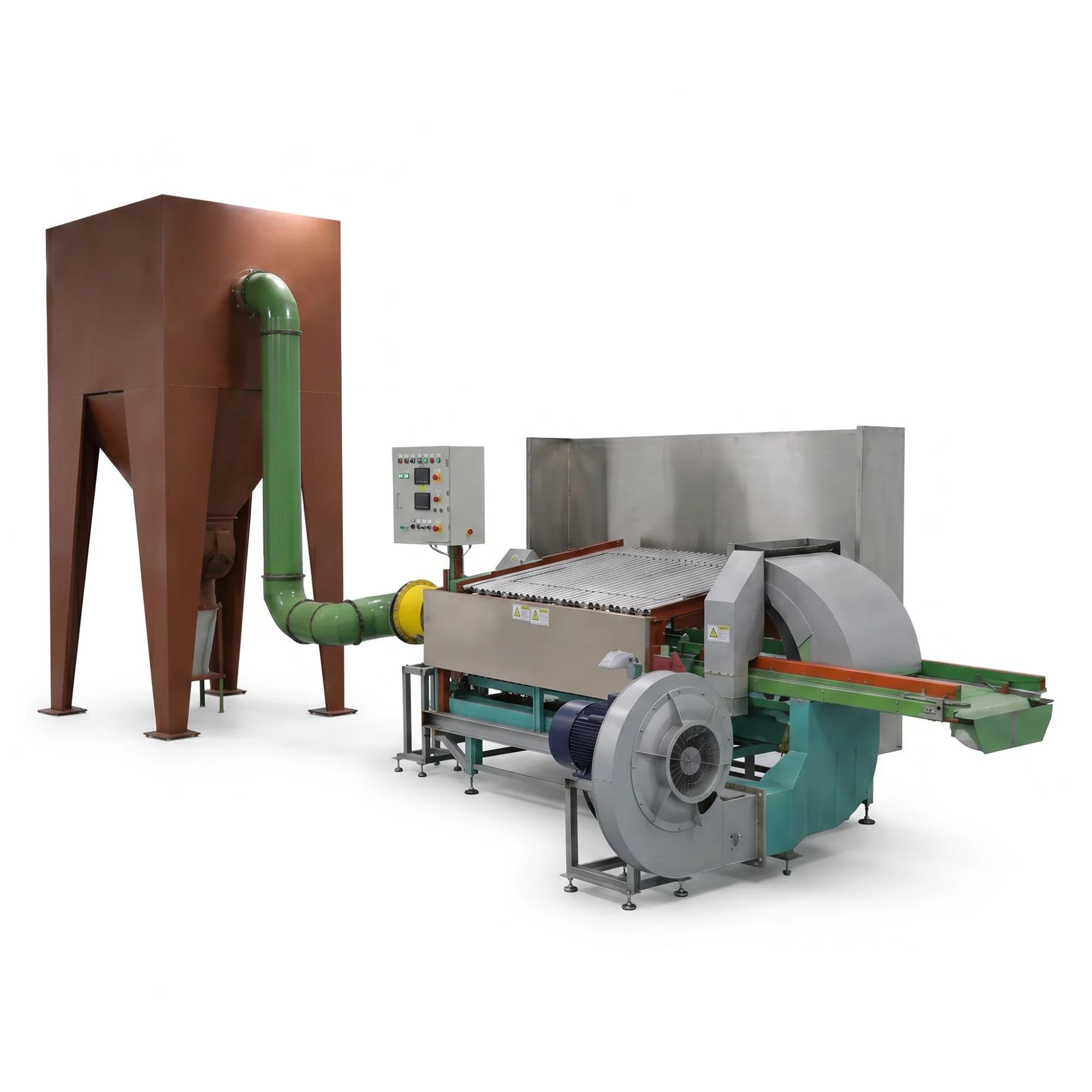
An automatic chick sorting machine should be evaluated by following the chick's route, not by watching a screen or counting a headline output. The buyer needs to know how identification, sorting logic, operator checks, transfer, exceptions, cleaning, and records fit together in an ordinary hatchery shift.
One route gives production, quality, engineering, and procurement a common story. It also shows where the machine ends and the customer's decisions begin.
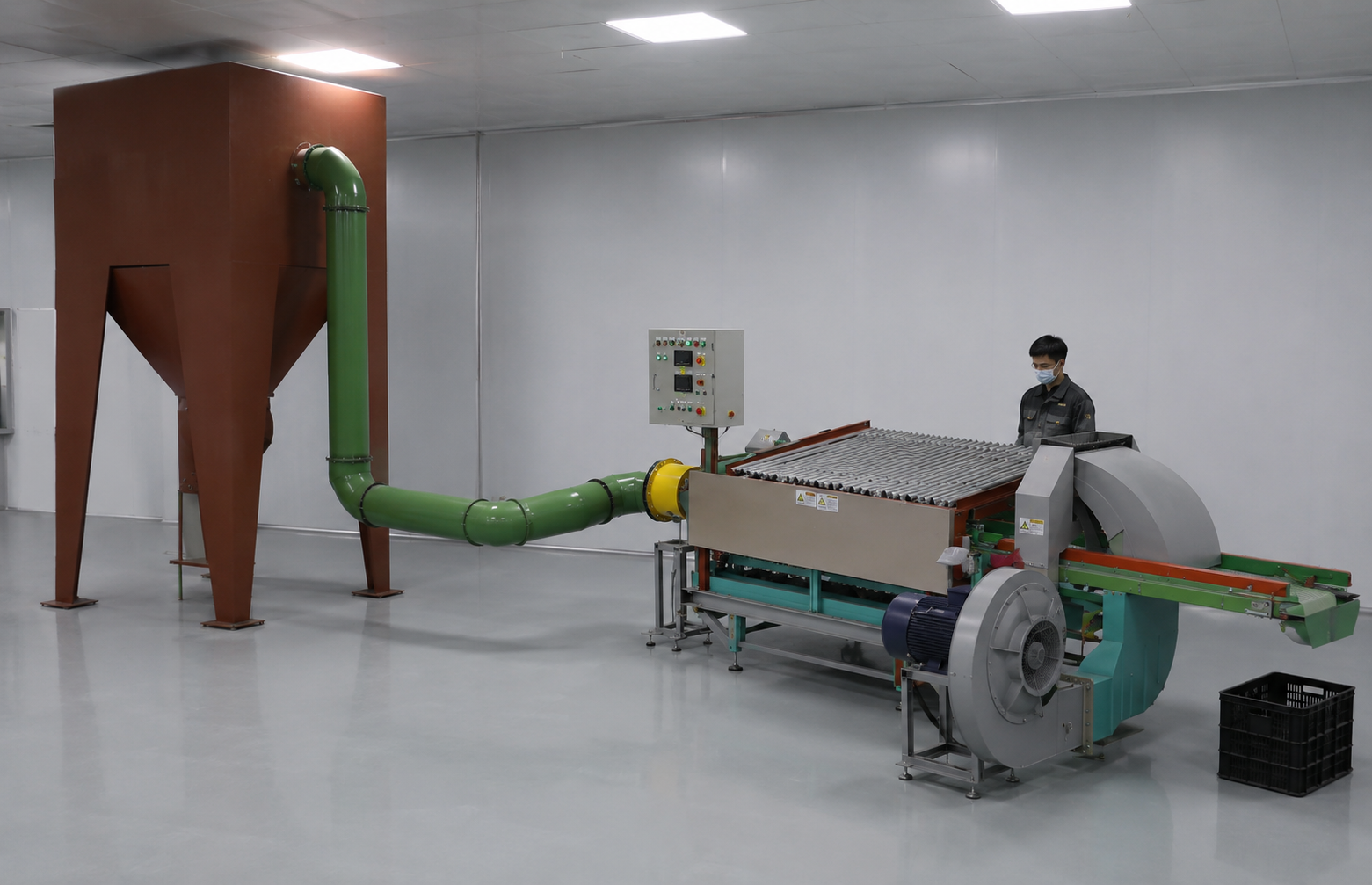
The Route Begins Before the Chick Reaches the Machine
Confirm what arrives at the station, how the batch is identified, what input condition is expected, and who releases the work. The automatic chick sorting machine can perform selected detection, handling, or routing functions, but the customer remains responsible for approved criteria and production decisions.
Jili Intelligent presents chick handling and transfer equipment through JuliSense products. The selected machine should be matched to the customer's poultry type, room, downstream flow, staffing, and records.
Define the acceptance criteria
Write the customer-approved sorting criteria, observation points, exceptions, and record ownership before a trial. Avoid turning a demonstration setting into an uncontrolled permanent rule.
Mark the operator's view
Show what the operator can see, touch, confirm, and record without leaving the normal position. Hidden work affects staffing and can change the practical value of automation.
Follow Identification Without Losing Batch Context
Sorting decisions are only useful when the customer can understand their context. Follow how batch identity is received, displayed, checked, recorded, and passed to the next process. Ask what happens when an input is unclear or a signal is unavailable.
Keep customer systems in scope
Confirm whether the machine receives identity from a customer system, creates a selected record, or relies on an operator check. The equipment should not be assumed to replace the hatchery's controlled batch process.
Test one controlled mismatch
Use an approved, safe tabletop or simulation scenario to examine how the station shows a mismatch, protects current work, communicates the issue, and waits for an authorized decision.
See the Decision Before You See the Transfer
The physical transfer is only one part of sorting. Ask where the decision is made, what signal confirms readiness, how the route is protected, and where an operator can intervene. The design should make the next state visible.
Observe the handoff to downstream equipment
If the route continues to vaccination, conveying, crating, or packing, identify the mechanical and control interface. A successful local transfer does not prove that the next process is ready to receive it.
Record buffering rules
Buffers need capacity, status, ownership, and release authority. Put those details in the interface register instead of relying on an operator's memory.
Measure Work, Not Only Output
An automatic chick sorting machine may reduce repeated manual handling while creating new tasks such as replenishment, verification, exception handling, cleaning, and data review. Observe the entire working cycle.
| Work moment | Buyer question |
|---|---|
| Preparation | Who confirms the batch and machine state? |
| Presentation | Can the operator maintain a stable flow? |
| Decision | What evidence supports the selected route? |
| Transfer | Is the downstream zone ready? |
| Exception | Who protects current work and escalates? |
| Cleaning | What access and inspection are required? |
| Handover | What does the next shift need to know? |
Include replenishment and breaks
Ask an operator to show a normal supply check and a return from a planned break. These moments reveal whether the line remains understandable outside a demonstration rhythm.
Plan a Safe Recovery Test
Do not invent unsafe faults. Agree a controlled pause that represents ordinary work: unavailable downstream equipment, a quality question, an inspection request, or a missing readiness confirmation.
For machinery risk assessment and risk reduction, ISO 12100 provides a general framework. Apply relevant requirements to the selected configuration and its interfaces.
Freeze the current state
Before reset or clearing, record chick position, machine status, people, route state, signals, and open work. Then identify who may inspect, who may reset, and who authorizes restart.
Separate reset from sorting approval
The person able to clear a control is not automatically the person who approves the customer process. Put both roles in the training and acceptance record.
Cleaning and Welfare Belong in the Review
Follow the station after a representative run. Identify removable components, contact or access areas, tools, inspection points, guarding, waste handling, and release checks. Review the welfare and sanitation boundaries with qualified customer owners.
The WOAH Terrestrial Code is an internationally recognized reference. The actual process must follow applicable destination requirements and customer-approved procedures.
Ask who releases the clean state
The next shift should see whether the station is ready, held, under maintenance, or waiting for an open item. Assign the person who can release that state.
Keep cleaning evidence retrievable
Link the access map, inspection record, training evidence, configuration reference, and open-item register. This makes post-installation support more practical.
Handover Should Be a Teach-Back
Training is complete when customer operators can explain normal work, decision boundaries, exceptions, cleaning, records, and support without continuous supplier prompting.
JuliSense provides project and after-sales discussions through its service page. The project agreement should define commissioning support, training scope, spare information, remote help, and any exclusions.
Give the route to a new reader
Ask someone who did not write the instructions to find the batch record, explain one normal transfer, identify one boundary, and locate the support route. Hesitation is evidence for improvement.
Close open questions visibly
An open item should show impact, owner, due date, temporary control, required proof, and authorized closer. Do not close a sorting question with a general email sentence.
Buyer Questions Before an Automatic Sorting Trial
What inputs must be representative?
Confirm batch identity, poultry type, expected variation, staffing, downstream readiness, and customer procedures before the trial.
Which decisions remain customer-controlled?
Define sorting criteria, welfare observations, batch release, quality holds, and production restart authority.
What should the quotation show?
Ask for machine scope, interfaces, controls, records, training, commissioning, recommended spares, customer work, and exclusions.
How can a project start with JuliSense?
Use the JuliSense contact page to share the room layout, expected flow, downstream equipment, batch information, and trial questions.
What a Buyer Should Bring to the Trial
Bring the room layout, expected batch variation, approved criteria, operator roles, downstream equipment information, records, cleaning expectations, and questions about exceptions. This lets the supplier demonstrate the selected scope against a real working context rather than a generic sample.
Let quality bring the hold question
Ask how a quality hold is shown, who protects current work, what record is created, and who releases the route. The automatic chick sorting machine should make that decision visible instead of leaving it to an informal conversation.
Let production bring the handoff question
Ask how the next station knows it is ready, how a buffer is owned, and what the operator sees during a planned pause. The automatic chick sorting machine is part of a route, not an isolated island.
Let maintenance bring the access question
Ask which components require inspection, what tools are needed, and how the clean state is released. These answers belong in the project record before acceptance.
A Sorting Machine Should Make the Next Decision Clearer
An automatic chick sorting machine is easier to buy responsibly when the customer can follow identification, decision, transfer, exception, cleaning, and handover evidence through one route. JuliSense can organize the equipment conversation around that route while the hatchery retains authority over its criteria and release decisions.