


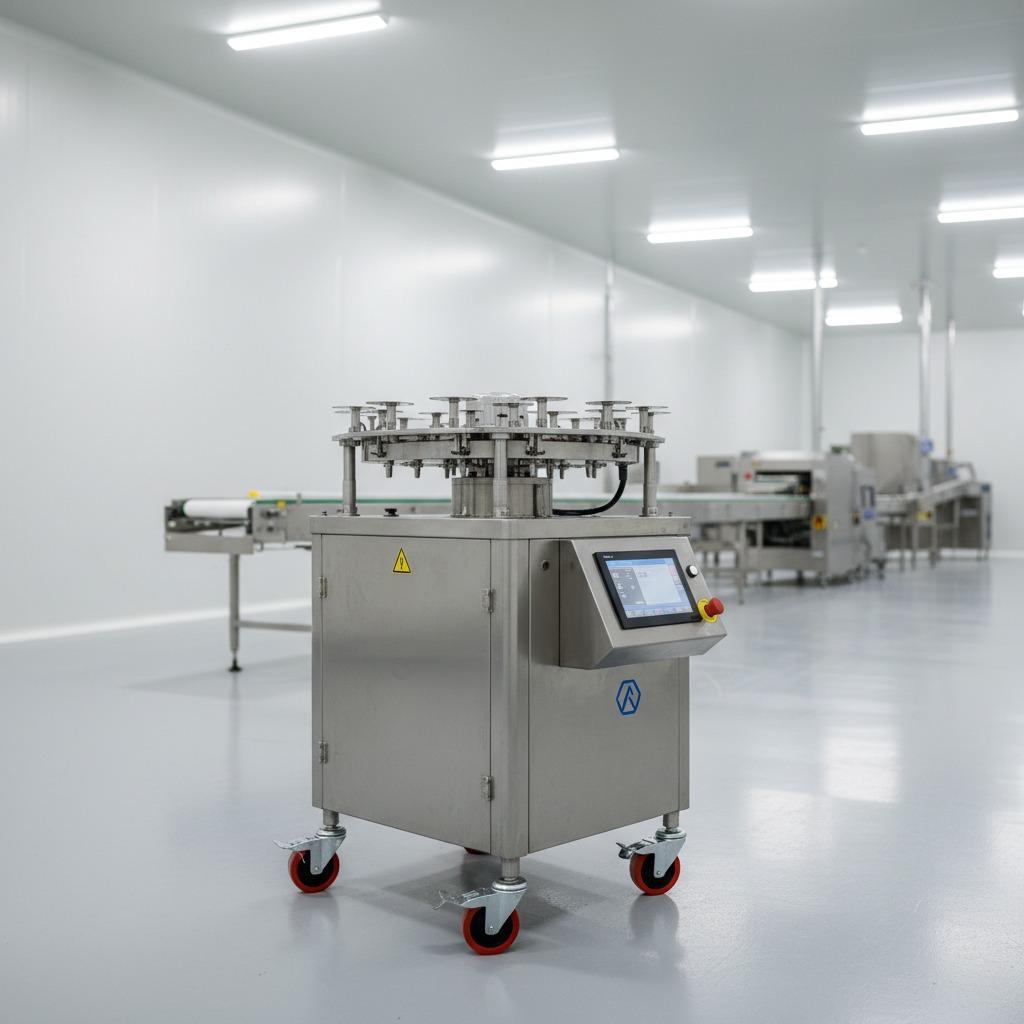
The value of automatic chick transfer equipment becomes clearer when buyers map operator motion before discussing speed. Follow one transfer cycle and record every lift, carry, reach, turn, wait, correction, check, and exception.
The goal is not to remove every touch. It is to remove repeated burden and unstable handoffs while keeping necessary observation and decisions visible.
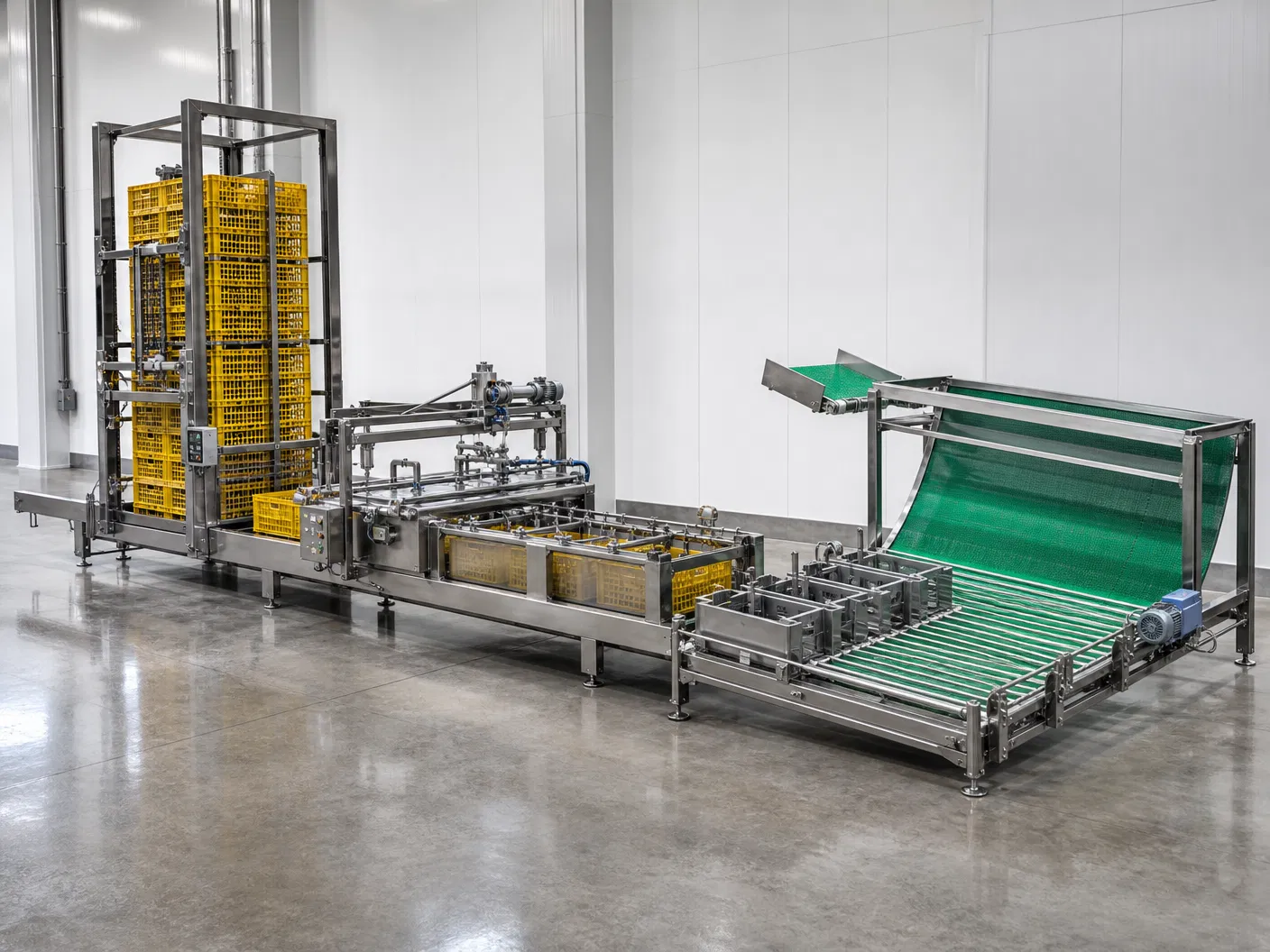
Draw the Current Route With Footsteps
Start where chicks and hatch baskets or containers enter the processing area. Follow the operator route to separation, transfer, the next approved operation, and removal of shells or empty materials where applicable.
Record distance, load, posture, frequency, waiting, and the reason for each correction. Observe a normal period, a peak arrival, and a short downstream pause.
The written procedure may show a direct route while operators use extra movements to protect flow. Those unofficial movements are important design evidence.
Separate Valuable Touches From Avoidable Touches
Some touches support observation, batch identity, technical review, or exception handling. Others exist because containers are poorly positioned, the next station is unavailable, or the layout requires carrying.
Score each touch by frequency, physical burden, variation, delay, and effect on chick handling. High-frequency carrying and repeated presentation are strong automation candidates. Technical release and uncertain exceptions need clear human ownership.
Jili Intelligent publishes a day-old chick picking and transfer machine. The offered configuration should be reviewed against the customer's real route, containers, batch pattern, room, and downstream process.
Draw the Future Route Before Choosing the Machine
Place the proposed equipment on the room drawing and repeat the motion map. Show operator positions, incoming and outgoing containers, rejected or damaged items, maintenance access, cleaning routes, utilities, and downstream accumulation.
When evaluating automatic chick transfer equipment, ask where manual work moves rather than assuming it disappears. Automation may remove lifting but create replenishment, clearing, inspection, or exception tasks elsewhere.
The future map should reduce crossings and carrying without blocking access to guards, panels, doors, or sanitation work.
Follow One Downstream Stop
Create a short condition in which the next station is not ready. Where do chicks or containers wait? What status appears? Which equipment stops first? What does the operator do? How does the route restart?
Avoid a design that requires operators to carry material around the transfer machine whenever the line pauses. Define approved accumulation and an exception route before installation.
If the project connects treatment, vaccination, conveying, or stacking, Jili's complete hatchery automation solutions can support an interface discussion. Each responsibility still needs to be stated in the project scope.
Test With the Real Team and Containers
Factory acceptance should use representative baskets, trays, boxes, or other project materials where practical. Include normal transfer, a peak pattern, a pause, an unsuitable container, cleaning access, alarms, and restart.
Ask the customer's operators to perform the cycle or review a continuous video from their perspective. Maintenance and sanitation teams should review access separately.
Measure the complete cycle, including preparation and recovery. A fast transfer moment does not prove a stable shift.
Compare Before-and-After Evidence
Use a simple table with rows for lifting, carrying distance, repeated reaching, corrections, waiting, operator crossings, exception handling, and restart. Record the current condition, proposed condition, remaining owner, and acceptance evidence.
This table helps management see the operational value without relying on a broad automation claim. It also reveals tasks that need layout or procedure changes rather than another machine.
After startup, repeat the motion map. Confirm that burden was removed instead of relocated.
Frequently Asked Questions
Does automatic transfer eliminate operators?
Not necessarily. It can reduce repeated handling and stabilize presentation, while people remain responsible for observation, exceptions, technical decisions, sanitation, and maintenance.
Which data should buyers provide?
Provide normal and peak batches, room drawing, current route, containers, staffing, downstream equipment, pauses, cleaning route, utilities, and known exceptions.
What should be included in acceptance?
Include real or representative containers, normal and peak flow, a downstream stop, an unsuitable container, alarms, restart, access, cleaning, documents, and operator training.
Improve the Work, Not Only the Transfer Rate
The best automatic chick transfer equipment project reduces repeated motion, clarifies exceptions, protects access, and creates a stable handoff to the next approved operation.
Send Jili Intelligent your current motion map, batch data, layout, containers, staffing, downstream process, and exception cases through the contact page. Ask for a before-and-after workflow with the equipment proposal.