


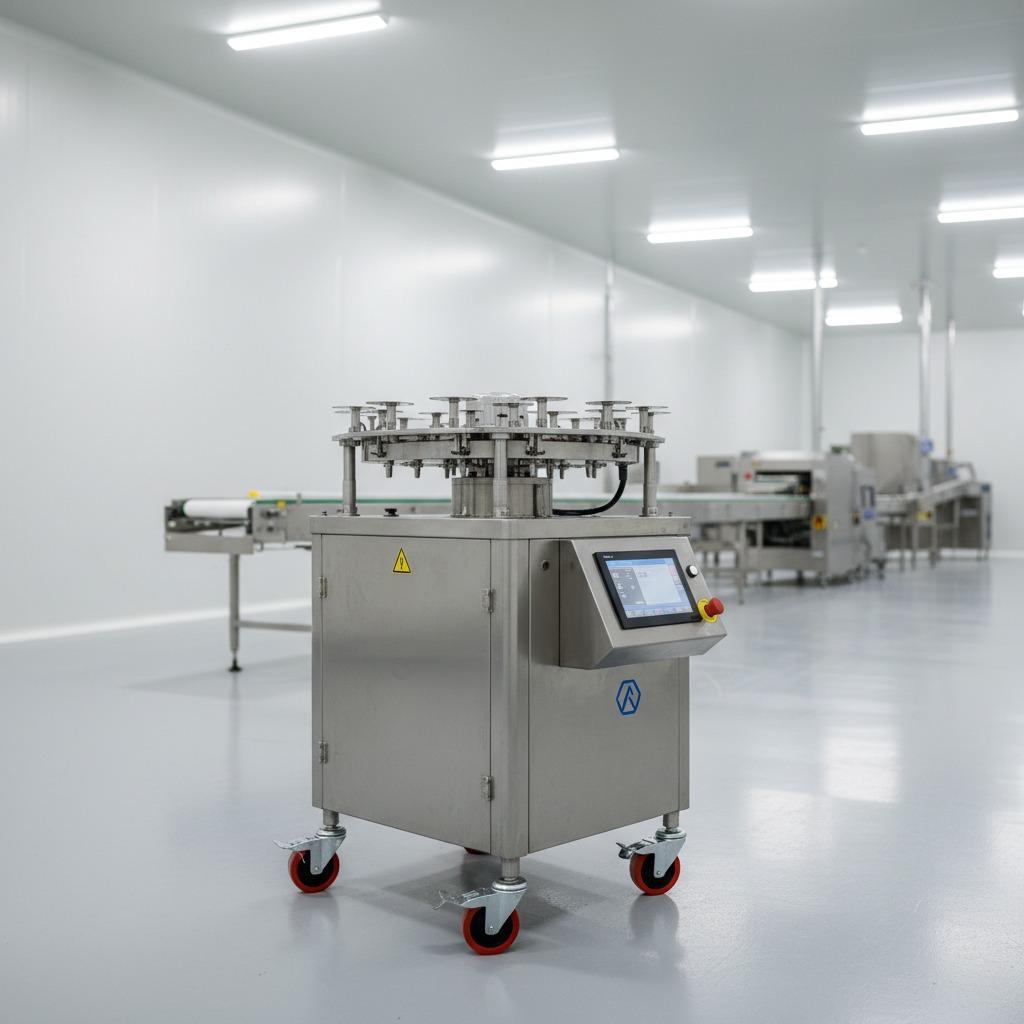
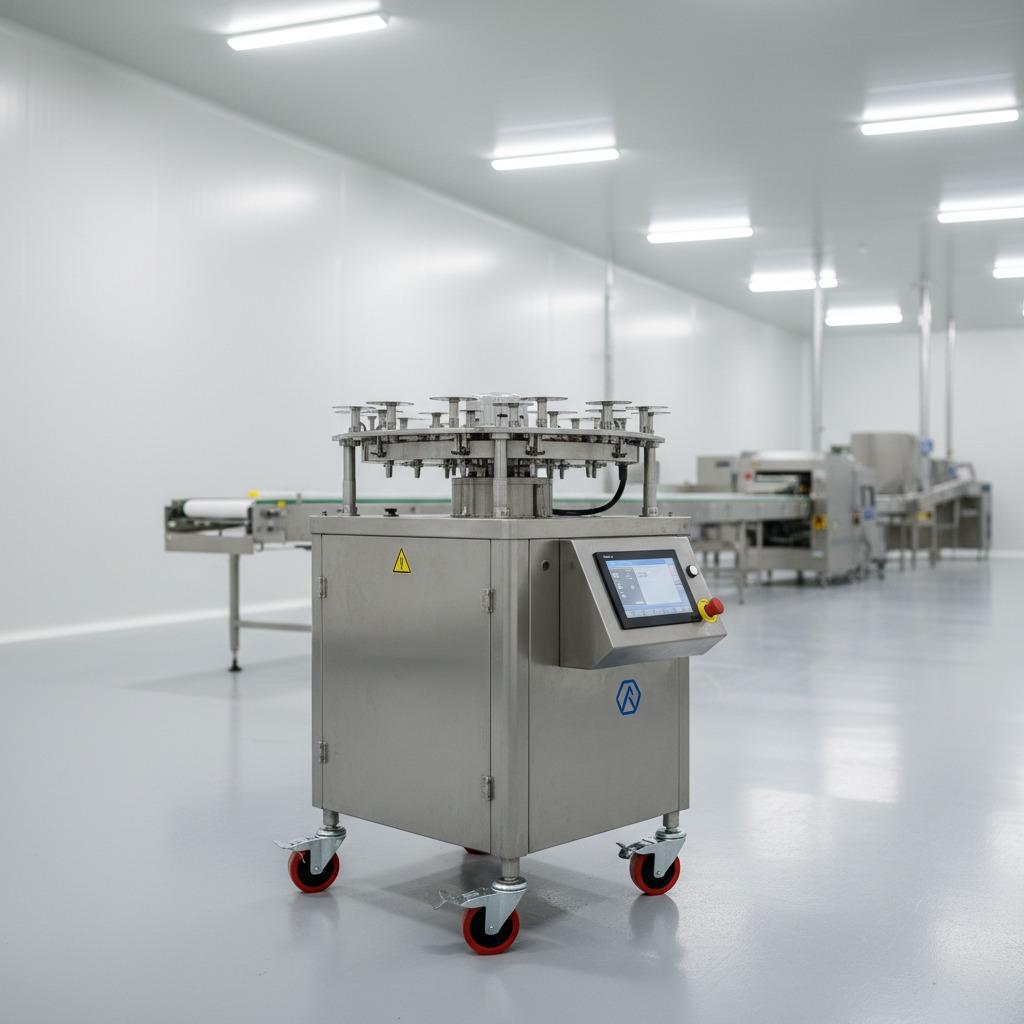
An automatic chick vaccinator is searched by hatchery buyers who need a repeatable injection process for day-old chicks. The core issue is not only machine speed. Buyers also need stable dose control, correct needle position, reliable air supply, clean tubing, and a startup routine operators can follow every day.
Jili injection equipment is used for neck subcutaneous injection of one-day-old chicks. The material lists an adjustable dose range of 0.05-0.3 ml, counting functions, air pressure checks, needle installation, tubing replacement, and dose calibration. The matching product page is the Jili Day-Old Chick Injection Vaccinator.
Why Dose Control Matters
Vaccination quality depends on more than the vaccine itself. If the dose is unstable, if air remains in the tubing, or if the needle guide is misaligned, the machine can produce leakage, missed injection, or poor injection effect. That is why buyers should evaluate both the equipment and the startup process.
Key Selection Criteria
- Confirm the required vaccine dose and whether 0.05-0.3 ml adjustment fits the process.
- Check air supply conditions and pressure stability around 0.45-0.5 MPa.
- Review needle, syringe, tubing, and consumable replacement routines.
- Ask how operators inspect the first 100 chicks after startup.
- Confirm counting by bottle, basket, and daily total if traceability matters.
Specification Snapshot
| Item | Reference from Jili material |
| Application | Day-old chick neck subcutaneous injection |
| Dose range | 0.05-0.3 ml adjustable |
| Capacity | About 3,200-3,800 chicks per hour for four-station equipment |
| Machine size | 659 mm x 600 mm x 995 mm |
| Power | About 0.2 kW |
| Startup checks | Air supply, needle position, tubing, dose calibration, counting reset |
Internal Link for Buyers
For the matching injection equipment, link buyers to the Jili Day-Old Chick Injection Vaccinator. If the same project also requires beak treatment, that should be covered by an integrated beak trimming and vaccination article.
Common Buying Mistakes to Avoid
A buyer searching for an automatic chick vaccinator is usually trying to reduce missed injections, unstable dose control, or labor pressure. The wrong approach is to ask only for machine speed. Injection quality depends on dose calibration, air pressure, tubing condition, needle guide position, operator training, and how early batches are inspected.
Buyers should also avoid mixing vaccination equipment with unrelated beak trimming or crate washing content. For this keyword, the useful SEO answer is about vaccination process control: how the chick is positioned, how dose is checked, how consumables are replaced, and how the hatchery team confirms injection effect during startup.
How to Turn the Search Into a Useful RFQ
Send vaccine dose, chick age, hourly volume, air supply condition, operator arrangement, and current vaccination problems. If leakage, missed injection, or inconsistent dose is already happening, describe that clearly so Jili can focus the recommendation on quality control rather than only capacity.
For buyer research, this guide also covers the commercial questions behind the keyword: how to compare injection quality, what information improves an RFQ, and why startup control matters as much as machine capacity when buyers evaluate an automatic chick vaccinator.
Decision Points Before Final Selection
For automatic chick vaccinator, the final decision should focus on injection quality during real production. Buyers should compare dose repeatability, needle guide position, tubing replacement, bubble removal, early-batch inspection, and operator training. These points matter because a vaccination station is judged by stable results, not only by the number of chicks processed per hour.
FAQ
What does an automatic chick vaccinator do?
It supports repeatable vaccination of day-old chicks, usually through controlled neck subcutaneous injection.
What dose range is listed for Jili equipment?
The Jili material lists 0.05-0.3 ml adjustable dose.
What should operators check before production?
They should check air pressure, needle installation, tubing bubbles, dose calibration, and counting reset.
What problems can appear if startup is rushed?
Missed injection, leakage, bleeding, poor dose stability, or incorrect needle position may occur.
Which product page should this guide link to?
Use the Jili Day-Old Chick Injection Vaccinator product page.