


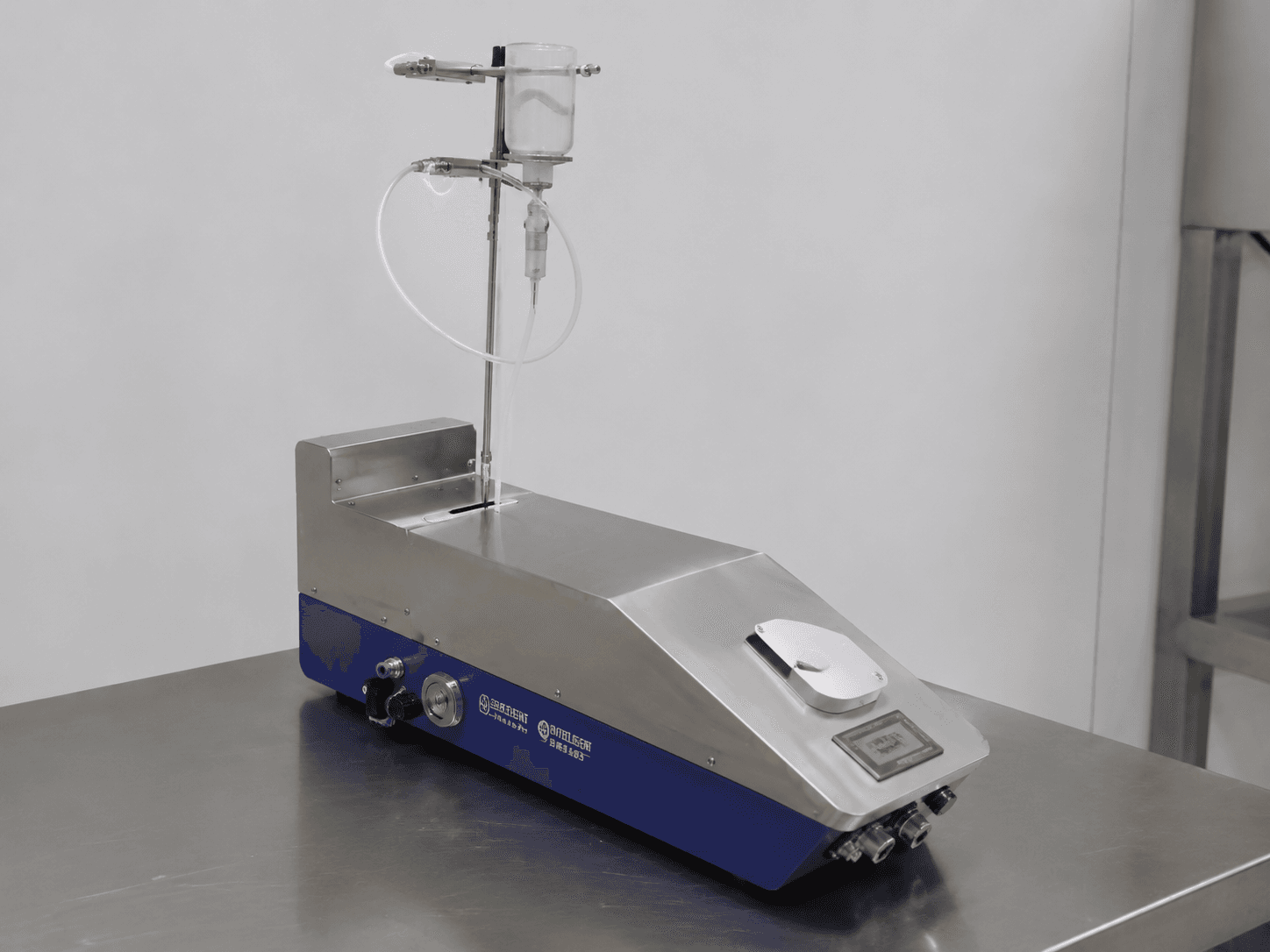
An automatic poultry vaccinator can look highly consistent during a short demonstration. A purchase decision needs a wider view. The same equipment must support a normal production day, a peak hatch day, and a day with batch or procedure changeovers.
Each day exposes different requirements. Together, they show whether the station fits the hatchery's approved program and daily operating reality.
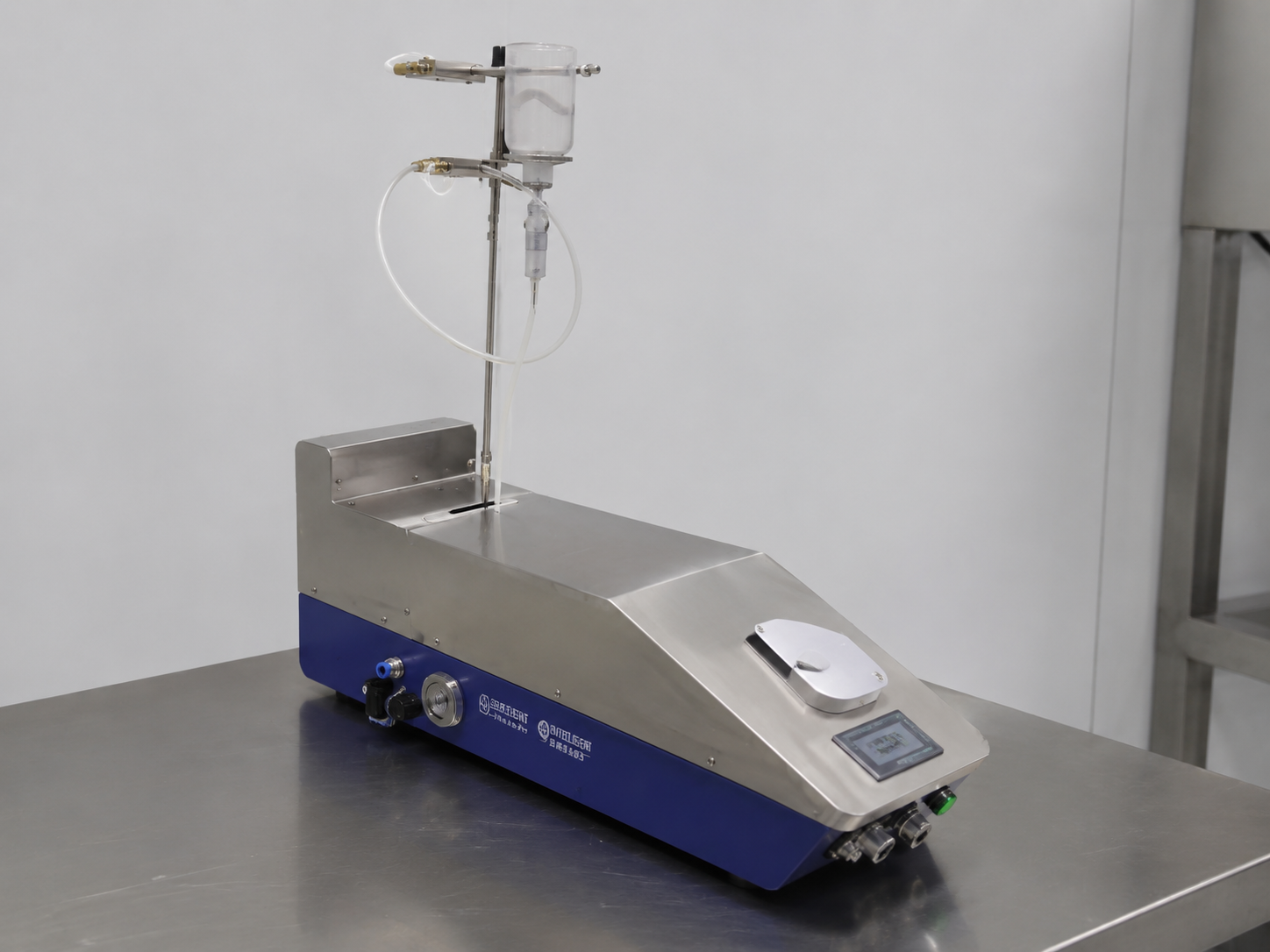
Day One: Normal Production Should Feel Predictable
On a normal day, the buyer should observe the full routine rather than focus only on the injection moment. Preparation arrives at the workstation, the operator confirms the setup, chicks are presented, supplies are replenished, records are completed, and the station is cleaned and released.
Jili Intelligent publishes a day-old chick injection vaccinator. The hatchery's responsible veterinary team defines the approved program, method, verification, and release criteria. The equipment proposal should explain how the offered configuration supports that approved job.
The normal-day review should answer simple questions. Can the operator see machine status without turning away? Are supplies within a practical reach? Can routine replenishment occur without confusion? Does downstream handling remove chicks at a stable rhythm?
If the normal routine depends on an experienced operator remembering unofficial workarounds, the process is not yet ready for consistent handover.
Day Two: Peak Arrivals Test the Whole Line
Peak day is not a faster version of normal day. Chicks may reach the station in waves, upstream space may fill, and downstream boxes may not leave at the same rate. The equipment's rated output matters, but so do presentation, staffing, accumulation, and recovery.
Measure arrivals in short intervals. Compare the busiest interval with the approved presentation rate and the rate at which vaccinated chicks can leave. Identify where the queue forms first and how long the line can continue when another stage pauses.
During the peak-day test, deliberately create a short downstream delay. Observe machine status, operator communication, chick routing, batch identity, and restart. A capable station should stop in an understandable condition and recover without improvised handling.
For an automatic poultry vaccinator, the peak test should include realistic supplies and staffing. A smooth run with extra demonstrators does not prove that the normal hatchery team can sustain the process.
Day Three: Changeover Exposes Hidden Work
Changeover day may involve a new batch, approved configuration, supply lot, operator team, or connected-line requirement. The exact procedure follows the hatchery's technical and veterinary controls, but the equipment should make the required change visible and manageable.
Follow the change from the last chick of the previous batch to the first approved chick of the next one. Which items are removed? Which settings are checked? How is the new batch identified? Who verifies readiness? What happens to material remaining at the workstation?
Time the complete changeover, including records and cleaning steps, rather than only the mechanical adjustment. A fast machine can still reduce daily output if each change requires a long or uncertain transition.
Preparation Equipment Belongs in the Same Daily Story
Where warming or mixing is part of the approved workflow, preparation equipment should be mapped with the vaccination station. Jili publishes an automatic vaccine water bath mixer and warmer.
The project should define containers, utilities, timing, identification, records, cleaning, and the handoff to the application point. Equipment proximity alone does not create a controlled process.
For spray programs, Jili also publishes a day-old chick spray vaccinator. Injection and spray are different approved jobs and should not be compared as interchangeable models.
Records Should Explain the Difference Between the Days
The hatchery should be able to compare normal, peak, and changeover performance using a small number of meaningful records. Track batch start and finish, planned interruptions, unplanned stops, restart time, changeover duration, operator observations, and the location of any queue.
These records help identify whether the constraint belongs to the vaccinator, preparation, chick presentation, downstream handling, training, or the room layout. They also give the supplier specific evidence for technical support.
Avoid collecting data that no one reviews. Start with the decisions the team needs to make after each production day.
Acceptance Must Include More Than Normal Running
Factory acceptance can verify the offered configuration, controls, alarms, sequence, documents, and agreed operating scenarios. Site acceptance should use the real room, utilities, operators, representative supplies, containers, and surrounding equipment.
Include one normal run, one peak-arrival simulation, one planned pause, one downstream-not-ready condition, and one representative changeover. Define the supplier's equipment responsibility separately from the hatchery's veterinary validation and production release.
Where Jili Intelligent Fits
Jili Intelligent supplies day-old chick injection and spray vaccination equipment, preparation support, combined infrared treatment and vaccination stations, and connected hatchery automation.
This range allows buyers to review the vaccination point and its surrounding handoffs together. The project still needs a precise application, configuration, operating assumptions, validation boundary, and acceptance plan.
Frequently Asked Questions
Which production day is most important for equipment selection?
All three matter. Normal day tests routine usability, peak day tests line balance and recovery, and changeover day tests control, cleaning, records, and readiness.
Does automatic vaccination remove veterinary responsibility?
No. The responsible veterinary team defines and approves the program, procedure, validation, verification, and release requirements.
What data should be sent to a supplier?
Provide application requirements, normal and peak arrivals, operating window, staffing, preparation flow, room layout, connected equipment, changeover pattern, cleaning process, and destination.
Choose Equipment That Handles All Three Days
The right automatic poultry vaccinator should support predictable routine work, controlled peak-day stops, and clear changeovers. Comparing these three days gives the buyer a more reliable decision than a single continuous demonstration.
Send Jili Intelligent your approved application requirements, batch data, workflow, layout, staffing, changeovers, and support expectations through the contact page. Ask for an acceptance plan that includes all three production days.