


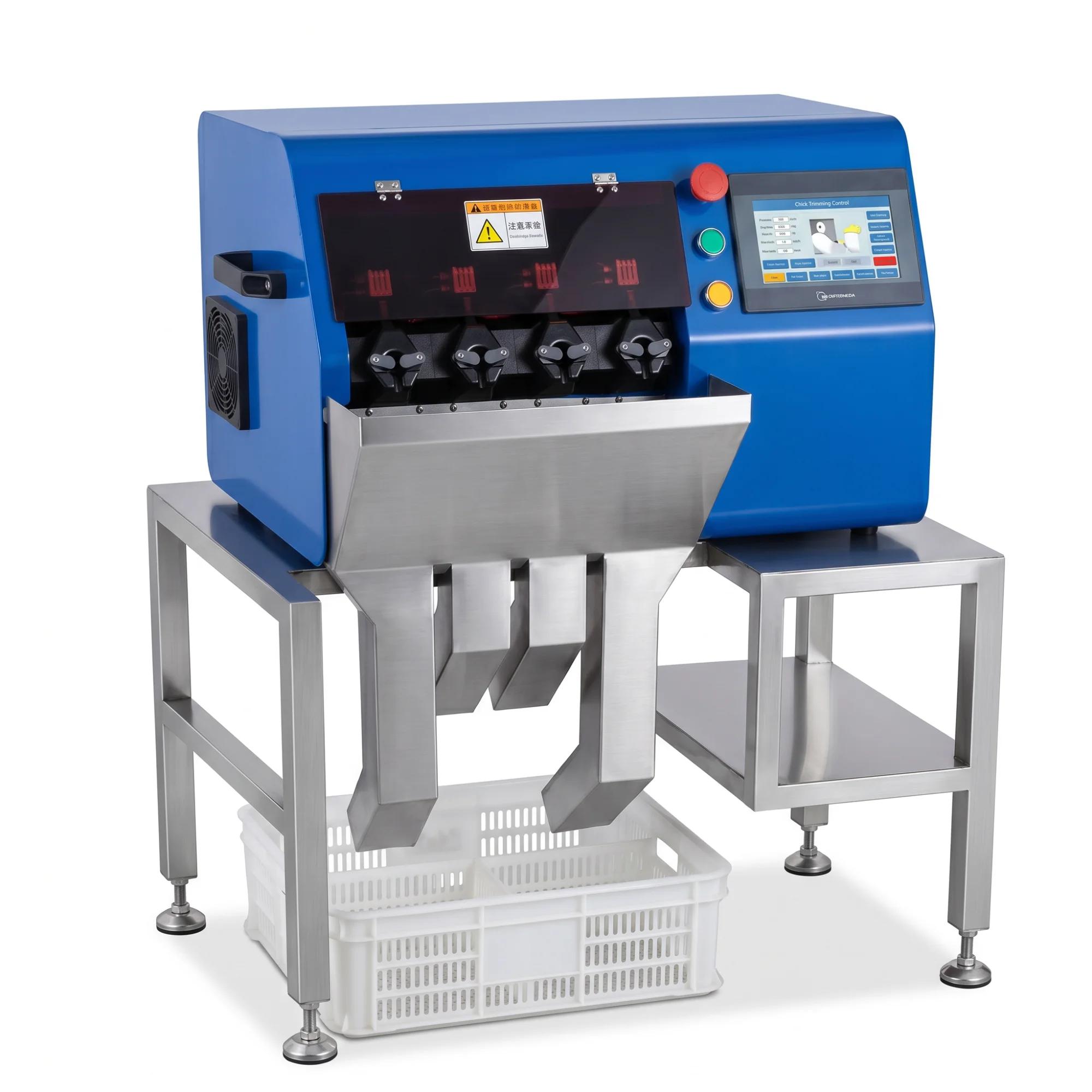
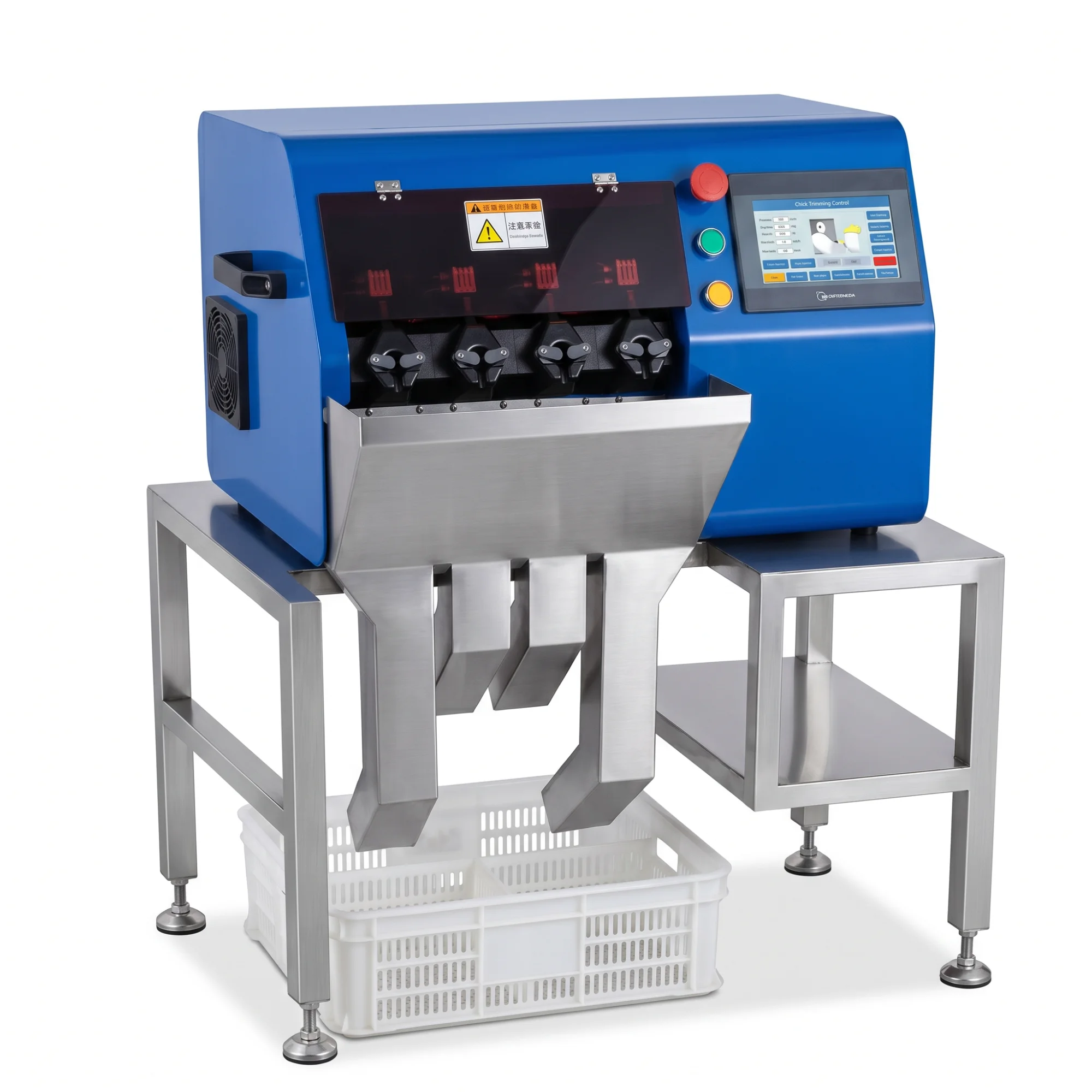
Beak trimming equipment for chicks is usually searched by hatchery teams that want a more consistent way to handle day-old chick beak treatment. The buying decision should answer a practical question: which machine fits the chick type, hourly volume, operator skill, and daily inspection process?
Jili's single infrared unit is designed for one-day-old yellow-feather chicks, layers, and ducklings. It uses infrared treatment with a visual setting window, automatic counting, automatic dust blowing, and alarm functions. Buyers comparing a dedicated beak treatment station can review the Jili Day-Old Chick Infrared Beak Trimming Machine.
Search Intent: What Buyers Want to Know
Most buyers are not looking for a general definition. They want to know whether infrared beak trimming is suitable for their chick flow, what capacity to plan around, what operators need to check, and how the machine fits with later vaccination or conveying equipment.
Key Selection Criteria
- Confirm the poultry type and age before discussing a model.
- Use 3,200-3,800 chicks per hour as a reference capacity for planning.
- Check whether one operator can manage the station after training.
- Ask how treatment depth is set and inspected in the first batches.
- Review dust blowing, alarm handling, cleaning access, and consumables.
Specification Snapshot
| Item | Reference from Jili material |
| Applicable use | Day-old chick infrared beak treatment |
| Chick types | Yellow-feather chicks, layers, and ducklings |
| Capacity | About 3,200-3,800 chicks per hour |
| Operators | 1 operator |
| Power | About 500 W |
| Control features | Visual setting, automatic counting, dust blowing, alarms |
When to Choose a Different Product
If the hatchery also needs vaccination in the same handling station, compare the Jili infrared beak trimming and vaccination machine instead. If the project only needs beak treatment, a dedicated infrared beak trimming unit keeps the equipment scope clearer and easier to quote.
Common Buying Mistakes to Avoid
Buyers sometimes search for beak trimming equipment for chicks and then receive quotations for equipment that is too broad for the job. If the hatchery only needs infrared beak treatment, the buying conversation should stay focused on chick positioning, treatment depth control, counting, dust removal, alarms, cleaning, and operator training.
Another mistake is comparing machines only by appearance. A useful comparison should ask how operators set the treatment window, how early batches are checked, whether the machine suits the chick type, and how the station can connect to the rest of the hatchery workflow. These points are more likely to influence long-term satisfaction than a short model description.
How to Turn the Search Into a Useful RFQ
When sending an inquiry, include chick species, target capacity, shift schedule, current handling process, room layout, and whether vaccination will remain separate. This helps Jili recommend the correct infrared unit and prevents confusion with integrated vaccination equipment.
FAQ
What is the main benefit of infrared beak trimming equipment?
It gives hatcheries a controlled station for day-old chick beak treatment with clearer settings and inspection points.
What capacity should buyers plan around?
Jili material references about 3,200-3,800 chicks per hour for the single infrared unit.
What should be included in an RFQ?
Include chick type, hourly volume, room layout, power condition, operator plan, and preferred inspection process.
Can this machine handle vaccination?
No. The content focuses on dedicated beak treatment. For treatment plus vaccination, review the integrated unit.
Which internal product page should be linked?
Use the Jili infrared beak trimming machine product page.