


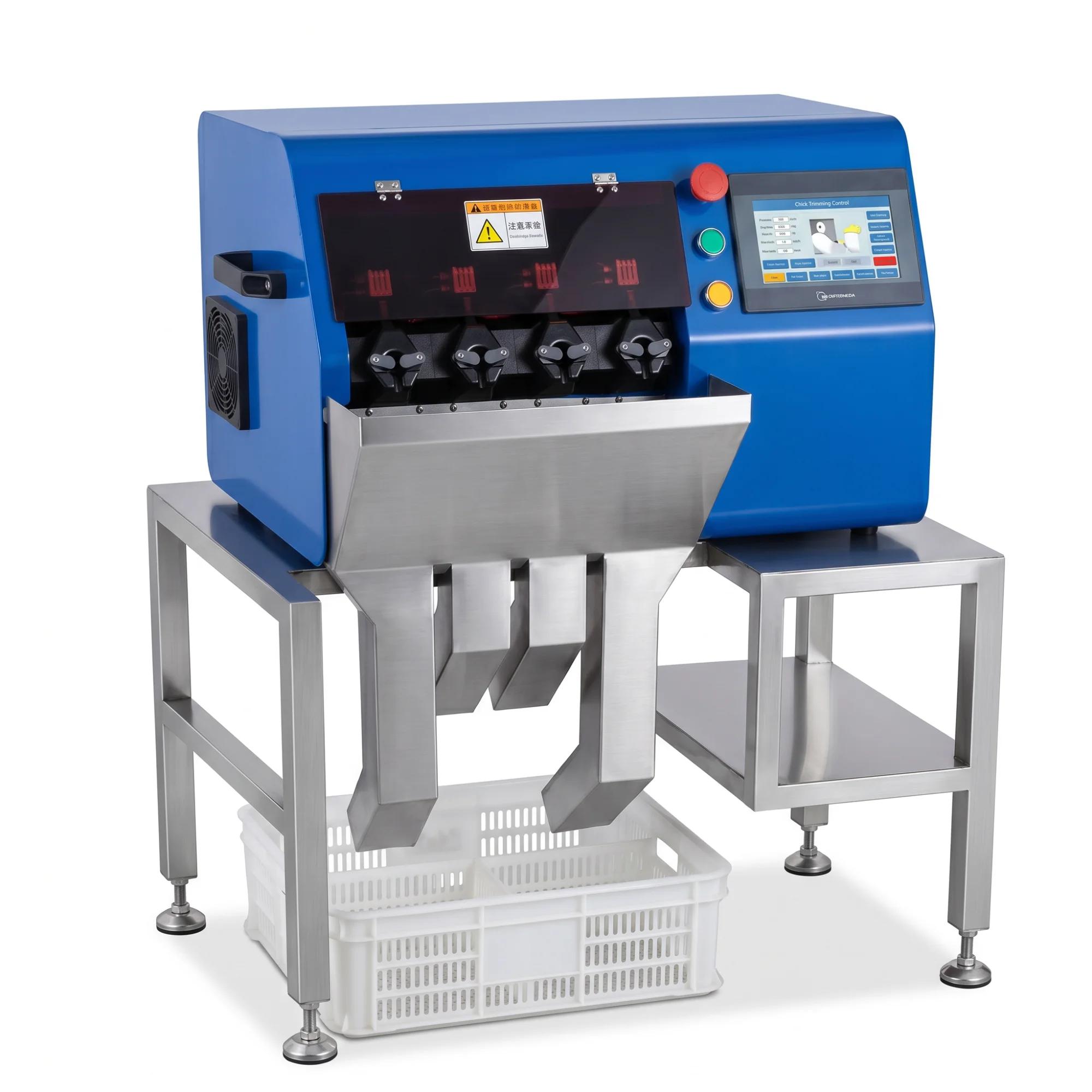
The first video call often goes well. The machine looks clean, the salesperson knows the brochure, and the quotation arrives quickly. The harder question comes later: is the company behind the offer able to build, test, document, and support the equipment after it reaches a working hatchery?
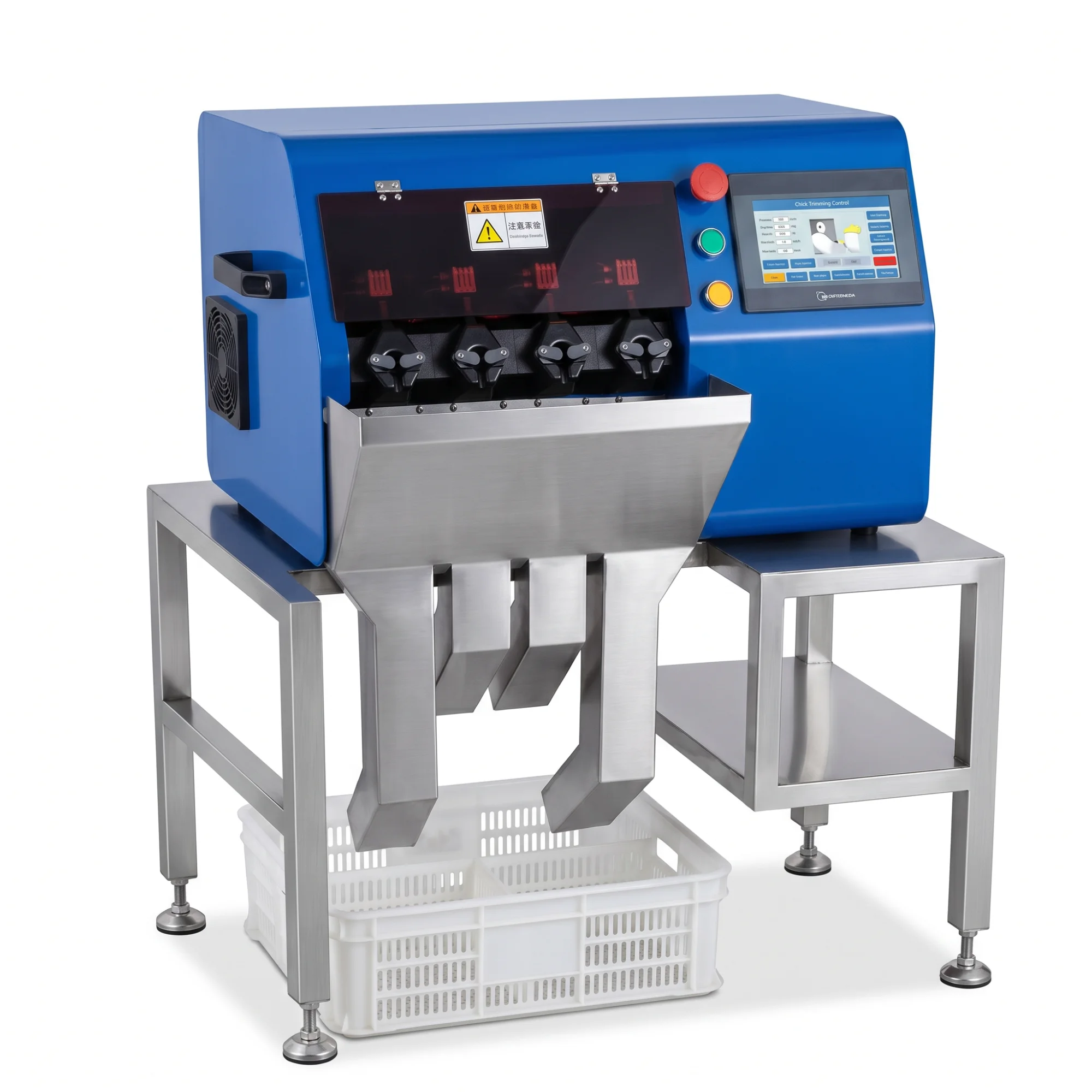
A credible beak trimming machine manufacturer should be evaluated on evidence, not on the number of factory photos in a presentation. Buyers need to see how the proposed machine matches their chick program, how the unit is tested before shipment, which settings and parts are controlled, and who will respond when production is waiting for an answer.
This guide focuses on that supplier decision. It does not set animal-care procedures or operating parameters. Those belong to the hatchery's approved program, veterinary guidance, trained personnel, and applicable requirements.
Start With the Machine You Are Actually Buying
The phrase "beak trimming machine" can refer to very different project scopes. One quotation may cover a standalone infrared unit. Another may include vaccination, counting, conveyors, crate handling, installation, and operator training. A third may show a complete line in the brochure while pricing only the core station.
Before comparing manufacturers, write a one-page equipment boundary:
- Chick type and age handled by the station.
- Normal and peak hatch-day volume.
- Standalone or integrated arrangement.
- Number of operator positions required.
- Upstream presentation and downstream crate flow.
- Controls, language, alarms, and records expected.
- Cleaning access and sanitation constraints.
- Installation country, utilities, and available floor space.
- Training, commissioning, spares, and support required.
Send the same boundary to every bidder. Otherwise, a lower quotation may simply contain less equipment and fewer services.
JuliSense, the hatchery automation brand on this site, publishes a dedicated day-old chick infrared beak trimming machine. Buyers should still confirm the exact offered configuration, interfaces, included accessories, and acceptance conditions in the commercial proposal.
Manufacturer, Integrator, or Trading Company?
The label on the website does not tell you how the project is delivered. Some companies manufacture the core machine and integrate purchased conveyors or controls. Some coordinate equipment from several factories. Others build complete systems in-house.
None of these structures is automatically unacceptable. What matters is responsibility. Ask who owns each part of the project when something does not fit or perform as agreed.
| Question | Why it matters | Evidence to request |
|---|---|---|
| Who designs the core station? | Shows where product knowledge sits | Engineering contact and controlled drawings |
| Who builds the electrical panel and software? | Affects troubleshooting and future changes | Panel layout, component list, software backup policy |
| Who supplies conveyors and guards? | Defines interface responsibility | Layout drawing and interface list |
| Who performs the final factory test? | Prevents split accountability | FAT plan with named responsible party |
| Who supports the machine after shipment? | Determines response path | Service workflow, contacts, time-zone coverage |
| Which parts are proprietary? | Affects spare-parts risk | Recommended spares and lead-time list |
A useful answer is specific. "We provide full support" is not a service plan.
Ask to See the Production Process, Not Just the Finished Machine
Factory photos are easy to collect. Process evidence is more revealing. During a live video review or visit, ask the supplier to walk through an actual unit from incoming components to final packing.
Look for controlled drawings, part identification, organized electrical assembly, inspection records, and a clear method for managing changes. If the machine shown is not the same model as your quotation, ask what differs.
The goal is not to conduct a full quality-system audit in one afternoon. It is to learn whether the company can answer practical questions without moving the conversation back to sales language.
Useful prompts include:
- How is a build linked to its drawing revision?
- What is checked when fabricated parts arrive?
- Which settings are loaded before the factory test?
- How are electrical components identified for service?
- What happens if a customer requests a change after drawing approval?
- Which records are shipped with the machine?
Reviewing the supplier's published quality-control process is a starting point. The purchase contract should identify the records and checks that apply to your unit.
A Factory Acceptance Test Should Resemble Real Work
A machine that powers on has not completed a meaningful factory acceptance test. The FAT should cover the functions and failure conditions important to the buyer's project.
For a standalone machine, this may include startup, operator controls, setting access, alarms, emergency stops, routine changeover, cleaning access, and restart. For an integrated system, the test also needs to cover signals, infeed and outfeed behavior, upstream pauses, downstream blockage, and recovery after a stop.
Agree on the test before the machine is ready to ship. Late FAT discussions tend to produce a demonstration of whatever is easiest to show.
Define the test inputs
The buyer and manufacturer should agree on representative trays, crates, accessories, and non-biological test materials. Where live operation cannot or should not be reproduced at the factory, use a dry workflow test and clearly state its limits.
Define pass and fail
Avoid phrases such as "runs normally." Each critical item needs an observable result. Examples include whether a guard prevents operation when open, whether an alarm identifies a specific condition, or whether the line stops in the agreed sequence.
Record open items
Not every issue requires a failed project. Use a punch list with an owner, correction method, due date, and evidence required for closure. Shipping approval should refer to that list.
Documentation Is Part of the Machine
Production teams usually discover weak documentation during the first fault, not during procurement. A polished sales brochure cannot replace the files needed by operators and maintenance staff.
Ask for a document index before ordering. Depending on the project, it may include:
- Approved general arrangement drawing.
- Utility and connection requirements.
- Electrical drawings and component schedule.
- Operator and maintenance instructions.
- Cleaning and routine inspection guidance.
- Alarm list and troubleshooting sequence.
- Recommended spare-parts list.
- FAT record and outstanding-item log.
- Packing list and lifting information.
- Software backup or recovery procedure where applicable.
Check the language, units, model references, and revision numbers. Documentation copied from another machine can create more confusion than no document at all.
Judge the Manufacturer by the Questions It Asks You
An experienced supplier should need more than a target price. The quality of its questions often reveals how it approaches engineering risk.
A manufacturer preparing a serious offer may ask about chick flow, operator positions, hatch-day peaks, crate dimensions, utilities, sanitation, room access, line interfaces, local electrical requirements, and the people responsible for installation.
Be cautious when a complex quotation appears before the supplier has requested a layout or operating information. Fast is useful only when the scope is clear.
The existing JuliSense guide on JuliSense.com covering infrared beak trimming machine buying criteria can help a project team organize the technical side of that discussion. The RFQ guide covers the information needed for a comparable quotation.
Service Capability Has to Survive Distance
International buyers should test the support route before placing an order. Ask a realistic service question during supplier evaluation and observe how the company handles it.
For example: if an alarm appears during the first production week, what information should the hatchery send, who reviews it, and how is the next action communicated?
A practical remote-support process may use photos, short videos, alarm records, electrical readings, and a scheduled call with an engineer. The supplier should also explain which checks the local team may perform safely and which work requires qualified personnel.
Spare-parts planning belongs in the same conversation. Separate routine consumables, recommended commissioning spares, critical operating spares, and long-lead components. Ask which parts can be sourced locally without changing the agreed machine specification.
Five Red Flags During Supplier Evaluation
1. The quotation has no project boundary
The offer lists a model and a price but does not identify interfaces, exclusions, installation work, or acceptance conditions.
2. Every answer returns to maximum capacity
Output matters, but reliable production also depends on chick presentation, operator rhythm, replenishment, cleaning, and downstream flow. A supplier that ignores these factors is not evaluating the full station.
3. The factory test is described after the deposit
Acceptance should be discussed before commercial commitment, while both sides can still align expectations.
4. Support depends on one unnamed technician
Ask for the normal escalation path, available communication channels, and the records retained for each machine.
5. Product claims cannot be connected to a document
If a feature, material, output, or service commitment matters to the decision, place it in the quotation, drawing, specification, or contract.
Questions to Put in the RFQ
The following questions help turn a supplier discussion into a project comparison:
- Which company designs and manufactures the offered machine?
- What is included in the quoted configuration?
- Which upstream and downstream interfaces are included?
- What buyer information is required before drawing approval?
- What factory tests are standard, and what can be added for this project?
- Which documents will be supplied and in what language?
- What installation and commissioning work is included?
- What training is provided for operators and maintenance staff?
- Which consumables and spare parts are recommended for the first operating period?
- How does remote troubleshooting work after delivery?
- What is excluded from the quotation?
- What evidence closes the project before shipment and after commissioning?
Frequently Asked Questions
Should buyers always visit the factory?
Not always. A live video audit, document review, reference checks, and a witnessed FAT can provide useful evidence when travel is impractical. Higher-risk or highly integrated projects may justify an in-person visit.
Is the lowest machine price a warning sign?
Not by itself. The important comparison is matched scope. Check configuration, interfaces, testing, packing, freight, installation, training, spares, warranty terms, and support before judging the price.
What should a manufacturer show during a video audit?
Ask to see current production, assembly, electrical work, inspection records, testing areas, spare-parts organization, and the specific model or a closely related machine. A continuous live walkthrough is more informative than a collection of edited clips.
How can a buyer verify after-sales support?
Request the support workflow, escalation contacts, typical information needed for diagnosis, spare-parts process, and training scope. Test the communication process with a realistic technical question before ordering.
Does JuliSense offer only a standalone machine?
JuliSense presents both standalone equipment and broader hatchery automation solutions. Buyers should send their required process boundary and layout so the offered scope can be confirmed.
How JuliSense Fits the Manufacturer Shortlist
JuliSense's published range is centered on infrared beak treatment and the equipment that surrounds day-old chick processing. Alongside the standalone infrared machine, JuliSense.com shows combined beak trimming and vaccination equipment, chick transfer, injection vaccination, conveying and stacking, and complete hatchery automation solutions. That range gives a buyer one manufacturer to question about both the core station and its line interfaces. It does not replace project verification: the offered model, factory test, documents, services, and exclusions still need to appear in the quotation.
Choose Evidence Over Presentation
The right beak trimming machine manufacturer is not simply the company with the most polished catalogue. It is the one that can connect the hatchery's requirements to an exact configuration, controlled drawings, a useful factory test, practical documentation, and a support route that still works after export packing is opened.
Send JuliSense your layout, hatch-day volume, desired equipment boundary, installation country, utilities, and support expectations through the contact page. Ask for the machine configuration, interfaces, FAT scope, documentation, spares, training, and exclusions to be shown separately.
Reference Points
- WOAH Terrestrial Animal Health Code provides international animal-health and welfare reference material.
- OSHA Machine Guarding provides general workplace machine-safety information. Local requirements at the installation site still apply.
A Clearer Project Decision
A shortlist is stronger when a beak trimming machine manufacturer names the exact configuration. Another beak trimming machine manufacturer should show factory-test records. Compare each beak trimming machine manufacturer on interfaces, documents, spares, and support. Ask the beak trimming machine manufacturer to mark open assumptions. Before appointing a beak trimming machine manufacturer, review the handover route. Keep the final beak trimming machine manufacturer responsible for a clearly documented scope.