


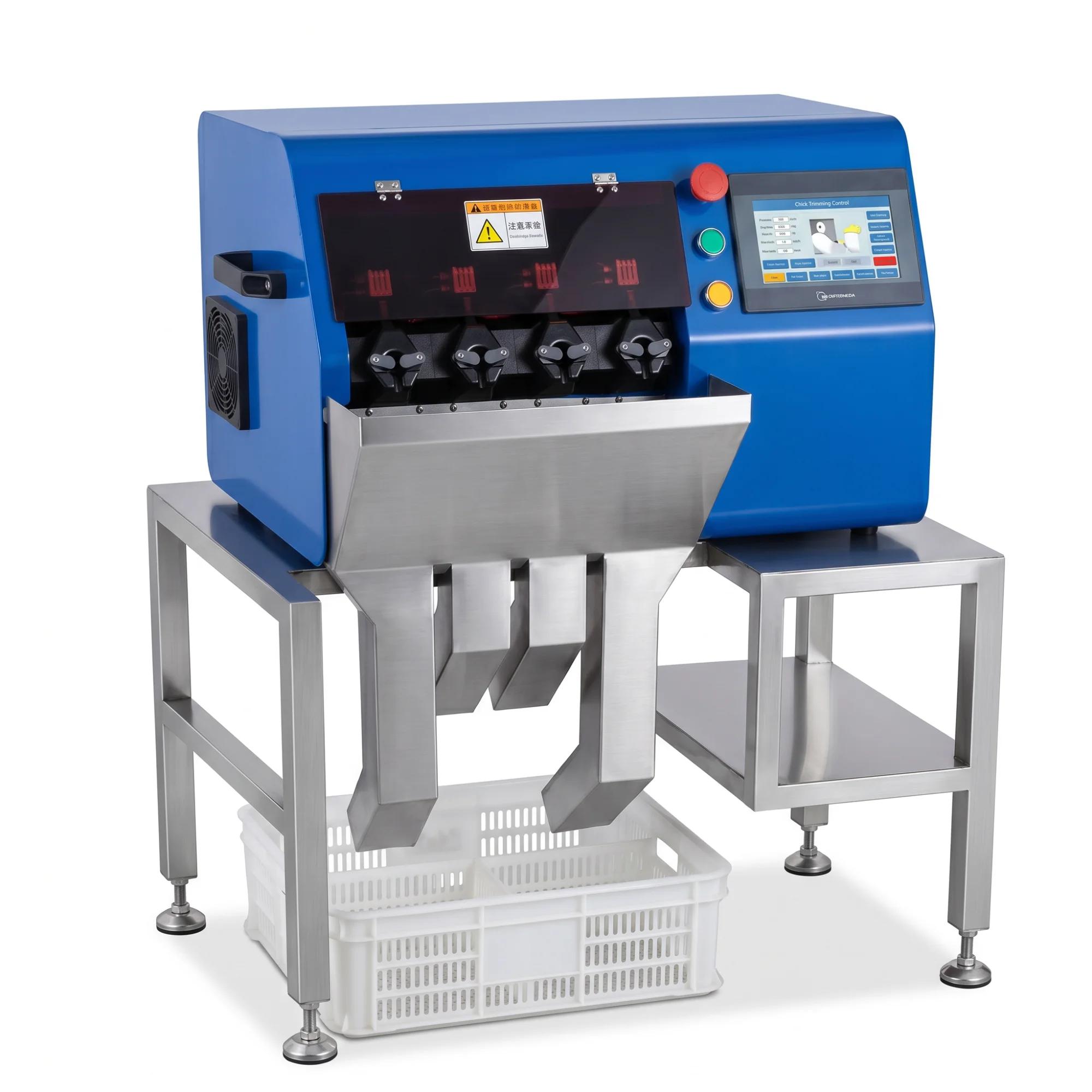
A beak trimming machine supplier should be evaluated across the whole project, not only during a sales call. The important evidence appears when the application is defined, the configuration is frozen, the machine is tested, the site starts, and the first real production problem needs an answer.
These five moments reveal whether the supplier can turn a product offer into a controlled hatchery project.
Moment One: The Quotation Should Narrow the Application
A responsible quotation begins with questions. Which birds and age are involved? What treatment method is approved? What are the normal and peak batches? Where will the machine operate, and what equipment is upstream and downstream?
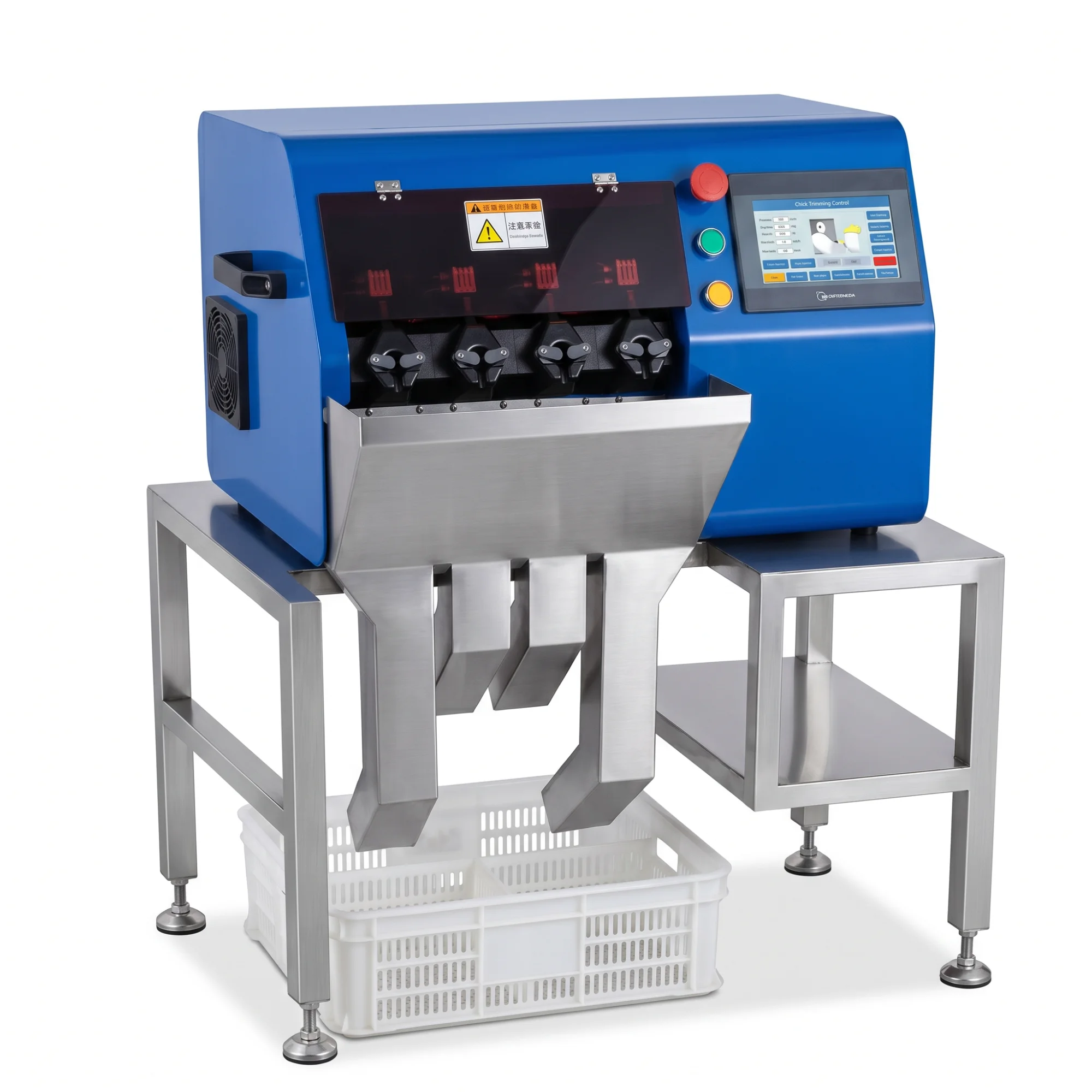
Jili Intelligent publishes a day-old chick infrared beak trimming machine. The public scope is day-old chick hatchery processing. The customer remains responsible for confirming the approved application, welfare requirements, technical procedure, and destination rules.
The quotation should state its assumptions. If bird application, utilities, containers, staffing, or interfaces are unknown, those gaps should remain visible rather than being hidden inside a generic model recommendation.
Moment Two: Design Freeze Should Remove Ambiguity
Before manufacturing or final preparation, both sides need one agreed configuration. Record the machine version, electrical requirements, controller, adjustable functions, included accessories, guarding, manuals, initial spares, and any optional items.
Then mark the physical and control boundary on a room drawing. Who presents chicks? Where do treated chicks go? What happens if the next station is unavailable? Who supplies supports, wiring, local materials, unloading, and installation work?
When a beak trimming machine supplier can explain these boundaries clearly, procurement can compare scope instead of comparing headline prices. Engineering can also identify missing site work before shipment.
Moment Three: The Factory Test Should Include a Stop
A continuous demonstration is useful, but it is not a complete factory acceptance test. Include startup, normal running, an agreed pause, a representative alarm, restart, operator access, maintenance access, cleaning access, and document review.
Use the offered configuration and representative materials where practical. If the demonstration machine differs from the ordered machine, ask for the differences in writing.
The factory test should record results, open items, owners, and closure dates. Customer technical or veterinary validation remains separate from equipment acceptance.
Moment Four: Site Startup Should Follow Readiness Evidence
Installation problems often begin before the supplier arrives. Confirm floor preparation, utilities, lifting, unloading, access, local electrical work, containers, trial materials, operators, sanitation readiness, and surrounding equipment.
Training should follow real roles. Operators need startup, running, stops, recovery, and batch-end steps. Maintenance needs inspection, adjustments, alarms, wear items, backups, and parts. Sanitation needs access, removal, reassembly, and release boundaries.
Jili publishes service information and a quality-control process. The quotation should still define project-specific commissioning and training commitments.
Moment Five: The First Problem Tests the Support System
Early production can reveal local conditions that a factory test cannot reproduce. The useful question is not whether an issue occurs, but whether both teams can diagnose it from evidence.
Record the batch, machine state, alarm history, recent changes, operator action, photos or video, and whether the condition repeats. Agree on support channels, working language, normal response expectations, urgent escalation, and the spare-parts process.
Avoid vague promises such as “lifetime support.” Ask who responds, what information is required, which issues can be handled remotely, and when a site visit or replacement part may be needed.
Compare Suppliers With One Evidence Table
Create five rows for quotation, design freeze, factory test, site startup, and early-production support. For each row, list required evidence, supplier owner, customer owner, open assumptions, and acceptance status.
This table keeps commercial, engineering, and production teams aligned. It also prevents a strong sales presentation from outweighing weak project execution.
Jili can discuss standalone infrared treatment equipment, combined treatment and vaccination, and wider hatchery automation solutions. The final commitment should always match the customer's actual configuration and responsibility map.
Frequently Asked Questions
What should buyers send before requesting a quotation?
Send the birds and age, approved process, batch data, room drawing, current workflow, utilities, surrounding equipment, destination, schedule, and expected service scope.
Is a factory video enough to choose a supplier?
No. Use video as supporting evidence. Review configuration, documents, test scenarios, interfaces, training, support, spares, and exclusions.
How should international support be compared?
Compare working hours, language, response channels, diagnostic evidence, escalation, spare-parts lead time, site-service conditions, and document quality.
Choose the Supplier That Performs at All Five Moments
The right beak trimming machine supplier should remain precise when the project moves from quotation to design, testing, site work, and real production support. Buyers should purchase that execution system together with the machine.
Send Jili Intelligent your application, layout, batch pattern, interfaces, destination, and service expectations through the contact page. Ask for evidence and responsibility at each of the five project moments.