


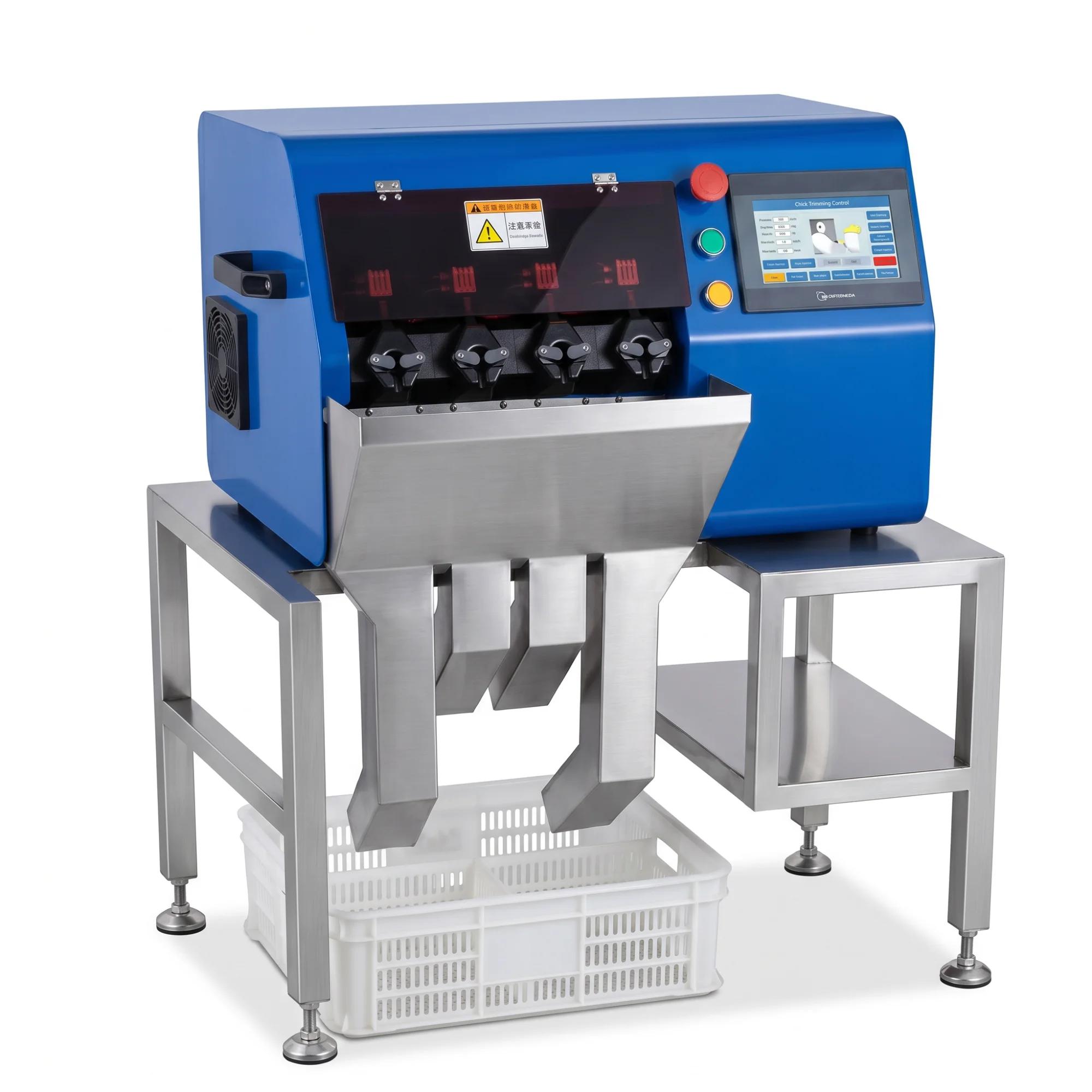
When a hatchery is ready to buy chick beak trimming machine equipment, the final risk is often not the technology itself. It is the gap between what the buyer thinks is included and what the supplier has actually committed to provide.
A useful purchase order does more than repeat a model name and price. It defines the application, configuration, interfaces, tests, documents, services, and exclusions that turn a machine quotation into an executable project.
Clause One: Name the Exact Application
The first clause should identify the intended birds, age, hatchery process, approved treatment method, normal and peak batch pattern, and destination country. This prevents a broad product label from being interpreted as approval for every poultry application.
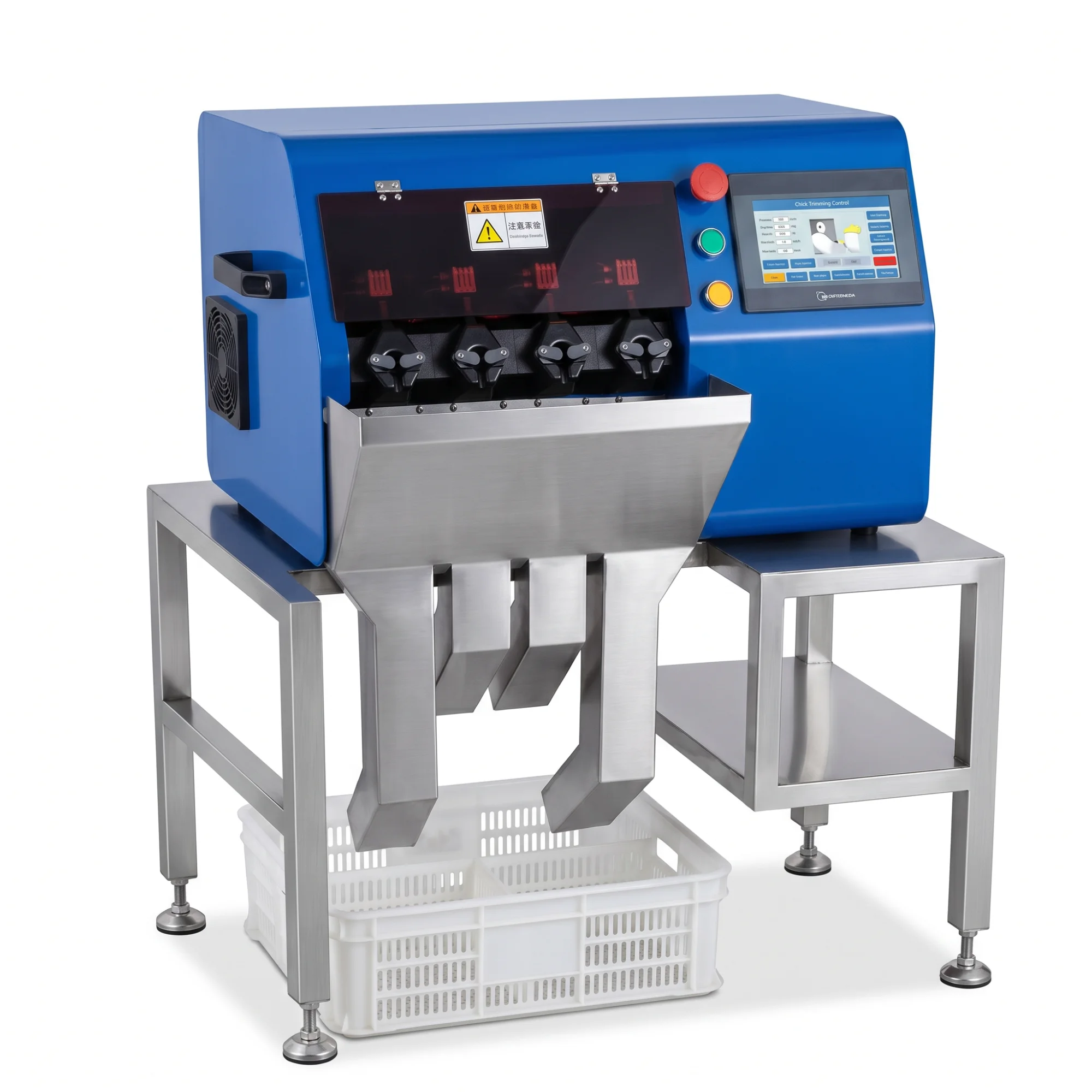
Jili Intelligent publishes a day-old chick infrared beak trimming machine. Its public scope is infrared treatment for day-old chicks in hatchery operations. The buyer remains responsible for confirming the approved production and welfare requirements that apply to the project.
The order should use the agreed application language, not a generic description such as “automatic poultry machine.” If the application changes, the supplier should review the change before shipment.
Clause Two: Freeze the Offered Configuration
Two quotations can show the same product name while including different controls, accessories, operator stations, options, spare parts, or line connections. Attach a configuration list to the order.
Record the machine version, electrical requirements, contact materials, controller and interface, adjustable functions, included accessories, consumables supplied for testing, guarding, manuals, and recommended initial spares. Where an item is optional, state whether it is included, priced separately, or excluded.
Photographs can help identify the offered equipment, but the written list remains the commercial reference. If the factory demonstration uses a different configuration, require the differences to be explained before acceptance.
Clause Three: Draw the Boundary Around the Machine
A standalone treatment station still has an upstream and downstream handoff. The order should identify who presents chicks, which containers are used, where treated chicks go, and what happens when the next stage is unavailable.
For a connected project, define physical interfaces, control signals, accumulation, guarding, supports, and stop behavior. Jili also publishes a combined beak trimming and vaccination machine and complete hatchery automation solutions. These options are relevant only when the customer's approved process and layout justify integration.
When buyers buy chick beak trimming machine systems without an interface list, installation teams often discover that each party assumed the other would supply the same connection.
Clause Four: Put the Factory Test in Writing
The factory acceptance test should not be invented after the equipment is complete. Define representative materials or containers, staffing assumptions, the test sequence, acceptance evidence, and the method for recording open items.
Include startup, normal operation, a planned pause, a representative alarm, restart, controls, guarding, cleaning access, and the agreed documents. If the machine will connect to other equipment, include at least one downstream-not-ready scenario.
A continuous production video is useful evidence, but it does not replace a test script tied to the ordered configuration.
Clause Five: Separate Site Work From Supplier Work
The order should state who is responsible for floor preparation, utilities, unloading, positioning, lifting, local electrical work, drainage where applicable, network connections, safety review, permits, trial materials, operators, and technical approvals.
Then define the supplier's installation, commissioning, training, and site acceptance scope. Include planned duration and the conditions that must be ready before the supplier's team travels.
This avoids paying for an engineer to wait while the site completes work that should have been listed in a readiness plan.
Clause Six: Describe Support After Handover
“Lifetime support” is too vague for a purchase order. State the manuals and technical records to be delivered, training audience, recommended maintenance tasks, spare-parts process, remote support channel, working language, and information the hatchery should provide when reporting a problem.
Buyers can review Jili Intelligent's service information and quality-control process. Project-specific commitments should still appear in the quotation or contract.
For international projects, ask how the supplier handles time-zone differences, remote diagnosis, replacement parts, and escalation when a production issue cannot be resolved in the first conversation.
Keep Exclusions Beside the Included Scope
Exclusions should not be hidden at the end of a long commercial document. Place them next to the related scope: site work, local materials, consumables, third-party equipment, freight, duties, travel, accommodation, validation, and production approvals.
A clear exclusion is easier to manage than a silent assumption. Procurement can price customer-supplied work, engineering can plan the interface, and production can prepare the correct people and materials.
Where Jili Intelligent Fits
Jili Intelligent's range covers day-old chick infrared treatment, vaccination, combined stations, transfer, conveying, stacking, washing, and complete hatchery automation. This supports both a focused machine inquiry and a wider line discussion.
The final commitment remains configuration-specific. Buyers should ask Jili to restate the application, scope, interfaces, acceptance, documentation, installation, training, service, and exclusions in one commercial package.
Frequently Asked Questions
What information should be sent before requesting a final quotation?
Send the bird application, batch pattern, room drawing, current workflow, containers, utilities, existing equipment, destination, approved process requirements, and expected service scope.
Should spare parts be included in the first order?
Request a recommended startup and critical-spares list. Decide which items belong in the original order based on lead time, local availability, failure impact, and maintenance capability.
Is a factory video enough for acceptance?
No. Use video as supporting evidence. The signed test record should show the ordered configuration, agreed scenarios, results, open items, and resolution responsibility.
Sign the Scope Before You Sign the Price
Before you buy chick beak trimming machine equipment, make the purchase order answer the questions that will otherwise appear during installation. A clear PO protects the buyer and gives the supplier a precise project to deliver.
Send Jili Intelligent your application, layout, batch data, utilities, destination, and required project boundary through the contact page. Ask for an itemized proposal that can be attached directly to the purchase order.