


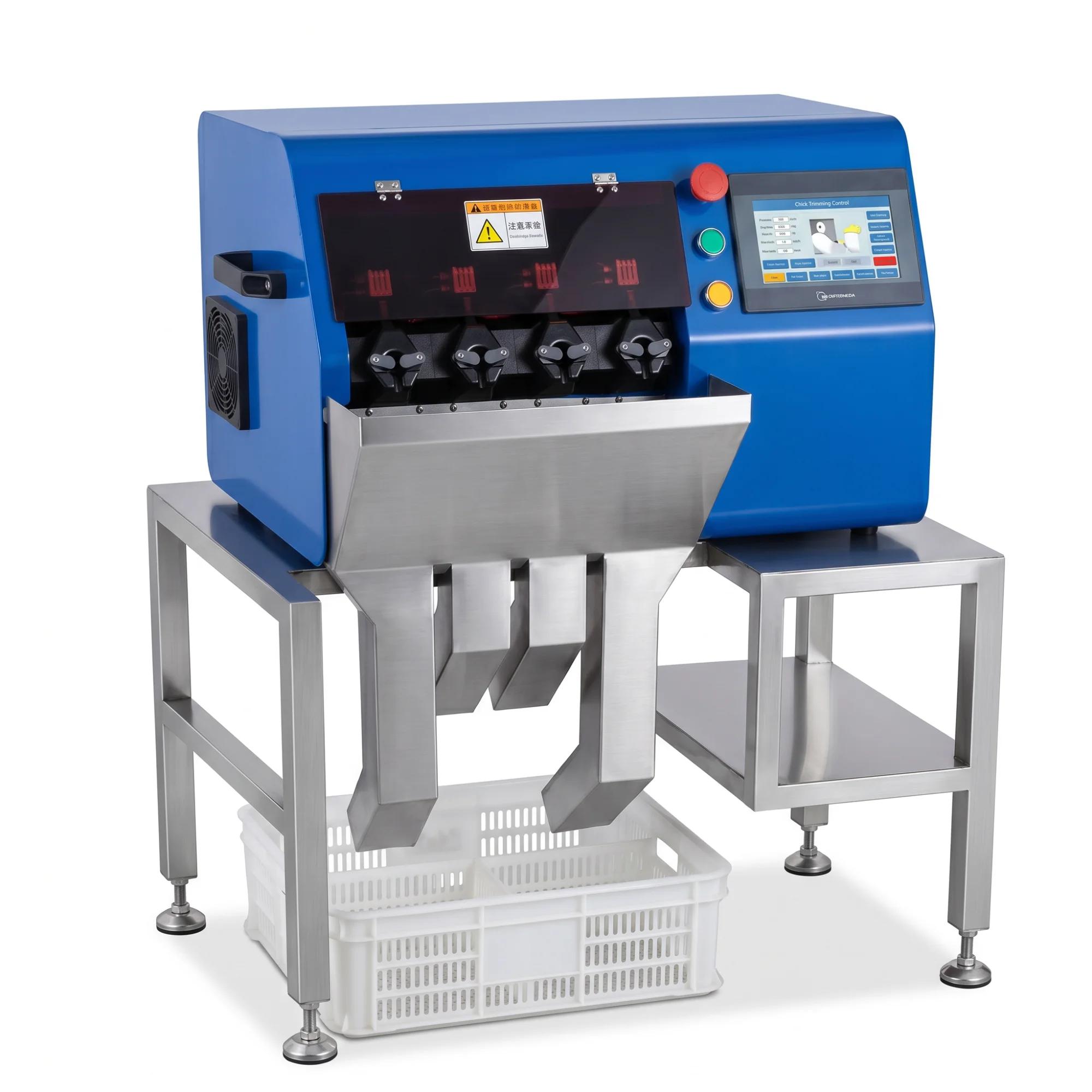
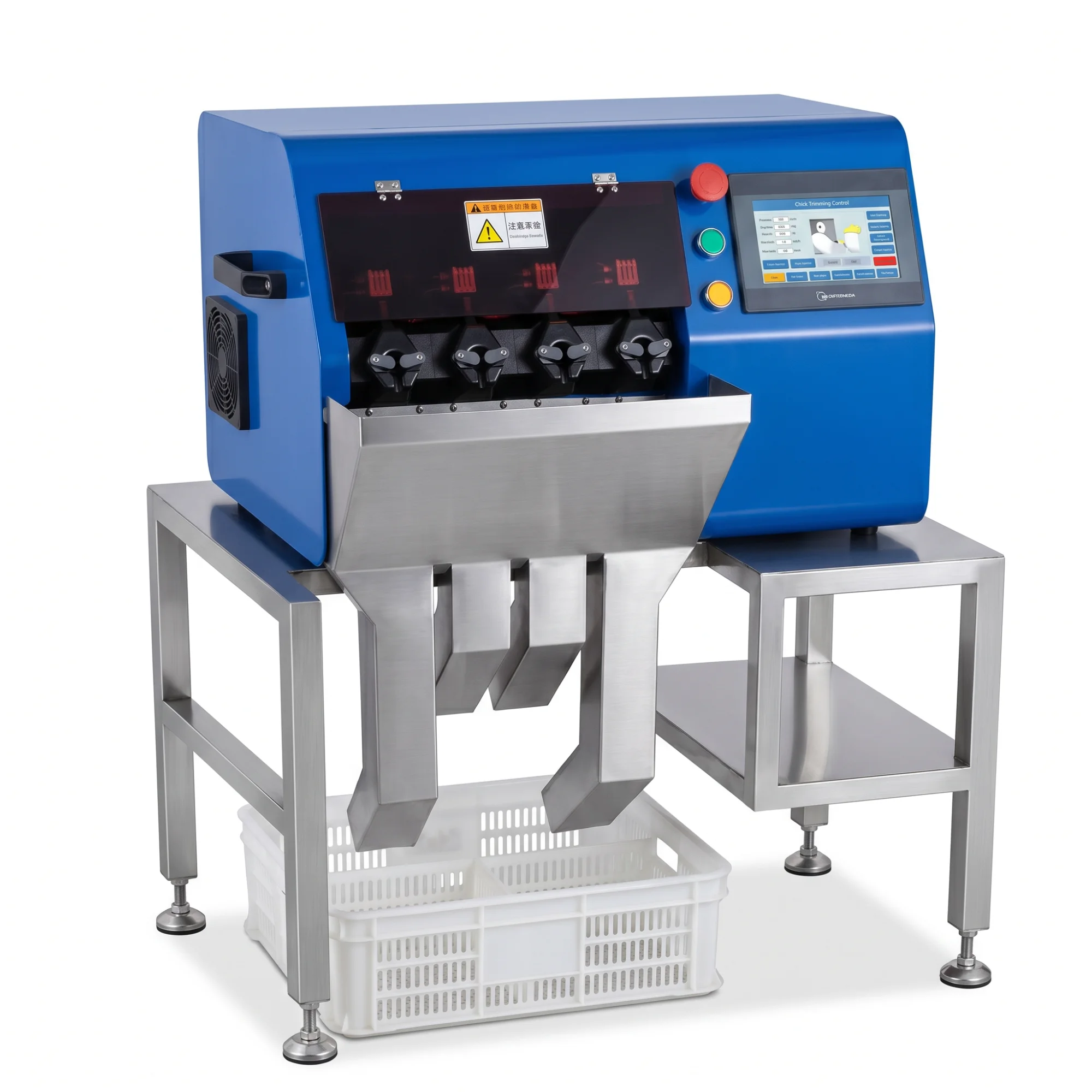
A poultry beak trimming machine should be selected around the hatchery workflow, not only around the machine name. Buyers usually search this topic when manual beak treatment is creating inconsistent output, operator pressure, or a need for clearer process control in day-old chick handling.
Jili's Day-Old Chick Infrared Beak Trimming Machine is designed for one-day-old yellow-feather chicks, layers, and ducklings. Product material lists visual window settings, automatic counting, automatic dust blowing, alarm functions, about 3,200-3,800 chicks per hour, one operator, and about 500 W power. These points give buyers a concrete basis for comparing equipment fit.
Start with the poultry type and process goal
The first question is what birds the hatchery handles and what problem the machine must solve. A unit used for day-old chick infrared treatment has a different purpose from vaccination equipment, transfer equipment, or crate washing equipment. Keeping the process clear prevents wrong quotations and mismatched pictures.
For day-old chicks, buyers should confirm species, chick size range, treatment consistency goals, operator routine, and how chicks move before and after the station. These details affect layout and training more than a simple capacity number.
Checklist before comparing quotations
- Confirm applicable poultry type and chick age.
- Check reference capacity against the hatchery peak hour.
- Review whether one trained operator can manage the station.
- Ask how visual settings, counting, dust blowing, and alarms are used.
- Confirm cleaning access and daily inspection points.
- Plan whether the station will later connect with vaccination or conveying.
Key data to prepare
| Buying factor | Information to prepare |
| Bird type | Yellow-feather chicks, layers, ducklings, or other day-old poultry |
| Hourly output | Current volume, peak target, and shift schedule |
| Workflow | How chicks arrive, who positions them, and where they go next |
| Operator plan | Training level, cleaning responsibility, and inspection routine |
| Future upgrade | Possible vaccination, conveying, stacking, or wider automation needs |
What makes infrared treatment useful for buyers
Infrared beak treatment can help hatcheries create a more controlled station than purely manual work. Visual setting windows support repeatability, automatic counting helps production tracking, dust blowing improves the working process, and alarms help operators notice abnormal conditions earlier.
These features are most valuable when the buyer also plans operator training and routine inspection. Equipment alone cannot replace process discipline, but it can make the process easier to manage.
How to build a stronger RFQ
A stronger RFQ includes chick species, current treatment method, daily and hourly output, photos of the work area, available utilities, operator plan, and downstream process. If vaccination needs to happen in the same station, buyers can also review the integrated beak trimming and vaccination option.
For projects that combine beak treatment and vaccination, the Jili Day-Old Chick Infrared Beak Trimming and Vaccination Machine is the more relevant product. Separating the two choices helps the hatchery choose the correct machine for the actual process.
How clear process details support better supplier communication
When buyers share the right process details, Jili can respond with a clearer recommendation instead of a broad equipment suggestion. A useful discussion should cover application, capacity, operator work, maintenance access, and whether the hatchery wants to build a single station or prepare for a connected line.
This approach also helps purchasing teams compare proposals more fairly. The strongest offer is not always the one with the most features; it is the one that fits the day-old chick workflow and can be operated consistently by the hatchery team.
A suitable poultry beak trimming machine should help the hatchery create a repeatable treatment routine while keeping operator access and daily checks practical.
FAQ
What does a poultry beak trimming machine do?
It supports controlled beak treatment for day-old poultry in a hatchery workflow.
What capacity is listed for the Jili infrared unit?
Jili material lists about 3,200-3,800 chicks per hour for the dedicated infrared beak trimming machine.
What should buyers send before quotation?
Send bird type, chick age, hourly output, current workflow, room layout, and future connection needs.
When is an integrated machine better?
An integrated machine is better when vaccination must happen in the same station as beak treatment.
Why should buyers confirm the exact product type?
Beak treatment, vaccination, transfer, and crate washing are different hatchery processes. Confirming the exact product type helps the quotation match the real station.