


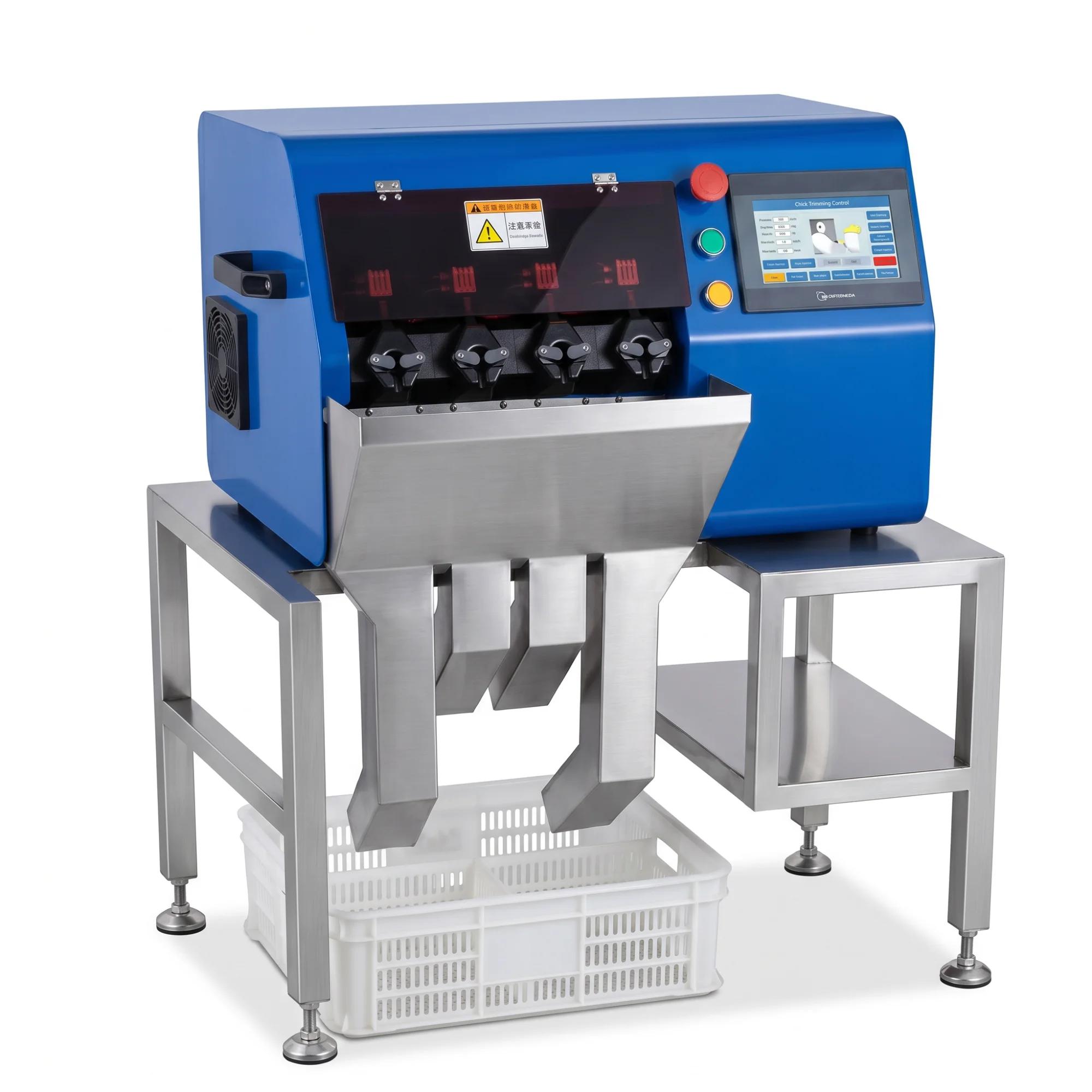
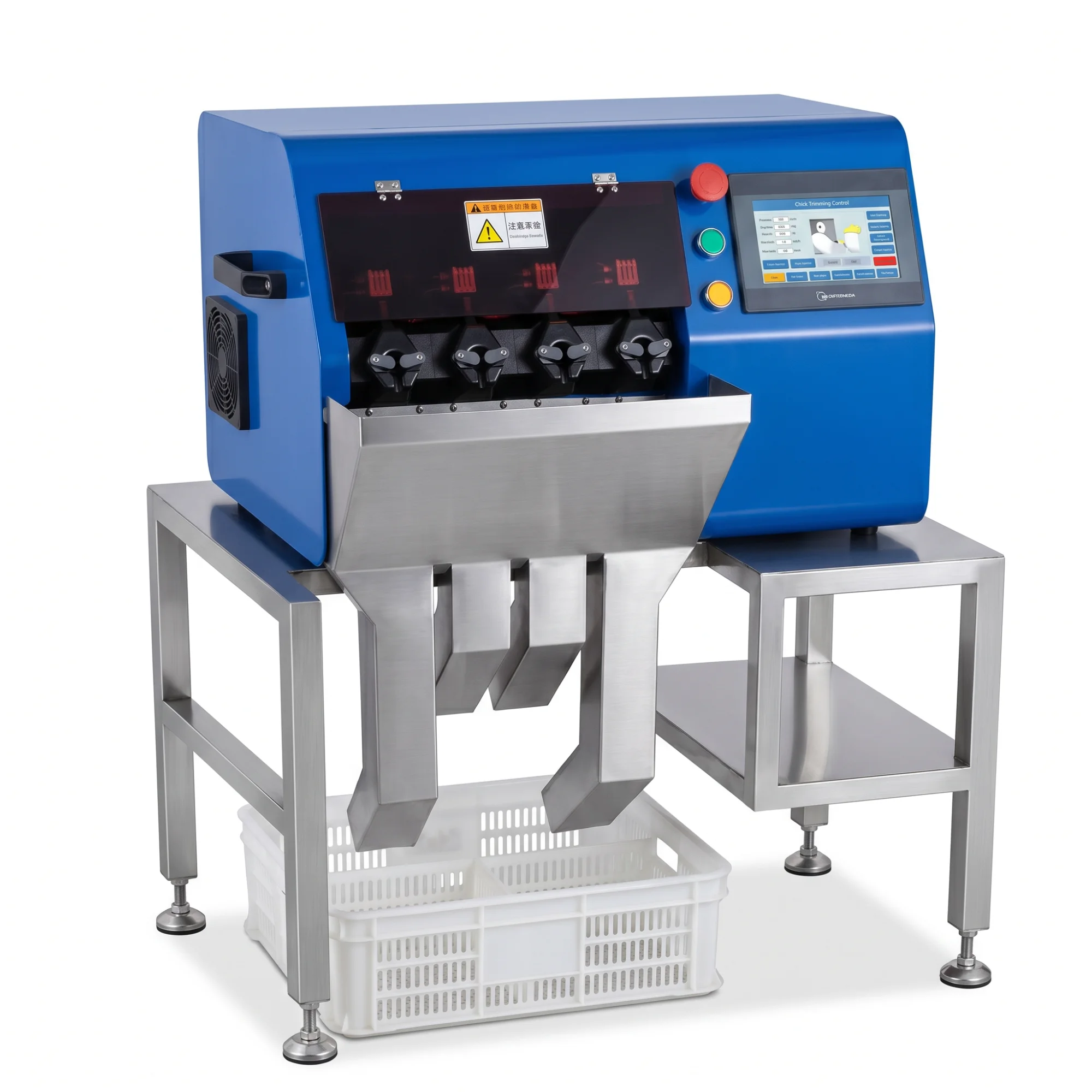
A day old chick beak treatment machine should help a hatchery solve a real workflow problem: unstable manual treatment, operator fatigue, unclear counting, or difficulty keeping the process consistent during high-volume production. Buyers are not only looking for a machine; they are looking for a more predictable way to handle day-old chicks.
The Jili Day-Old Chick Infrared Beak Trimming Machine is designed for one-day-old yellow-feather chicks, layers, and ducklings. Product material lists visual window settings, automatic counting, automatic dust blowing, alarm functions, about 3,200-3,800 chicks per hour, one-operator operation, and about 500 W power.
Start with the problem the hatchery wants to solve
Some hatcheries need higher hourly output. Others need a cleaner routine, better counting, easier operator training, or a station that can later connect with vaccination or conveying. The right equipment choice depends on these goals, not only on the product category name.
A suitable day old chick beak treatment machine should fit how chicks arrive, how operators position them, and where chicks go after treatment. If these steps are unclear, the quotation may look correct but fail to solve the daily production issue.
Buyer checklist before comparing machines
- Confirm chick type, chick age, and target processing volume.
- Check whether the reference capacity matches peak-hour demand.
- Ask how visual settings help operators repeat the same routine.
- Confirm automatic counting and dust blowing support daily workflow.
- Review alarm response and first-week training.
- Check cleaning access and spare-part planning before purchase.
Key planning factors
| Buyer concern | What to confirm |
| Application | One-day-old yellow-feather chicks, layers, and ducklings |
| Capacity | About 3,200-3,800 chicks per hour as a planning reference |
| Labor | Usually one trained operator |
| Process control | Visual settings, counting, dust blowing, and alarms |
| Layout | Chick arrival, operator position, and downstream flow |
| Future needs | Possible vaccination, conveying, or integrated workflow |
How this equipment supports buyer goals
Infrared treatment equipment helps hatcheries make beak treatment easier to standardize. Visual settings support repeatable adjustment, automatic counting helps production tracking, and alarms help operators respond to abnormal conditions earlier. These are practical workflow benefits, not just product features.
For buyers comparing suppliers, the key question is whether the machine can support the hatchery after installation. Training, cleaning routines, and spare parts should be discussed before an order is placed.
When to compare an integrated station
If the hatchery also needs vaccination in the same process, buyers should compare the Jili Day-Old Chick Infrared Beak Trimming and Vaccination Machine. It is a separate integrated option for projects where beak treatment and vaccination should happen in one controlled flow.
For a focused beak treatment project, the dedicated day old chick beak treatment machine is usually the clearer match. For integrated treatment and vaccination, the combined machine may reduce handoffs and improve line organization.
How to prepare a useful inquiry
Send chick type, daily volume, peak hourly output, current process, room layout, available operators, and expected downstream equipment. If the hatchery has current issues such as inconsistent manual work or difficult counting, include those details.
How to judge supplier fit
A useful supplier should ask about the hatchery’s workflow before recommending equipment. If the discussion only covers price and model name, important details may be missed. Buyers should expect questions about chick species, current manual process, peak production time, operator experience, and whether downstream equipment will be added later.
This level of discussion helps prevent underbuying or overbuying. The best choice is the machine that solves the actual beak treatment problem and can be supported after installation.
FAQ
What is a day old chick beak treatment machine used for?
It is used for controlled infrared beak treatment of day-old chicks in a hatchery workflow.
What capacity can buyers use for early planning?
Jili material references about 3,200-3,800 chicks per hour for the dedicated infrared beak trimming machine.
What should buyers prepare before quotation?
Prepare chick type, hourly target, current workflow, room layout, operator plan, and future connection needs.
When is an integrated machine better?
It is better when vaccination needs to happen in the same workflow as beak treatment.
What should buyers compare besides price?
Compare workflow fit, operator training, cleaning access, alarm response, capacity, and after-sales support.