


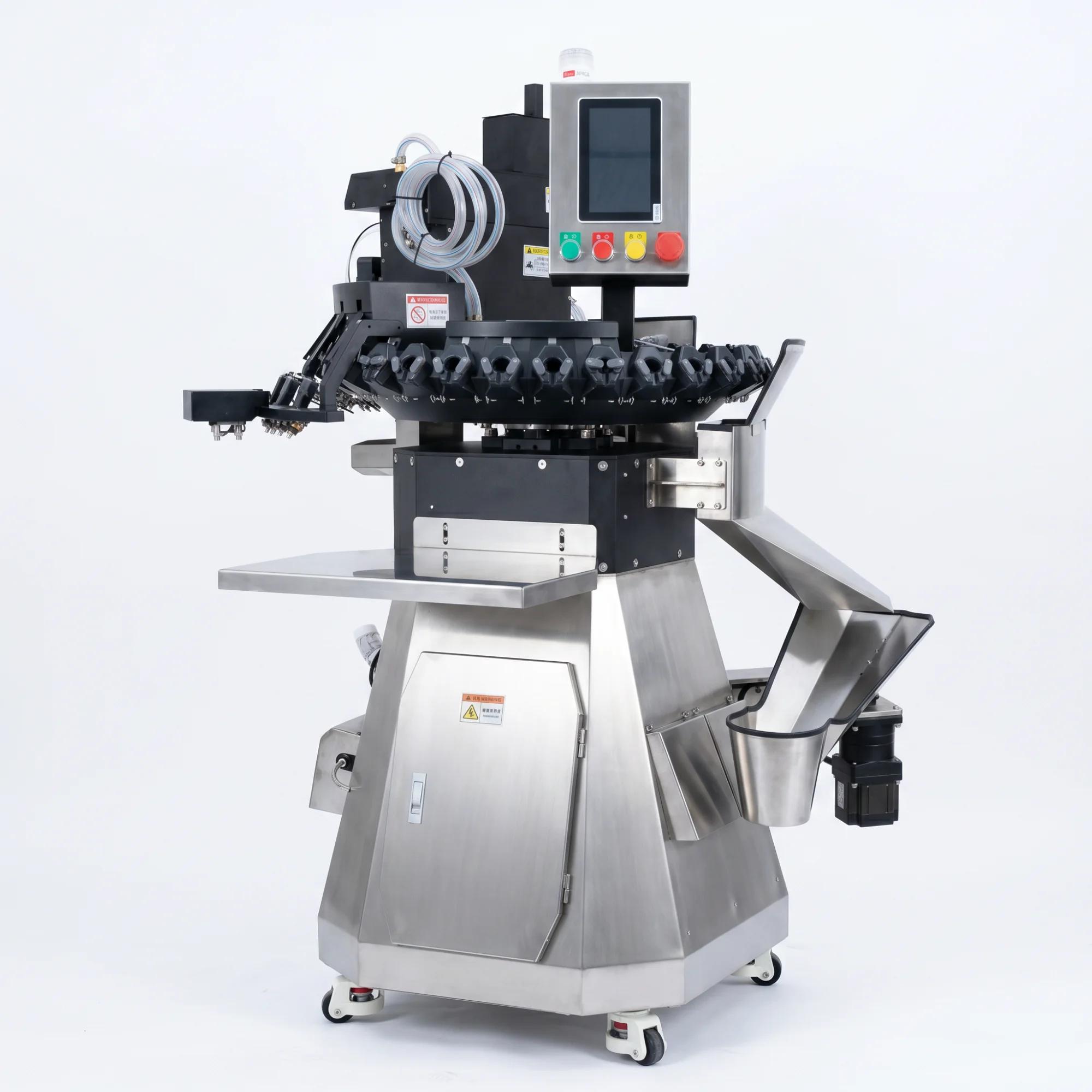
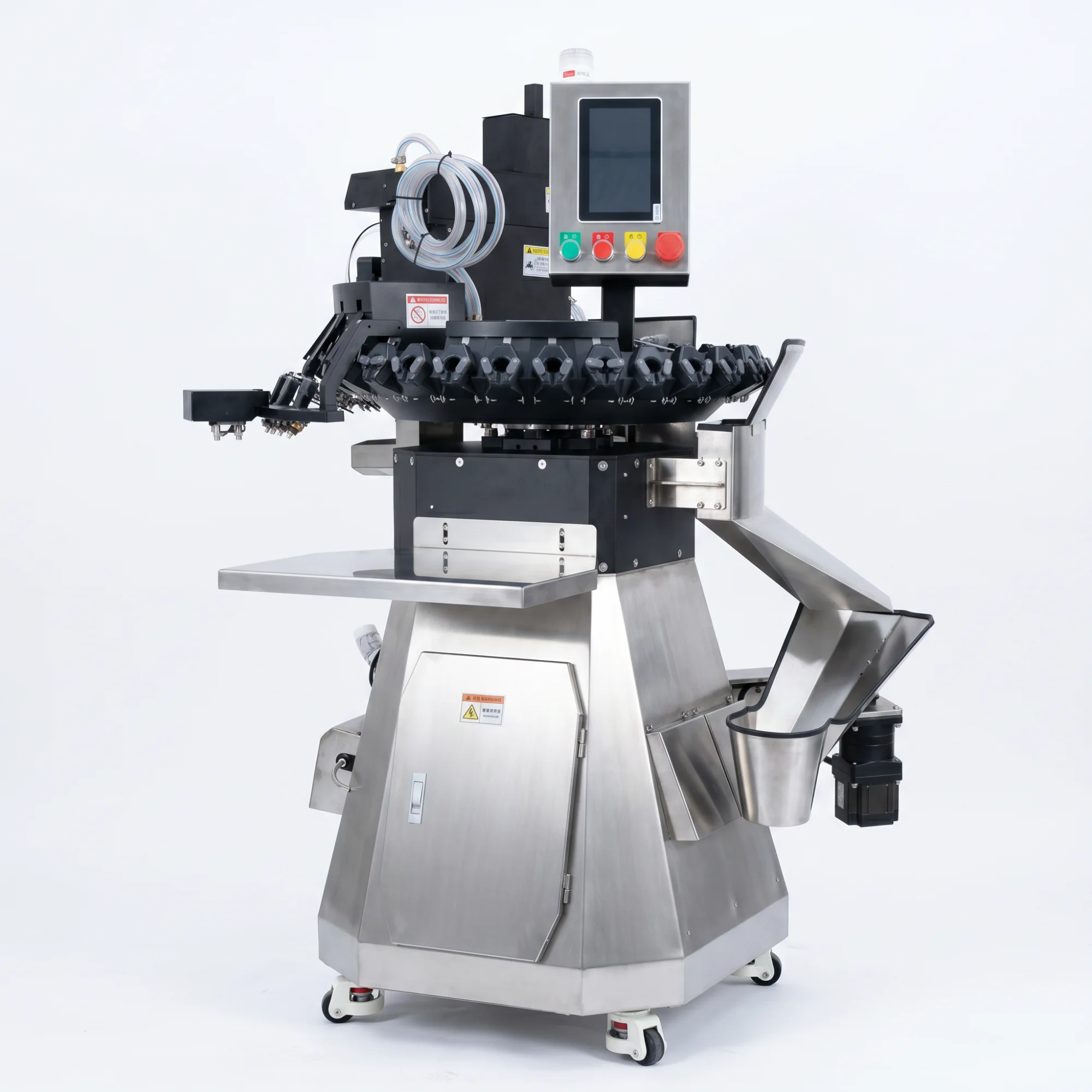
A chick beak trimming and vaccination machine is searched by hatchery buyers who want to reduce repeated handling of day-old chicks while keeping early-life treatment and vaccination more consistent. The buying question is more than whether the equipment can perform two tasks. It is whether one station can make the daily workflow easier to control, easier to inspect, and easier to train.
Jili's integrated equipment is designed for one-day-old yellow-feather chicks, layers, and ducklings. Based on the product material, it combines infrared beak treatment with single- or double-needle vaccination support, visual operation settings, automatic counting, automatic compartmentalizing, needle disinfection, automatic alarms, vaccine shaking, and process monitoring. Buyers can review the Jili Day-Old Chick Infrared Beak Trimming and Vaccination Machine when they need this integrated workflow.
Why Hatcheries Search for an Integrated Machine
Separate beak treatment and vaccination stations can work well, but they may create extra handoffs. Every additional handoff can add waiting time, operator variation, and inspection pressure. An integrated station is worth considering when the hatchery wants one controlled process for chick positioning, infrared treatment, vaccination, counting, and early quality checks.
Best-Fit Applications
- Day-old chick processing lines that need both infrared beak treatment and vaccination.
- Hatcheries processing yellow-feather chicks, layers, or ducklings.
- Projects where repeated chick handling is creating labor pressure.
- Operations that need single- or double-needle vaccination support in one workflow.
- Buyers planning future connection with conveying or stacking equipment.
Technical Factors Buyers Should Compare
| Selection factor | What to check before quotation |
| Capacity | Use 3,800-4,200 chicks per hour as a reference and confirm with layout details |
| Operator plan | Confirm whether one trained operator can manage hanging, inspection, and alarms |
| Vaccination setup | Clarify single-needle or double-needle requirements before machine selection |
| Quality control | Check beak treatment depth, injection position, needle disinfection, and vaccine flow |
| Maintenance | Review cleaning access, consumables, alarm handling, and spare parts |
Questions to Ask Before Buying
Buyers should prepare chick species, hourly target, current bottleneck, vaccination method, room layout, and downstream handling plan. These details help avoid overbuying a line that looks impressive but does not solve the real workflow problem.
Related Jili Equipment
If the integrated station needs to connect with downstream handling, compare it with the Jili Conveying and Stacking Line. For a larger project, review Jili Complete Hatchery Automation Solutions to plan the full chick-processing flow.
Common Buying Mistakes to Avoid
Many hatchery buyers compare integrated equipment only by hourly capacity, but that can miss the real SEO search intent behind this keyword. A buyer searching for an integrated chick beak trimming and vaccination machine usually wants to reduce handling steps, improve consistency, and understand whether one station can replace separate treatment and injection work.
Before purchase, the team should avoid three mistakes: choosing a machine without confirming vaccination type, planning the line without checking operator reach, and ignoring how the first production batches will be inspected. A strong supplier discussion should connect machine capacity, chick species, vaccination method, alarm handling, cleaning access, and downstream flow.
How to Turn the Search Into a Useful RFQ
The inquiry does not need to only ask for price. It should include current chick volume, room drawings, process order, labor arrangement, target automation stage, and the reason the hatchery is considering integration. With those details, Jili can discuss whether the integrated machine alone is enough or whether conveying and stacking should be added later.
For buyer research and inquiry preparation, the page answers the practical questions a hatchery manager is likely to search before asking for a quotation: whether integration reduces handling, which checks affect output quality, and what project details make the recommendation accurate.
Commercial Questions Buyers Often Ask
For chick beak trimming and vaccination machine, buyers often compare whether integration will reduce labor pressure or simply add complexity. The useful questions are practical: can one operator manage the station, how are beak treatment and vaccination quality checked, how are alarms handled, and how will the machine connect to downstream conveying or stacking equipment?
A strong inquiry should include chick species, vaccination type, target output, room layout, current handling steps, and the reason the hatchery wants integration. These details help Jili judge whether an integrated machine is the right core module or whether the project should be phased with separate equipment first.
FAQ
Is this machine only for vaccination?
No. It is for hatcheries that need infrared beak treatment and vaccination in one controlled station.
When is an integrated machine better than separate equipment?
It is useful when repeated handling, operator movement, or line balance becomes a problem between separate stations.
What information should be sent for quotation?
Send chick species, hourly volume, vaccination type, room layout, current workflow, and expected downstream equipment.
Does it support double-needle vaccination?
The Jili material describes single- or double-needle vaccination support; the exact setup should be confirmed during quotation.
Which product page matches this guide?
The matching product page is the Jili infrared beak trimming and vaccination machine.