


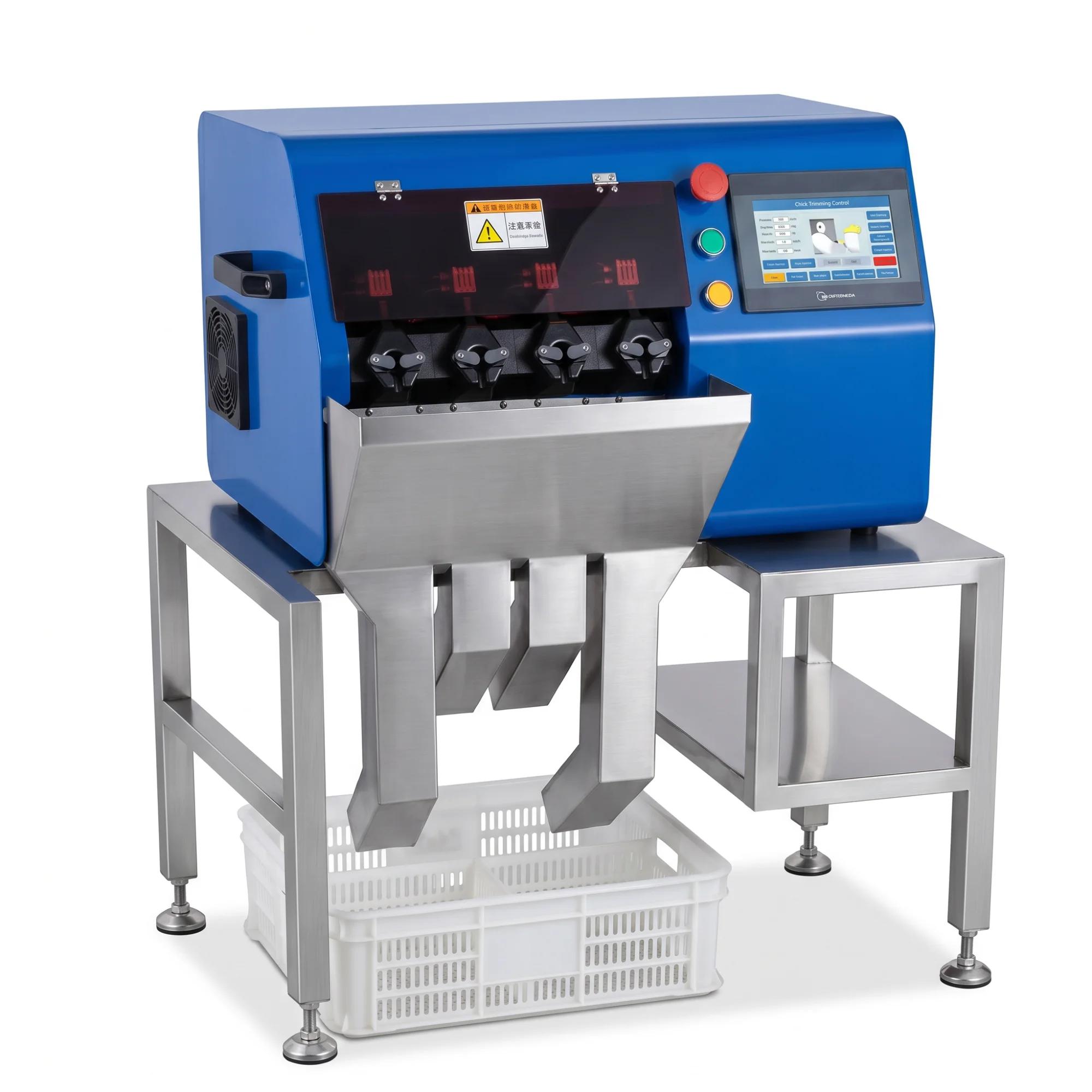
A chick beak trimming machine price is useful only when the quotation explains what the buyer will actually receive. Two numbers can look similar while covering different applications, configurations, tests, site responsibilities, training, and spare parts.
This Jili Intelligent guide reads seven quotation lines in order. Each line should remove uncertainty before procurement compares the total, while keeping equipment scope and customer responsibility visible.
Line 1: The Application Must Be Named
The quotation should identify the birds, age, approved treatment method, normal and peak batch pattern, destination, and operating environment. A model name without an application statement leaves too much room for assumptions.
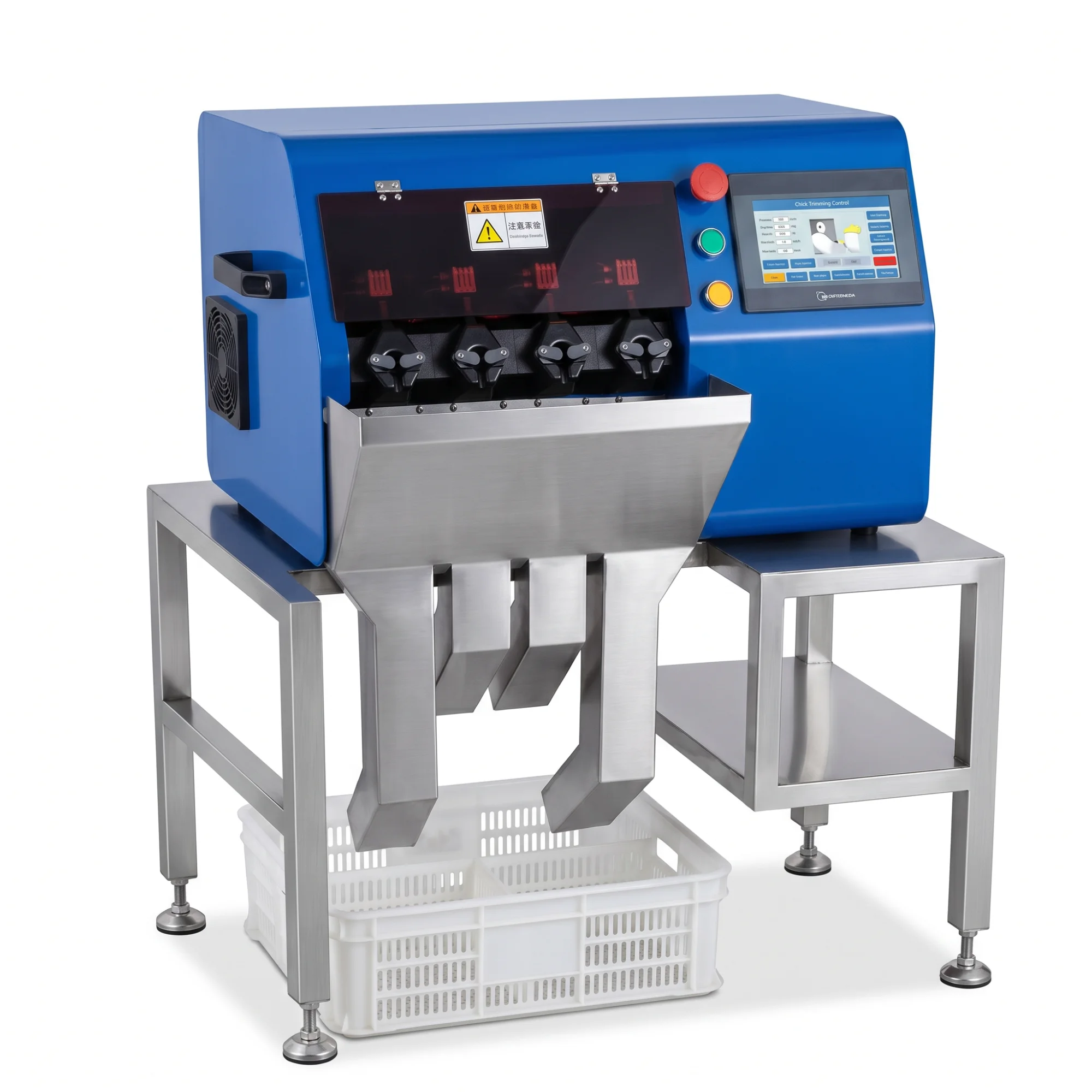
Jili Intelligent publishes a day-old chick infrared beak trimming machine. Its public product scope helps buyers begin the conversation, but the final application and technical procedure still need customer confirmation.
Ask the supplier to place the agreed application near the top of the offer. If a requirement remains open, label it as an assumption rather than quietly treating it as confirmed.
Line 2: Machine Scope Should Separate Standard and Optional Items
List the base machine, controls, guarding, operator interface, included tools, normal accessories, manuals, initial consumables, and recommended spares. Then place optional items in a separate section.
This matters when buyers are comparing standalone treatment equipment with a combined treatment and vaccination configuration. A lower total may simply exclude a module that another offer includes.
The quotation should also state what is not included. Common boundaries may involve external conveyors, local supports, lifting, site wiring, air supply preparation, local materials, or upstream and downstream machines.
Line 3: Capacity Needs an Assumption Sheet
A rated figure does not equal daily usable output. Ask what product condition, staffing, replenishment, changeover, planned stop, and downstream availability were assumed.
Then compare the proposed machine with the hatchery's arrival pattern. A short peak can matter more than the average. If the next station stops, the system may need an agreed holding or bypass method rather than a larger headline capacity.
When reviewing a chick beak trimming machine price, connect the commercial number to a realistic shift scenario. That makes the capacity claim testable during factory acceptance.
Line 4: Site Integration Belongs in the Budget
Request a responsibility map for unloading, positioning, utilities, electrical work, supports, guarding extensions, interfaces, trial materials, sanitation readiness, and commissioning assistance.
The map should show who supplies each item, where the boundary is, and when it must be ready. Buyers can then compare the machine quotation and the local project budget without mixing the two.
Jili's service information describes its broader support approach. The project quotation still needs to state the exact commissioning, training, travel, and remote-support scope for the destination.
Line 5: Testing Should Describe Evidence, Not Only a Visit
Factory acceptance should include the offered configuration, startup, normal operation, a controlled stop, restart, representative alarms, operator access, maintenance access, and document review.
Record acceptance criteria, evidence, open items, owners, and closure dates. If representative chicks or materials cannot be used at the factory, agree on the alternative evidence and the remaining site-validation steps.
Customer technical or veterinary approval remains separate from equipment acceptance.
Line 6: Training and Early Support Need Limits
Define training by role. Operators need normal running and recovery. Maintenance needs inspection, adjustments, alarms, backups, wear items, and spare-parts identification. Sanitation teams need safe access, removal, reassembly, and release boundaries.
For early production support, state the working language, normal response channel, urgent escalation route, remote diagnostic information, and conditions for site service.
Line 7: Exclusions Protect Both Sides
An exclusion is not automatically negative. A clear exclusion helps the customer budget local work and prevents the supplier from being judged against an unstated responsibility.
Create one final page with exclusions, customer-supplied items, open decisions, currency, taxes, freight basis, payment terms, validity, delivery assumptions, and warranty conditions. Procurement can then compare offers on the same commercial basis.
Frequently Asked Questions
Why do suppliers avoid publishing one fixed machine price?
Configuration, application, integration, destination, service, testing, and commercial terms can change the scope. A fixed public number may exclude important project costs.
What information helps a supplier prepare a useful quotation?
Send the birds and age, approved process, batch pattern, current workflow, layout, utilities, surrounding equipment, destination, schedule, and requested service scope.
Should buyers choose the lowest total?
Choose the offer with the best verified fit and complete responsibility boundary. A lower total is not lower cost when critical equipment, site work, testing, or support is missing.
Turn the Price Into a Comparable Project Scope
The right chick beak trimming machine price is not the smallest number on the page. It is a clear commercial summary of application, equipment, assumptions, interfaces, evidence, support, and exclusions.
Send Jili Intelligent your layout, batch data, approved application, utilities, destination, and service expectations through the contact page. Ask for a line-by-line quotation that your production, engineering, and procurement teams can review together.