


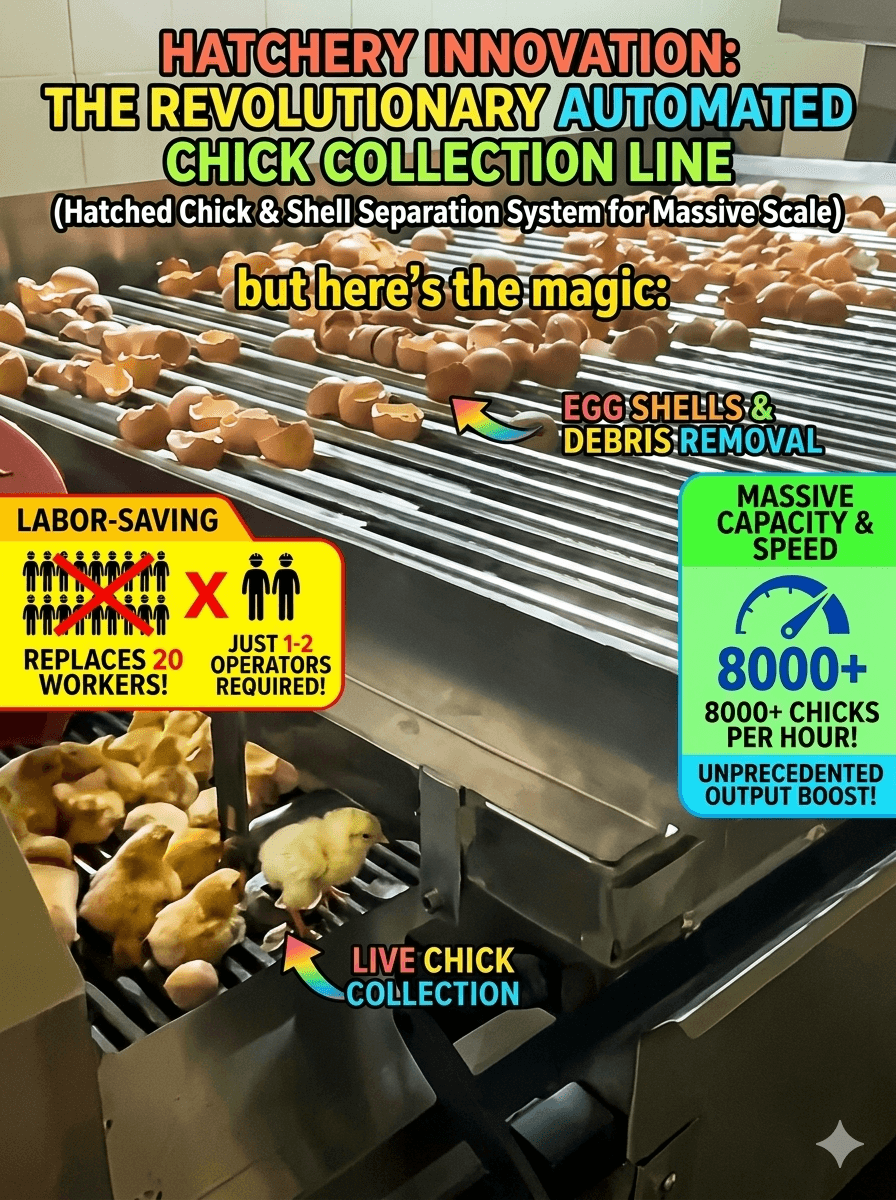
Chick Beak Trimming Machine Supplier in China: A Buyer’s Verification Guide
Finding a chick beak trimming machine supplier china is easy. Finding a supplier that understands your hatchery, shows what the machine can do, and supports the project after delivery takes a more careful conversation. A useful supplier review should answer a practical question: can this equipment become a stable part of our day-old chick workflow?
JuliSense works with infrared beak trimming equipment, chick vaccination stations, conveying, stacking, and integrated hatchery automation. This guide gives buyers a clear way to compare suppliers without reducing the decision to a catalogue image or a single capacity number.
Begin With the Chick Workflow You Need to Protect
Before speaking with a supplier, describe the work around the machine in ordinary production language. How do chicks arrive? Who loads them? What happens immediately after trimming? Where are vaccination, counting, sorting, conveying, and crate loading handled? What must be cleaned before the next batch?
A short workflow note should include:
- bird type and age at processing;
- normal and peak batch rhythm;
- current manual touches and recurring corrections;
- available room, utilities, access, and downstream equipment;
- operator positions, shift pattern, and cleaning boundary;
- records, acceptance questions, destination, and target timing.
This gives every chick beak trimming machine supplier china the same starting point. It also makes it easier to see which quotation is based on your actual operation and which one is simply a standard machine description.
Five Questions That Reveal Supplier Fit
1. What exactly enters the machine?
Ask about presentation, loading method, adjustment range, change parts, and the conditions required for a representative run. A supplier should be able to explain how the machine receives chicks and how the operator recognizes a normal or abnormal presentation.
2. What does the operator still do?
Automation does not remove every human decision. Ask what the operator loads, checks, replenishes, cleans, records, and escalates. The answer should include the work before and after the machine cycle, not only the movement inside the guard.
3. How is the infrared process controlled?
Request a plain explanation of the adjustable settings, guarding, access controls, inspection points, and approved change process. Do not assume that two machines with the same name use the same controls or require the same setup.
4. Where does the line continue?
Clarify the handoff to vaccination, counting, transfer, conveying, or crate loading. If the machine is part of a larger line, ask for the physical, electrical, control, and responsibility boundaries for the next station.
5. What happens when the process stops?
Ask the supplier to describe a planned stop, an alarm, a blocked downstream station, a replenishment delay, and a restart. A good answer separates operator action, maintenance action, quality or welfare decisions, and supplier support.
Request Evidence in Three Layers
A supplier review becomes easier when evidence is requested in layers. This keeps the first conversation readable while still protecting the project from unknowns.
Layer one: application evidence
Request a process sketch, machine boundary, proposed configuration, operator work, and application assumptions. The sketch should show where chicks, crates, people, materials, and records move. It should also identify whether the proposal is a standalone unit or a module in an integrated route.
Review the relevant JuliSense products before the meeting. The product page is a useful starting point, while your project layout and agreed specifications determine the final configuration.
Layer two: engineering evidence
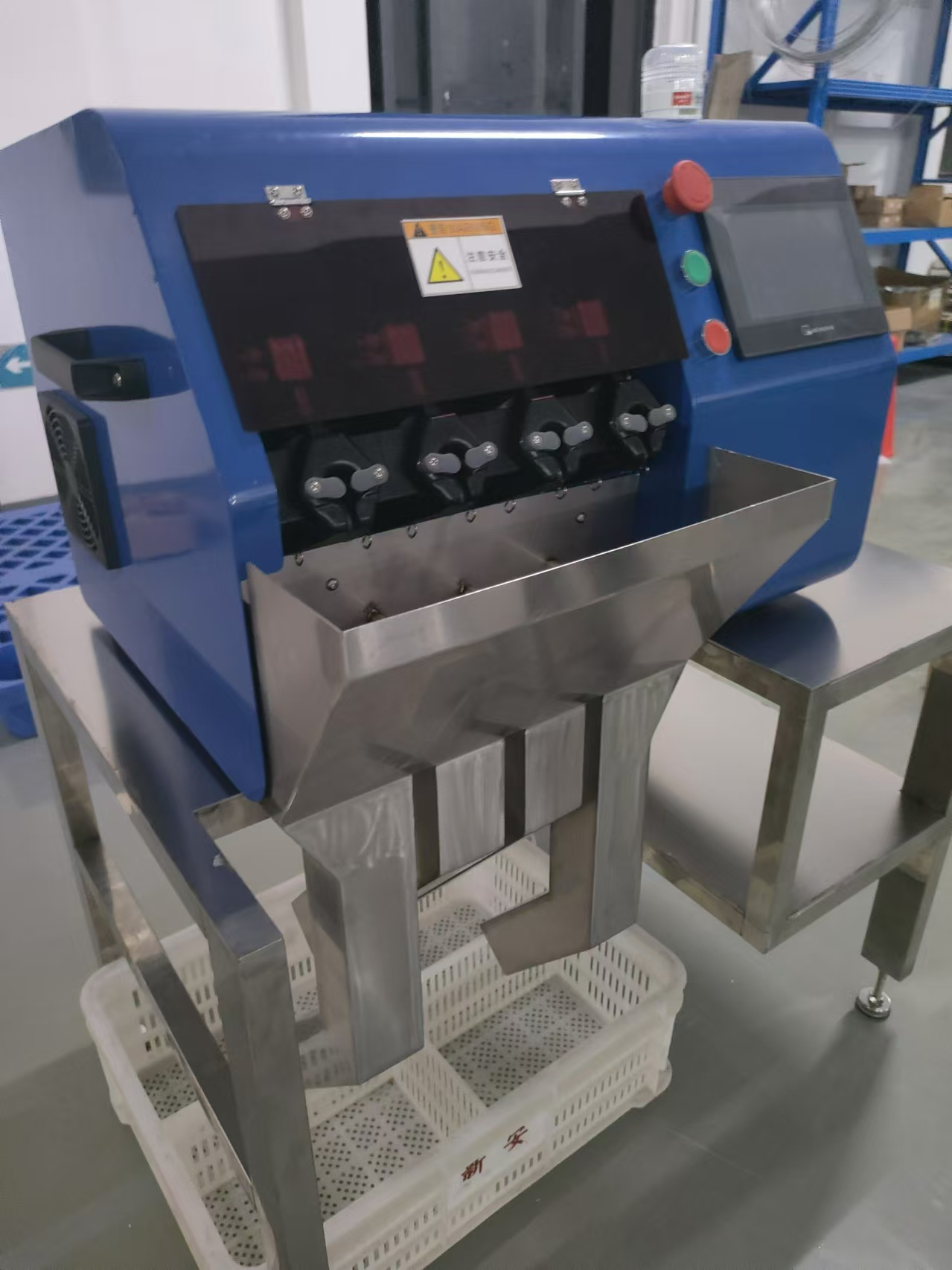
Ask for dimensions, working height, access zones, maintenance removal path, utilities, guarding interfaces, controls, alarms, and connection points. A product photograph helps people recognize the equipment; it does not prove that it fits your room or connects to your line.
For each interface, record the signal or connection, owner, test method, expected state, and open item. This is especially important when a China-based supplier is connecting to equipment already installed at the destination site.
Layer three: delivery evidence
Ask for a draft factory acceptance test, site acceptance test, document index, training outline, spare-parts basis, and support route. Include normal operation, planned stops, alarms, restart, cleaning access, records, and connected equipment within the agreed scope.
For machinery risk assessment and risk reduction, ISO 12100 provides a general framework. The destination country, customer procedures, and qualified local responsibilities still govern the complete installation.
How to Read a Supplier Video or Factory Visit
Videos and factory visits are useful when they are treated as evidence rather than entertainment. Ask the supplier to show the same details you will later need on site.
- the machine from the operator side and the maintenance side;
- loading and unloading at a realistic working height;
- controls, status messages, guarding, and access;
- the product handoff to the next station;
- cleaning access and areas where debris can collect;
- a controlled stop and the first movements after restart.
Watch the people as carefully as the machine. If an experienced technician constantly adjusts, clears, or guides the process, ask whether that work belongs in the standard operating method. The purpose is not to discredit the demonstration. It is to understand the conditions behind it.
Compare Quotes by Responsibility, Not Just Price
When quotations arrive, place each item into four columns: included, assumed, customer-supplied, and open. Use the same headings for every supplier.
| Review area | Buyer question |
|---|---|
| Machine scope | Which trimming unit, controls, guarding, change parts, and accessories are included? |
| Site work | Who prepares floor, power, air, access, lifting, and downstream connections? |
| Proof | What will be demonstrated before shipment and after installation? |
| People | Who operates, cleans, maintains, trains, and approves release? |
| Support | How are technical questions, spare parts, remote diagnosis, and urgent escalation handled? |
A lower equipment price can still rely on more manual work, extra site preparation, or specialist attendance. The useful comparison is the cost and confidence of reaching an accepted, supportable production process.
Questions About Animal Health and Welfare
Beak trimming is part of a wider animal-care and production program. The customer’s qualified veterinary, welfare, and production owners must define applicable criteria, observation, stop conditions, and release decisions. Equipment does not replace that authority.
When comparing a chick beak trimming machine supplier china, ask how the supplier documents settings, cleaning, operator training, guarding, and change control. Keep those records connected to your approved procedures and destination requirements.
What JuliSense Can Clarify for an Overseas Buyer
JuliSense can discuss infrared beak trimming equipment alongside day-old chick vaccination, transfer, conveying, stacking, and broader hatchery automation. The right scope depends on your process, room, staffing, interfaces, records, cleaning program, destination, and future expansion plan.
Use the JuliSense company profile for background, the service page for project and support discussions, and the FAQ page for common questions. When you are ready, send the workflow note, layout, batch pattern, utilities, connected equipment, and acceptance needs through the JuliSense contact page.
Prepare a Better RFQ in One Page
Your RFQ does not need to be long. It needs to be specific enough that the supplier can respond to the same job.
- State the application and chick presentation.
- Give normal and peak batch information.
- Attach a room sketch with access and utility points.
- List upstream and downstream equipment.
- Describe operator, cleaning, and shift requirements.
- Ask for scope, assumptions, FAT/SAT, documents, training, spares, and support separately.
- Request open questions with an owner and due date.
This one-page format helps a chick beak trimming machine supplier china produce a more useful answer and gives your team a clearer basis for comparing proposals.
Frequently Asked Questions
What should I ask a chick beak trimming machine supplier in China first?
Start with application fit: chick presentation, operator work, process boundary, downstream handoff, room assumptions, testing, and support. These questions show whether the supplier is responding to your hatchery or to a generic product request.
Is an infrared beak trimming machine automatically suitable for every hatchery?
No. Suitability depends on the approved process, bird type and age, presentation, staffing, room, cleaning, interfaces, and destination requirements. Ask for the assumptions behind the proposed configuration.
Should I buy a standalone machine or an integrated line module?
Choose a standalone unit when the process boundary is clear and a staged investment makes sense. Consider an integrated module when trimming must connect with vaccination, counting, transfer, conveying, or crate handling. Ask the supplier to show both the current boundary and practical expansion path.
What information helps JuliSense prepare a quote?
Share your application, batch rhythm, room layout, utilities, operator plan, connected equipment, cleaning method, acceptance questions, destination, and timeline through the JuliSense contact page.
Choose the Supplier Who Makes the Next Step Clear
The right chick beak trimming machine supplier china should make the work visible: how chicks arrive, what the operator does, what the machine proves, where the line hands off, and how the project is supported after delivery. That is the kind of practical, evidence-led conversation JuliSense aims to have with hatchery owners, procurement teams, engineers, and integrators.