


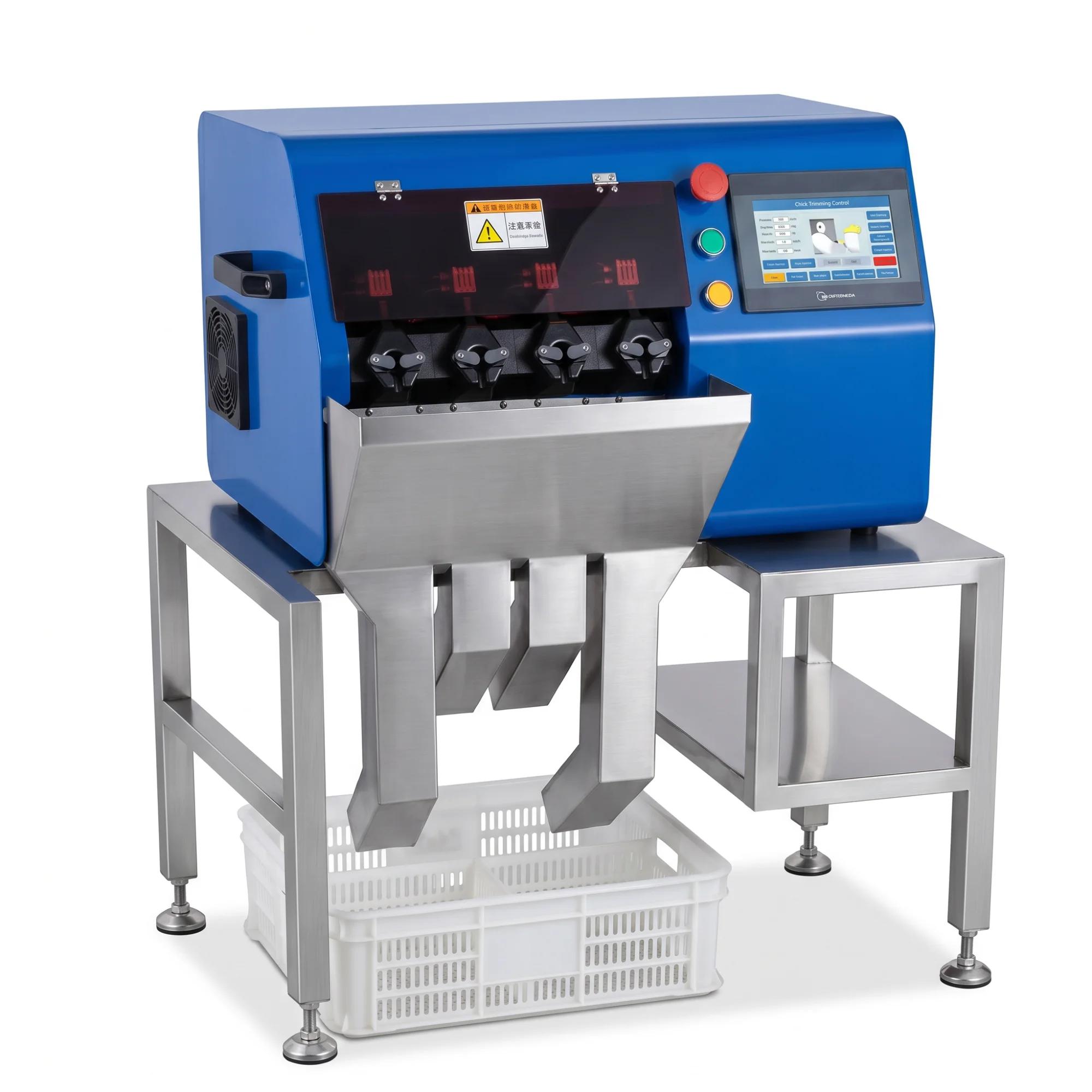
A chick beak trimming machine trial should answer a practical question: can the proposed equipment fit the hatchery's approved process without creating awkward handling, unclear controls, or avoidable interruptions? A polished demonstration is useful, but the buyer learns more by watching one normal operating window from preparation through stop and cleanup.
Thirty minutes will not prove every performance requirement. It can, however, expose the questions that deserve a longer test, a clearer quotation, or a documented acceptance method. The aim is not to chase a dramatic headline number. It is to understand the work around the machine.
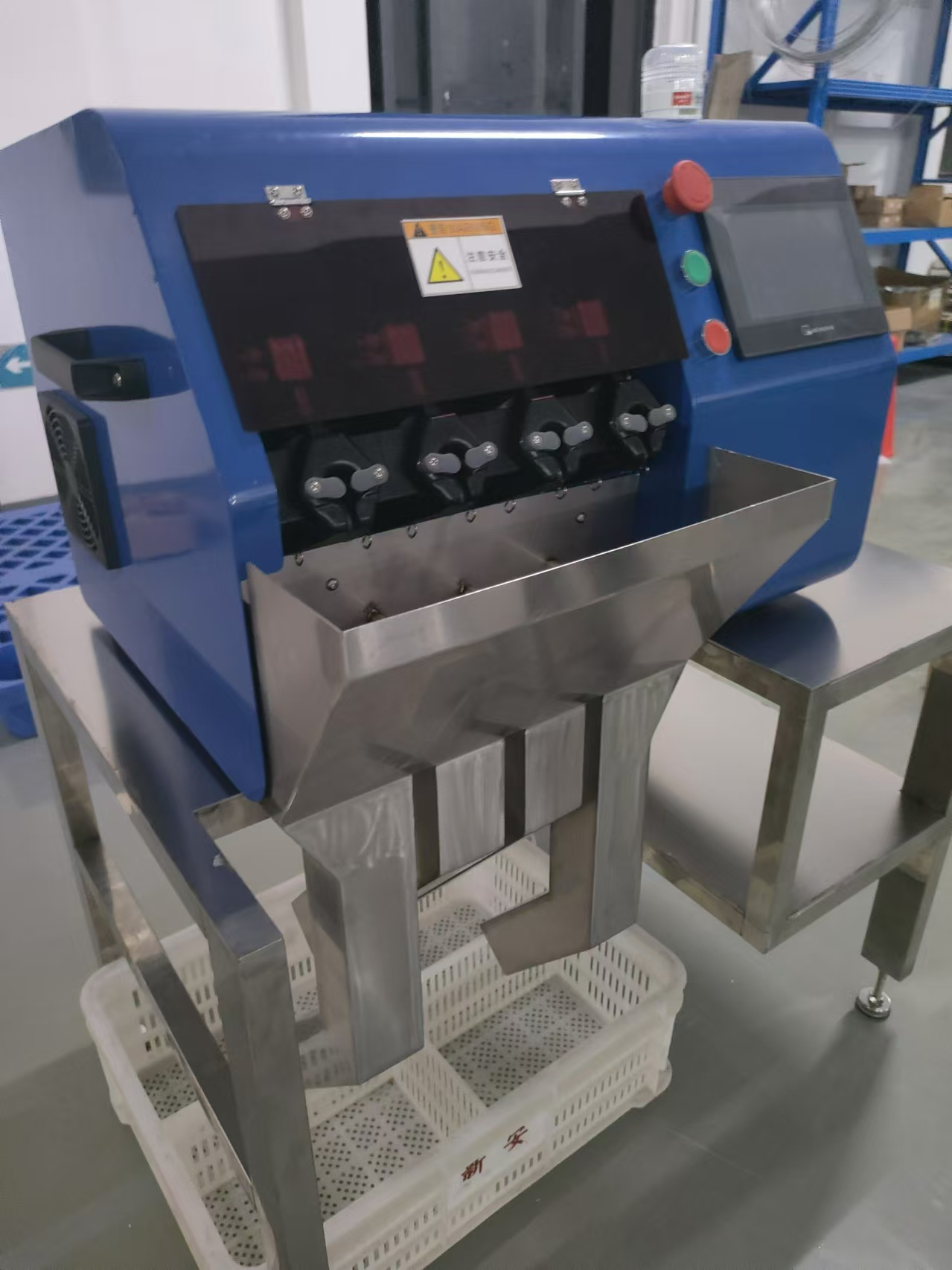
Minute 0-5: Watch the Preparation, Not the Start Button
Before the first chick reaches the station, observe how the team confirms the approved program, prepares containers, checks the work area, verifies access, and establishes the route in and out. A short setup can still be poorly controlled if operators rely on memory or search for tools after production begins.
Ask who is authorized to select or change settings. The equipment supplier can explain the control functions, but the customer's qualified technical owners remain responsible for the approved procedure, welfare requirements, and destination rules.
Jili Intelligent presents a dedicated day-old chick infrared beak trimming machine. That product page identifies the equipment family. The trial must still reflect the actual chicks, room, batch pattern, operator plan, and project configuration.
Minute 5-10: Follow the Operator's Hands and Eyes
The most revealing part of a trial is often the operator rhythm. Watch where the operator looks, reaches, pauses, turns, and transfers the chick. A layout that appears compact in a drawing may require repeated twisting, long reaches, or frequent visual checks during real work.
Put the chick beak trimming machine into a complete workstation conversation. Consider the infeed position, the discharge route, the container height, operator changes, supervision, and access for assistance. If a second person is constantly correcting the flow, the demonstration may be hiding work that will become permanent after installation.
Do not evaluate speed separately from handling quality. Record a short sequence, then discuss what caused variation. The answer may involve the machine, the operator, the container arrangement, the approved program, or the upstream supply rhythm.
Minute 10-15: Ask the Controls to Explain Themselves
Controls should help an authorized operator understand the current state without guessing. During the trial, ask the supplier to show normal running, a controlled pause, a restart, an alarm, and the boundary between operator access and supervisor access.
The following observations turn a screen demonstration into useful evidence:
| Observation | What the buyer should learn |
|---|---|
| Current state | Whether the operator can distinguish ready, running, stopped, and fault conditions |
| Program access | Who can view, select, or change approved settings |
| Alarm message | Whether the message points toward a defined response |
| Restart | What must be checked before the process resumes |
| Records | Which events or changes are available for the selected configuration |
For machinery risk discussions, ISO 12100 provides a general framework for risk assessment and risk reduction. The final project must also follow the applicable requirements at the destination.
Minute 15-20: Create One Ordinary Interruption
A demonstration that never stops cannot show how the station recovers. Ask for one planned interruption that reflects a realistic event: an unavailable container, an upstream pause, an operator change, or a controlled equipment stop.
This is where a chick beak trimming machine reveals its relationship with the wider room. Where do chicks wait? Who makes the restart decision? What happens to work already in the immediate station? Which check confirms that the approved sequence can continue?
The supplier should not invent an answer during commissioning. Stop conditions, responsibilities, temporary holding, and restart checks should be discussed before the order and reflected in the operating concept.
Minute 20-25: Look Behind the Production Surface
When production pauses, ask the team to show routine access for inspection and cleaning. Look for areas that are difficult to see, remove, reach, dry, or confirm. The question is not whether stainless steel is present. The question is whether the planned sanitation work is understandable and repeatable.
Ask what is removed, what remains installed, which tools are needed, where parts are placed, how reassembly is confirmed, and who releases the station. JuliSense can explain the equipment and proposed service scope; the customer's sanitation and quality owners should approve the site procedure.
The JuliSense service page is a useful starting point for discussing design support, integration, commissioning, training, and after-sales needs. The quotation should state which services are included for the actual project.
Minute 25-30: Turn Observations Into an Evidence List
The final five minutes should not be a sales recap. Ask each department to name one unanswered question and one item of evidence it needs next. This keeps the project from collapsing into a single capacity comparison.
The buyer should also ask whether the chick beak trimming machine shown in the trial is the same configuration described in the quotation, including options, accessories, controls, and workstation assumptions.
Production asks about rhythm
Production should record the observed operator cycle, interruptions, replenishment, container changes, and handoffs. It should also identify which part of the trial was representative and which part was staged.
Engineering asks about interfaces
Engineering should request utility information, layout dimensions, access space, control boundaries, upstream and downstream assumptions, and the site work excluded from supply.
Quality asks about traceability
Quality should define the records required for program selection, changes, exceptions, cleaning release, operators, and batch identification. Confirm what the selected configuration can provide and what remains in the customer's system.
Procurement asks about the complete scope
Procurement should connect the technical observations to the quotation: machine, accessories, guarding, supports, training, commissioning, documents, recommended spares, travel, and acceptance support.
What the Chick Beak Trimming Machine Trial Cannot Decide
A short trial cannot approve a veterinary or welfare program, prove long-term availability, replace site acceptance, or predict every production condition. It also cannot confirm a final price until the configuration and project boundary are clear.
The World Organisation for Animal Health Terrestrial Code provides internationally recognized animal-health and welfare standards. Customers should use qualified owners and applicable local requirements to determine their approved procedures.
JuliSense should be evaluated as a hatchery automation partner within its published scope: equipment design and manufacturing, project configuration, system integration, commissioning, training, and support as agreed. Buyers can review the company's focus on the About Us page.
Ten Questions to Ask After the Trial
Is a 30-minute demonstration enough for acceptance?
No. It is an early screening tool. Final acceptance should use agreed materials, conditions, methods, responsibilities, and evidence that reflect the actual project.
Should the trial use the highest available speed?
Not by default. Begin with a representative operating rhythm and observe handling, variation, stops, and recovery before discussing higher rates.
Who should attend the demonstration?
Include production, technical or veterinary owners, engineering, sanitation, quality, maintenance, and procurement when their decisions affect the purchase.
What should be recorded during the trial?
Record assumptions, configuration, approved program references, observed rhythm, interruptions, operator roles, unanswered questions, and evidence requested for the next stage.
Can the supplier recommend operating settings?
The supplier can explain equipment capability and controls. The customer's qualified owners must approve the applicable procedure and settings.
How should cleaning be assessed?
Observe access, removal, tools, reassembly, visual checks, drying, storage, and release responsibility rather than relying on material descriptions alone.
What if the operator needs frequent assistance?
Identify whether the cause is training, workstation layout, incoming flow, control clarity, container arrangement, or equipment configuration before drawing a conclusion.
Should the trial include a stop?
Yes. A controlled interruption shows how the team protects the process, handles waiting work, identifies the cause, and authorizes restart.
What belongs in the quotation after the trial?
The quotation should reflect the confirmed machine configuration, accessories, interfaces, services, documents, spares, responsibilities, exclusions, and acceptance approach.
Where can buyers send their trial requirements?
Use the JuliSense contact page to share the approved application, expected batch pattern, room layout, operator plan, required evidence, and destination.
Turn the Trial Into a Better Purchase Decision
The right chick beak trimming machine is not the unit that looks fastest during a controlled demonstration. It is the configuration whose handling, controls, stops, sanitation, interfaces, evidence, and service boundary can be understood by the people who will operate and support it.
Send JuliSense a short process description and a list of the observations your team wants to make. Jili Intelligent can then prepare a more relevant trial or configuration discussion instead of presenting a generic feature tour.