


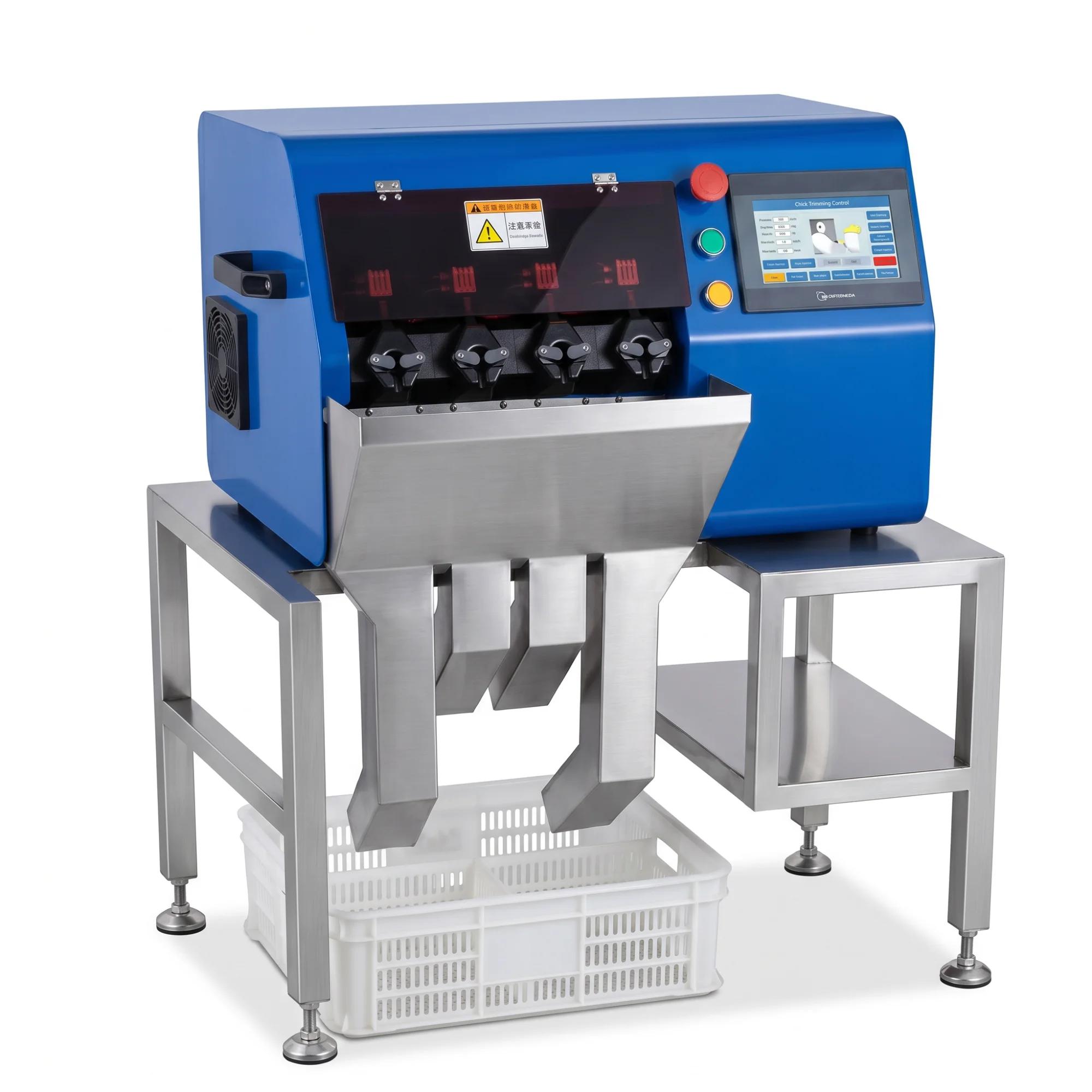
A chick debeaking machine comparison often begins with visible items: the equipment appearance, a stated operating rate, a screen, and a price. Those details matter, but they rarely explain what the hatchery team will experience after the demonstration ends.
The missed questions usually appear in the quiet moments: before the first container arrives, when one operator needs help, when the room pauses, when cleaning begins, and when the buyer discovers that an assumed service was not included. A good review brings those moments into the purchasing conversation early.
Missed Moment One: The Machine Is Ready, but the Room Is Not
Imagine the equipment has arrived and the installation team asks where incoming containers will wait. Production points to an aisle. Engineering says the utility drop is on the other side. Sanitation needs access behind the station. Procurement believed those details belonged to the supplier.
This is not a machine failure. It is a scope failure.
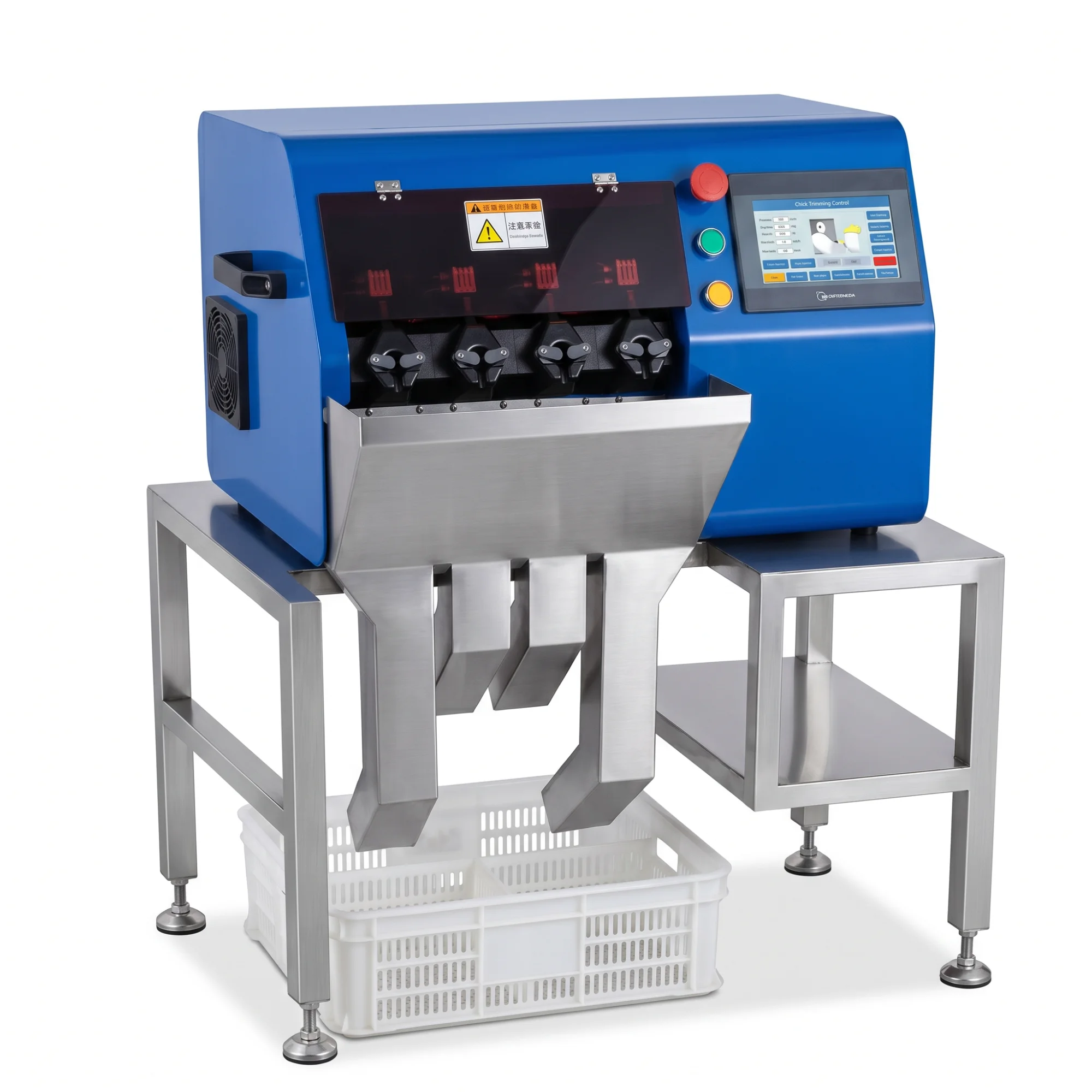
Before comparing brands, place each proposed chick debeaking machine on the actual room drawing. Add people, containers, access zones, cleaning activities, maintenance work, guarding, and the routes used during a stop. The drawing will reveal more than a footprint table.
Jili Intelligent offers a dedicated day-old chick infrared beak trimming machine within the JuliSense portfolio. Buyers should still confirm the project configuration and every interface that surrounds it.
Missed Moment Two: The Demonstration Has an Invisible Helper
During a supplier demonstration, watch everyone around the operator. Is a technician constantly arranging containers, selecting screens, correcting flow, or explaining the next action? That support may be appropriate for training, but it can also hide permanent labor.
Ask the main operator to complete a representative sequence while the rest of the group observes. Note every reach, turn, delay, correction, and request for help. Then discuss whether the cause belongs to training, workstation design, container supply, equipment configuration, or the approved process.
The point is not to remove every human action. It is to understand which actions the proposal expects and whether the hatchery has planned for them.
Missed Moment Three: A Stop Changes the Whole Comparison
Two machines may look similar during normal operation and behave very differently when the flow stops. Ask each supplier to show a controlled pause, an alarm, the information available to the operator, the restart checks, and the boundary between operator and supervisor access.
The chick debeaking machine must also fit the upstream and downstream response. Where does work wait? Who protects the process? How is an affected container identified? Who decides that production can resume?
ISO 12100 offers a general framework for machinery risk assessment and risk reduction. Buyers should connect that broader risk approach to the destination requirements and the final equipment configuration.
Missed Moment Four: Cleaning Is Described as a Material
"Stainless steel" is useful information, but it is not a sanitation procedure. A buyer needs to understand the work: what is visible, what is removable, which tools are needed, where parts are placed, how reassembly is confirmed, and who releases the station.
Invite sanitation and quality representatives into the comparison before the purchase order. Give them time to inspect access rather than asking for a quick approval at the end of a sales visit.
JuliSense can discuss equipment access and the proposed support boundary. The customer's sanitation and quality owners remain responsible for approving the site procedure. The JuliSense service page is a practical starting point for defining design support, commissioning, training, and after-sales needs.
Missed Moment Five: The Quotation Uses Familiar Words Differently
"Installation," "commissioning," "training," and "acceptance" can mean different things to different suppliers. One quotation may include supervision only. Another may assume utilities are already connected. A third may include a short training session but not translated documents or later operator support.
Turn each broad word into a sentence with a deliverable, owner, location, timing, and acceptance evidence. This changes the chick debeaking machine comparison from a price table into a project table.
| Broad word | A better buyer question |
|---|---|
| Installation | Who supplies labor, tools, utilities, lifting, connections, and site coordination? |
| Commissioning | Which materials, people, conditions, checks, and records are included? |
| Training | Which roles attend, what is demonstrated, and what documents are handed over? |
| Acceptance | What method, configuration, assumptions, and evidence determine completion? |
| Support | Which channels, response boundaries, spares, travel, and exclusions apply? |
A Buyer Debrief That Takes Twenty Minutes
After the demonstration, do not let the supplier presentation become the meeting record. Ask production, engineering, sanitation, quality, maintenance, and procurement to answer three questions separately:
- What did we actually observe?
- What did we assume because it was not shown?
- What evidence must we receive before approval?
Different answers are useful. Production may notice operator burden. Engineering may notice undefined interfaces. Quality may need records. Procurement may discover scope differences. The debrief gives JuliSense or another supplier a precise response list.
The chick debeaking machine that survives this debrief is the proposal whose assumptions can be explained, tested, assigned, and reflected in the commercial scope.
Buyers can review the complete JuliSense product range, company background on About Us, and common project questions on the FAQ page.
Keep Welfare and Technical Responsibilities Clear
Equipment suppliers can explain machine capability and controls. They should not replace the customer's qualified veterinary, welfare, safety, or regulatory owners. Those owners approve the applicable procedure, settings, monitoring, and destination requirements.
The World Organisation for Animal Health Terrestrial Code provides internationally recognized animal-health and welfare standards. It is a reference point, not a substitute for the rules and approved procedures that apply to the buyer's operation.
Ten Questions for the Next Comparison Meeting
Should buyers compare only machines with the same stated capacity?
No. Confirm how each capacity statement was defined, what materials and staffing it assumes, and whether the proposed configuration matches the project.
What should a representative demonstration include?
Include preparation, normal work, container changes, a controlled stop, restart, routine access, cleaning discussion, and the evidence required afterward.
Why watch the people around the operator?
Their assistance may reveal hidden labor, unclear controls, staging work, or an unfinished workstation concept.
Who approves operating settings?
The customer's qualified technical, veterinary, or welfare owners approve the applicable procedure. The supplier explains equipment capability and control functions.
How should buyers compare cleaning access?
Use the same site procedure assumptions and ask each supplier to show visibility, reach, removal, tool needs, reassembly, inspection, and release.
What should happen during an alarm demonstration?
The team should identify the condition, available information, safe response, affected work, restart responsibility, and any record created by the selected configuration.
Is a product video enough for evaluation?
It is useful for screening, but drawings, configuration details, workflow evidence, documents, and a representative trial are needed for a project decision.
Which quotation exclusions deserve attention?
Review utilities, civil work, labor, travel, lifting, connections, upstream and downstream equipment, translated documents, consumables, and local approvals.
How can buyers avoid a manual-like specification review?
Discuss real operating moments and ask each department what evidence it needs. The specification then becomes a response to work, not a list of features.
Where can buyers send their comparison questions?
Use the JuliSense contact page to share the room drawing, approved application, batch pattern, current workflow, and required project evidence.
Compare the Project You Will Operate
The right chick debeaking machine decision is not made by counting features. It comes from understanding the room, operator burden, interruptions, sanitation work, control responsibilities, quotation boundaries, and acceptance evidence.
JuliSense can respond more precisely when buyers send an observed workflow and a written evidence list. That turns the next discussion into a practical project review rather than another product presentation.