


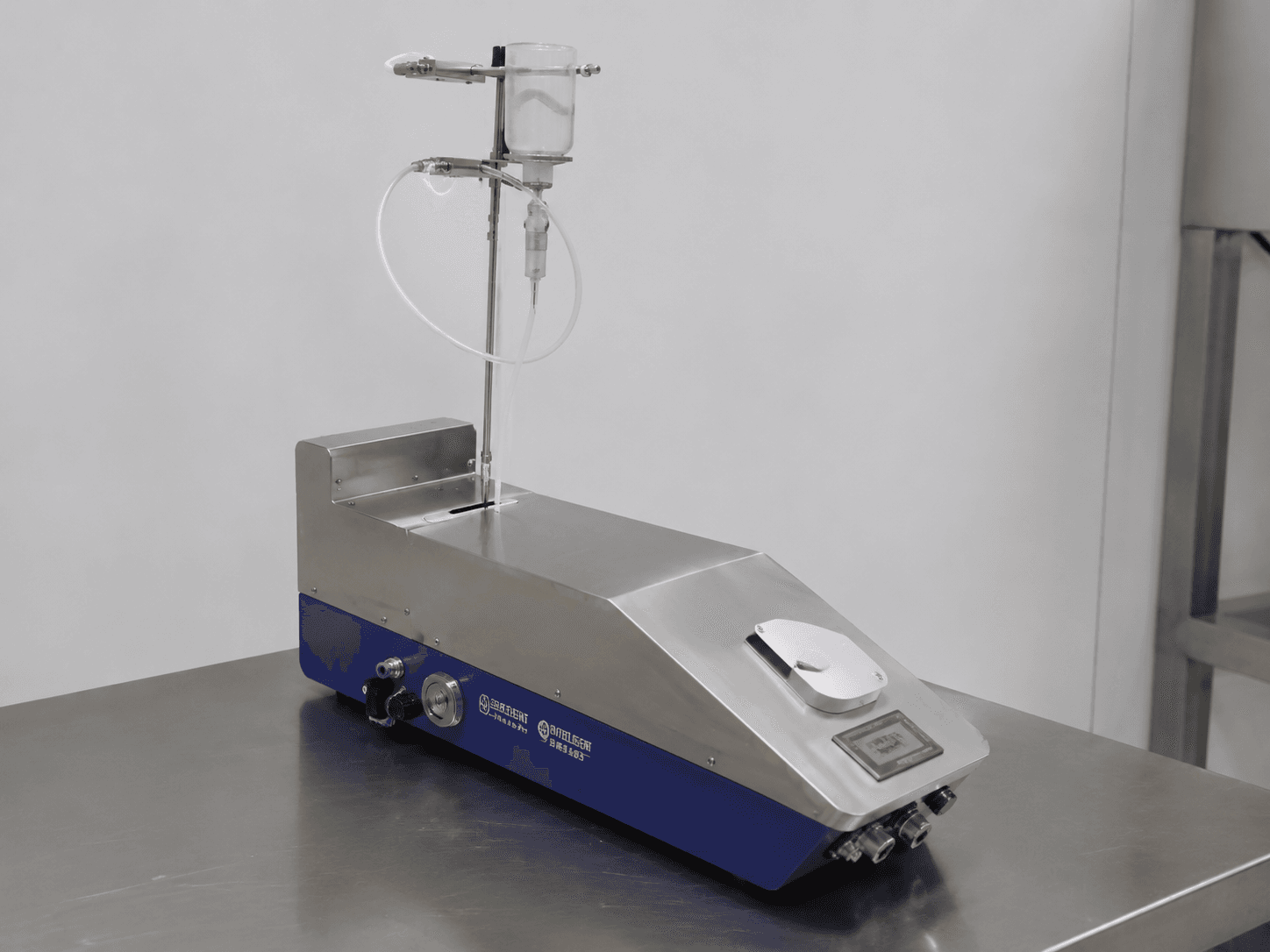
A factory acceptance test for a chick injection vaccinator should be a working meeting, not a ceremonial machine run. The buyer needs to understand what the proposed configuration does, what the demonstration does not prove, and which responsibilities remain with the hatchery's qualified veterinary, production, sanitation, quality, and engineering teams.
The strongest FAT meetings sound slightly uncomfortable. Different departments ask different questions, and the answers are connected to evidence instead of broad assurances. That is how a supplier demonstration becomes a project decision.
Open the Meeting With One Shared Definition
Before anyone watches the equipment run, agree on what is being tested. Record the machine configuration, accessories, approved demonstration materials, operating assumptions, utility conditions, operator roles, and the difference between FAT evidence and final site acceptance.
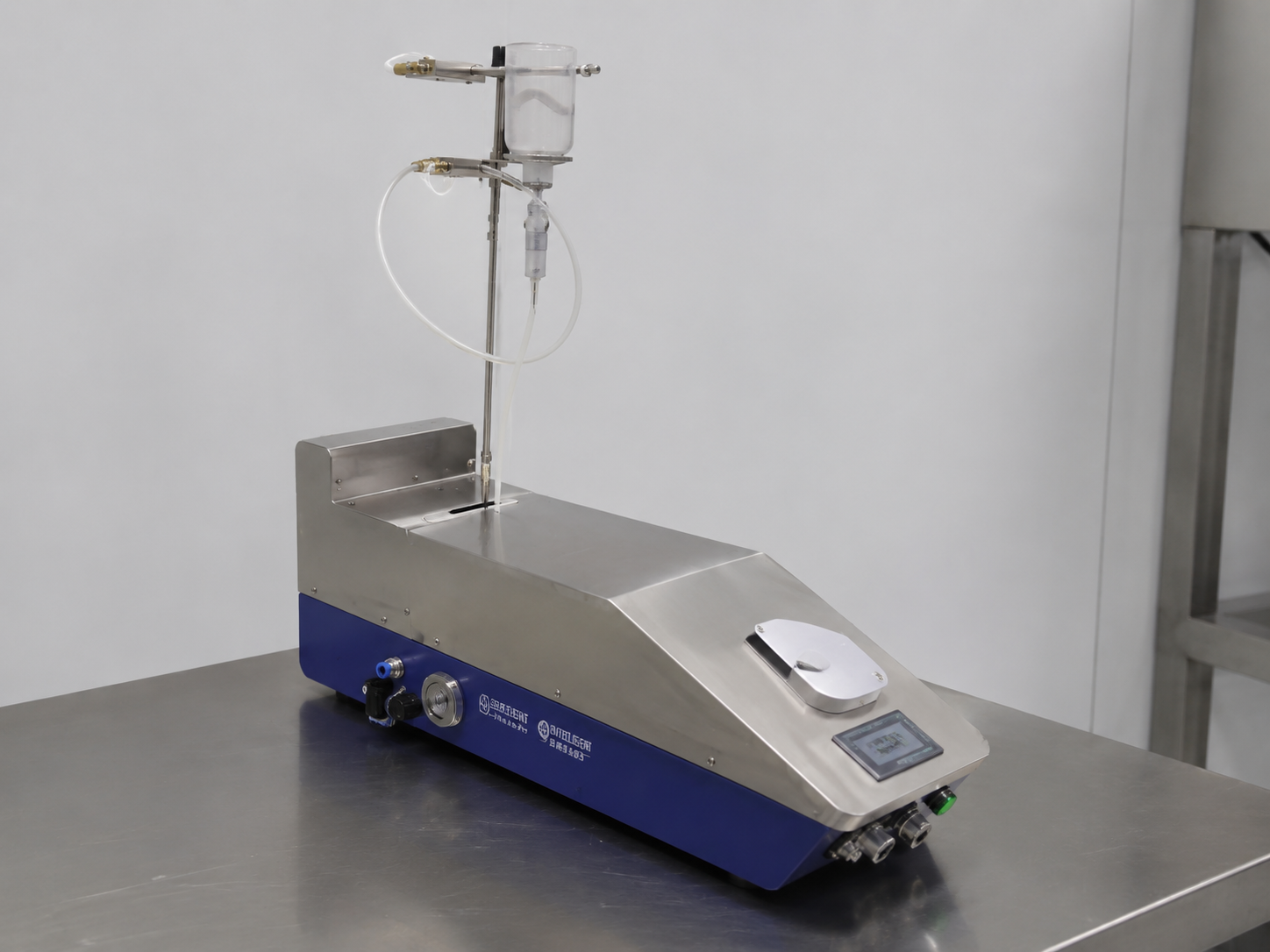
Jili Intelligent publishes a day-old chick injection vaccinator for hatchery applications. The product page helps identify the equipment family, but the FAT agenda must follow the customer's actual application and contract scope.
The supplier should explain equipment functions and the buyer should provide the approved technical program. Neither side benefits when the meeting quietly treats a demonstration setting as a universal recommendation.
The Veterinary Chair Asks What the Machine Does Not Decide
The veterinary or technical owner should clarify the boundaries first. The equipment may support a controlled injection workflow, but the customer is responsible for the approved vaccine program, biological decisions, applicable rules, and professional oversight.
For a chick injection vaccinator, the useful FAT questions concern repeatable equipment behavior around the approved program: how the selected setup is prepared, how access is controlled, how changes are authorized, how exceptions are handled, and what evidence is available.
The USDA APHIS Defend the Flock program provides biosecurity resources for poultry operations. Buyers should connect equipment handling and cleaning discussions to their own approved biosecurity plan rather than treating the machine as a substitute for that plan.
The Production Chair Follows One Complete Cycle
Production should avoid beginning with a headline output number. Follow one complete operating cycle from preparation to handoff and identify every operator action, wait, replenishment, check, and transfer.
Ask the supplier to demonstrate normal work, a change in operator, a pause in incoming supply, and a controlled stop. Record what happens to the immediate work area and how the team decides that operation can resume.
The meeting should distinguish machine time from total workstation time. A short equipment cycle does not automatically create a stable production rhythm if containers, supplies, operator movement, downstream transfer, or documentation cause frequent delays.
The Quality Chair Builds the Evidence Table
Quality needs to know what can be demonstrated, recorded, and reviewed for the selected configuration. A useful FAT evidence table might look like this:
| Evidence area | FAT question | Project follow-up |
|---|---|---|
| Configuration | Is the tested unit the offered configuration? | Link model, options, and accessories to the quotation |
| Access | Who can select or change operating parameters? | Define user roles and authorization |
| Exceptions | How are stops and unusual events identified? | Agree the response and record requirement |
| Cleaning | What is removed, inspected, and reassembled? | Create the site procedure and release record |
| Documentation | Which manuals and drawings are available? | List language, format, revision, and delivery milestone |
| Acceptance | Which observations count as pass evidence? | Separate FAT, installation, and site acceptance criteria |
This table keeps the chick injection vaccinator discussion tied to reviewable evidence. It also prevents the final contract from depending on memories of what someone said during the demonstration.
The Sanitation Chair Stops the Demonstration
Sanitation should ask the supplier to pause and show routine access. Observe surfaces, removal points, small components, tubing or supply paths where applicable, tools, storage, reassembly, and visual confirmation.
Do not ask only whether the machine is easy to clean. Ask the demonstrator to show the sequence and identify which steps belong to trained operators, sanitation staff, or maintenance. Then discuss how the site will approve and document its own procedure.
The customer's program determines cleaning agents, intervals, release criteria, and local controls. JuliSense can explain the equipment boundary and provide agreed training or documentation through the project scope.
The Engineering Chair Interrupts the Line
Engineering should request a controlled stop and restart because interfaces become visible when the rhythm breaks. Ask what signal or physical condition stops the station, what remains energized, what operator access is permitted, and what must be checked before restart.
For general machinery risk assessment and risk reduction, ISO 12100 provides a recognized framework. The installed project must also comply with applicable destination requirements and the customer's site standards.
Engineering should leave the FAT with utility information, layout dimensions, access requirements, support points, connection assumptions, control boundaries, and a list of site work that is not included.
The Maintenance Chair Opens the Service Conversation
Maintenance should ask which routine inspections are expected, which parts are considered wear or commissioning spares, which faults operators may clear, and which events require qualified service support.
A chick injection vaccinator purchase is easier to defend when the spare-parts logic follows the equipment configuration and operating plan. Avoid a generic spare list with no relationship to commissioning, routine work, local stock policy, or lead time.
The JuliSense service page can support discussion of design, integration, commissioning, training, and after-sales needs. Each promised activity should still be written into the quotation or contract.
The Procurement Chair Connects Evidence to the Contract
Procurement should ask whether the FAT unit, accessories, guarding, documents, training, installation support, travel, commissioning, and acceptance assistance match the commercial offer.
The meeting should produce a short action list with owners and dates. An open item may be acceptable, but an invisible open item is a future dispute. Record whether each item changes the equipment configuration, delivery scope, site preparation, acceptance method, or price.
Jili Intelligent's role should be described accurately. JuliSense focuses on intelligent automation equipment and integrated solutions for poultry hatcheries, with project services defined according to the agreed scope. Buyers can review that positioning on the About Us page.
Ten Questions for the FAT Minutes
Is FAT the same as site acceptance?
No. FAT checks agreed items before shipment. Site acceptance also depends on installation, utilities, interfaces, site materials, operators, and local conditions.
Who approves the vaccination program?
The customer's qualified veterinary or technical owner approves the program. The supplier explains equipment capability and the tested configuration.
Should the FAT use production chicks?
The test materials and method must be agreed by qualified owners and comply with applicable requirements. Do not assume a supplier demonstration defines the customer's approved procedure.
What configuration should appear in the minutes?
Record the model, options, accessories, controls, software or program references where relevant, and any difference between the tested and offered unit.
Should a stop and restart be included?
Yes. A controlled interruption helps expose handling, decision, access, alarm, and interface requirements that normal running may hide.
What cleaning evidence is useful?
Record the demonstrated removal, access, inspection, reassembly, tools, and responsibility boundaries, then develop the site's approved procedure separately.
How should operator training be reviewed?
Define the audience, language, timing, materials, practical exercises, and evidence of completion rather than accepting the word "training" alone.
What documents should be listed?
List manuals, drawings, utility data, parts information, maintenance guidance, test records, and required language, format, revision, and delivery timing.
Can unresolved items remain after FAT?
Yes, if each item has an owner, required evidence, effect on shipment or site work, and an agreed closure milestone.
How can a buyer start a FAT discussion with JuliSense?
Send the approved application, configuration questions, intended workflow, required documents, acceptance expectations, and destination through the contact page.
Close the Meeting With Decisions, Not Applause
The right chick injection vaccinator FAT does not end when the machine completes a smooth cycle. It ends when the buyer knows what was demonstrated, what remains open, who owns each decision, and how the evidence will enter the contract and site acceptance plan.
Ask JuliSense to review the FAT agenda before the visit. A shared agenda gives Jili Intelligent time to prepare the correct configuration, documents, people, and demonstrations for a useful cross-functional meeting.