


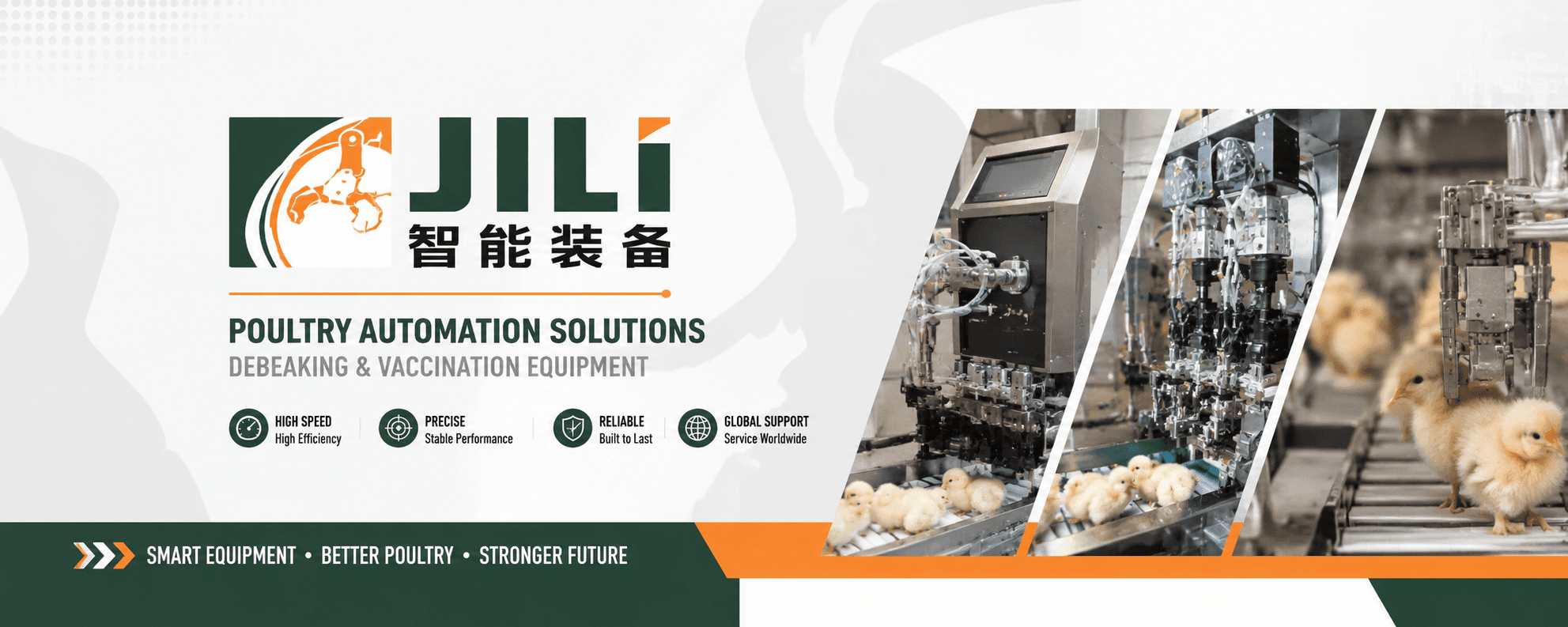
A chick processing line cost is easier to control when the budget is divided into three layers: core equipment, site integration, and production ramp-up. A single total hides where the money goes and makes later changes difficult to explain.
Jili Intelligent's product range covers key day-old chick handling and automation modules. This three-layer model helps buyers phase a project without losing the interfaces needed for future expansion.
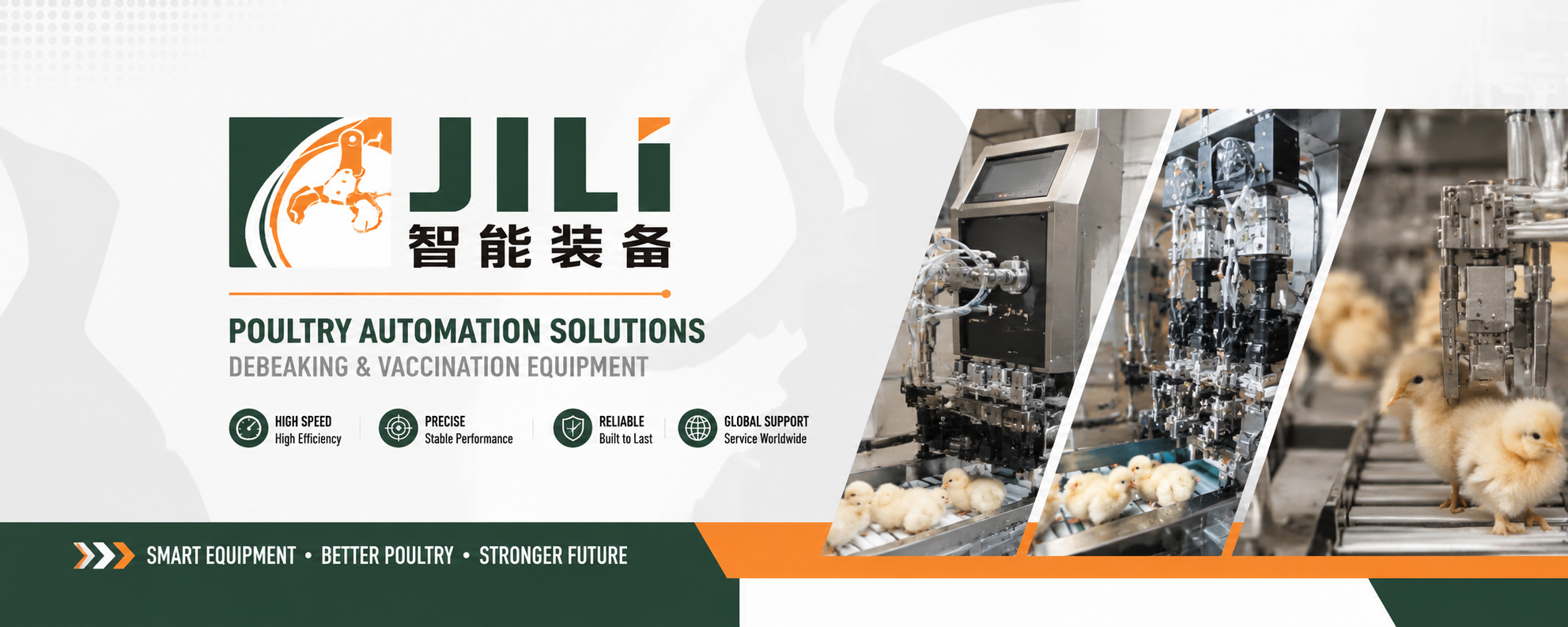
Layer 1: Core Equipment Creates the Processing Route
Begin with the actual workflow, not a shopping list. Map the route from chick picking or transfer through approved treatment or vaccination, counting, loading, conveying, stacking, and dispatch. Include crate or tray handling where it belongs in the operation.
For each station, define the application, normal and peak arrivals, required handoff, operator role, technical release, and what happens when the next station stops.
Jili Intelligent publishes equipment for day-old chick picking and transfer, infrared beak trimming, combined vaccination, and conveying and stacking. The customer should select only the modules supported by its approved process and measured bottleneck.
Layer 1 should show base machines, controls, guarding, normal accessories, optional modules, initial spares, and documents. It should also state which future connections are reserved but not purchased yet.
Layer 2: Site Integration Makes the Machines Operate Together
This layer covers layout work, foundations or supports, unloading, positioning, utilities, local electrical work, compressed air preparation, drainage where relevant, external guarding, cables, controls, interfaces, network requirements, and surrounding equipment changes.
It also includes the space and labor required for access. A line that fits on a drawing may still be difficult to clean, maintain, inspect, or recover after a stop.
Create a responsibility matrix with one owner for every interface. Mark supplier items, customer items, local-contractor items, and open decisions. Add readiness dates so commissioning is not delayed by unfinished site work.
When estimating chick processing line cost, keep site integration visible. Moving it outside the equipment quotation does not remove it from the investment.
Layer 3: Ramp-Up Turns Installed Equipment Into Usable Output
Ramp-up includes factory acceptance preparation, trial materials, shipping protection, customs or destination handling, installation support, commissioning, role-based training, sanitation validation boundaries, production trials, early support, and initial spare-parts availability.
Define success measures before startup. Useful measures may include manual touches, queue time, restart time, changeover duration, recurring alarms, staffing stability, maintenance completion, and usable shift output.
The budget should allow time for learning. A machine can be mechanically complete while the surrounding workflow, staffing, records, and exception ownership still need adjustment.
Jili's service page provides a starting point for support discussions. The project offer should specify the exact training, commissioning, travel, and response scope.
Add a Fourth Column for Future Options
The three layers explain today's investment. A fourth planning column can protect tomorrow's expansion.
List future modules, reserved floor space, utility capacity, control interfaces, conveyor connection points, and possible throughput constraints. Record which items must be included now and which can wait.
Jili also publishes complete hatchery automation solutions. A phased concept can discuss the whole route without forcing every module into the first purchase order.
Review the Budget at Three Decision Dates
At concept approval, confirm the workflow and business boundary. At design freeze, confirm equipment, interfaces, responsibilities, and exclusions. Before shipment, confirm readiness, acceptance evidence, training, spares, and open-item closure.
Finance should see changes by layer. Operations should see the workflow effect. Engineering should see the interface effect. Procurement should see the commercial effect.
Frequently Asked Questions
Which layer is most often underestimated?
Site integration and ramp-up are often less visible than machines. Their importance depends on the existing room, utilities, local work, interfaces, destination, and support scope.
Can a processing line be purchased in phases?
Yes. Phasing works best when the initial design reserves compatible space, utilities, controls, handoffs, and access for later modules.
Should cost be compared per machine or per usable output?
Compare both. Machine prices explain scope, while usable output also reflects arrivals, staffing, replenishment, stops, recovery, changeovers, and downstream dispatch.
Budget the Whole Route, Not Only the Machines
A reliable chick processing line cost separates equipment, site integration, and ramp-up while keeping future options visible. That structure lets management understand the investment and lets project teams control changes.
Send Jili Intelligent your workflow, batch profile, layout, utilities, existing equipment, destination, service needs, and expansion plan through the contact page. Ask for a layered concept and responsibility map.