


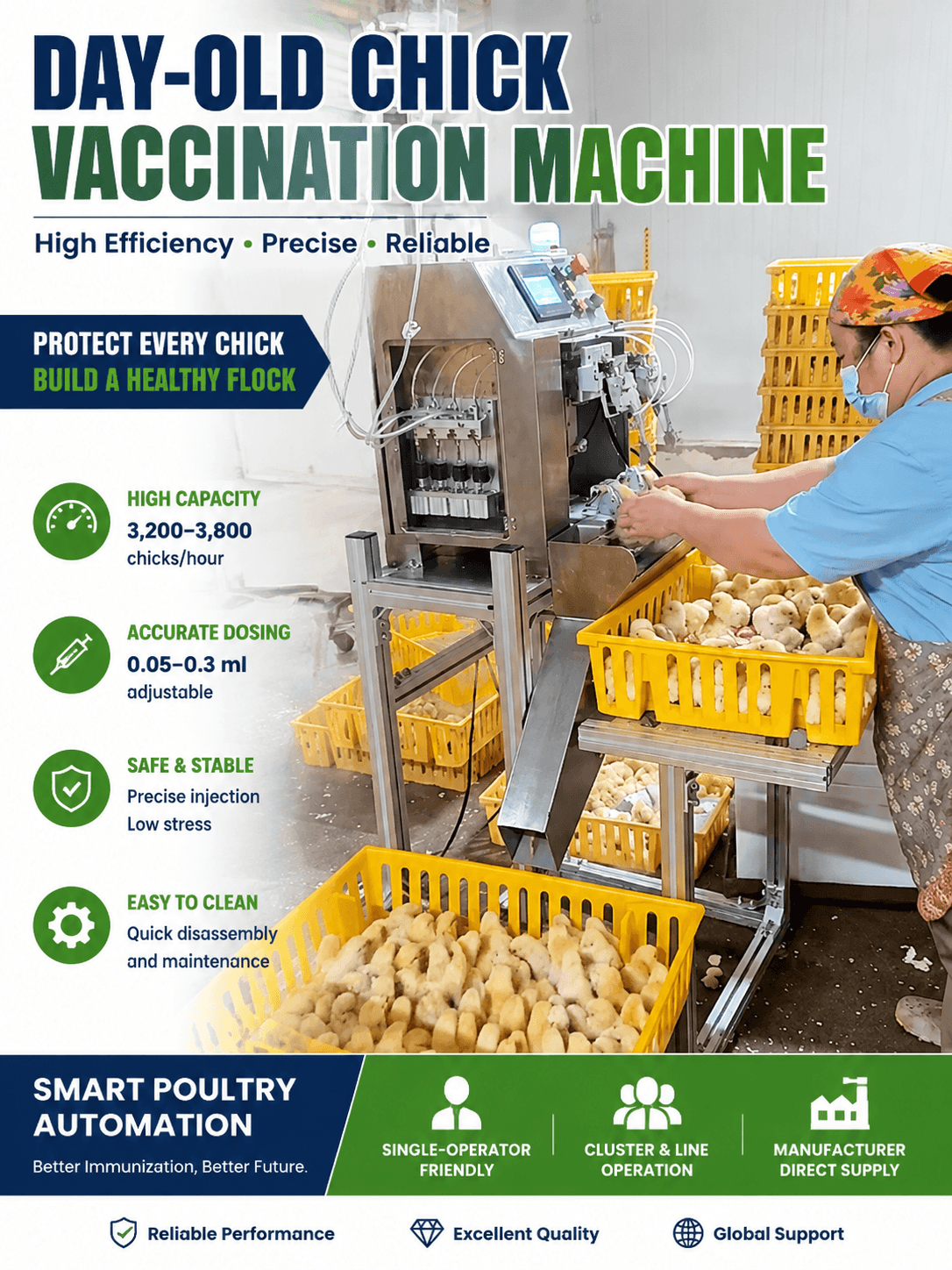
A chick vaccination equipment manufacturer may present a standard machine, but real projects often introduce changes: electrical supply, controls, guarding, operator arrangement, line connection, documentation, or destination requirements.
The quality of the manufacturer becomes visible in how one change is requested, reviewed, approved, tested, documented, and handed over.
Step One: Describe the Reason for the Change
Begin with the operational need, not a preferred technical solution. For example, the customer may need a different line handoff because the existing room has limited access. That is clearer than asking the manufacturer to “move the conveyor” without context.
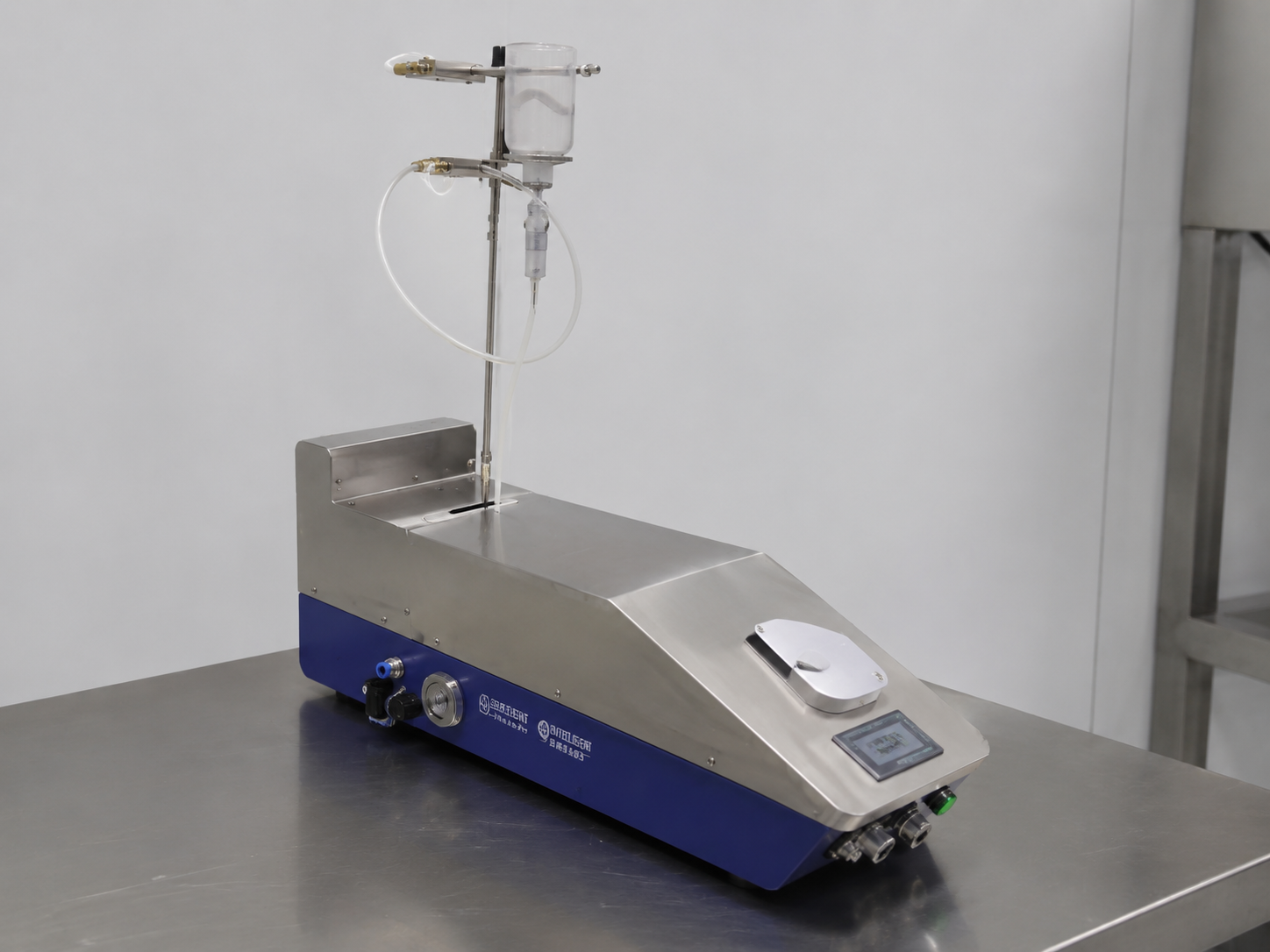
Jili Intelligent publishes a day-old chick injection vaccinator. The responsible customer veterinary team defines the approved vaccination program, procedure, verification, and release. The equipment change should support that approved job without silently changing its boundary.
Record the affected batch flow, operators, utilities, cleaning, maintenance, controls, and surrounding equipment.
Step Two: Review Every Affected Interface
One mechanical change can affect guarding, sensors, cables, operator reach, cleaning access, documentation, packing, installation, and test procedures.
Ask the manufacturer to provide an impact list. Which drawings change? Does the controller or software change? Are spare parts affected? Does the change alter site work, delivery time, training, or acceptance?
When choosing a chick vaccination equipment manufacturer, look for disciplined questions rather than immediate agreement. A fast “yes” is not evidence that the full effect has been reviewed.
Step Three: Approve Scope, Cost, and Schedule Together
A change is not approved only because engineering accepts the drawing. Procurement needs the price and commercial effect. Production needs the operating effect. Quality and veterinary teams need to review their responsibilities. The project manager needs the schedule.
Use one change record with the reason, affected documents, technical decision, price, schedule, owners, approval date, and test requirement. This prevents separate email threads from becoming conflicting instructions.
If the change is rejected or postponed, record that decision too.
Step Four: Test the Changed Condition
The factory acceptance plan should include the changed interface, not only the original machine sequence. Test normal operation and at least one condition that places pressure on the change.
For a line connection, create a short upstream or downstream pause. For operator access, demonstrate startup, replenishment, cleaning access, and recovery. For controls, show status, alarms, permissions, and restart behavior.
Equipment acceptance confirms the offered configuration under agreed conditions. Customer veterinary or production validation remains a separate responsibility.
Step Five: Update the Handover File
The final drawings, manuals, parts list, configuration record, backups, test results, training material, and site instructions should all describe the machine that was actually delivered.
Old documents create long-term risk. A technician may order the wrong part or follow an obsolete layout months after commissioning. Mark superseded documents and identify the current revision clearly.
Jili's service information can support the handover discussion. Project documents should state the revision and machine identity that each record covers.
Step Six: Explain the Change to the People Who Use It
Training should show what changed, why it changed, and which actions are now different. Operators, sanitation staff, maintenance, and managers do not need the same explanation.
Operators need the new sequence and limits. Sanitation needs access and reassembly. Maintenance needs parts, adjustment, alarms, and drawings. Managers need acceptance status and open risks.
Ask one person from each role to demonstrate the changed task. This is stronger evidence than an attendance list.
What Buyers Should Ask During a Factory Review
Request one anonymized example of change control or ask the manufacturer to simulate the process using your proposed project change. Look for a numbered record, impact review, drawing revision, approvals, test update, and final handover.
Also ask who owns mechanical, electrical, controls, documentation, and service decisions. A manufacturer may have capable equipment but weak coordination between teams.
Jili supplies injection, spray, preparation, combined infrared treatment and vaccination, and connected automation equipment. The specific project still needs a controlled configuration and clear customer approval boundary.
Frequently Asked Questions
Which changes should be formally controlled?
Control changes that affect configuration, interfaces, controls, safety, access, cleaning, maintenance, documents, site work, acceptance, cost, or schedule.
Can a change be approved during a chat or video call?
Discussion can happen there, but the final decision should be recorded with scope, revision, owners, cost, schedule, and test effect.
Who approves vaccination-process changes?
The responsible customer veterinary and technical teams approve the vaccination program and validation. The manufacturer controls equipment configuration within the agreed boundary.
A Controlled Change Protects the Delivered Machine
The strongest chick vaccination equipment manufacturer does not treat customer changes as informal favors. It converts them into reviewed, approved, tested, and documented project decisions.
Send Jili Intelligent your approved application, proposed configuration, layout, interfaces, destination, and document requirements through the contact page. Ask how changes will be controlled before the first one occurs.