


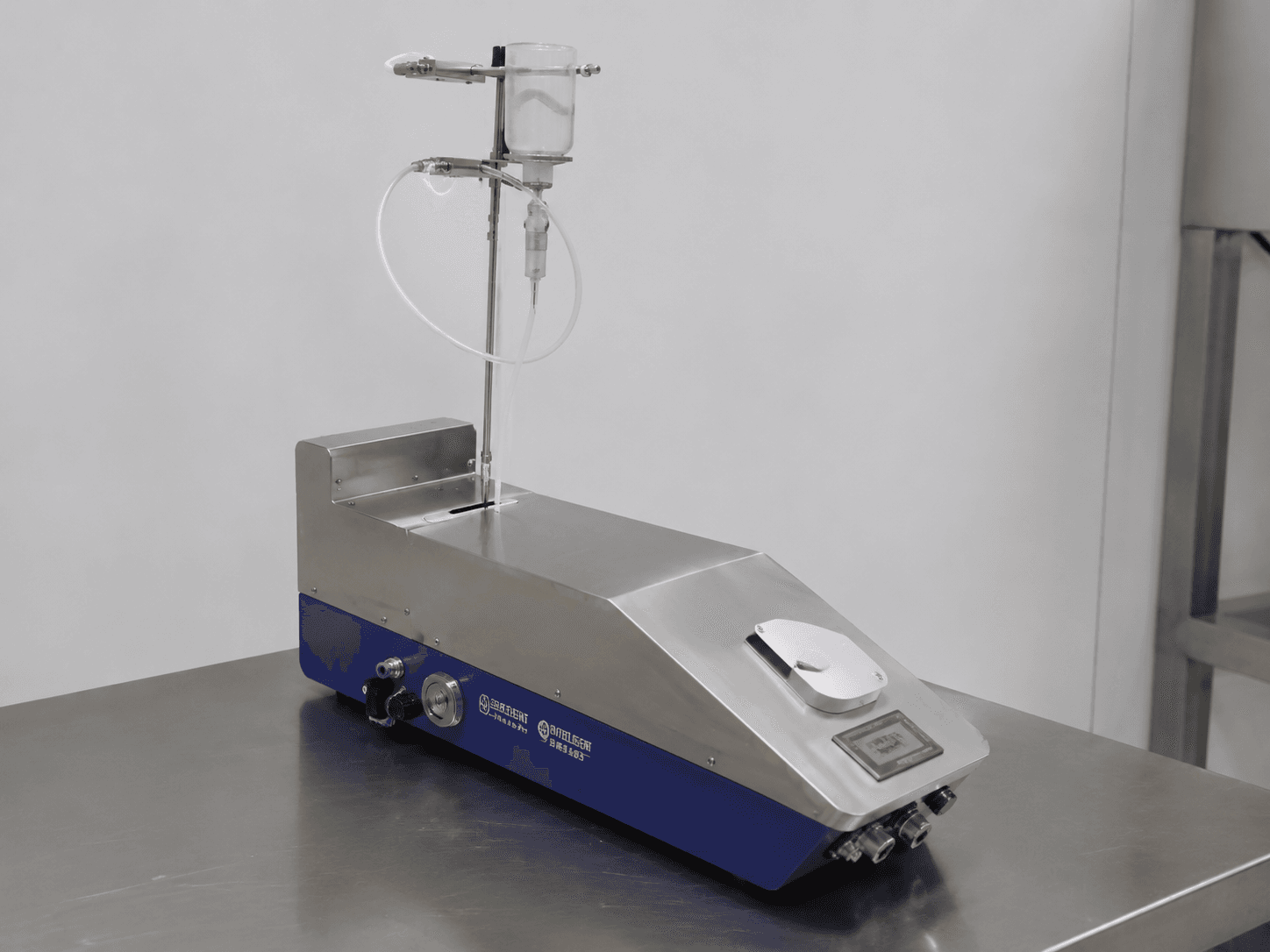
A chick vaccination machine supplier evaluation often concentrates on the demonstration day. Yet the supplier relationship becomes clearer after the machine is installed, operators change shifts, supplies are replenished, a part needs identification, and the customer asks a question without a visiting technician standing nearby.
Use a four-date calendar: day 0 before order, day 30 around installation and commissioning, day 90 after early operation, and day 365 when support, parts, documentation, and internal knowledge have had time to show their value.
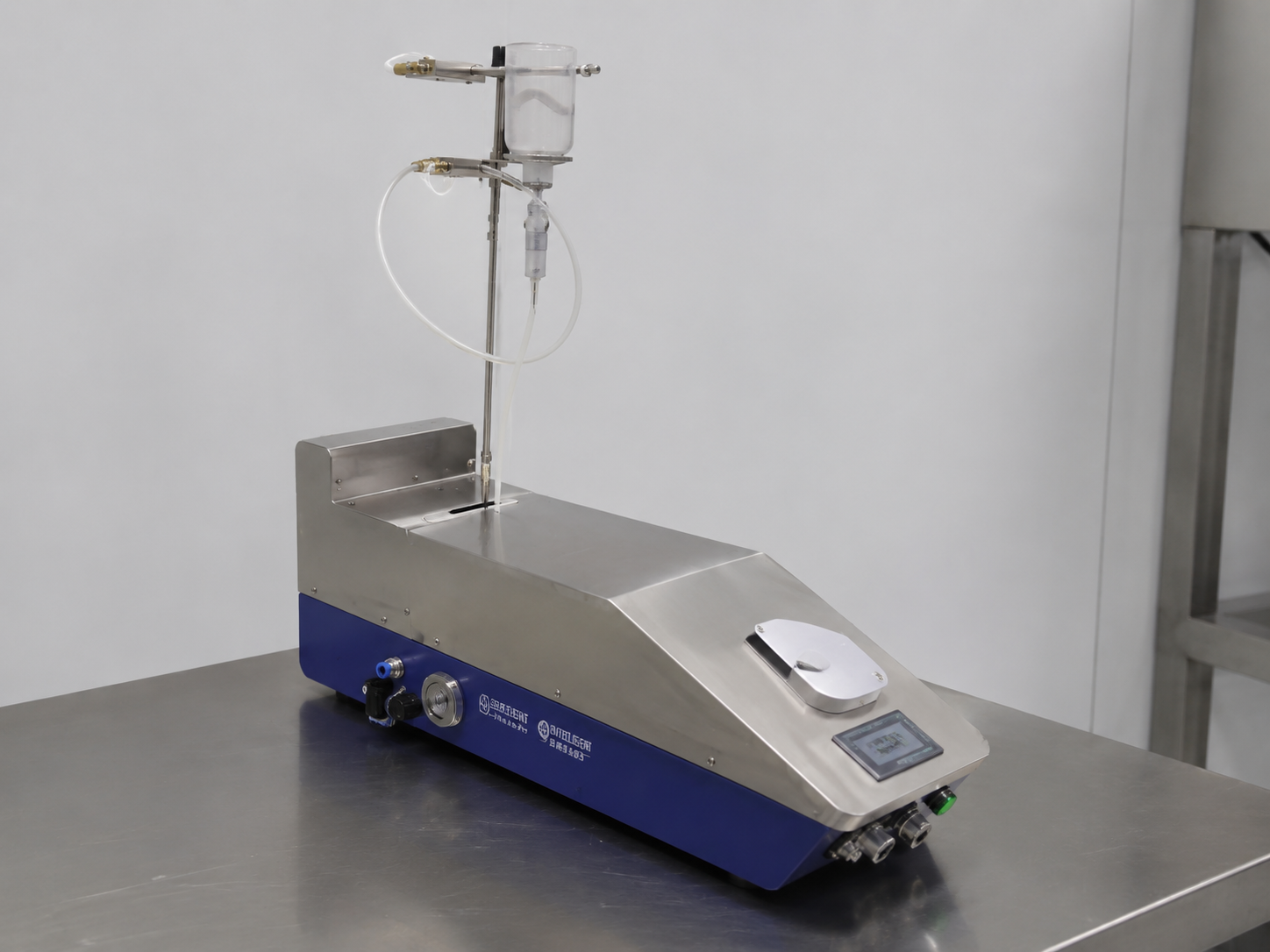
Day 0: Can the Supplier Define the Job Clearly?
Before discussing price, the supplier should ask about the customer's approved vaccination application, chick and workflow context, room, staffing, supplies, integration, destination, and acceptance expectations. A quotation built without those inputs may be fast but difficult to compare.
The chick vaccination machine supplier evaluation starts by testing whether those questions are asked clearly and recorded accurately.
Jili Intelligent presents chick vaccination equipment through the JuliSense product portfolio. Final configuration and project commitments should be confirmed in the quotation and contract.
Look for questions, not instant certainty
A useful supplier identifies missing information and explains how it affects configuration, interfaces, test conditions, documents, or price. Unsupported certainty can hide important assumptions.
Ask for an itemized boundary
The offer should distinguish equipment, accessories, controls, documents, training, testing, commissioning, recommended spares, customer work, and exclusions.
Day 0 Evidence Should Travel Into the Purchase Order
The early chick vaccination machine supplier evaluation should create a scope record that purchasing, engineering, veterinary, production, and quality teams all recognize. If each department is working from a different promise, later meetings will reopen the same decision.
Connect each claim to evidence
Ask how capacity, configuration, control, cleaning access, training, and service claims will be demonstrated or documented. Avoid treating a brochure sentence as acceptance criteria.
Record application ownership
The customer's qualified veterinary and regulatory owners remain responsible for approving the applicable procedure, materials, settings, and site records. The supplier explains machine capability within the ordered scope.
Day 30: Can the Supplier Organize Readiness?
Installation and commissioning reveal whether the supplier can turn drawings and equipment into a coordinated project. Useful readiness planning covers site access, utilities, interfaces, materials, containers, people, procedures, safety, documents, and decision owners.
For machinery risk assessment and risk reduction, ISO 12100 is a general reference. The final machine and installation must follow applicable requirements, instructions, and destination rules.
Check the arrival package
Can the customer identify shipment units, included accessories, recommended spares, drawings, inspection information, and open items? Missing context at arrival creates unnecessary dependence on memory.
Check role-based training
Operators, supervisors, maintenance, sanitation, quality, and technical owners need different information. One general presentation is not evidence that each role can perform its responsibilities.
Build the Chick Vaccination Machine Supplier Evaluation Calendar
Use the same evidence categories at every date:
| Date | Main supplier question | Evidence to retain |
|---|---|---|
| Day 0 | Is the job and boundary defined? | Requirements, quotation, interface list, acceptance plan |
| Day 30 | Can equipment and site be coordinated? | Readiness record, installation checks, training, commissioning log |
| Day 90 | Can the customer operate without constant prompting? | Customer-led run, issue history, parts requests, updated documents |
| Day 365 | Does support remain usable? | Response records, parts route, document control, improvement review |
The calendar is not a promise that every project follows identical dates. It is a buyer tool for asking how supplier value should remain visible over time.
Give every date an owner
Procurement may own the commercial review, while production, veterinary, engineering, or maintenance owns specific evidence. Name who decides whether each stage is ready to close.
Carry open items forward visibly
An item that moves from day 30 to day 90 should retain its original observation, impact, owner, required evidence, and agreed date.
Day 90: Can the Customer Team Lead the Work?
By this stage, authorized customer teams should understand normal states, routine checks, approved operating actions, escalation, cleaning access, records, and the parts and support route relevant to the selected machine.
The World Organisation for Animal Health Terrestrial Code offers internationally recognized animal-health and welfare references. Customer procedures must follow qualified decisions and applicable local requirements.
Ask the supplier to step back
Under agreed conditions, let customer roles prepare, operate, pause, explain the state, clean, and hand over. Supplier observation can reveal where training or documents still rely on one visiting specialist.
Review the questions that actually arrived
Group early questions by operator use, maintenance, sanitation, veterinary ownership, documents, parts, interfaces, or commercial scope. Repeated questions often point to a missing visual control or weak handover.
Day 365: Can Support Survive Staff and Schedule Changes?
A strong supplier relationship should not depend on one salesperson or one customer engineer. By day 365, the support route, equipment identity, configuration record, parts information, and document revisions should remain findable.
JuliSense outlines design, commissioning, training, and after-sales discussions on its service page. Exact service levels and commercial terms should be defined for the project.
Test the parts question
Choose one routine wear or service item relevant to the selected equipment. Can the customer identify it correctly, provide machine context, request it through the agreed route, and understand what is included or chargeable?
Test the document question
Can the team find the current approved drawing, manual, configuration record, training evidence, and open-item history without searching old personal messages?
Test the escalation question
Everyone should know which issue belongs to production, the customer's qualified veterinary team, local maintenance, or supplier support. Clear boundaries improve response quality.
Compare Suppliers With the Same Calendar
Apply the four dates to every serious bidder. One supplier may offer more equipment, another more site support, and another a simpler scope. The calendar makes differences visible without assuming that more is always better.
Using one chick vaccination machine supplier evaluation calendar also keeps comparison criteria stable when proposals arrive in different formats.
Compare exclusions at day 30
Ask what the customer must arrange for installation, utilities, local labor, lifting, test materials, interpretation, travel, accommodation, and site approvals.
Compare support at day 365
Ask how machine identity, remote discussion, parts, documents, and site service are handled under the proposed commercial terms and destination.
Ten Questions for a Supplier Review
Does the supplier understand the approved application?
It should ask for customer-owned veterinary and process inputs without claiming to replace qualified decisions.
Is the quotation itemized?
Look for equipment, accessories, interfaces, documents, tests, training, commissioning, spares, customer work, and exclusions.
How will important claims be proven?
Link claims to drawings, records, representative tests, demonstrations, documents, or authorized acceptance evidence.
Who manages site readiness?
Name supplier and customer owners for access, utilities, materials, people, procedures, interfaces, and release.
Is training role based?
Define separate outcomes and evidence for operators, supervisors, maintenance, sanitation, quality, and technical owners.
Can customer teams run without prompting?
Include a customer-led period in commissioning or handover under agreed conditions.
How are open items closed?
Use impact, owner, date, evidence requirement, and authorized closure.
Can parts be identified from the machine record?
Confirm equipment identity, configuration, parts information, request channel, and commercial boundary.
Are current documents controlled?
Define delivery format, language, revision status, project record, and future update route.
How can buyers evaluate JuliSense?
Use the JuliSense contact page to share the application context, room, workflow, destination, timing, and supplier-evaluation questions.
Judge the Relationship Beyond the Demonstration
A chick vaccination machine supplier evaluation becomes more realistic when it covers day 0, day 30, day 90, and day 365. The calendar tests scope clarity, project coordination, customer independence, and long-term support in language buyers can verify.
JuliSense can respond to the same calendar used for other suppliers. That creates a fairer commercial discussion and gives the customer a record that remains useful after installation day.