


A buyer comparing a chick vaccine injection machine should follow more than the moment of injection. The dose has a longer journey: approved preparation, controlled supply to the workstation, operator presentation, machine delivery, interruption handling, records, cleaning, and technical release.
If one handoff is unclear, a capable machine can still sit inside an unreliable vaccination process. Following the dose makes the missing responsibilities visible before the purchase order is signed.
Handoff One: The Approved Program Becomes a Machine Requirement
Equipment selection starts with the hatchery's responsible veterinary team. It defines the approved application, vaccine program, procedure, verification, records, and release criteria. The supplier should not replace those decisions with a general machine recommendation.
Translate the approved job into an equipment inquiry: bird and age, injection route, required configuration, operating window, batch pattern, operator position, consumables, preparation method, cleaning needs, and validation responsibilities.
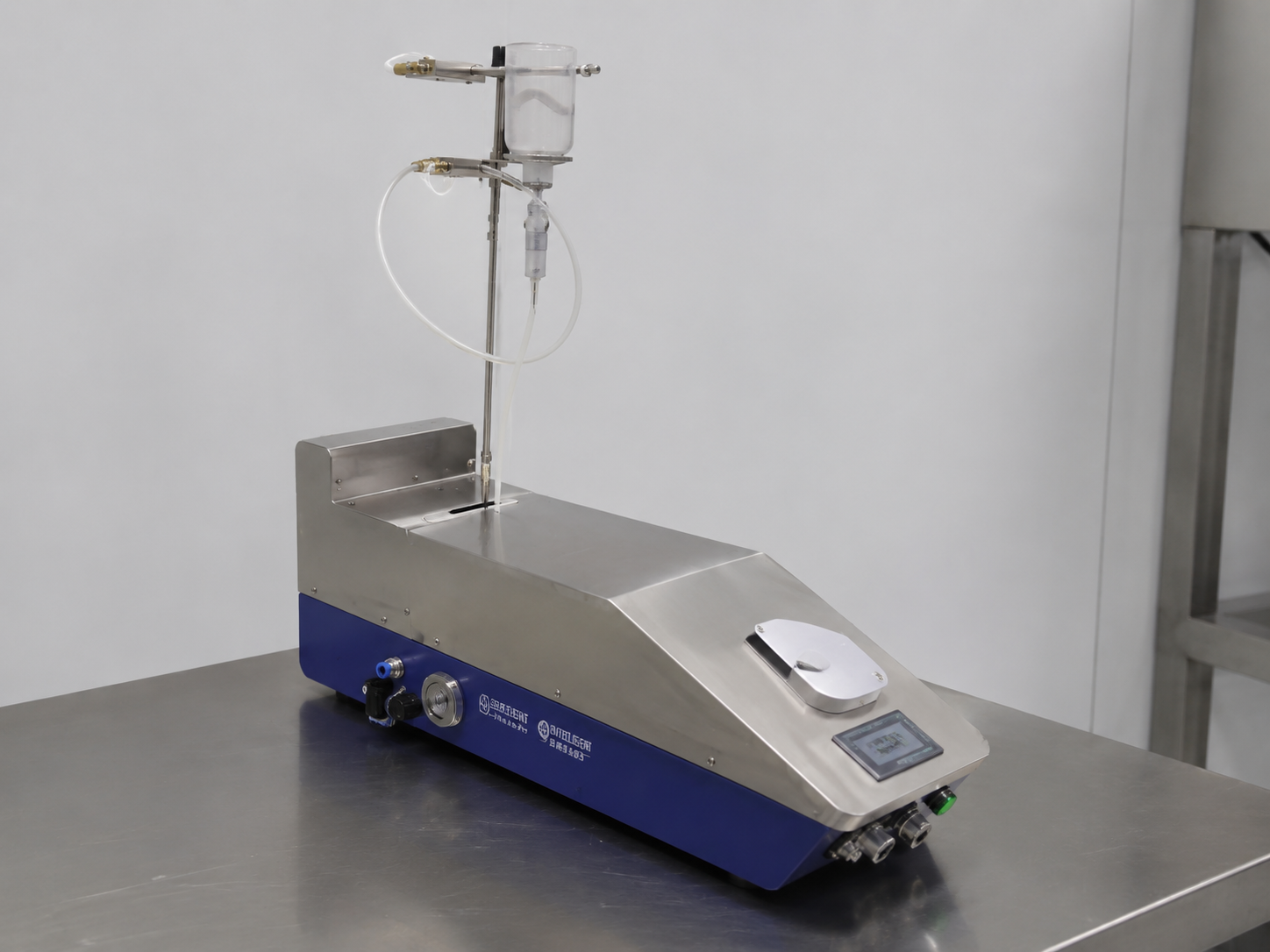
Jili Intelligent publishes a day-old chick injection vaccinator for hatchery use. Buyers should confirm the exact quoted needle configuration, adjustable parameters, controls, accessories, documentation, and interfaces rather than relying on a family-level description.
Handoff Two: Preparation Must Reach the Station at the Right Rhythm
Vaccination equipment cannot correct a preparation workflow that arrives late, lacks clear batch identity, or requires last-minute handling in the production area. Map where preparation occurs, how it is identified, who releases it, and how it reaches the injection point.
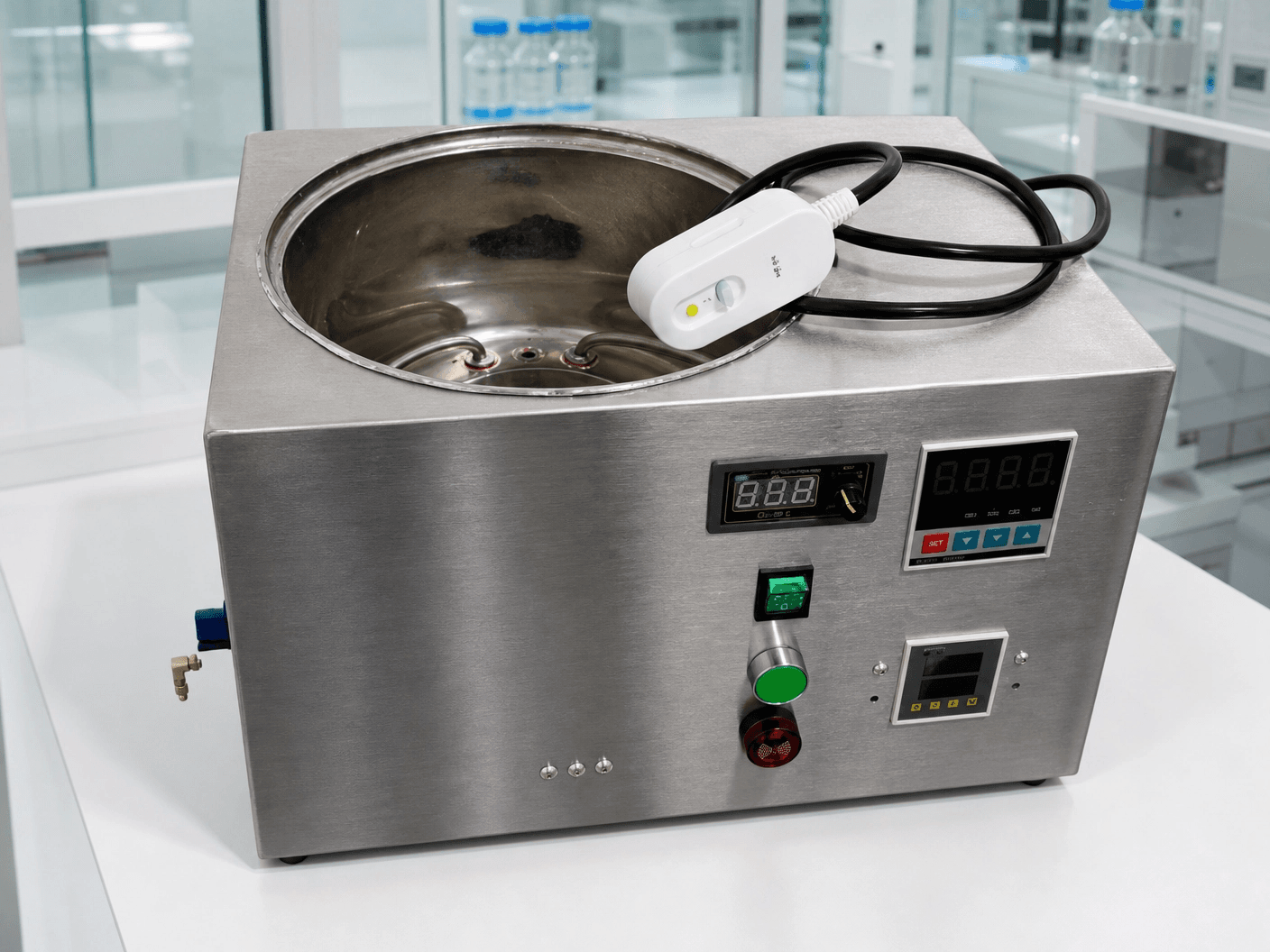
Where warming or mixing equipment is part of the approved procedure, include it in the same process map. Jili publishes an automatic vaccine water bath mixer and warmer, but suitability and operating limits must be reviewed against the hatchery's approved vaccine requirements.
The important question is not whether two machines can stand near each other. It is whether their timing, container handling, records, utilities, cleaning, and operator responsibilities form one controlled process.
Handoff Three: The Operator Presents the Chick
At the workstation, human factors become part of repeatability. The operator must be able to see machine status, present chicks according to the approved procedure, manage normal supplies, and recognize an abnormal condition without losing control of the queue.
Ask to observe several operators, not only the most experienced demonstrator. Compare posture, reach, visibility, presentation rhythm, and the steps required after a pause. If a new operator needs to remember hidden workarounds, the station is not yet a mature operating design.
For a chick vaccine injection machine, training should cover more than the start button. It should include setup confirmation, consumable handling, process observation, alarm response, affected-batch identification, restart authority, cleaning, and the limits of operator intervention.
Handoff Four: A Short Stop Tests Process Control
Every hatchery has interruptions. Supplies are replenished, a batch changes, downstream handling pauses, or a machine condition requires attention. The acceptance test should deliberately create a representative interruption.
Watch what happens to the dose supply, the chick at the station, the next chicks in line, machine status, and batch records. The test should answer four questions: What stops? What remains identified? Who decides that the process can restart? What evidence shows that the restart was controlled?
This is not a request for the supplier to define the veterinary procedure. It is a request for the equipment behavior, controls, alarms, and operator instructions to support the approved procedure without ambiguity.
Handoff Five: Records Must Match the Workday
A record that operators cannot complete during production will eventually be delayed, simplified, or missed. Decide which information belongs in the machine interface, which belongs in the hatchery's batch system, and which remains a manual technical record.
Avoid collecting data simply because a controller can display it. Start with the decisions the hatchery actually needs to make: batch identity, setup confirmation, start and finish, interruptions, corrective action, release, and maintenance events. Then define how records are reviewed and retained.
If the vaccination station connects to a broader line, agree on which system owns batch identity and status. Duplicate entry creates mismatches; no ownership creates gaps.
Handoff Six: Cleaning Returns the Equipment to Ready Status
The dose journey is not complete when the last chick leaves. The equipment must move through the approved end-of-run, cleaning, inspection, reassembly, and release sequence.
Production, veterinary, sanitation, and maintenance teams should review this sequence together. The supplier explains materials, access, components, utilities, and machine precautions. The hatchery defines approved agents, timing, verification, and release.
Include representative cleaning access and reassembly checks in site acceptance. A station that performs well but cannot be released within the available turnaround window may reduce the next shift's readiness.
Where Jili Intelligent Fits
Jili Intelligent's public range covers day-old chick injection, spray vaccination, combined infrared beak treatment and vaccination, vaccine preparation support, chick transfer, conveying, stacking, and complete hatchery automation.
This allows a project to examine the vaccination station and its surrounding handoffs together. It does not remove the need for the customer's veterinary team to approve the vaccination program and validation criteria. The commercial proposal should separate equipment scope from customer technical responsibilities.
Frequently Asked Questions
Is a higher rated output enough to select an injection machine?
No. Real output depends on chick presentation, preparation, staffing, supplies, pauses, downstream flow, cleaning, and the available operating window.
Should vaccine preparation equipment be included in the same inquiry?
Yes, when it is part of the approved workflow. Provide the procedure requirements and ask the supplier to define interfaces, utilities, container handling, controls, and scope boundaries.
What should be demonstrated during acceptance?
Demonstrate the agreed configuration, normal operation, a planned interruption, alarm and restart behavior, representative consumable handling, cleaning access, records, documents, and connected-line interfaces.
Trace the Dose Before You Compare Prices
The best chick vaccine injection machine is not selected at the needle alone. Trace the approved dose from preparation to release, identify every owner and handoff, and then ask the supplier to prove the equipment behavior within that process.
Send Jili Intelligent your approved application requirements, batch pattern, preparation flow, room layout, staffing, connected equipment, records, and destination through the contact page. Ask for a scope and acceptance plan that follows the complete dose path.