


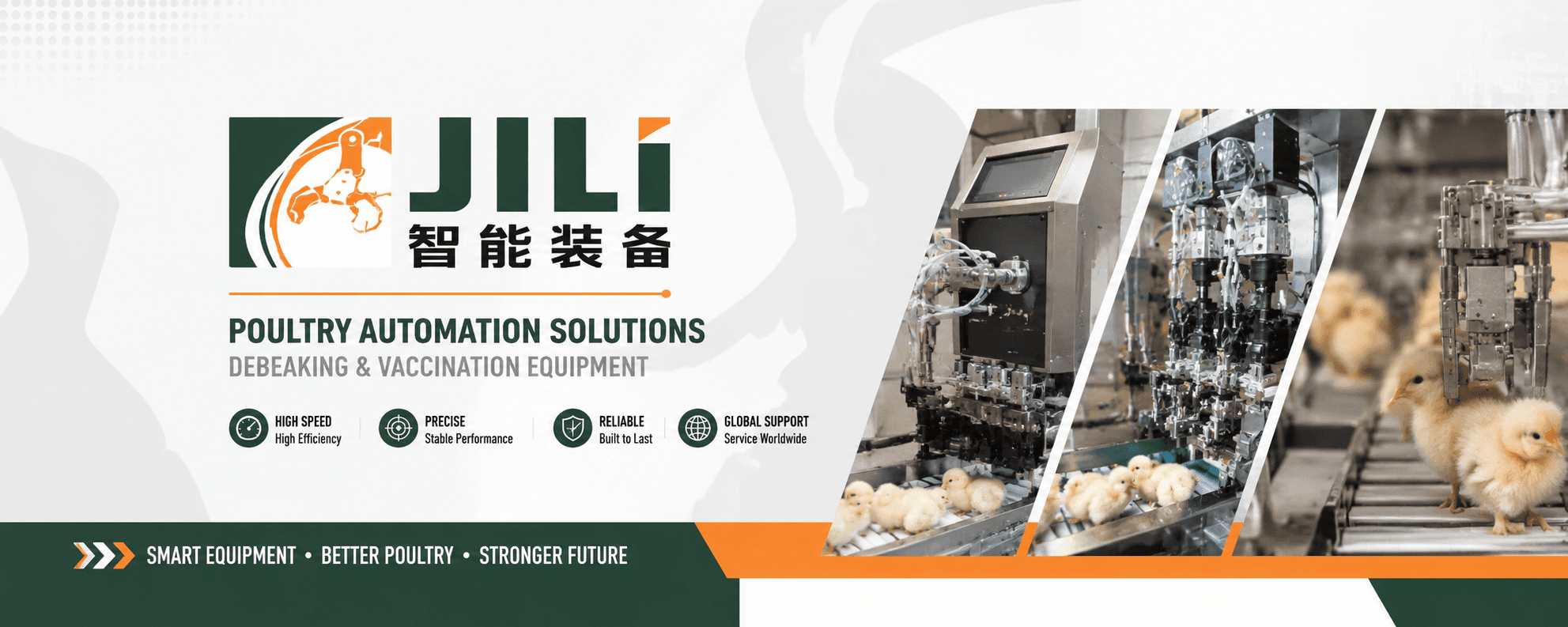
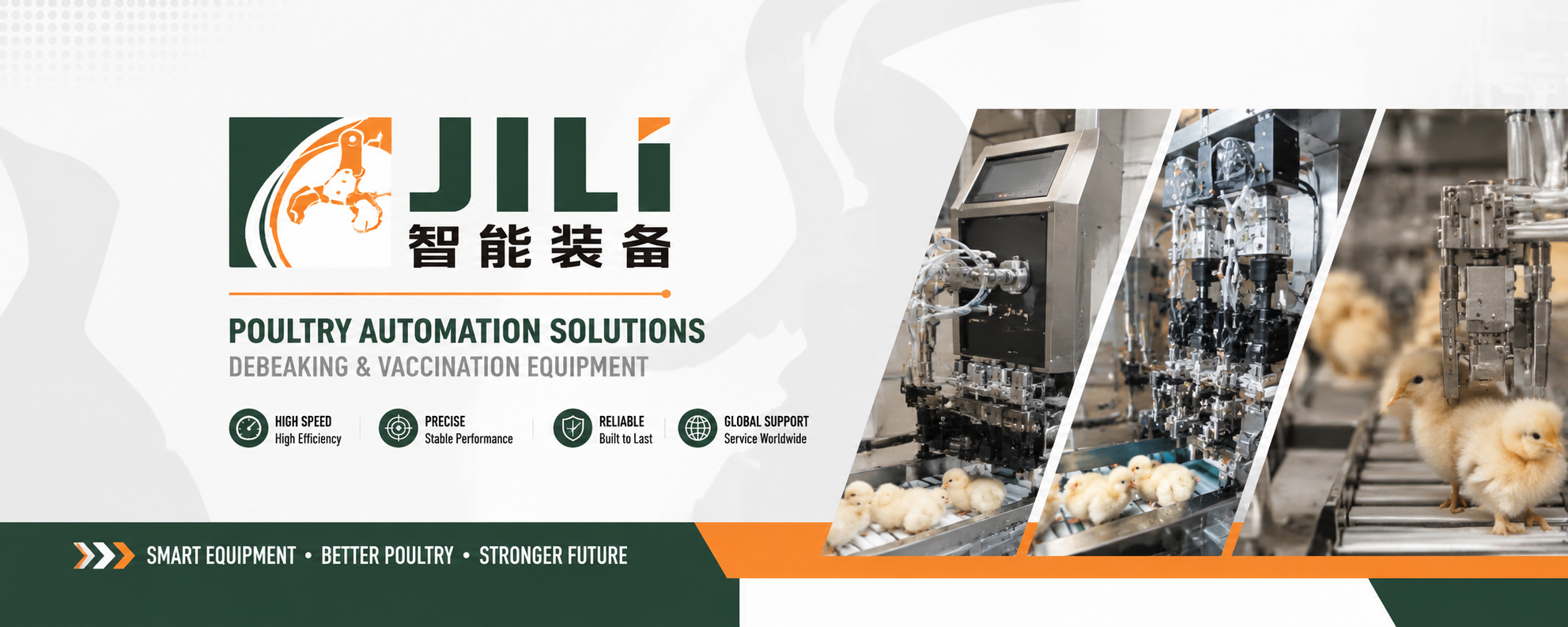
Poultry hatchery automation systems need to be compared by workflow fit, not by machine count alone. A system that looks complete on paper can still create waiting if transfer, vaccination, beak treatment, conveying, and downstream handling do not work at the same rhythm.
Jili offers equipment modules for day-old chick workflows, including the Day-Old Chick Picking and Transfer Machine, Infrared Beak Trimming and Vaccination Machine, Conveying and Stacking Line, and Complete Hatchery Automation Solutions. Buyers can use these modules to plan either a phased upgrade or a broader connected line.
Compare systems by bottleneck removal
The first question is simple: which part of the hatchery slows production today? Some sites struggle with manual transfer. Others lose time during vaccination, beak treatment, chick movement, stacking, or crate return. The most reliable system is the one that removes the real bottleneck and keeps the next station supplied correctly.
Strong poultry hatchery automation systems should improve line balance, operator visibility, and process repeatability. Buyers should expect a supplier to ask detailed workflow questions before recommending equipment.
What reliable systems usually include
- A clear chick path from entry to downstream handling.
- Equipment modules matched to actual capacity needs.
- Operator access for inspection, cleaning, and maintenance.
- Training and spare-part planning before startup.
- Room for future upgrades without rebuilding the line.
- A proposal that explains handoffs between stations.
System comparison table
| Comparison point | Buyer question |
| Transfer | Does the line handle basket tipping, picking, and shell flow? |
| Vaccination | Is dose control, air pressure, and operator routine supported? |
| Beak treatment | Does the system fit chick type and target output? |
| Conveying | Can downstream stations receive chicks without waiting? |
| Maintenance | Are cleaning and inspection points accessible? |
| Support | Does the supplier provide training, spare parts, and startup guidance? |
How to compare supplier proposals
Buyers can compare proposals by asking each supplier to explain how chicks move through the system and what happens if one station slows down. A useful proposal should not only list equipment; it should explain the working logic of the line.
For poultry hatchery automation systems, Jili can give a more accurate recommendation when buyers send room layout, daily chick volume, current process videos, and target output. These details reduce guesswork and make the quotation more practical.
How to prepare a stronger inquiry
Prepare chick species, production volume, peak-hour demand, existing equipment, bottleneck description, utility conditions, and future expansion needs. If the project will be built in phases, explain which station must be solved first and which can wait.
This approach helps buyers avoid overbuying while still planning for future scale.
Use a production scenario to test each system proposal
A quotation may look complete while leaving important operating questions unanswered. Buyers can test proposed poultry hatchery automation systems against a realistic production scenario: the busiest hatch day, the normal operator team, the actual chick volume, and the expected downstream schedule. The supplier should be able to explain how the line behaves when one station pauses, a consumable needs replacement, or an operator performs an inspection.
This scenario-based review also clarifies whether buffer space, bypass routes, access doors, or manual recovery points are needed. Those details can protect production continuity and make maintenance less disruptive. They are especially important for hatcheries that cannot stop the full workflow when a single module requires attention.
Ask each supplier to mark operator positions, cleaning access, utility connections, spare-part priorities, and startup responsibilities on the proposal. When Jili receives the same operating information from the buyer, the comparison becomes more meaningful because every option is being evaluated against the same workload and site conditions.
FAQ
What are poultry hatchery automation systems?
They are connected equipment plans for chick transfer, vaccination, beak treatment, conveying, stacking, and related hatchery workflows.
How should buyers compare systems?
Compare workflow fit, station capacity, operator access, maintenance, support, and future expansion space.
What information helps Jili prepare a quotation?
Daily volume, target output, layout, photos or videos, bottlenecks, and required modules are useful.
Can a system be installed in phases?
Yes. Phased installation can solve the strongest bottleneck first and keep space for future modules.
Which product page supports system-level planning?
Buyers can review Jili Complete Hatchery Automation Solutions for broader system planning.