


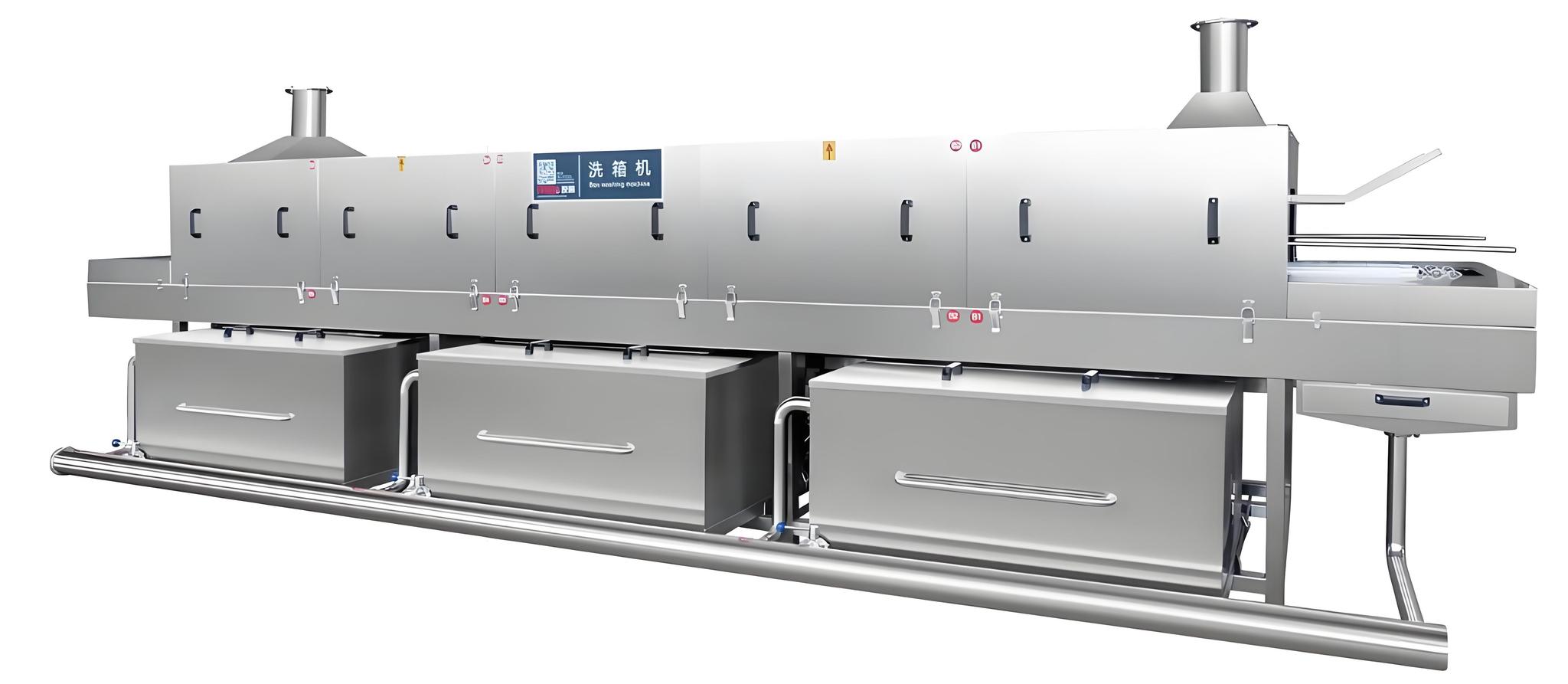
A continuous crate washing machine maintenance window may be scheduled for 20 minutes, yet only a fraction of that time reaches the actual inspection or repair. Minutes disappear while the line clears, access is authorized, tools are found, guards or covers are removed, water and debris are managed, a part is identified, reassembly is checked, and production release is confirmed.
Follow one promised 20-minute window from stop request to approved restart. The timeline shows whether the selected washer, room, documents, and customer responsibilities support maintainable operation.
Minute 0: Production Requests the Window
The supervisor should know why the window is needed, which crates are in the system, where dirty and cleaned crates will wait, what upstream return can continue, and who must be informed.
The continuous crate washing machine maintenance timeline therefore begins with route control, not with a technician opening a cover.
Jili Intelligent presents crate cleaning equipment through the JuliSense product portfolio. The project should match the actual crate route, utilities, room, sanitation program, staffing, and maintenance responsibilities.
Freeze the current route
Record crates at intake, inside the washer, at discharge, and in downstream accumulation. Their clean or dirty status and next action should remain clear during the maintenance period.
Name the release authority
The role that pauses production may not be the same role that authorizes technical access or the final restart. Put those decisions on the timeline.
Minute 3: Safe Access Begins
Maintenance time should not be measured from an unrealistic fully prepared state. Include the agreed shutdown, isolation, drainage or settling conditions, access authorization, and removal of components required for the planned task.
For general machinery risk assessment and risk reduction, ISO 12100 provides a framework. The actual method must follow the machine instructions, risk assessment, customer procedures, and destination requirements.
Map the access sequence
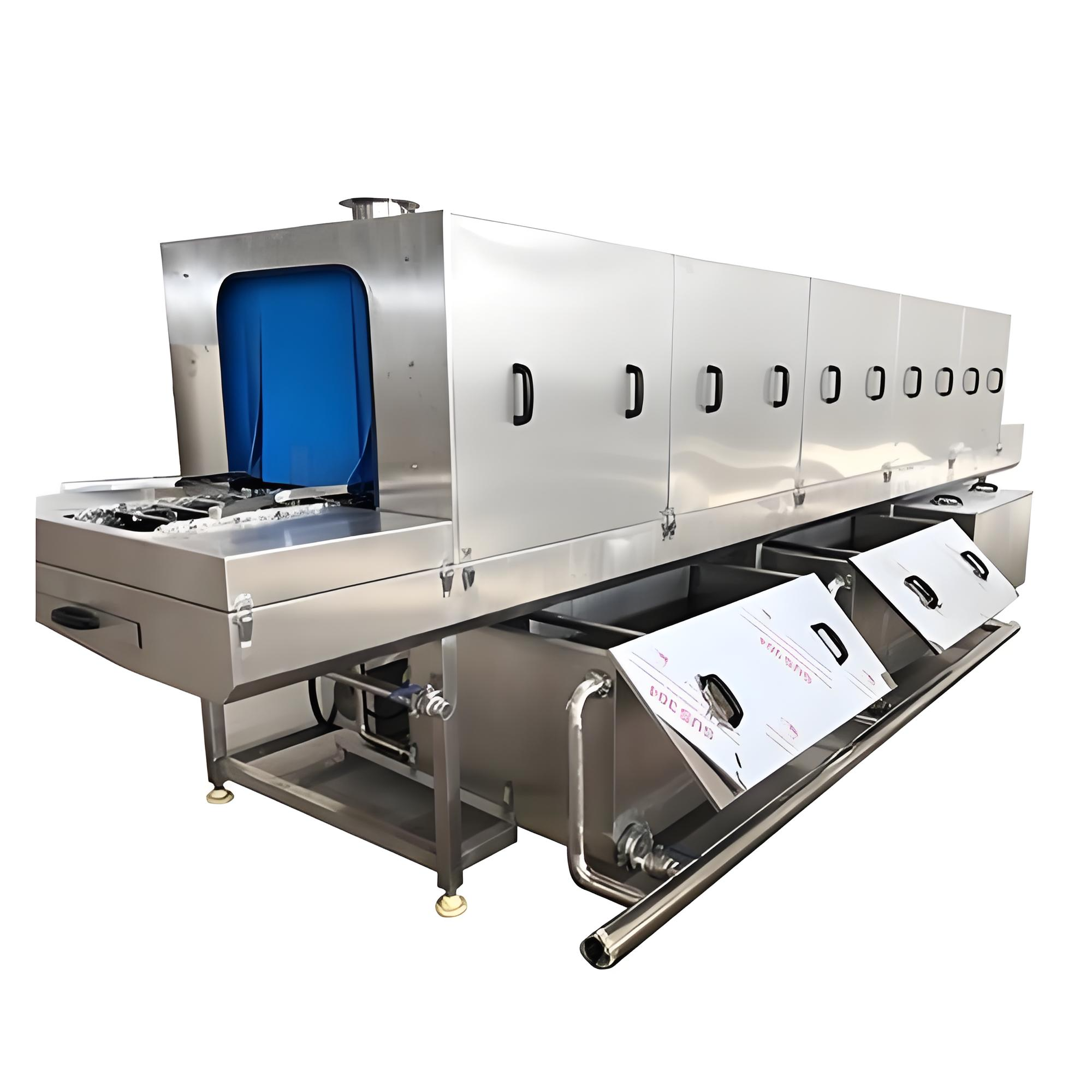
Show the correct machine state, isolation points, guards or covers, service position, tools, lighting, and space. Do not assume that an access point visible on a drawing is usable beside walls and adjacent conveyors.
Include water and debris conditions
The team needs an agreed method for dealing with residual water, collected material, wet surfaces, drainage, and sanitation boundaries before technical work begins.
Minute 7: The Team Finds the Inspection Point
The continuous crate washing machine maintenance plan should identify routine inspection points in a format the customer can use. A label, drawing, photograph, parts diagram, or task reference should connect the physical location to the machine record.
Test the instruction with a second technician
After training, ask another authorized person to locate the same point and explain the required checks. If the task depends on one individual's memory, the handover is incomplete.
Record what can be seen without removal
Routine visibility reduces unnecessary disassembly. Mark which conditions are observable from normal inspection positions and which require planned access.
Build the Continuous Crate Washing Machine Maintenance Timeline
Use the full window rather than only wrench time:
| Minute | Activity | Evidence to retain |
|---|---|---|
| 0-3 | Stop request and route control | Current crate positions, status, communication |
| 3-7 | Safe-state and access preparation | Authorization, isolation, water/debris condition |
| 7-12 | Inspection or task | Point identity, observation, tools, part reference |
| 12-16 | Reassembly and technical checks | Components, guards, settings, test readiness |
| 16-18 | Sanitation or quality review | Clean condition, release evidence, exceptions |
| 18-20 | Controlled restart | Communication, empty or test run, production release |
The numbers are an example, not a promised duration. The purpose is to expose every dependency that consumes a real maintenance window.
Give delays a category
Separate time lost to access, tools, parts identification, instructions, cleaning, authorization, upstream or downstream coordination, and technical work.
Improve the largest dependency first
A faster repair method may not help if most time is spent clearing the route or finding the correct record.
Minute 10: Parts Information Is Tested
Choose one relevant routine item and ask the technician to identify it from the machine and project records. The team should be able to provide equipment identity, configuration context, part reference, quantity, and urgency through the agreed support route.
JuliSense describes design, commissioning, training, and after-sales discussions on its service page. Included spares, recommended stock, availability, lead time, and commercial terms should be confirmed for the project.
Separate included and recommended stock
The quotation should identify what ships with the machine, what is recommended for startup, what is optional, and what the customer is expected to source locally.
Avoid personal-message dependency
Parts identification should remain possible when the original project engineer or salesperson is unavailable.
Minute 12: Maintenance Meets Sanitation
Technical work can change the clean status of the machine or surrounding area. The maintenance and sanitation teams need one agreed handoff covering removed parts, tools, debris, water, contact areas, reassembly, cleaning, inspection, and release.
The FAO food safety and quality pages provide broad international reference material. Site-specific sanitation validation, verification, chemicals, limits, and release decisions remain the responsibility of the customer's qualified owners.
Mark the clean and dirty boundaries
Tools, removed components, replacement parts, waste, and technician movement should not make released and unreleased routes ambiguous.
Define who cleans after technical work
The responsible role and evidence should be stated before the task, not negotiated while the production team waits.
Minute 16: Reassembly Needs Independent Checks
Before restart, confirm components, fasteners, guards, covers, tools, foreign-material control, settings, utilities, drains, and work-area status under the approved method.
These close-out checks keep continuous crate washing machine maintenance connected to production release instead of ending at reassembly.
Use a close-out list that matches the task
A generic checklist can miss task-specific items. Link the close-out record to the inspection or repair performed.
Keep open concerns visible
If a temporary restriction or follow-up action remains, record impact, owner, due date, evidence, and operating authority.
Minute 18: Restart Is Part of the Maintenance Job
A controlled restart may include communication, empty movement, utility checks, leak or abnormal-condition observation, test crates where approved, and production release. Define which role authorizes each stage.
Watch the first downstream handoff
Confirm that intake, washer, discharge, and downstream handling return to their agreed states together.
Update the record before leaving
Capture the reason for work, observations, actions, parts, checks, release, remaining items, and any change to the next inspection plan.
Ten Questions Before Buying the Washer
Which maintenance tasks are routine?
Ask for inspection points, access expectations, tools, task references, and recommended frequencies for the ordered configuration.
Can technicians reach them in the proposed room?
Review walls, conveyors, doors, service positions, removed-part space, lighting, and lifting or handling needs.
How is the crate route controlled during a stop?
Define dirty return, current crates, clean discharge, accumulation, status, and communication.
What water and debris conditions affect access?
Agree drainage, residual water, collected material, wet surfaces, sanitation boundaries, and authorization.
Can a second technician find the same point?
Use role rotation to test labels, drawings, instructions, and training.
How are parts identified?
Confirm machine identity, configuration, parts record, request channel, stock boundary, and commercial terms.
Who cleans after technical work?
Define the responsible customer role, approved method, inspection, and release evidence.
What is checked before restart?
Include components, fasteners, guards, tools, settings, utilities, cleanliness, and current work.
How are maintenance records controlled?
Use a findable record linked to the machine, task, observations, parts, actions, checks, and future plan.
How can buyers review maintainability with JuliSense?
Send crate details, layout, utility plan, production route, sanitation boundary, staffing, and maintenance questions through the JuliSense contact page.
Protect the Whole 20-Minute Window
Effective continuous crate washing machine maintenance begins at the stop request and ends only after controlled production release. Access, crate status, water and debris, parts information, sanitation, reassembly, and records all consume real time.
JuliSense can use the 20-minute timeline to review maintainability before the layout and scope are frozen. The buyer then sees where time is likely to go and which project decisions can protect it.