


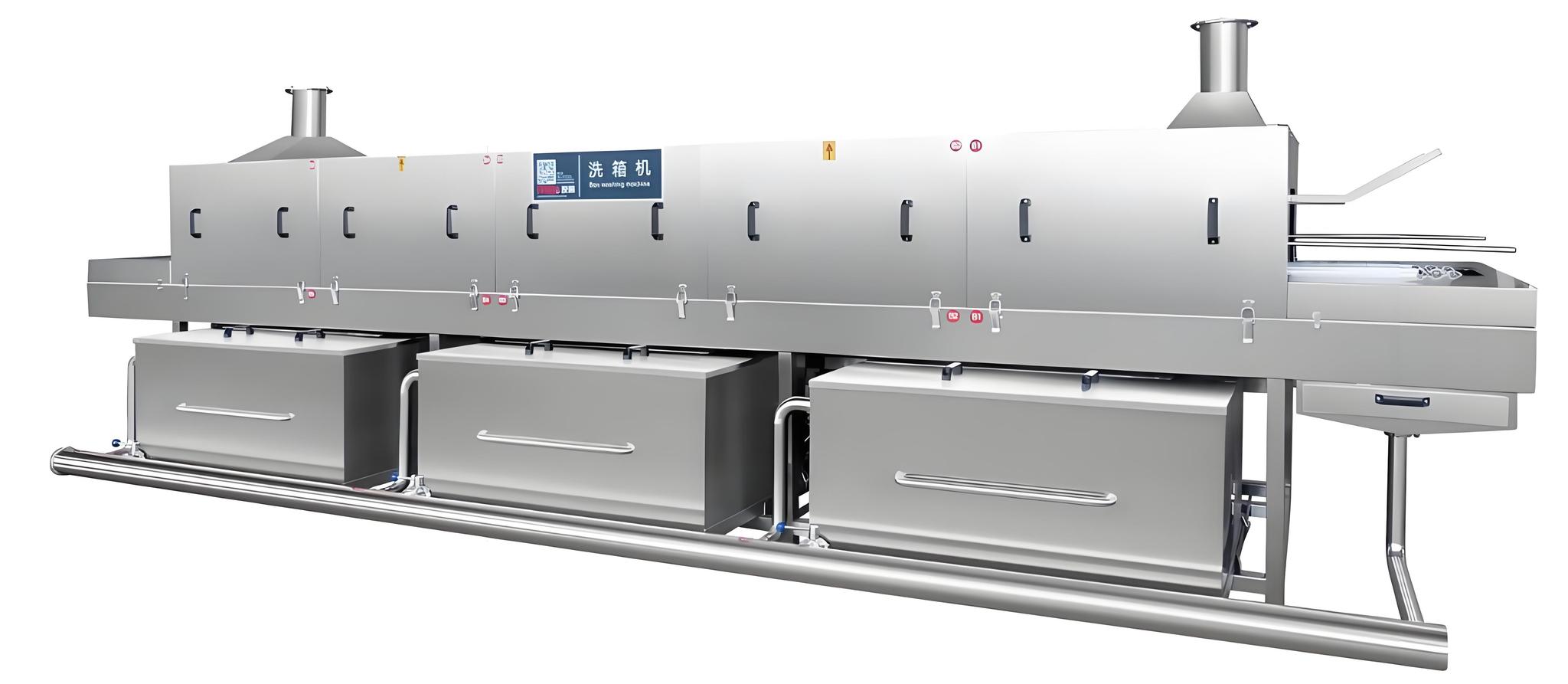
A clean-looking crate at the machine exit is not the same as a released crate. A crate washing system for poultry plants must fit a complete route from dirty return through loading, washing, inspection, handling, and approved reuse.
The equipment is one part of that route. Plant procedures, utilities, crate condition, chemistry, sanitation criteria, records, and people decide whether the result is repeatable.
Gate One: Keep Dirty Return Under Control
Begin where used crates return, not where the washer begins. Identify the route, arrival rhythm, stacking method, debris, labels or liners, damaged crates, and the person responsible for initial inspection.
If dirty crates cross the clean route or accumulate in an aisle, the machine cannot repair the layout. The plant needs a defined dirty-side staging area and a way to reject crates that are unsuitable for automatic handling.
Measure burst arrivals. A washer selected only from daily volume may become overloaded during a short return peak, while a large machine may sit idle for the rest of the shift. The infeed, labor, and staging space should reflect the real rhythm.
Gate Two: Prepare Crates for the Approved Wash
Some loads require removal of loose material, liners, labels, or unsuitable items before washing. The required preparation depends on the crate, process, and sanitation program.
Define which work is manual, which can be automated, and where rejected material goes. Jili Intelligent also publishes a poultry crate washing system with inverting and liner placement, showing how surrounding handling functions can become part of a larger project. The exact inversion, liner, and cleaning scope must still be confirmed for the customer's crates and workflow.
Preparation is not wasted time. It protects the washer from becoming an uncontrolled waste-handling point and gives the sanitation team a consistent starting condition.
Gate Three: Match the Washer to the Crate and Utilities
Send crate drawings, dimensions, base and rim geometry, empty weight, normally worn samples, labels, and expected contamination. Small differences affect guides, nozzles, transfers, and drainage.
Then review water supply, pressure, temperature if required by the approved process, drainage, power, ventilation, chemical handling, floor loading, access, and the method for managing residues. Do not select a machine and discover later that the room cannot support its operating or sanitation needs.
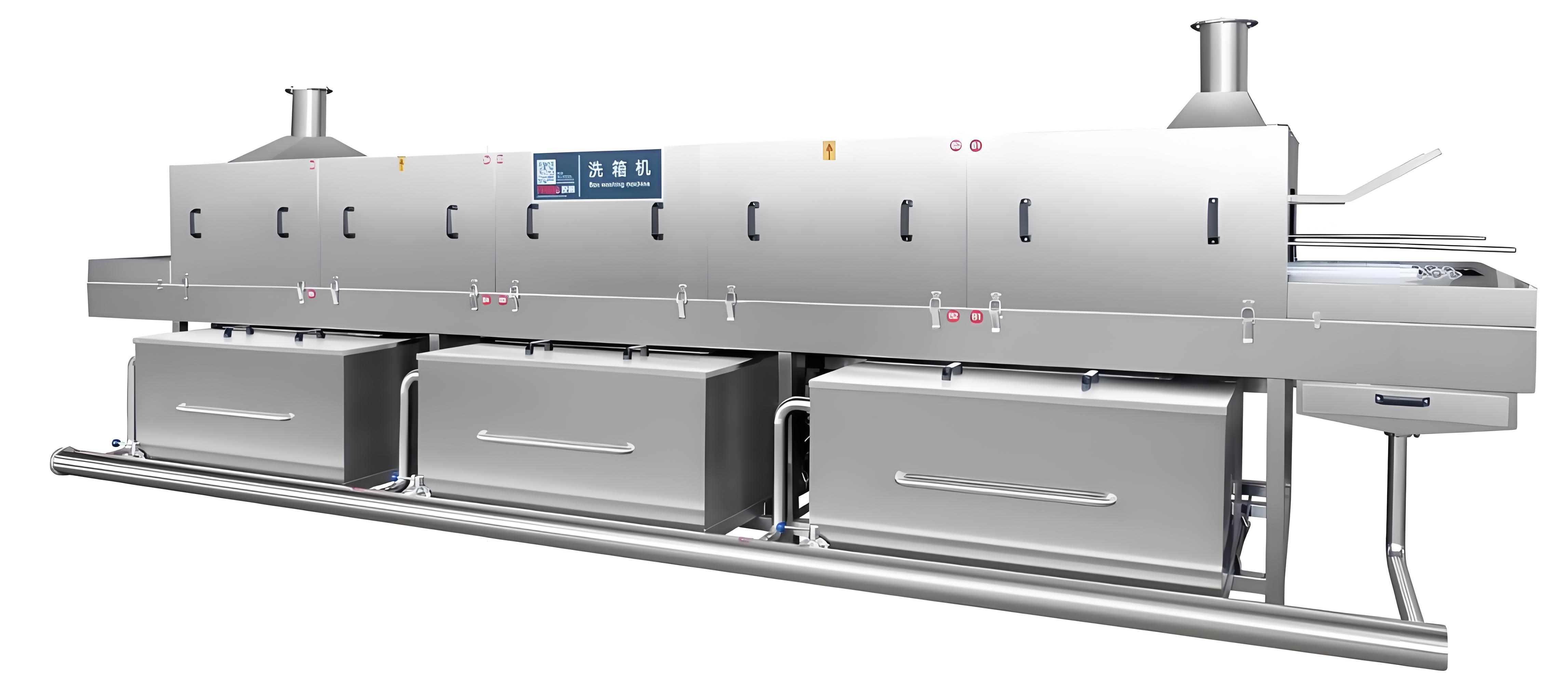
Jili Intelligent publishes an automatic continuous crate washer for hatchery crate washing. Buyers should ask the proposal to state the accepted crate range, required utilities, configuration, and test conditions.
Gate Four: Inspect the Process, Not One Perfect Crate
Acceptance should use representative new and normally worn crates. Feed them at the agreed rhythm and include an approved misalignment, short stop, restart, and change in soil condition.
A crate washing system for poultry plants should be tested as a repeatable process, not judged from one crate selected after the run.
The sanitation team defines the inspection and release criteria. The supplier demonstrates equipment sequence, access, controls, and operating conditions. The test records should show which conditions were used rather than presenting a photograph of one selected crate.
| Release question | Evidence to agree before order |
|---|---|
| Were representative crates tested? | Sample list, dimensions, condition, and loading pattern |
| Did the machine run under realistic conditions? | Feed rhythm, utilities, settings, stops, and recovery |
| Can results be inspected consistently? | Plant-defined inspection points and recording method |
| Can the washer itself be cleaned? | Access, clearing, tank and filter work, and restart sequence |
| Is responsibility clear? | Supplier scope, plant sanitation duties, and exclusions |
The equipment supplier should not invent the plant's hygiene acceptance standard. The plant should not ask the supplier to guarantee results without defining the incoming condition and approved process.
Gate Five: Protect the Clean-Side Release
After washing, crates need a route that prevents confusion with dirty returns. Define drainage or drying expectations, inspection, rejection, clean stacking, storage, and release to production.
When the clean-side pickup is blocked, the washer needs a controlled response. Where can washed crates wait? Which zone pauses? How are crates protected? Who clears the alarm and authorizes restart?
The discharge layout may limit the whole system more than the wash chamber. Include trolleys, pallets, conveyors, stack patterns, doorways, and operator paths in the project drawing.
Clean the Washer as Part of the System
Filters, tanks, nozzles, curtains, guides, conveyors, residue areas, and the surrounding floor need an agreed routine. Ask the supplier to demonstrate access and clearing. The plant incorporates the equipment into its sanitation and maintenance program.
Measure the complete time from final dirty crate entry to the washer and area being ready for the next approved run. A system with high running capacity may still reduce available production time if internal cleaning and reassembly are difficult.
Where Jili Intelligent Fits
Jili Intelligent supplies continuous crate washing equipment and related crate-handling options alongside its day-old chick processing automation. This is relevant when crate cleanliness, availability, inversion, liner work, conveying, or stacking affects the wider hatchery process.
The project should specify whether the quotation covers only the washer or a larger dirty-to-clean route. Site sanitation criteria, chemical decisions, release, and ongoing records remain subject to the plant's approved program and applicable requirements.
Frequently Asked Questions
Can one washer handle several crate models?
Possibly, after geometry, weight, condition, guides, nozzles, transfers, settings, and changeover have been reviewed and tested for every approved model.
Does higher washer capacity guarantee more clean crates per shift?
No. Dirty-side staging, preparation, utilities, discharge, inspection, clean stacking, downtime, and washer cleaning also affect shift output.
What should be included in an RFQ?
Include crate drawings and samples, arrival pattern, contamination, current cleaning method, release criteria, utilities, layout, dirty and clean routes, operating window, destination, and required service scope.
Approve the Full Dirty-to-Clean Route
A crate washing system for poultry plants works when dirty return is controlled, crates are prepared, the washer has suitable utilities, results are inspected, and clean-side release remains protected.
Send Jili Intelligent your crate samples, arrival data, layout, utility information, sanitation workflow, release criteria, and expected project boundary through the contact page. Ask the proposal to cover the complete route and the evidence planned for factory and site acceptance.