


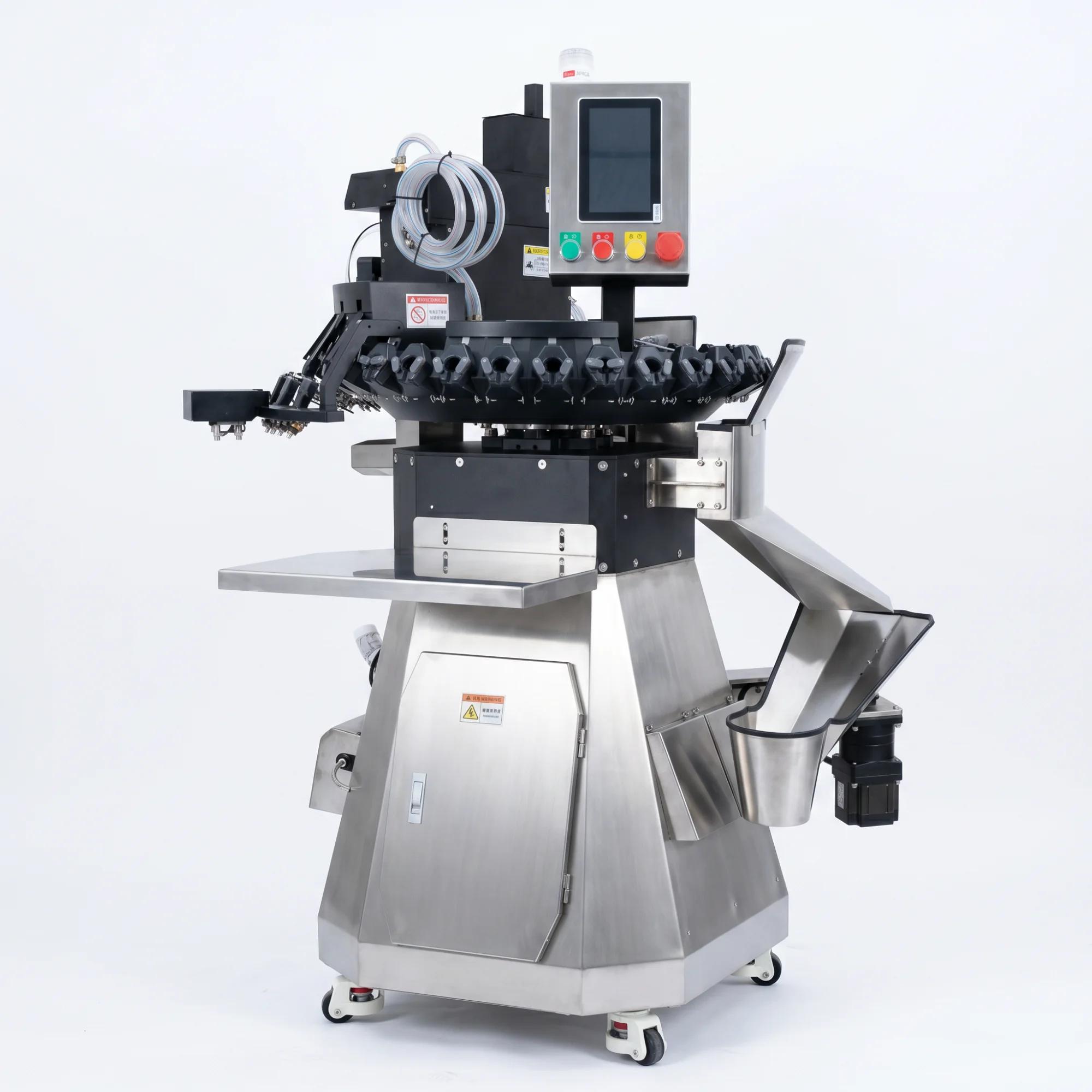
A infrared beak trimming and vaccination system brings two approved activities into one coordinated station. That can reduce handoffs and simplify flow, but integration is valuable only when the hatchery's veterinary, production, sanitation, engineering, maintenance, and quality requirements can live together without creating a new bottleneck.
The decision is not "integrated is modern, separate is old." It is a project-fit question. Some hatcheries benefit from one connected workflow. Others need independent stations because their programs, schedules, rooms, or responsibilities change separately.
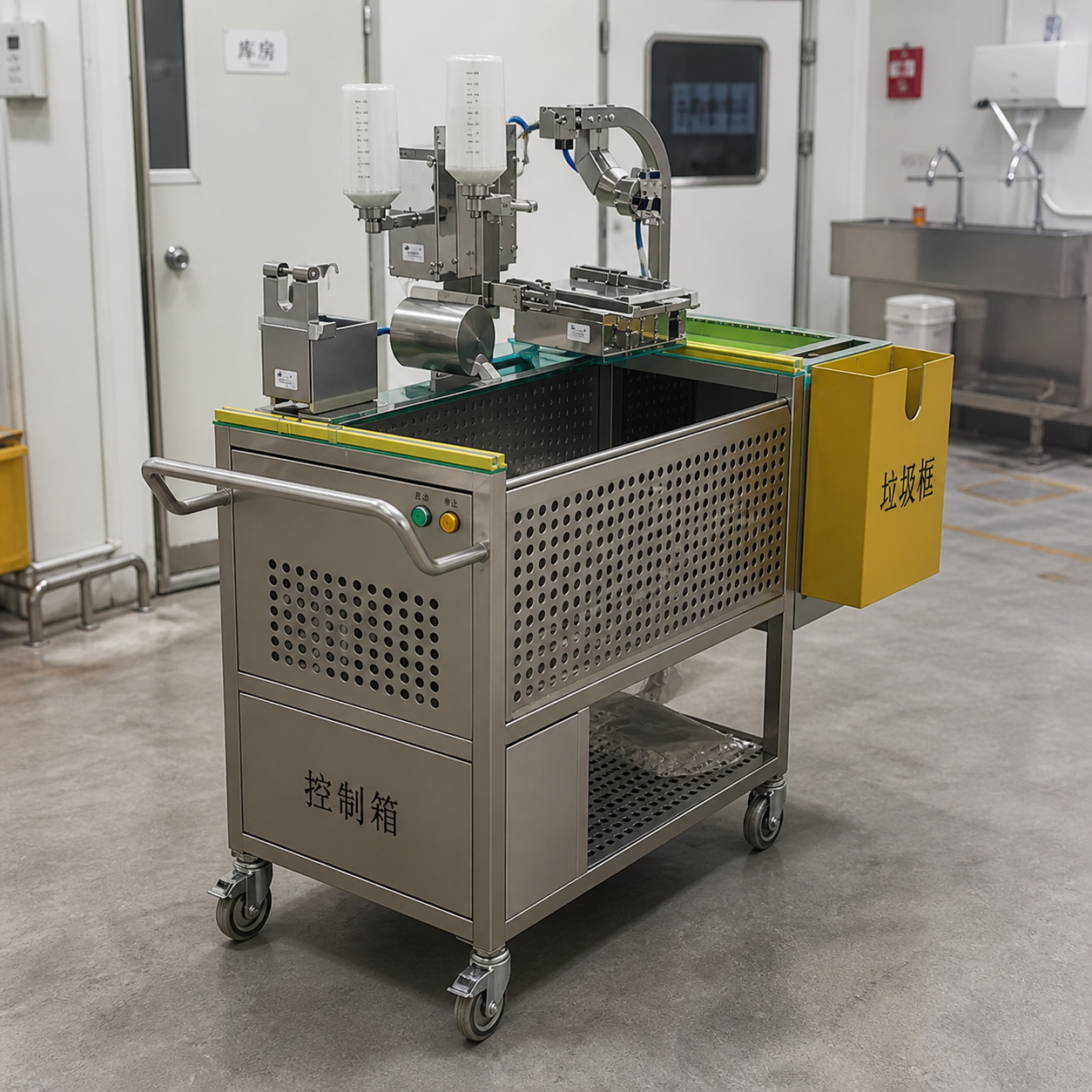
Start by Following One Chick
Imagine one chick entering the work area. In a separate workflow, the chick may move from one operator or station to another before leaving for the next process. In an integrated workflow, the treatment and vaccination activities are coordinated within a tighter sequence.
Count every handoff, wait, turn, and decision. Then repeat the observation for a busy period, a batch change, a controlled stop, and cleaning. This reveals whether integration removes work or simply compresses unresolved work into a smaller space.
JuliSense presents a day-old chick infrared beak trimming and vaccination machine for integrated hatchery applications. The selected configuration and approved procedure must still be reviewed for the customer's actual project.
Separate Stations and an Integrated Station Solve Different Problems
| Decision area | Separate stations | Integrated station |
|---|---|---|
| Process scheduling | Activities may be scheduled independently | Activities share a coordinated production window |
| Chick handoffs | More transfer points may be present | Handoffs may be reduced within the station |
| Operator planning | Teams can be assigned separately | Roles must work together around one flow |
| Change control | One process can change without the other | The combined change effect must be reviewed |
| Stops and recovery | A problem may be isolated to one station | A stop can affect the combined sequence |
| Cleaning and release | Areas can be released separately | The release plan must cover the integrated station |
| Future expansion | Individual stations may be rearranged | Interfaces and expansion need early planning |
Neither column is automatically better. The table turns a product preference into questions that several teams can answer.
The Best Case for Integration
An integrated infrared beak trimming and vaccination system is attractive when both activities apply to the same planned production flow, the approved programs are stable enough to coordinate, the operator arrangement is clear, and the room benefits from fewer handoffs.
It can also simplify responsibility for the immediate station because controls, access, documentation, and support are reviewed as one project boundary. That does not remove the need for separate technical approvals. It makes the equipment workflow easier to discuss as a whole.
The buyer should ask for a layout that shows inbound handling, operator positions, supplies, waste or used-item routes, outbound flow, cleaning access, and maintenance space. A machine footprint alone is not a working layout.
The Strongest Reason to Keep Activities Separate
Separate stations can be a better fit when programs or schedules change independently, different teams own each activity, the available room favors a staged flow, or the hatchery wants one activity to continue when the other is unavailable.
Separation may also simplify staged investment. A hatchery can upgrade one activity first and connect the wider line later. However, staged projects still need a long-term interface plan so that temporary decisions do not block future automation.
The important point is transparency. If the customer's operating model requires independence, buying integration for appearance or headline efficiency can create daily workarounds.
Four Questions an Integrated Machine Must Answer
Before approving a infrared beak trimming and vaccination system, the project team should answer the following questions in writing rather than leave them for site commissioning.
What happens when only one approved program changes?
Map the approval, access, component, cleaning, record, and restart implications. The equipment supplier should explain the control boundary; the customer's qualified technical owner decides the approved process.
What happens when one function is unavailable?
Ask whether the complete station stops, whether a defined alternative route exists, how chicks are handled, and who authorizes restart. Do not assume a bypass is available unless it is designed, reviewed, and documented.
Can both activities be cleaned and released clearly?
Sanitation should review removal points, hard-to-see areas, reassembly, tools, storage, and release evidence. Integration should not make cleaning ownership ambiguous.
Can the evidence separate the two activities?
Quality and technical teams may need records that show batch, approved program references, operators, exceptions, changes, and releases. Ask what the selected configuration records and what remains in the customer's system.
Safety and Welfare Need Two Different Conversations
Machinery safety covers the installed equipment, access, movement, controls, stops, and foreseeable use. ISO 12100 offers a general framework for machinery risk assessment and risk reduction. The final project must follow applicable destination requirements.
Animal-welfare and veterinary decisions belong to qualified customer owners and applicable guidance. The World Organisation for Animal Health Terrestrial Code provides internationally recognized animal-health and welfare standards. The supplier should not turn a machine discussion into an unsupported biological promise.
Keeping these conversations distinct makes the project more credible. It also helps procurement understand which evidence comes from the equipment supplier and which approval comes from the hatchery's professional program.
What Jili Intelligent Should Review With Your Team
For a meaningful infrared beak trimming and vaccination system proposal, Jili Intelligent needs more than a target capacity. Share:
- the approved applications and responsible technical owners;
- which flocks and batches use both activities;
- normal and peak production schedules;
- operator roles and current handoffs;
- room layout, utilities, and cleaning boundaries;
- upstream and downstream equipment;
- required controls, records, testing, training, and support;
- future expansion or integration plans.
JuliSense can then discuss whether one integrated station, separate stations, or a phased line better fits the project. The products page helps buyers see related equipment, while the service page describes the wider project-support context.
A Decision Meeting That Takes Less Than One Hour
Bring production, technical or veterinary, sanitation, maintenance, engineering, quality, and procurement representatives together. Give each person one question:
- Production: where does flow wait or cross?
- Technical owner: which decisions require approval?
- Sanitation: what must be opened, removed, and released?
- Maintenance: what fails, wears, or needs access?
- Engineering: what connects to the room and line?
- Quality: what evidence must be retained?
- Procurement: what scope must appear in the quotation?
If the answers point toward one coordinated process, integration has a business case. If the answers expose independent schedules and responsibilities, separation may protect flexibility.
Frequently Asked Questions
Does an integrated machine always require fewer operators?
Not automatically. The operator plan depends on the selected configuration, approved process, material flow, batch pattern, and local working method.
Can beak treatment and vaccination settings be controlled separately?
Ask the supplier to explain the selected control architecture and permissions. The customer must define which settings require qualified approval.
Is one integrated station easier to clean?
It may reduce the number of separate stations, but cleaning ease depends on access, removable parts, surface visibility, tools, drainage, and release procedure.
What happens if one function stops?
The quotation and operating concept should define detection, chick handling, alternative routing if any, restart authority, and required records.
Can an integrated station connect to conveyors and stacking equipment?
Potentially, but the project must confirm mechanical, control, material-flow, data, safety, and responsibility interfaces.
Should we request a combined factory acceptance test?
Yes, when buying an integrated station. The test should demonstrate the agreed combined workflow as well as function-specific checks.
Is a separate workflow cheaper?
It can have a different initial cost, but buyers should compare total scope, handoffs, space, utilities, controls, labor planning, integration, and lifecycle support.
What information is needed before selection?
Before selecting a infrared beak trimming and vaccination system, provide approved programs, batch and flock patterns, room layout, utilities, operator plan, records, adjacent equipment, service needs, and expansion plans.
Who owns the biological outcome?
The hatchery's qualified veterinary or technical owner approves and monitors the program. The equipment supplier supports the agreed mechanical workflow and evidence.
Can JuliSense customize the project?
JuliSense describes custom design, manufacturing, and system-integration capabilities. The exact customization, evidence, schedule, and commercial scope must be confirmed for the project.
Choose the Workflow Before You Choose the Machine
The right infrared beak trimming and vaccination system decision begins with the hatchery's real production model. Integration should remove handoffs, clarify work, and support the approved programs. It should not hide incompatible schedules or unclear responsibilities.
Send Jili Intelligent your process map, batch pattern, room layout, operator plan, required records, and future line concept through the JuliSense contact page. Ask for a separate-versus-integrated recommendation with assumptions and evidence.