


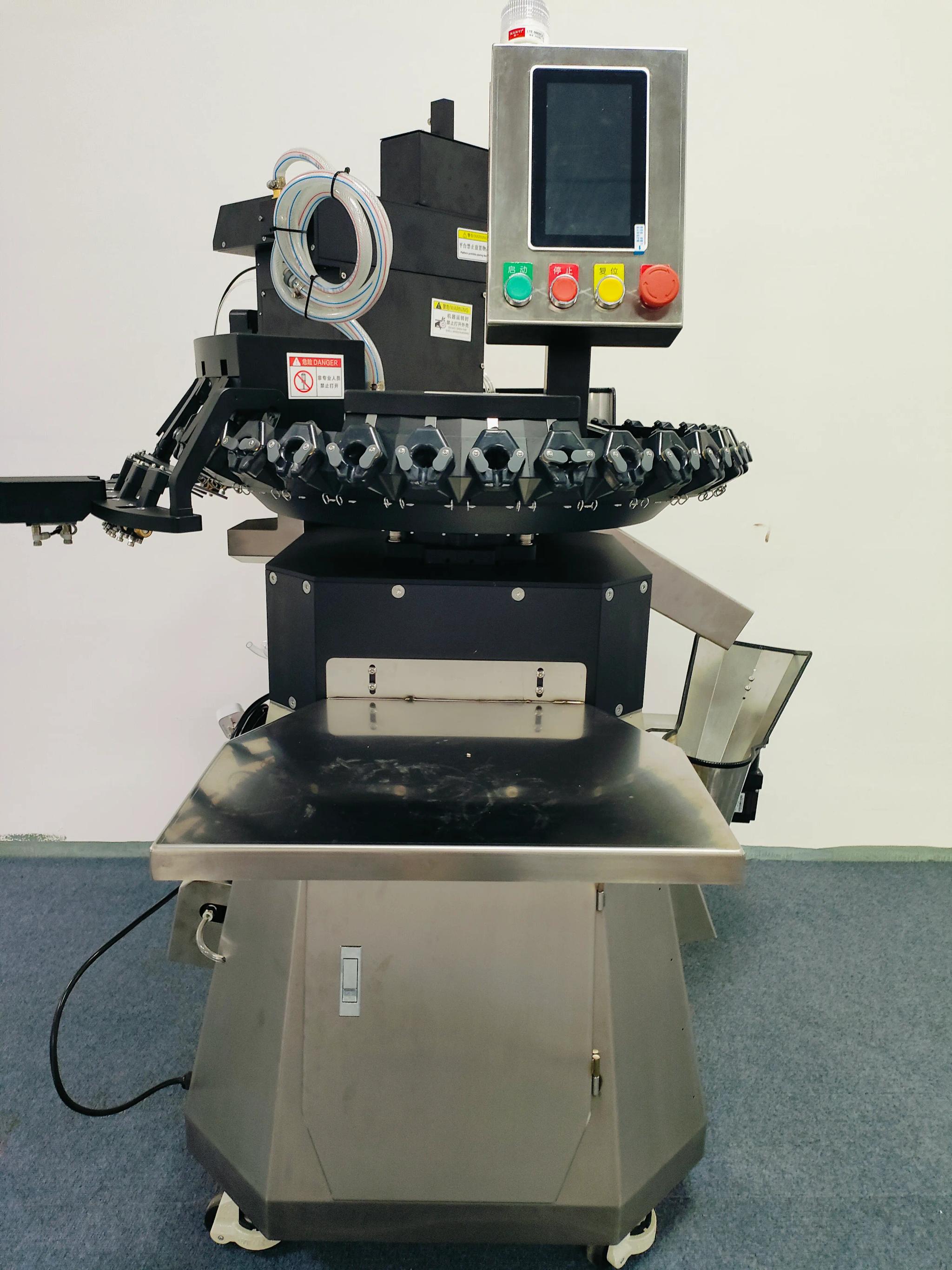
A day old chick debeaking machine is easiest to understand when it is placed inside a real morning. The machine does not begin the shift by itself. A room must be released, people must know their roles, containers must arrive, the approved process must be confirmed, and the team must be ready for the first ordinary interruption.
This article follows that morning without inventing a production result. Its purpose is to show the conversations a buyer should expect before approving a configuration, layout, quotation, or acceptance plan.
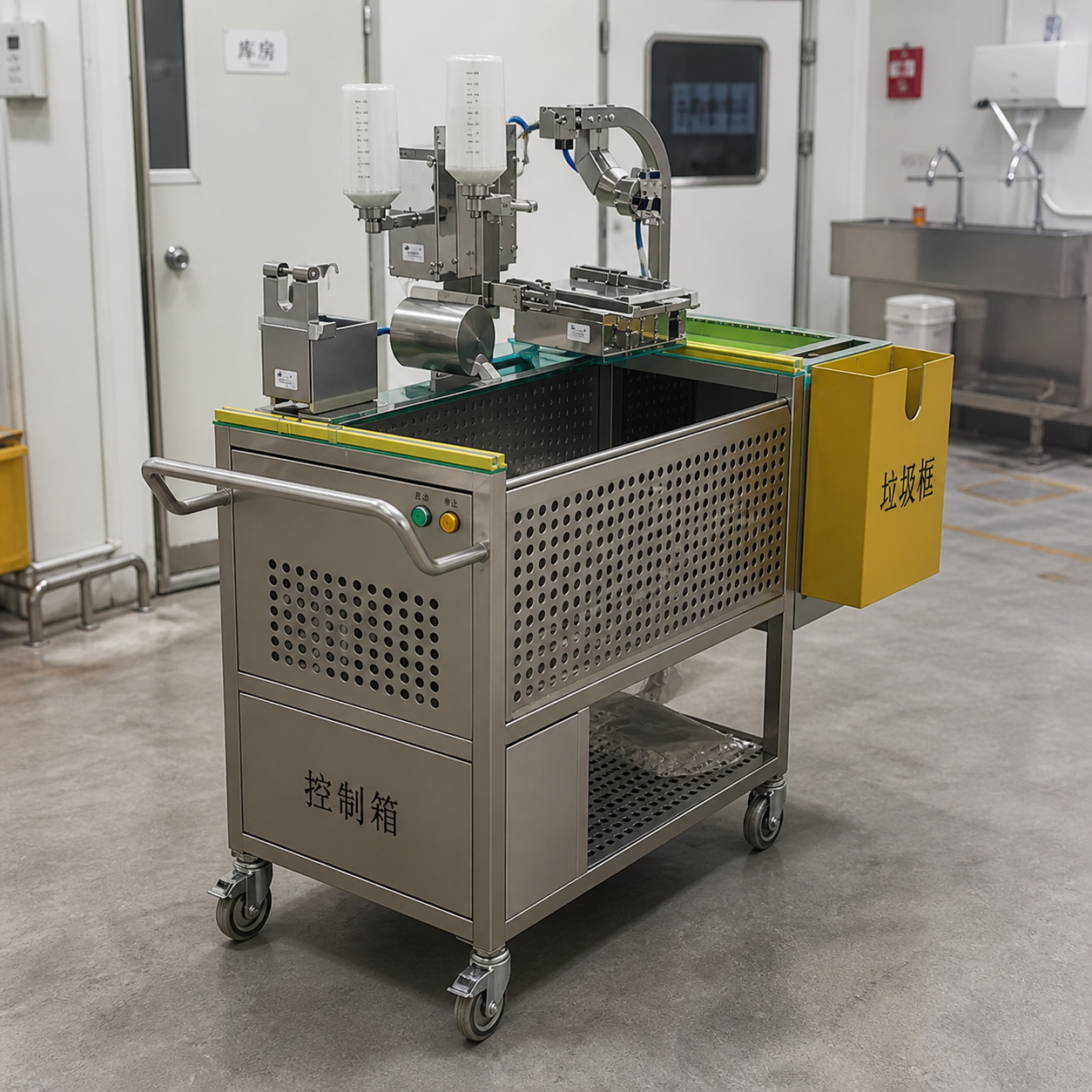
06:40 - The Room Is Released Before the Equipment Starts
Production is ready to begin, but quality still owns the room. The release is not a casual glance. The team confirms that the required cleaning and inspection steps are complete, removed items are back in place, and the operating area is ready for the approved process.
This moment tells the buyer whether the proposed workstation supports the hatchery's sanitation routine. Can the relevant surfaces be seen? Are removable parts easy to identify? Is there a clear place for tools and parts? Can reassembly be checked without relying on memory?
Jili Intelligent presents hatchery automation equipment through the JuliSense product portfolio. The final project should translate that equipment family into a site-specific release and startup sequence.
06:50 - The Team Confirms Roles, Not Just Settings
The operator checks the station. A supervisor confirms the production plan. The customer's qualified veterinary or welfare owner confirms the applicable procedure. Maintenance remains available for technical support but does not control the approved treatment decision.
That separation matters. A supplier can explain how the day old chick debeaking machine works and which control functions are available. It cannot replace the customer's responsibility for veterinary, welfare, regulatory, and operational approval.
The World Organisation for Animal Health Terrestrial Code is an internationally recognized reference for animal-health and welfare standards. The destination rules and the buyer's approved program remain decisive.
07:00 - The First Containers Reveal the Workstation
The first few minutes are slower because everyone is watching. That is useful. Observe where the operator looks, how the chick is presented, where the hands move, how incoming containers are staged, and how outgoing work leaves the station.
Do not treat a smooth demonstration as proof of a complete workstation. Ask what changes when another operator takes over, the incoming rhythm varies, a container must be replaced, or a supervisor needs access.
JuliSense offers a day-old chick infrared beak trimming machine for project discussions in this equipment family. Buyers should confirm the selected configuration, operator arrangement, interfaces, and trial conditions in writing.
07:25 - One Small Delay Tests the Whole Room
The next container is late. The equipment may be ready, but the process has paused. Where does the current work wait? Does the operator leave the station? Can the supervisor see the situation? Is the restart decision clear?
This ordinary delay teaches more than a perfect half-hour run. It shows whether the day old chick debeaking machine fits the surrounding flow or merely occupies a space in it.
Record the delay without blame. The cause may be upstream supply, container arrangement, staffing, controls, room layout, or equipment configuration. The project team needs the cause-and-response sequence, not a vague conclusion that production was slow.
07:40 - The Screen Must Explain the Current State
Ask the operator to describe what the screen shows without help from the supplier. Can the operator distinguish ready, running, paused, and fault conditions? Is program access appropriate for each role? Does an alarm direct the user toward a defined response?
Then ask the supervisor and maintenance person what they need. Their answers may include event records, access levels, fault information, or restart checks. Confirm what the selected configuration can provide and what remains in the customer's own records or systems.
ISO 12100 provides a general framework for machinery risk assessment and risk reduction. The project team should apply relevant requirements to the final machine, workstation, interfaces, and operating environment.
08:15 - The Shift Handover Begins Before the Shift Ends
The outgoing operator should not hand over only a running machine. The handover should explain the current state, any interruptions, unusual observations, cleaning or maintenance needs, and the status of supplies and containers.
A useful day old chick debeaking machine handover answers five questions:
| Handover question | Why it matters |
|---|---|
| What configuration is active? | Prevents assumption about the approved production state |
| What changed during the run? | Gives the next team context for observed variation |
| What stopped or slowed the flow? | Connects equipment events with room events |
| What needs attention next? | Makes maintenance, cleaning, or replenishment visible |
| Who owns the next decision? | Avoids informal responsibility transfer |
The JuliSense service page can support conversations about commissioning, training, and after-sales scope. The project quotation should state exactly what handover training and documents are included.
What the Buyer Learns From the Morning
The morning reveals six project topics that a product sheet cannot settle: room release, role boundaries, operator motion, variable flow, control clarity, and handover discipline. Each topic should become either a confirmed design decision or an evidence request.
Seen this way, the day old chick debeaking machine is one participant in the shift rather than the whole production story. Its value depends on the handoffs the project team designs around it.
JuliSense and the buyer can use those requests to define a more representative factory test or site acceptance plan. The test should name the configuration, materials, staffing, conditions, methods, records, responsibilities, and response to interruptions.
The company background on the JuliSense About Us page explains its focus on intelligent equipment and integrated hatchery solutions. Buyers should connect that broad capability to the deliverables required for their own site.
Ten Questions After the Production Morning
Should the first run be used to prove maximum output?
No. First confirm the representative workflow, operator roles, handling, stops, and records. Higher-rate testing should use agreed conditions and a defined method.
Who confirms the approved treatment procedure?
The customer's qualified veterinary or welfare owners. The supplier explains equipment functions and supports configuration discussions within its scope.
What should happen before startup?
Confirm room release, equipment condition, required parts and supplies, active program, operator authorization, container route, communication, and response responsibilities.
Why observe the first container closely?
It reveals staging, reach, presentation, visual checks, transfer, and the gap between a machine layout and a working station.
What is a useful planned interruption?
Use an ordinary event such as a late container, controlled pause, operator change, or downstream stop. Observe waiting, communication, protection, and restart.
Which control states should the operator recognize?
At minimum, the operator should understand the states and responses defined for the selected configuration, including ready, running, paused, and fault conditions where applicable.
What belongs in a shift handover?
Include configuration status, events, unusual observations, outstanding actions, supplies, cleaning or maintenance needs, and ownership of the next decision.
How should cleaning be included in the purchase review?
Ask sanitation and quality teams to observe access, removal, tools, part placement, reassembly, inspection, drying assumptions, and release responsibility.
What evidence should the supplier provide?
Request the agreed drawings, configuration details, manuals, control descriptions, test records, training materials, scope statement, and acceptance evidence.
How can buyers discuss their shift with JuliSense?
Use the JuliSense contact page to share a room drawing, shift pattern, current process, approved requirements, observed delays, and expected project support.
Buy the Morning, Not Only the Machine
The value of a day old chick debeaking machine is understood through the work around it. Room release, approved roles, operator motion, interruptions, controls, sanitation, and handover determine whether the station can become part of a controlled hatchery process.
Send JuliSense the story of one representative morning. A timeline with real handoffs gives Jili Intelligent a stronger basis for a layout, configuration, trial, and quotation discussion than a single target number.