


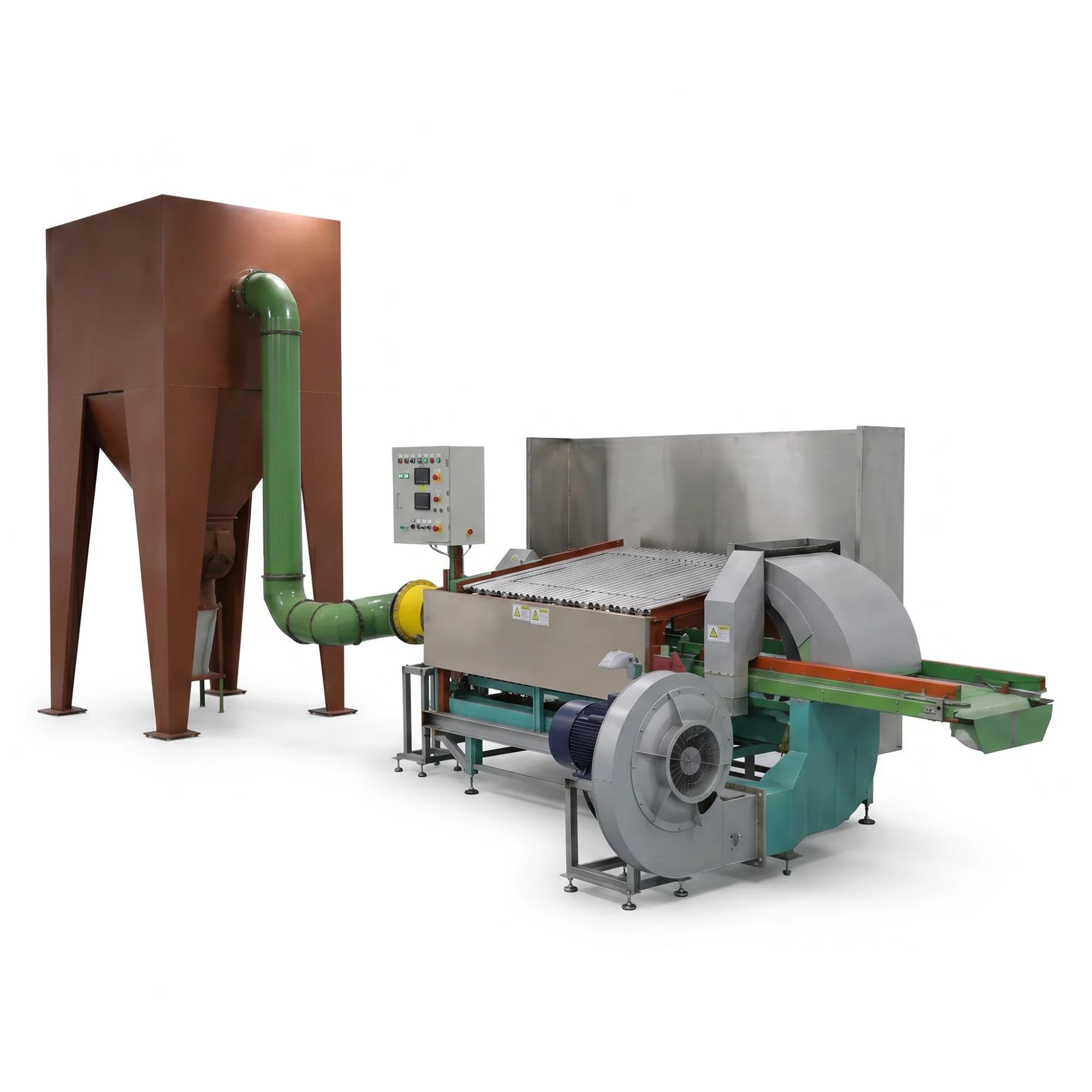
A day old chick handling system is usually drawn as one clean arrow from transfer to treatment, vaccination, loading, conveying, and dispatch. Real hatchery work also needs exception routes for blocked equipment, batch changes, container problems, technical checks, cleaning, and controlled restart.
Designing these routes before installation keeps short interruptions from becoming improvised handling across the room.
Start With One Clearly Defined Normal Route
The normal route should show where chicks enter, which approved operations occur, how they are presented, which containers are used, and where the batch leaves the processing area.
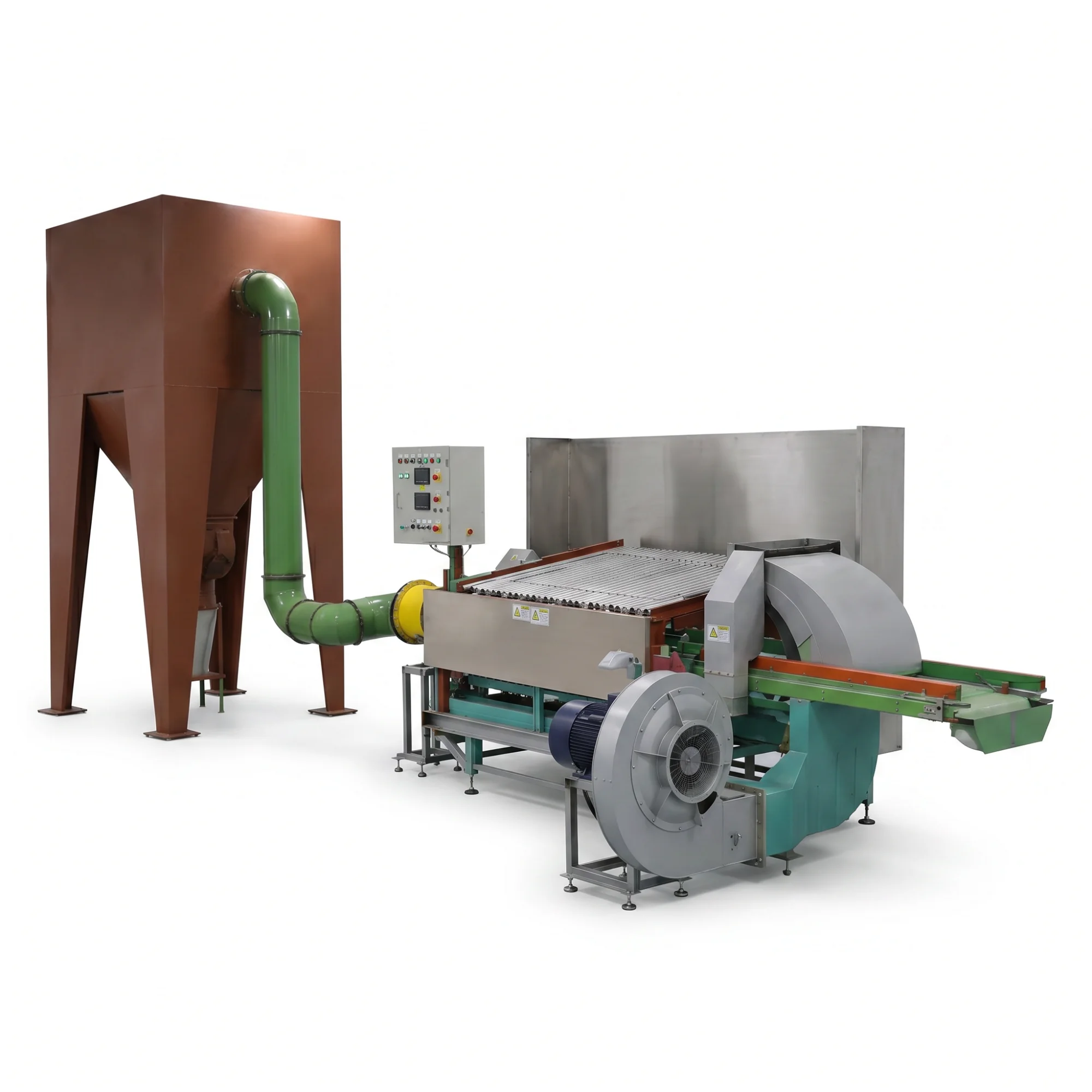
Jili Intelligent publishes a day-old chick picking and transfer machine, equipment for infrared treatment and vaccination, and a conveying and stacking line.
The system does not need every module. It needs a stable route that matches the approved process, batch pattern, room, staffing, and downstream dispatch method.
Once the normal route is understood, ask what changes when one condition is not normal.
Exception Route One: The Next Machine Is Not Ready
If the treatment, vaccination, loading, or stacking stage pauses, upstream work can continue only until safe and approved accumulation is full. The layout and controls should make that limit visible.
Define where chicks or boxes wait, who receives the warning, what stops first, and how the line restarts. Avoid a recovery plan that depends on operators carrying containers through a maintenance aisle or clean area.
During acceptance, create a representative downstream-not-ready condition. Record machine state, queue growth, operator action, batch identity, and restart time.
Exception Route Two: A Container Cannot Continue
Boxes and crates may arrive damaged, incorrectly oriented, unusually worn, or unsuitable for stacking. A blocked container should have a defined inspection and removal route.
The operator needs a safe place to move it without crossing normal chick flow. The batch or box identity should remain clear, and the system should communicate whether production can continue.
Representative container samples belong in the design and factory test. Drawings may not show flexibility, wear, labels, lids, or small dimensional variation found in the real population.
When planning a day old chick handling system, follow rejected or questionable containers as carefully as normal ones. A rare exception can stop the whole line if no route exists.
Exception Route Three: The Batch Changes
Batch change may require identification, records, settings checks, supplies, cleaning, or technical release according to the hatchery's approved procedures. The handling system should support the transition without mixing material or leaving unclear status between stages.
Mark the last item of the previous batch and the first item of the next. Define how remaining chicks or boxes are cleared, how each module confirms readiness, and who authorizes restart.
Time the full transition, not only the controller adjustment. Records, cleaning, container clearance, and operator communication are part of changeover capacity.
Exception Route Four: Technical Review Is Required
An operator may observe a condition that requires veterinary, production, quality, or maintenance review. The system should provide a controlled way to pause, identify the affected batch, and obtain a decision.
The equipment supplier can define machine states, alarms, access, and recovery behavior. The responsible customer team defines the technical decision and release requirements.
Do not design the normal conveyor route as the only place where material can exist. The exception area should have a clear owner, status, capacity, and route back to the process or to another approved disposition.
Exception Route Five: Cleaning or Maintenance Takes a Module Offline
Planned maintenance and sanitation may remove one module from service while other parts of the hatchery remain available. Decide whether production stops, uses a temporary approved route, or changes schedule.
The layout must provide access to guards, doors, removable parts, controls, and utilities without creating an unsafe crossing. Maintenance and sanitation teams should review the route before equipment positions are frozen.
Jili's complete hatchery automation solutions can support a line-level discussion. The project should still define which bypasses or temporary routes are approved and which are not permitted.
Give Every Exception a Visible Status
Operators should be able to answer: What stopped? Which batch is affected? Where is it waiting? Who owns the decision? What must be confirmed before restart?
Some answers may come from controls, others from labels, batch systems, or written records. The important point is ownership and consistency. More screens do not automatically create better control.
Use the same status language in training, operating procedures, alarms, acceptance tests, and support conversations. This reduces confusion when production is under pressure.
Test the Return to Normal
Exception design is incomplete until the return route is tested. Define how the queue is released, whether downstream equipment restarts first, how batch identity is checked, and how operators know the system is back in normal mode.
Include at least three exception scenarios in site acceptance: blocked downstream equipment, an unsuitable container, and a batch transition. Add site-specific technical or sanitation scenarios where they affect the handling route.
The result should be an orderly stop and restart, not the absence of every interruption.
Where Jili Intelligent Fits
Jili Intelligent supplies transfer, treatment, vaccination, conveying, stacking, washing, and integrated hatchery automation equipment. This range allows exception behavior to be discussed across interfaces rather than only within one machine.
The customer should provide the normal route, known exception cases, approved procedures, batch data, room layout, containers, staffing, and existing equipment. Jili can then define machine and control behavior within the agreed responsibility boundary.
Frequently Asked Questions
Does an exception route always require extra conveyor equipment?
No. It may require a layout change, a defined holding position, a status signal, an operating rule, or dedicated equipment. The design follows the approved process and measured risk.
How much accumulation should be included?
Base it on real arrival variation, downstream recovery time, available space, approved handling limits, and the point at which upstream work must stop.
Who should approve exception routes?
Production, technical or veterinary teams, sanitation, maintenance, safety, and engineering should review the routes relevant to their responsibilities.
A Reliable System Knows How to Stop
The best day old chick handling system does not pretend that every batch will run without interruption. It gives people clear routes, status, ownership, and restart steps when normal flow is unavailable.
Send Jili Intelligent your normal process, exception cases, batch pattern, layout, containers, existing equipment, cleaning route, and support needs through the contact page. Ask the concept layout to show both normal and exception routes.