


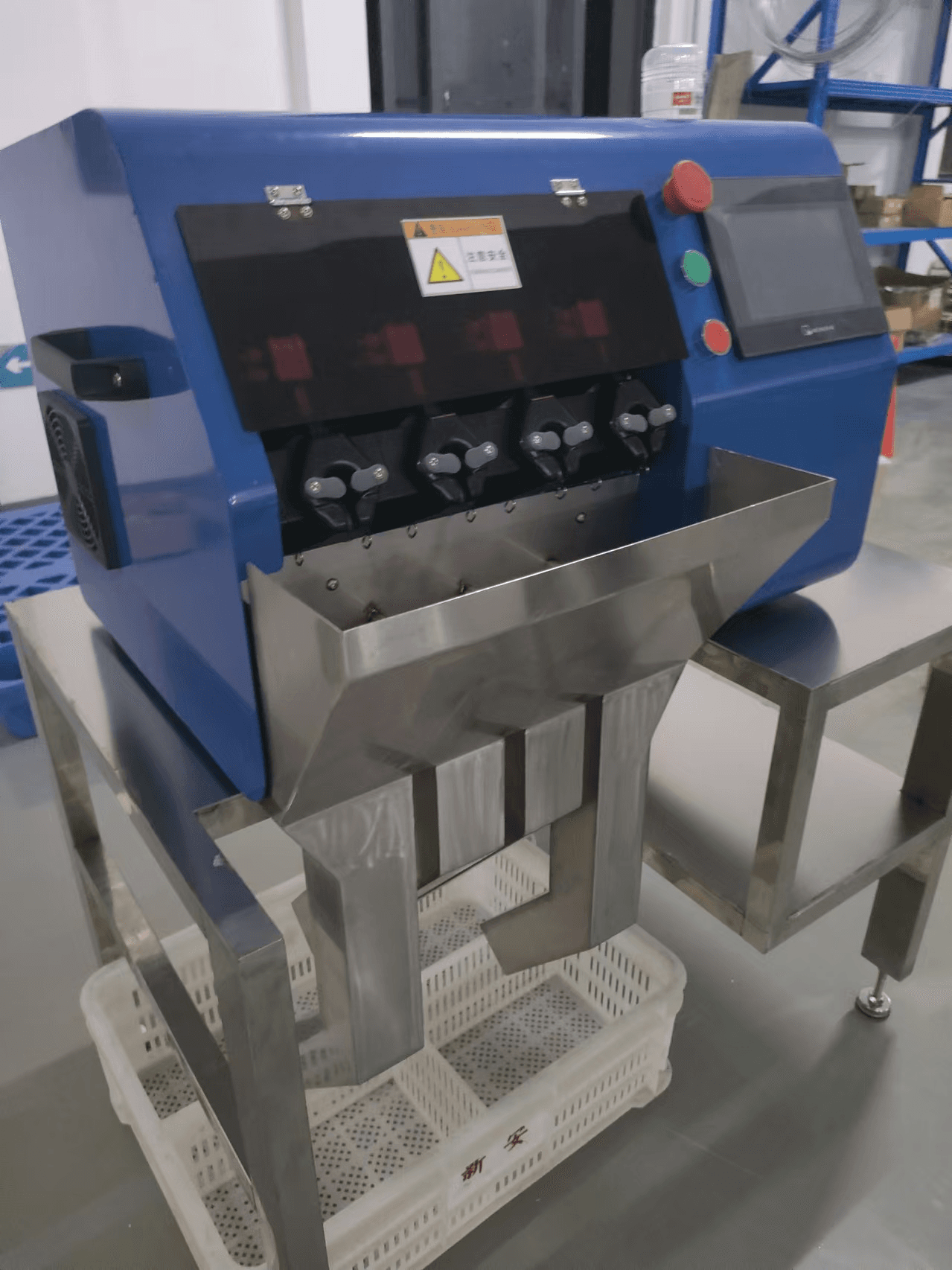
A day-old chick infrared beak trimming machine should be judged at the moments when people, chicks, equipment, and production pressure meet. A brochure can describe a station. A useful buying decision comes from watching a shift and asking what changes when the room is busy.
These field notes give hatchery teams a practical way to observe the process without turning the evaluation into a specification manual. Technical and veterinary owners remain responsible for approving the procedure; the equipment discussion should make their requirements easier to execute consistently.
Observation 1: Watch the First Five Minutes
The first five minutes reveal more than a polished demonstration at steady speed. Note how operators prepare the work area, confirm the batch, check supplies, start the equipment, and settle into a repeatable rhythm.
Look for hesitation. If one person repeatedly reaches across another, turns away from the station, or pauses to find a tool, the layout may be creating avoidable variation. Ask whether the operator position, lighting, guarding, and access can be adapted to the customer's room and normal working method.
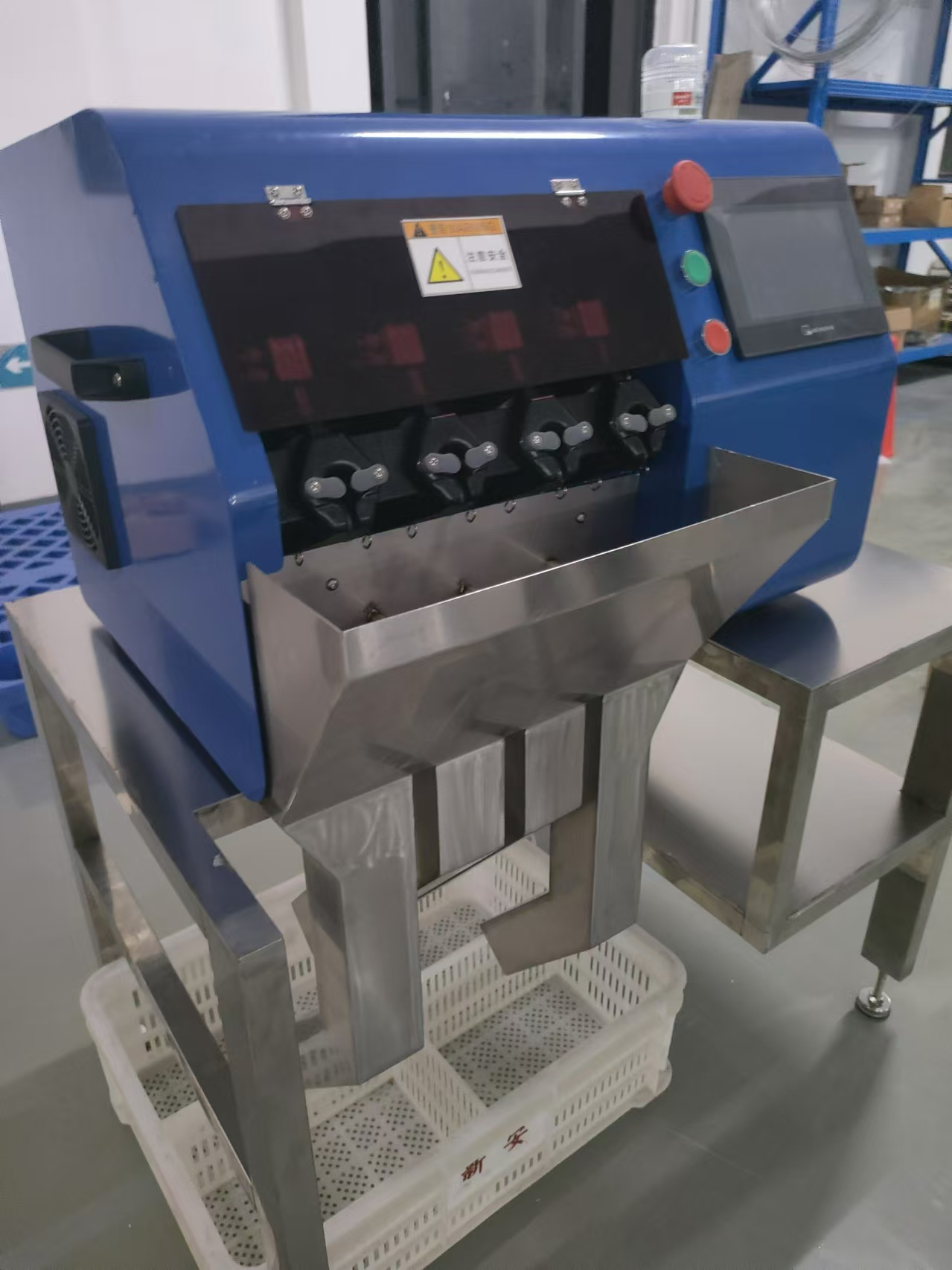
Jili Intelligent presents a dedicated infrared beak trimming machine for day-old chick applications. The product page is a useful starting point, but the project review still needs the actual bird type, batch pattern, room layout, utilities, and approved operating procedure.
Observation 2: Follow One Chick, Not the Counter
Headline capacity can distract from the quality of each handoff. Follow a single chick from arrival at the station through positioning, treatment, release, and transfer to the next step.
Watch whether the movement is calm and clear. Then repeat the observation with different operators and during a busier period. The goal is not to make a biological promise from a machine demonstration. It is to see whether the mechanical workflow supports controlled, repeatable handling under the customer's approved process.
Observation 3: Listen to the Operator's Questions
Operators quickly find the points that a quotation may miss. They ask where to place supplies, how to recognize a normal condition, what to do after a stop, who may change a setting, and how to record an exception.
When comparing a day-old chick infrared beak trimming machine, collect those questions before the order is placed. They may affect controls, access, training, documentation, spare parts, and the connection to upstream or downstream equipment.
A good review separates three kinds of decisions: customer-approved process settings, normal operator actions, and maintenance-only adjustments. That boundary protects consistency and makes training easier.
Observation 4: Create a Controlled Stop
Do not evaluate only smooth production. Ask for a controlled stop and restart. Observe what the operator sees, where chicks wait, how the cause is identified, and how the station is released for operation again.
The same exercise should cover loss of downstream availability. If the next station is full or unavailable, the line needs an agreed response. A faster machine does not solve an undefined holding, bypass, or recovery route.
Record the stop as a short sequence with an owner for each action. This becomes useful material for factory acceptance, site training, and early production support.
Observation 5: Inspect the Cleaning Position
Cleaning access is easiest to understand when the station is stopped and prepared for sanitation. Check which parts are removed, where they are placed, how reassembly is confirmed, and which areas are difficult to see or reach.
Ask who releases the equipment after cleaning and how that release is recorded. Sanitation teams should participate in the review, because a machine that is easy to operate but awkward to clean can create pressure at the end of every shift.
Jili Intelligent's service information outlines its wider support approach. For a specific project, the quotation should define documents, training roles, commissioning assistance, remote support, and any site-service boundaries.
Observation 6: Compare Evidence, Not Impressions
End the visit with evidence that several teams can review. Useful records include the agreed configuration, photos of access points, a responsibility list, alarm examples, test observations, open items, and closure dates.
Procurement can then compare offers using the same headings. Production can judge the workflow. Engineering can check interfaces. Technical owners can keep the approved procedure separate from equipment acceptance.
Frequently Asked Questions
Is infrared equipment selected only by capacity?
No. Capacity matters, but buyers should also examine handling, operator rhythm, approved procedure, stop recovery, sanitation access, integration, training, and support.
Who should attend a supplier demonstration?
Include production, technical or veterinary owners, engineering, sanitation, maintenance, and procurement. Each group sees a different project risk.
What should be sent before requesting a quotation?
Send bird and batch information, the approved application, normal and peak workflow, room layout, utilities, adjacent equipment, destination, schedule, and required service scope.
Turn the Visit Into a Project Decision
The best day-old chick infrared beak trimming machine is not the one that looks fastest during a short demonstration. It is the one whose handling, access, interfaces, evidence, and support fit the hatchery's real shift.
Share your workflow, layout, approved procedure, utility information, and project schedule with Jili Intelligent through the contact page. Ask the team to respond to your field observations with a configuration and responsibility plan.