


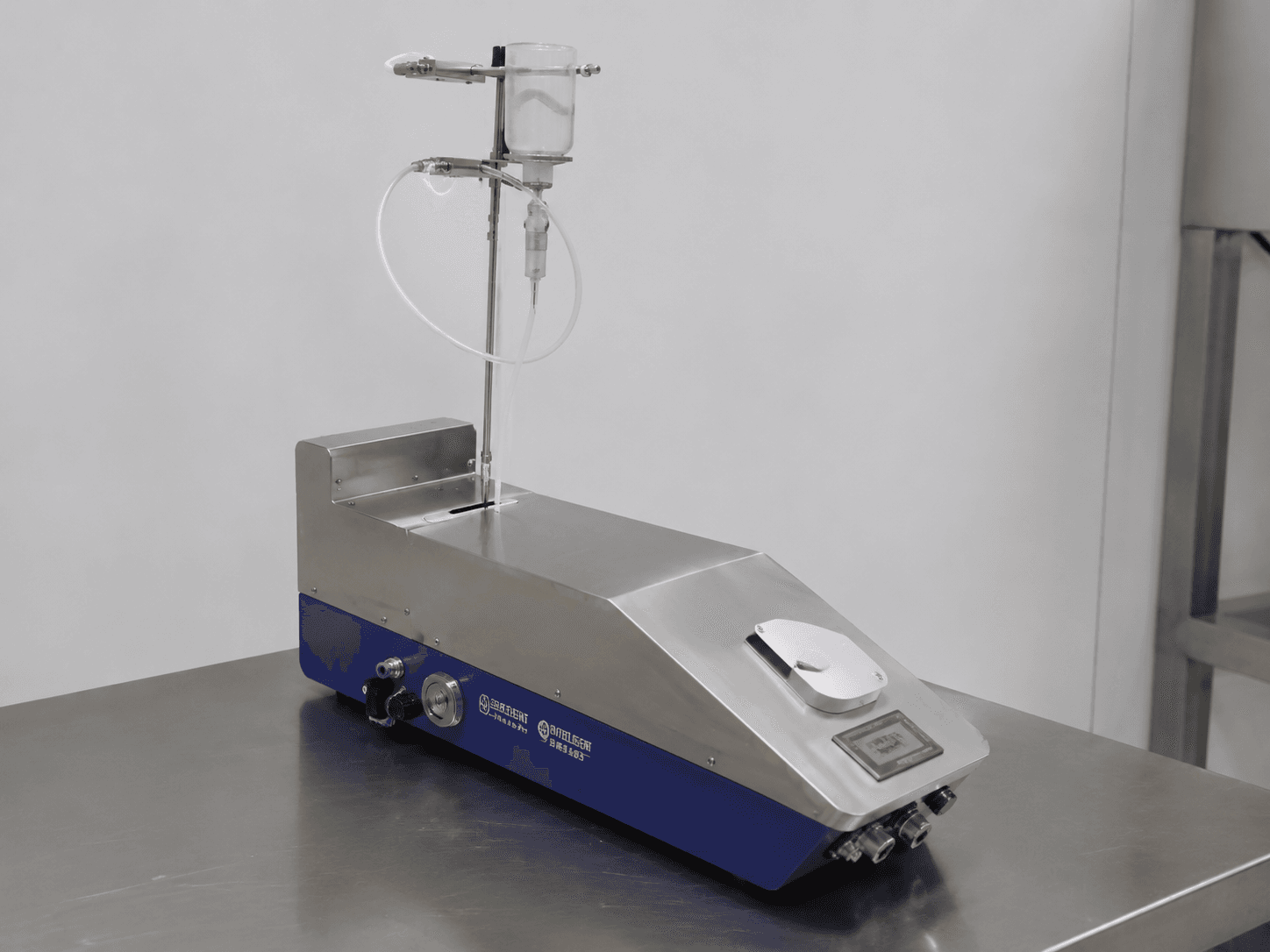
Day old chick vaccine injection equipment does not begin its work when an operator presses start. It begins at the preparation bench, where approved supplies, records, roles, cleanliness, timing, and handoffs are made visible. Map that bench before commissioning so the machine is judged as part of a controlled workflow.
The goal is not to prescribe a universal clinical procedure. The customer's qualified veterinary or animal-health team remains responsible for applicable protocols and decisions.
Draw the Bench as a Sequence of States
Mark receiving, verification, preparation, ready, in-use, held, record-complete, and approved disposal or return states. Each state needs a location, owner, status indicator, and transition rule.
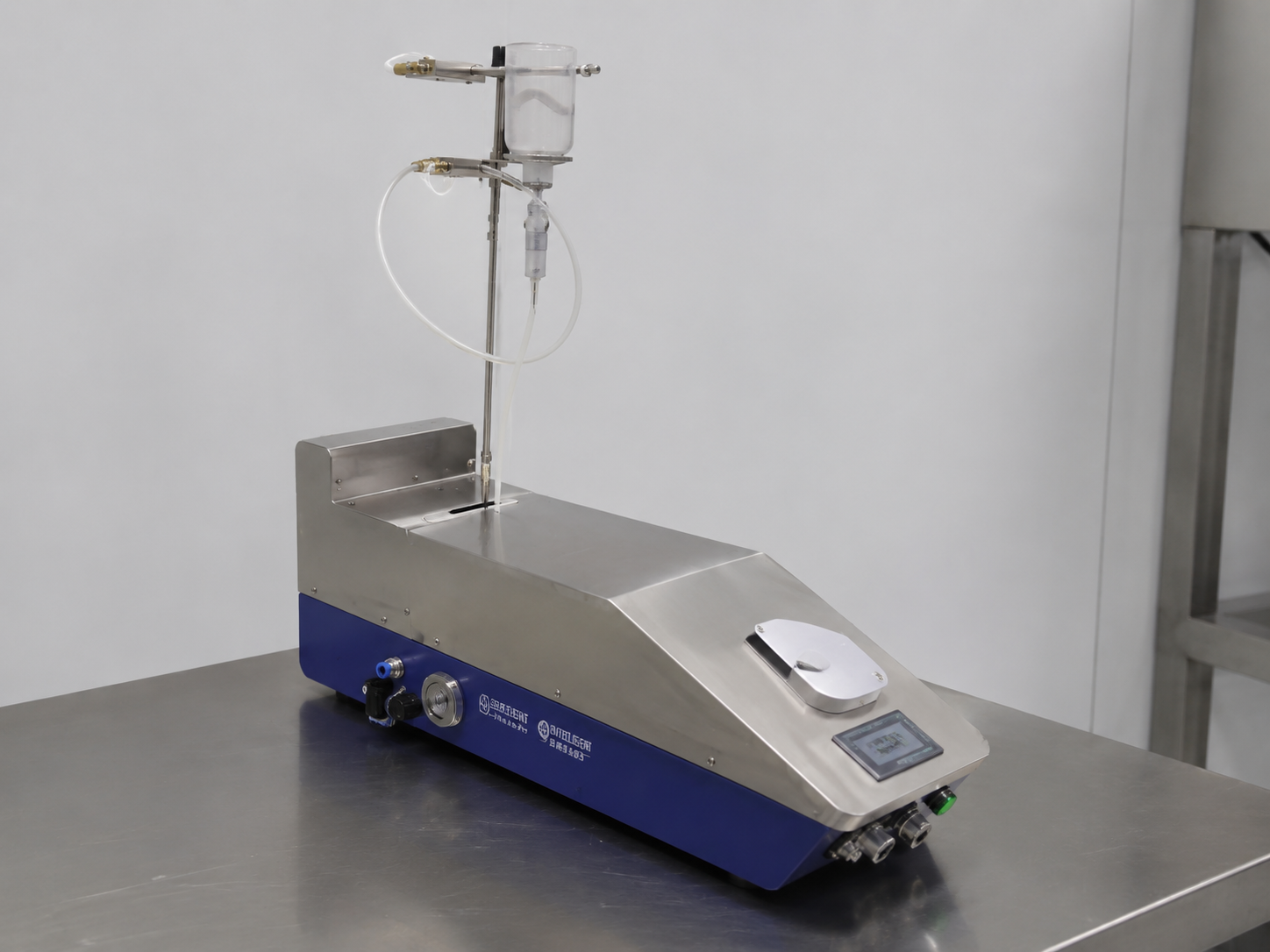
Jili Intelligent presents a day-old chick vaccination machine through JuliSense. Configuration, process ownership, capacity, interfaces, and training scope require project-specific confirmation.
Do not let the bench become a mixed-status shelf
Separate ready items, items awaiting verification, open items, used items, and rejected or held items. A visual boundary can prevent a costly interpretation during a busy shift.
Give the clock an owner
Record who starts the approved preparation window, who confirms readiness, and what happens if the planned sequence is delayed.
Verify Supplies Before They Reach the Machine
The preparation team confirms identification, approved status, quantity, condition, and documentation under customer procedures. The equipment supplier can explain machine interfaces but should not replace the customer's professional approval.
The World Organisation for Animal Health Terrestrial Code provides internationally recognized animal-health and welfare references. Destination rules and customer-controlled procedures govern the actual application.
Record the last check
Put the final verification point on the map. The person who sees the item immediately before use should know which record and approval they rely on.
Rehearse a missing-supply decision
Use a tabletop scenario to define how work is held, who is notified, what is protected, and who authorizes continuation. Do not improvise a replacement during a demonstration.
Give the Operator a Clean Working Triangle
Place the machine interface, preparation items, and records so the operator can see and reach the required information without repeated crossing or unclear handoff.
During a day old chick vaccine injection equipment review, count walking, turns, touches, replenishment, and communication. A smooth machine cycle can still require an impractical human routine.
Place records where they can be completed
Define whether records are paper, electronic, or both; where status is visible; and who checks completeness before release.
Protect the observation position
The customer's qualified welfare or veterinary owner should have a practical place to observe applicable criteria without blocking the operator or crossing an inappropriate hygiene boundary.
Connect Preparation to the Upstream Flow
The bench should receive work at a known rhythm and communicate readiness to upstream handling. Draw arrival, queue, release, and hold paths, including what happens when the machine is not ready.
Give each buffer a limit
State maximum quantity, time or operating limit, status, owner, and escalation. An unbounded staging space becomes a hidden process step.
Test the first and last handoff
Observe what arrives before preparation and what leaves after the process. The right machine in the wrong handoff can create more work around the center.
Add a Controlled Pause to the Bench Map
Choose a safe interruption permitted by the test plan and risk assessment. Freeze current work, supply status, machine state, records, and people before recovery.
For machinery risk assessment and risk reduction, ISO 12100 provides a general framework. Apply relevant requirements to the complete installation, interfaces, and customer procedures.
Separate cleaning from clinical decisions
Sanitation and maintenance define access, cleaning, inspection, reassembly, and release. Veterinary or animal-health owners define professional process decisions. Keep the responsibilities visible.
Confirm readiness before restart
Name the person who checks machine state, approved supplies, access, guarding where applicable, records, upstream readiness, and downstream release before the next authorized start.
Make the Bench Handover Teach-Back Friendly
After instruction, authorized customer personnel should demonstrate preparation, verification, normal operation, exception handling, record completion, cleaning boundaries, and escalation in their own words.
JuliSense discusses commissioning, training, and support on its service page. Exact training language, location, attendance, materials, timing, and deliverables belong in the agreed scope.
Let a new reader find the source
Give a person who did not write the map the controlled document, location labels, and open-item register. Record where they hesitate or ask for missing information.
Keep the map versioned
When supplies, layout, equipment, procedure, or records change, update the bench map and linked instructions together.
Use Five Questions to Approve the Preparation Area
| Question | Evidence |
|---|---|
| Are statuses visually separated? | Labeled locations and transition rules |
| Is the final verification owned? | Approved record and person |
| Can the operator work without crossings? | Walkthrough and intervention notes |
| Is the pause and restart understood? | Controlled scenario record |
| Can sanitation and maintenance release the area? | Access and inspection checklist |
What should buyers send JuliSense?
Share the customer protocol references, expected batch pattern, staffing, bench dimensions, hygiene boundaries, equipment interfaces, records, and support questions through the JuliSense contact page.
Does the bench map replace a procedure?
No. It is a visual workflow aid that connects controlled procedures, people, supplies, equipment, and evidence.
Simulate the Busy Preparation Window
Do not review the bench with one calm item and one person. Bring the representative arrival pattern, a normal replenishment, a record request, an observation question, and one approved hold scenario into the tabletop exercise. The team should explain which item moves, which item waits, and which status remains visible.
Test the handoff at the edge
Stand where preparation meets the day old chick vaccine injection equipment. Ask the upstream person to state readiness and the operator to state what is accepted. Then reverse the conversation when the machine is not ready.
Keep held material unmistakable
Use labels, locations, and records that separate ready, held, used, and rejected states. The method should remain clear during shift change and cleaning.
Plan the End of the Preparation Cycle
The bench map should include what happens after the last approved batch: records, remaining supplies, cleaning, waste or return, inspection, replenishment, and readiness for the next window.
Close records before releasing the area
Name the person who checks completeness and resolves discrepancies. Physical movement may stop before the documentation is ready for release.
Leave a next-shift message
State current status, open item, protected work, supply condition, required check, owner, and deadline. A short controlled message is better than an informal verbal promise.
Use the Map During Commissioning
Bring the preparation-bench map into dry checks, representative flow, controlled interruption, training teach-back, and handover. Update it when the equipment, layout, supply path, record, or customer procedure changes.
What does the map prove?
It proves that people, supplies, equipment, records, and decisions have been considered together. It does not approve a clinical protocol or replace an installation procedure.
The Preparation Bench Is Part of the Machine Decision
Day old chick vaccine injection equipment should be evaluated through the complete preparation-to-release story. JuliSense can help customers discuss equipment, commissioning, training, and service around that story while professional clinical and site decisions remain with the customer.
What changes when the bench is too far away?
Repeated walking, delayed verification, unclear status, and extra handoffs can make a technically capable day old chick vaccine injection equipment project difficult to operate. The buyer should measure those movements during a representative window and decide whether the layout, staffing, records, or interface should change.
What belongs in a preparation-bench acceptance note?
Record the approved condition, supply state, operator, timing, record reference, observation, exception, cleaning status, and release decision. This gives the customer a useful handover artifact instead of a generic note that the bench was “reviewed.”
The same note should identify the day old chick vaccine injection equipment configuration and the customer-controlled conditions that make the observation meaningful.