


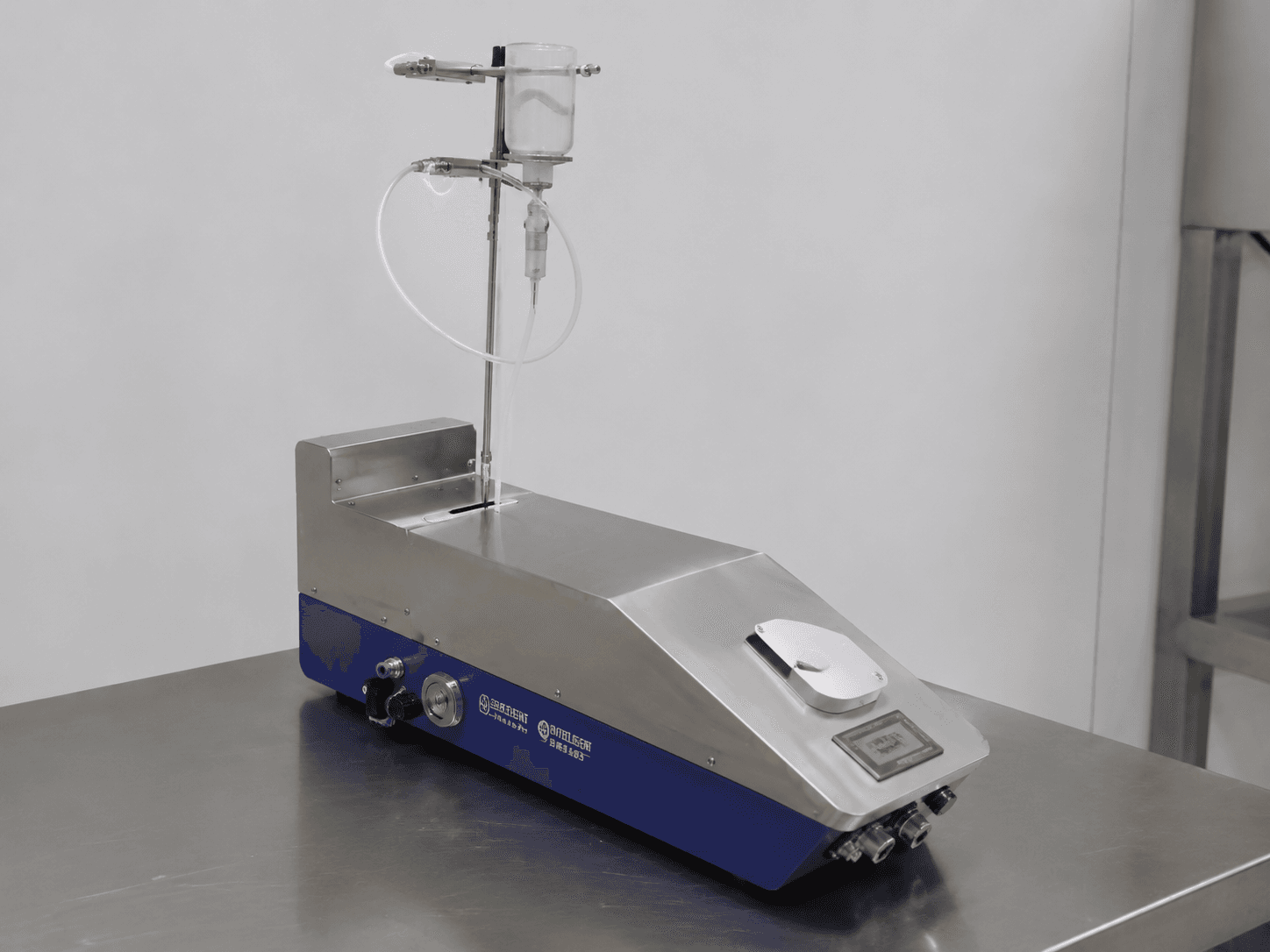
Buying day old chick vaccine injection equipment is not only a decision about the injection station. It is also a decision about what the outgoing shift leaves behind and what the incoming shift must verify before the next approved batch begins.
A strong handover makes machine status, batch identity, supplies, cleaning, records, open issues, and technical ownership visible. Without it, the new team starts by reconstructing what happened from memory.
Thirty Minutes Before the Last Batch
The outgoing team should know which batch is expected to finish the shift and whether enough approved supplies remain to complete it. This is the time to review current machine status, recurring alarms, remaining materials, documentation, and any work that cannot be closed before handover.
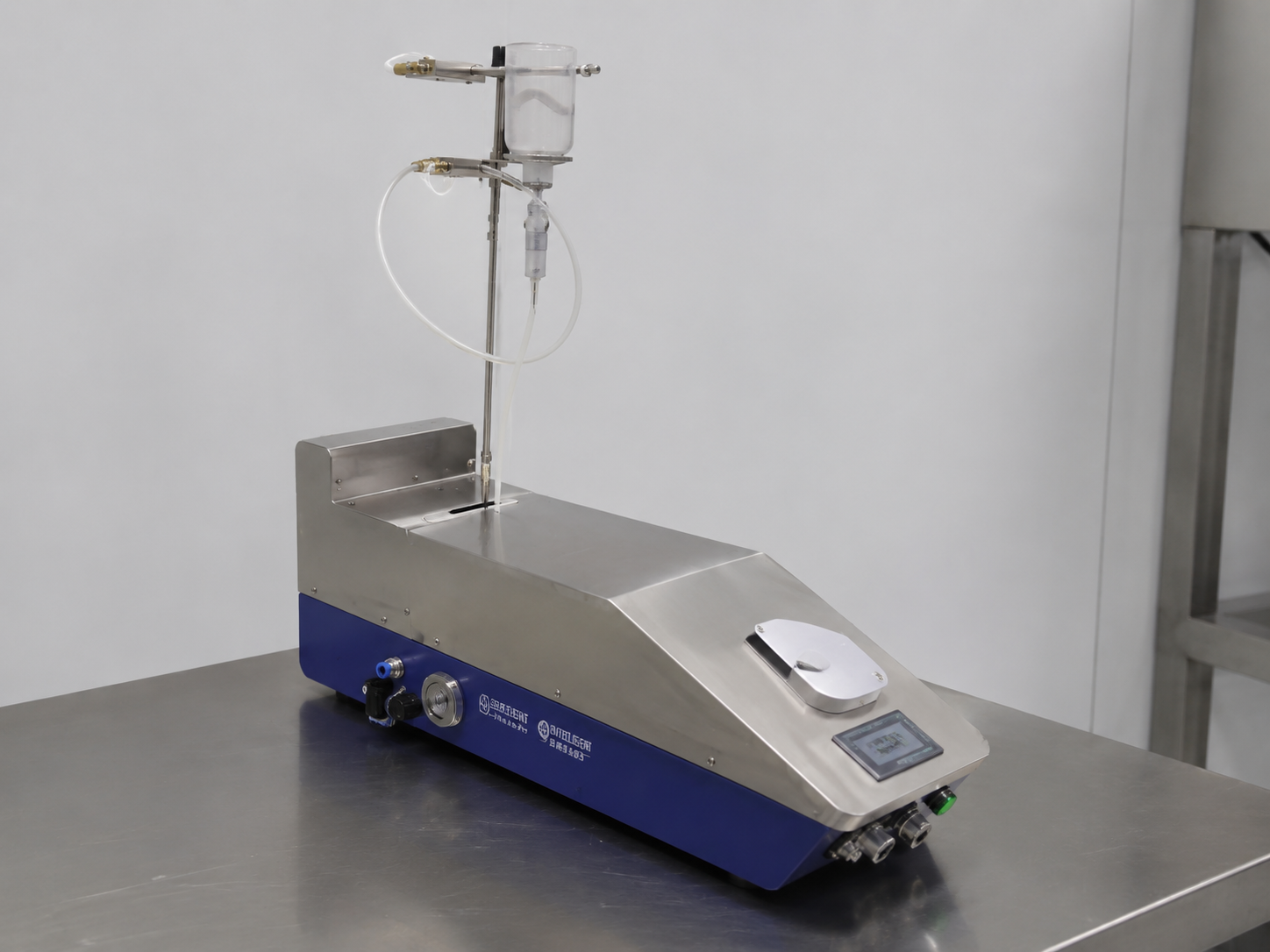
Jili Intelligent publishes a day-old chick injection vaccinator. The hatchery's responsible veterinary team defines the approved vaccination program, preparation, application, verification, and release requirements. Equipment selection should support that defined job.
If an issue may continue into the next shift, record the exact condition. “Machine had a problem” is not useful. Note the batch, time, machine state, alarm or symptom, action taken, result, and whether production resumed normally.
Follow the Final Chick, Not the Clock
Shift end should follow the process state rather than a scheduled minute. Mark the last chick or container of the outgoing batch and confirm where it leaves the vaccination point.
Then account for material at the workstation. What remains in preparation, supply lines, containers, records, or waste routes? Which items can carry forward under the approved procedure, and which must be removed or disposed of? These decisions belong to the hatchery's technical controls, but the equipment and layout should make them manageable.
When buying day old chick vaccine injection equipment, ask the supplier to demonstrate batch-end behavior. The team needs to see how the station stops, how status is displayed, and what must be checked before cleaning begins.
Cleaning Is Part of the Handover Record
“Cleaned” is too broad. The outgoing shift should record which approved procedure was completed, who performed it, what parts were removed or inspected, whether reassembly was completed, and whether any condition needs review.
Cleaning access affects equipment fit. Ask to see guards, doors, removable components, work height, drainage or collection points where applicable, and the space required around the station. A machine that is easy to run but difficult to release for the next shift will create avoidable delay.
Jili's quality-control process gives buyers a starting point for supplier discussion. Site sanitation procedures and release decisions remain the customer's responsibility.
Preparation Equipment Must Have the Same Batch Story
Where warming or mixing is part of the approved workflow, the handover must include that preparation stage. Jili publishes an automatic vaccine water bath mixer and warmer.
Record the identity and status of containers, utilities, timing, preparation records, cleaning, and the handoff to the application point. Physical proximity does not guarantee control. The outgoing and incoming teams should use the same names for each status and material location.
If preparation work begins before the injection station is released, define who owns the coordination and what happens if startup is delayed.
The Incoming Shift Should Verify Five Things
First, the batch and approved job are clear. Second, the machine is in the expected state with no unexplained alarms or temporary changes. Third, required supplies and preparation records are available. Fourth, cleaning and reassembly status are confirmed. Fifth, the people responsible for technical release and production startup are identified.
The incoming operator should not accept a vague verbal assurance. A short checklist, supported by machine status and records, creates a repeatable handover without turning the shift change into a long meeting.
If any item is unclear, the system needs a defined “not ready” state. Starting while questions remain is not a productivity strategy.
Test Handover During Acceptance
Factory acceptance usually focuses on running. Add a shift-change scenario. Complete a representative batch, stop the equipment, record status, perform the agreed access and cleaning demonstration, change the operator team, and restart under a new batch identity.
Observe what information the incoming team needs from the outgoing team and what the machine already communicates. Record any dependence on unofficial notes, personal memory, or an experienced technician who will not be present at the customer's site.
Site acceptance should repeat the scenario with the real room, utilities, procedures, operators, and surrounding equipment. Supplier acceptance and customer technical validation should remain clearly separated.
Support Should Begin With the Handover Evidence
When the next shift reports a problem, remote support works faster if the handover record contains batch identity, machine state, alarm history, recent changes, photos or video, and actions already taken.
Ask the supplier to define the support channel, working language, response expectations, information required, spare-parts process, and escalation path. Jili publishes broader service information; the quotation should state the commitments for the actual destination and configuration.
Good evidence prevents each support conversation from starting with “Please explain everything that happened yesterday.”
Frequently Asked Questions
Does automated injection remove the need for a shift handover?
No. Automation can make status and sequence clearer, but people still need to transfer batch, cleaning, supply, alarm, record, and release information.
Who approves vaccination startup after handover?
The hatchery should define the responsible veterinary, technical, quality, and production roles. The equipment supplier supports machine readiness but does not replace customer approval.
What should a supplier demonstrate before purchase?
Ask for startup, normal running, batch end, stop state, cleaning access, alarm recovery, operator change, records, and restart using the offered configuration.
A Good Handover Protects the Next Batch
The value of day old chick vaccine injection equipment is not limited to the moment the machine runs. It also depends on whether one team can leave the station in a clear state and the next team can begin without guessing.
Send Jili Intelligent your approved application, batch pattern, shift schedule, preparation flow, cleaning requirements, room layout, and support needs through the contact page. Ask the acceptance plan to include a complete shift handover.