


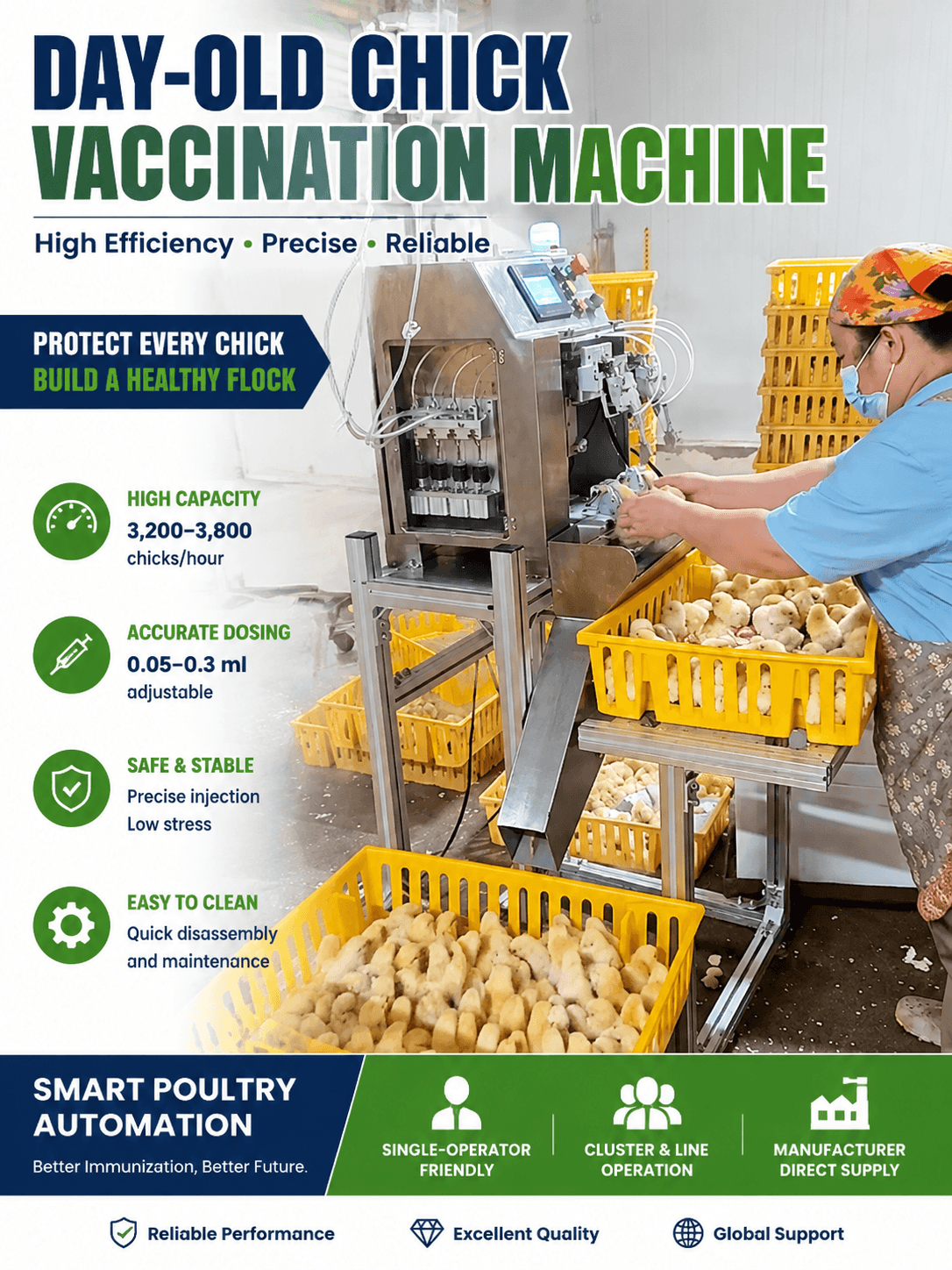
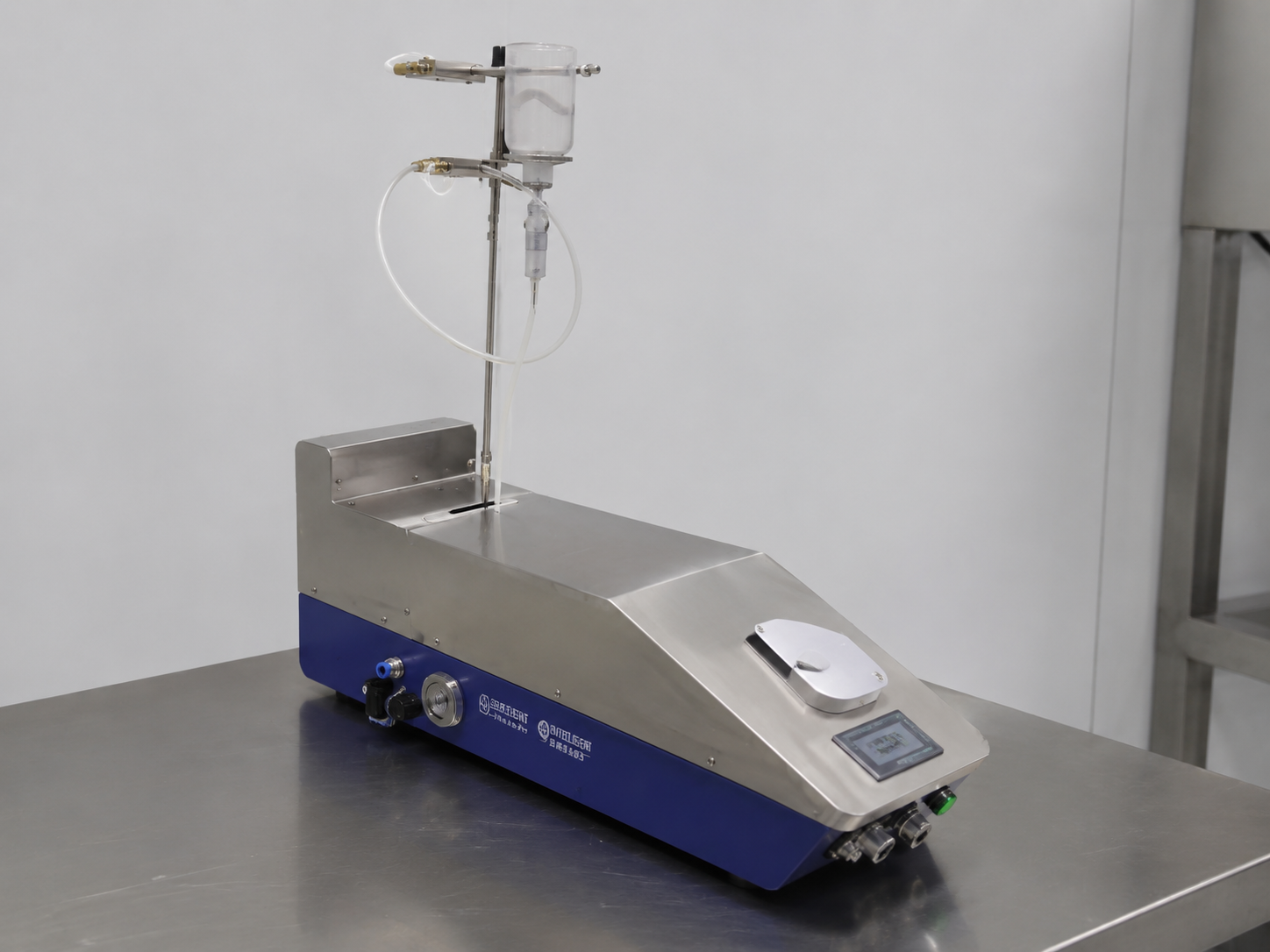
A dual needle chick vaccination machine setup should be discussed as a complete working arrangement, not as a simple choice between one needle and two. The useful questions begin with the approved vaccination plan, then move through supply preparation, operator access, batch identity, records, cleaning, interruption handling, and the final project boundary.
Following one prepared supply tray through the shift makes those questions easier to understand. It gives the veterinary, production, quality, engineering, and purchasing teams one shared story instead of five separate checklists.
Before the Tray Is Opened, the Project Has Already Started
Imagine a tray arriving at the workstation before the first batch. It contains only the supplies approved by the customer's qualified veterinary team. The labels are readable, the batch relationship is clear, and the authorized operator knows which program applies. If any of these facts are uncertain, the machine is not the first problem to solve.
This is why the dual needle chick vaccination machine setup begins with readiness that every authorized role can recognize.
Jili Intelligent presents chick vaccination equipment through the JuliSense product portfolio. The ordered configuration should be matched to the customer's approved procedures, local requirements, room design, staffing, and intended workflow.
Veterinary owners define the application
Equipment should not decide which vaccination procedure is appropriate. Qualified customer personnel define the approved application, materials, preparation, handling, and verification requirements. The supplier then explains what the selected equipment can support and which interfaces still belong to the hatchery.
Production owners define the real shift
The trial needs representative timing, operator movement, container flow, replenishment, and batch changes. A demonstration with an always-full supply tray and no normal interruptions may show motion, but it says little about an ordinary production day.
The First Question Is Not How Fast the Needles Move
The first question is whether each approved input remains identifiable from preparation to reconciliation. Ask where supplies wait, who releases them, how the operator confirms the current batch, and what visual or recorded cues prevent an unnoticed mismatch.
During a dual needle chick vaccination machine setup, buyers should also ask what the operator can see without leaving the normal working position. Clear presentation reduces unnecessary reaching and helps the team notice an exception before it becomes a wider line issue.
Watch one replenishment
Do not prepare every supply in advance for the trial. Include one controlled replenishment. Observe where the tray is placed, which hand performs which action, what must remain clean, how identity is checked, and whether another role is needed.
Watch one question
Ask the operator to stop and explain the current state in plain language. If the answer depends on a visiting technician pointing at hidden information, training and visual controls may not yet support customer-led operation.
Two Needles Create One Shared Recovery Decision
Normal movement can make a dual-needle configuration look simple. A more revealing discussion begins when one element needs attention. Where does the current chick go? Does the workstation pause in a controlled way? What happens to the other activity? Who decides whether work can continue, and what must be confirmed before restart?
This should be a planned and approved demonstration, not an unsafe improvised fault. The objective is to understand the agreed response and the evidence available to the operator.
Define the pause before the restart
Write a short normal-pause story before the test. Name the signal, the permitted operator action, the position of current work, the escalation route, and the condition required for restart. The exact response depends on the selected machine and customer procedure.
Include surrounding equipment
If the workstation connects to transfer, conveying, counting, or box handling equipment, the pause story must cross those interfaces. For machinery risk discussions, ISO 12100 provides a general framework for risk assessment and risk reduction. Apply the relevant requirements to the final system and destination.
Follow the Tray Through the Dual Needle Chick Vaccination Machine Setup
The tray is useful because it turns an abstract specification into a visible route. A buyer can follow seven moments:
| Tray moment | Question to answer |
|---|---|
| Receipt | Is the approved material and batch relationship clear? |
| Controlled opening | Who authorizes use, and what must be recorded? |
| Positioning | Can the operator reach and identify supplies comfortably? |
| Replenishment | How is identity maintained during a busy period? |
| Interruption | How are current work and open supplies controlled? |
| Changeover | What is removed, reconciled, cleaned, and released? |
| Handover | What information must the next authorized team receive? |
The table is not a veterinary procedure. It is a project conversation that helps the customer identify requirements for the ordered equipment, room, documents, training, and acceptance evidence.
It also keeps the dual needle chick vaccination machine setup connected to responsibilities that a feature list cannot show.
Quality asks for traceable evidence
Quality teams usually need to know which facts are recorded, who reviews them, where exceptions are documented, and how the record relates to the customer's batch system. Confirm what the equipment provides and what must be supplied by customer processes or other systems.
Procurement asks for a visible boundary
The quotation should distinguish the machine configuration, included accessories, controls, documents, training, commissioning support, recommended spares, customer work, and exclusions. A feature name without a boundary is difficult to compare across suppliers.
Cleaning Begins Before the Final Tray Leaves
Sanitation planning is easier when the team watches the end of a representative run. Which items are discarded, retained, reconciled, or moved? What surfaces and components require access? What can be removed? Which tools are required? Who releases the station after cleaning and reassembly?
The World Organisation for Animal Health Terrestrial Code offers internationally recognized animal-health and welfare references. The customer's qualified owners remain responsible for the actual veterinary, welfare, sanitation, and regulatory decisions at the site.
Maintenance and sanitation need the same access map
These teams may enter the same physical areas for different reasons. Mark inspection points, removable components, service positions, drainage or collection areas, and guarding boundaries on one drawing. Resolve conflicts before the layout is frozen.
A clean station still needs a handover
After cleaning, the next shift should not rely on memory. Agree what status is shown, which items are closed, what remains open, and who authorizes the next approved startup.
Make the Trial Feel Like a Shift, Not a Demonstration
A useful trial includes preparation, normal operation, one replenishment, one controlled pause, one batch or program change where applicable, end-of-run reconciliation, cleaning access, and customer-led explanation. It also uses representative operators rather than only the people who attended every supplier meeting.
The complete dual needle chick vaccination machine setup should remain understandable through all of those moments, not only during steady motion.
JuliSense can use this supply-tray story to organize the conversation around its day-old chick infrared beak trimming and vaccination machine. Final capability, configuration, and commercial commitments should be confirmed for the specific project.
Ask for evidence that can travel home
Videos, signed observations, approved drawings, interface lists, training records, and open-item logs are more useful than a general statement that the trial went well. The evidence should be understandable by the customer's team after the visit.
Leave one item deliberately unanswered
Before the meeting ends, ask which decision still depends on customer information. This exposes missing inputs such as room constraints, utilities, procedures, staffing, integration signals, or destination requirements.
Ten Buyer Questions Before a Dual-Needle Trial
Who approves the vaccination application?
The customer's qualified veterinary and regulatory owners approve the applicable procedure. The equipment supplier explains machine capability within the agreed scope.
What does the second needle change operationally?
It may change supply presentation, operator checks, records, changeover, recovery, and the selected configuration. Confirm the actual project arrangement rather than assuming a generic answer.
Which supplies are included in the test?
Use only approved, representative materials under the customer's controlled plan, with clear identity and handling responsibilities.
How should replenishment be observed?
Watch the complete action, including preparation, identity checks, operator reach, temporary placement, confirmation, and return to normal work.
What happens during a controlled pause?
Agree the signal, current-work position, permitted action, escalation, checks, and restart authority before performing the test.
What records come from the machine?
Confirm the selected controls and data scope. Also name customer records and external systems that are not supplied by the machine.
Who owns cleaning release?
The customer's authorized sanitation or quality owner should define and approve the release method and evidence for the site.
Should the trial include customer operators?
Yes. Customer-led operation reveals whether access, information, training, and documents are understandable without continuous supplier prompting.
What belongs in the quotation?
List configuration, accessories, interfaces, documents, tests, training, commissioning, recommended spares, customer work, and exclusions.
How can a buyer start the discussion with JuliSense?
Use the JuliSense contact page to share the approved application context, expected workflow, room information, integration needs, destination, and trial questions.
One Tray Can Reveal the Whole Project
A dual needle chick vaccination machine setup becomes easier to evaluate when one supply tray is followed from controlled preparation to final handover. The route exposes identity, operator access, interruptions, records, cleaning, training, and commercial boundaries in language every project team can understand.
JuliSense can help buyers turn that route into a focused equipment discussion. The aim is not to make the trial look effortless. It is to leave the customer with a configuration, evidence package, and handover that remain clear when ordinary production begins.