


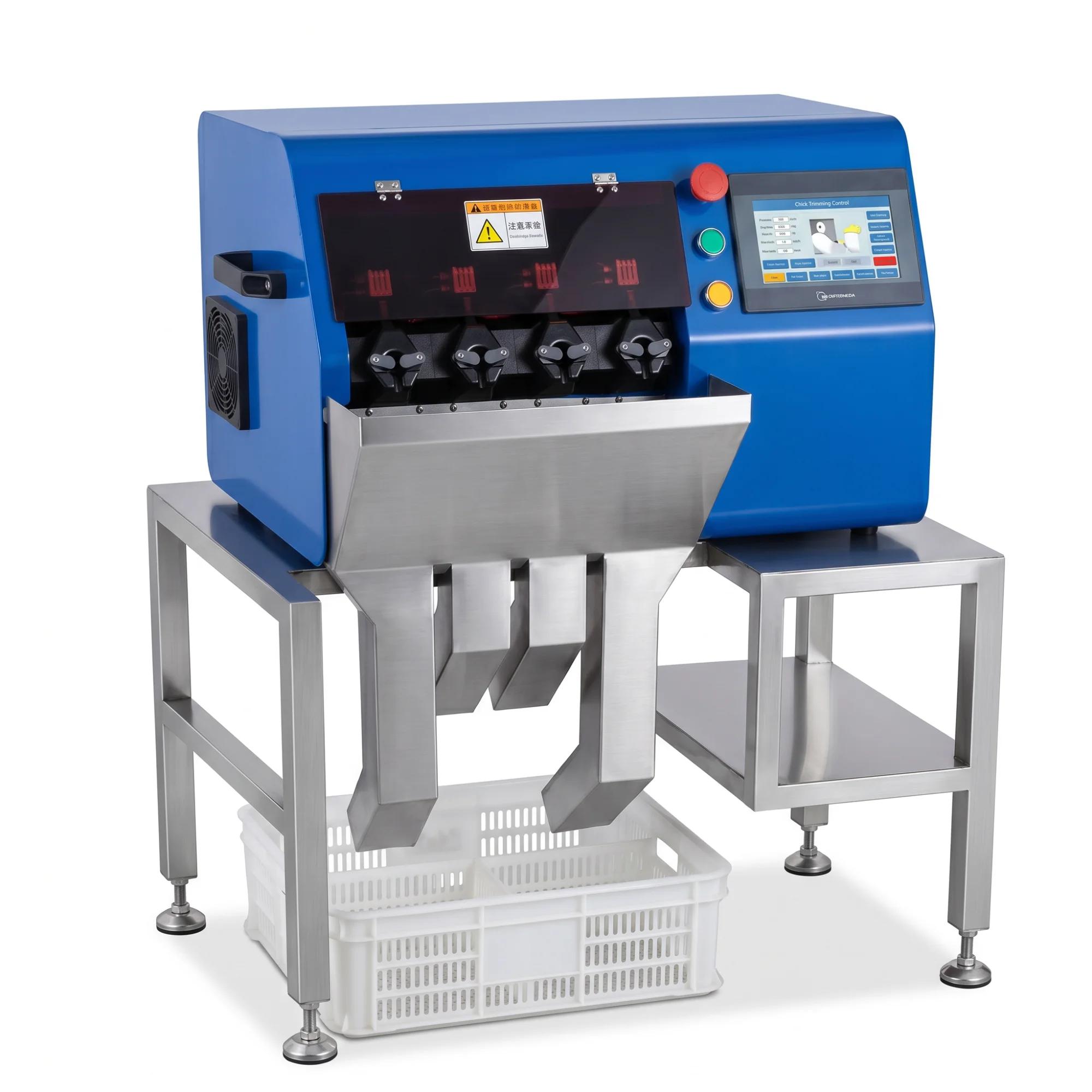
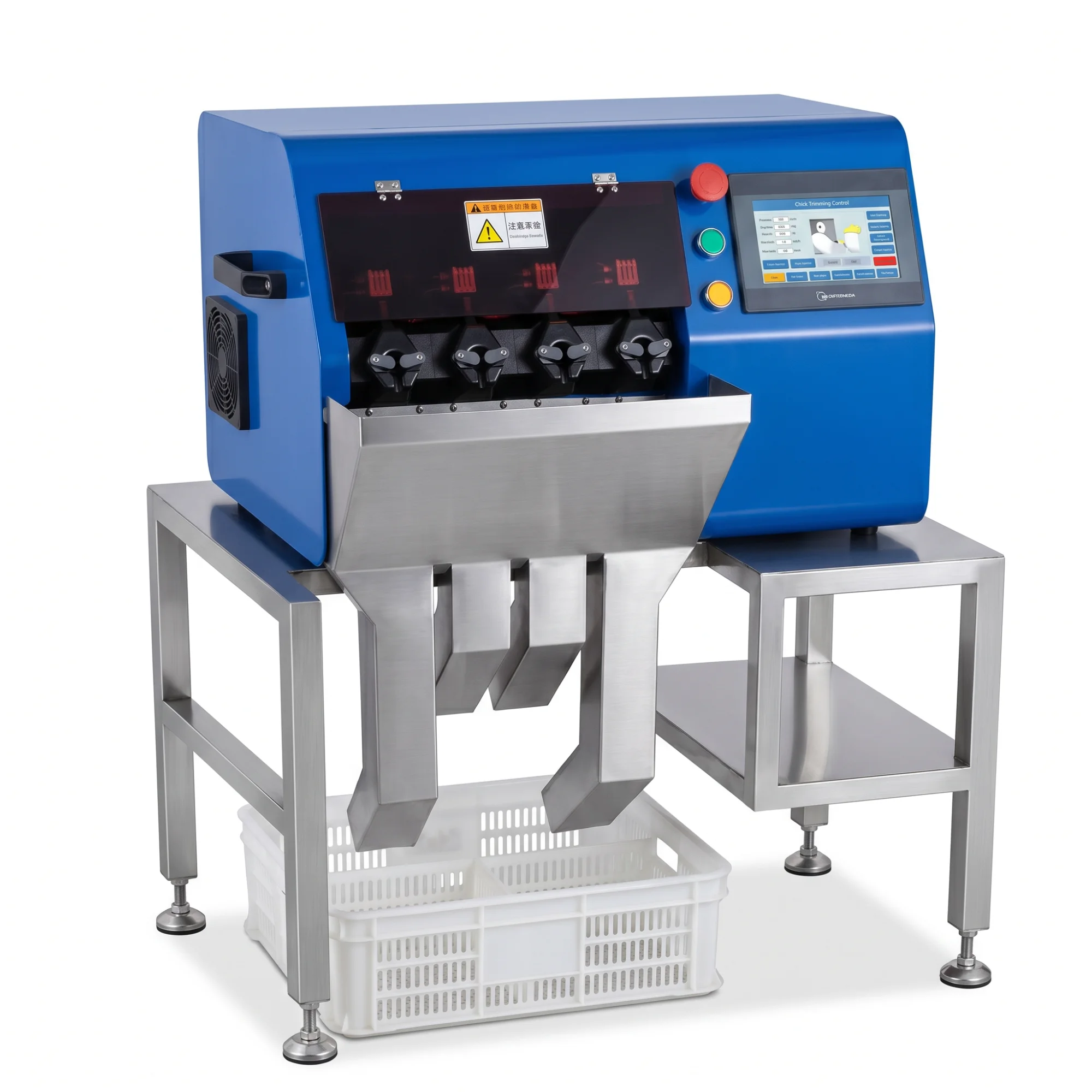
Choosing a chick beak trimming machine supplier china should start with workflow fit, not only price. Overseas hatchery buyers need equipment that matches chick type, output target, operator routine, cleaning access, and future line connection needs.
The Jili Day-Old Chick Infrared Beak Trimming Machine is designed for one-day-old yellow-feather chicks, layers, and ducklings. Product material lists visual settings, automatic counting, automatic dust blowing, alarms, about 3,200-3,800 chicks per hour, one operator, and about 500 W power.
What a good supplier should clarify first
A serious supplier should ask about chick species, current treatment method, peak production volume, operator arrangement, and what happens after beak treatment. These details determine whether a dedicated infrared machine is enough or whether an integrated process is needed.
If a chick beak trimming machine supplier china only quotes a machine without discussing workflow, the buyer may miss layout, training, or capacity issues that appear after installation.
Supplier evaluation checklist
- Does the supplier understand day-old chick infrared beak treatment?
- Can they explain capacity and operator requirements clearly?
- Do they ask about chick type, layout, and downstream workflow?
- Can they support training, cleaning routines, and spare parts?
- Do they separate beak treatment from vaccination and transfer equipment?
- Can they recommend an integrated option when vaccination is required?
Comparison table for buyers
| Evaluation point | What to confirm |
| Application fit | One-day-old chicks, layers, yellow-feather chicks, or ducklings |
| Capacity | Whether 3,200-3,800 chicks per hour fits the workflow |
| Control features | Visual settings, counting, dust blowing, and alarms |
| Support | Training, spare parts, maintenance guidance, and troubleshooting |
| Layout | Operator position, cleaning access, and downstream process |
| Upgrade path | Whether vaccination or conveying may be added later |
When to ask about integrated equipment
If the hatchery needs only infrared beak treatment, a dedicated machine is the direct match. If vaccination must happen in the same station, buyers should compare the Jili Day-Old Chick Infrared Beak Trimming and Vaccination Machine as a separate integrated option.
This distinction is important because the right supplier should prevent product mismatch. A good recommendation explains why one machine fits the buyer’s process better than another.
What buyers should send before quotation
Send chick type, target hourly output, daily volume, current beak treatment method, room layout, operator plan, and future line connection needs. Clear project information helps a chick beak trimming machine supplier china give a useful proposal.
How to identify a practical proposal
A practical proposal should connect machine features to the buyer’s hatchery workflow. Visual settings, counting, dust blowing, and alarms matter because they help operators keep treatment more repeatable. The proposal should explain how these functions support daily work, not just list them as features.
Buyers should also ask how installation guidance, operator training, and spare parts are handled. Supplier reliability becomes visible after shipment, when the hatchery needs the machine to run steadily across real production shifts.
Questions that reveal supplier reliability
Buyers should ask how the supplier handles operator training, daily cleaning, alarm response, spare parts, and future connection with vaccination or conveying equipment. A reliable answer should be specific to day-old chick processing, not a generic automation statement. The more clearly the supplier explains the workflow, the easier it is for the buyer to judge whether the equipment will work after installation.
FAQ
How should buyers choose a chick beak trimming machine supplier?
Buyers should compare workflow understanding, product fit, capacity planning, support, training, spare parts, and communication quality.
What capacity is listed for Jili infrared beak trimming equipment?
Jili material references about 3,200-3,800 chicks per hour for the dedicated infrared beak trimming machine.
When is an integrated machine needed?
An integrated machine is needed when vaccination should happen in the same workflow as beak treatment.
What should buyers send before asking for a quote?
Send chick type, hourly target, current workflow, room layout, operator plan, and downstream process needs.
Why does supplier support matter?
Support affects installation, training, daily operation, spare parts planning, and long-term machine stability.