


Choosing a poultry hatchery automation supplier china is not only a price comparison. Overseas buyers need to know whether the supplier understands hatchery workflow, can match equipment modules to real production needs, and can support the project after installation.
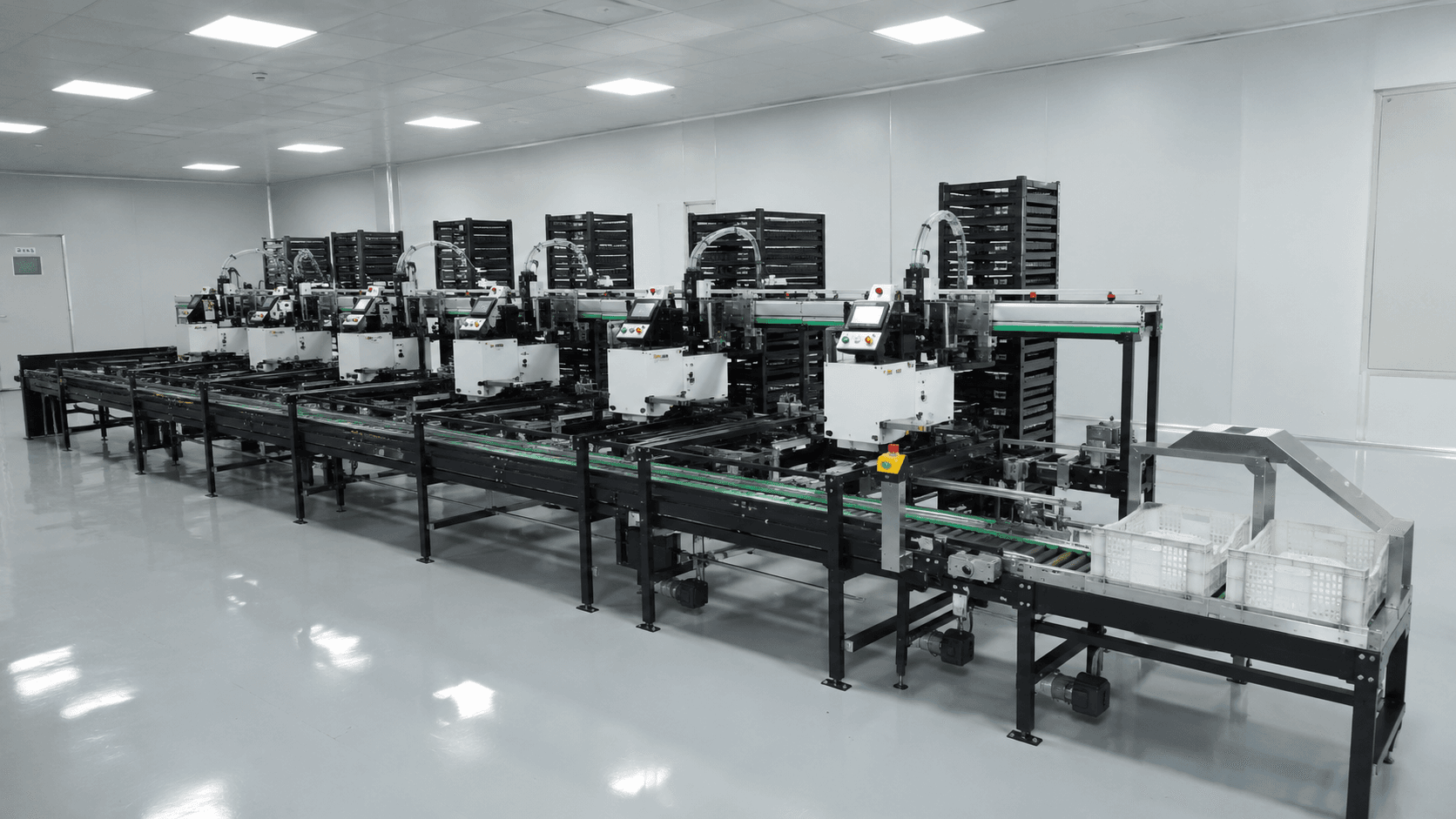
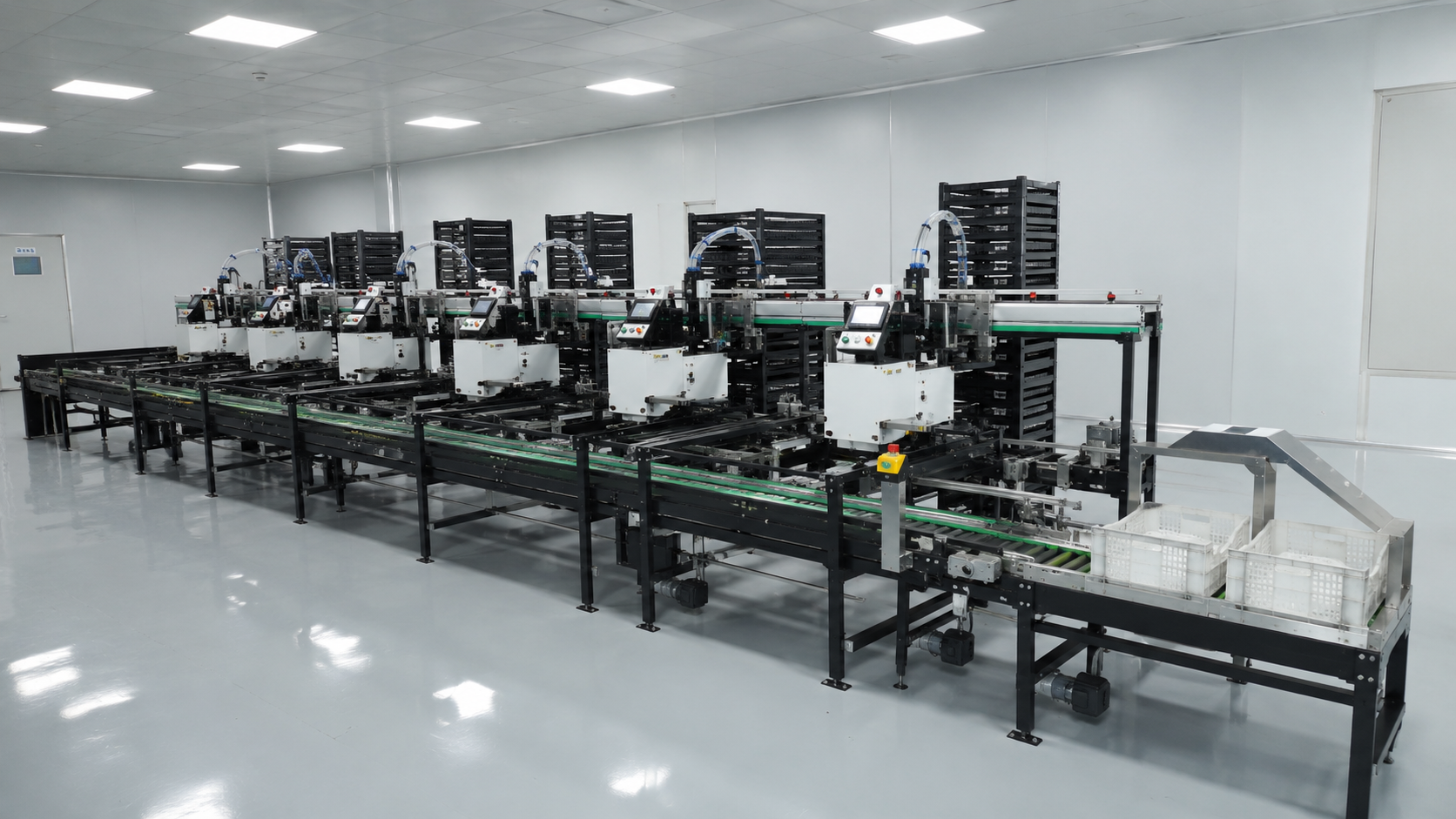
Jili provides equipment for day-old chick handling and processing, including the Day-Old Chick Picking and Transfer Machine, Infrared Beak Trimming and Vaccination Machine, Conveying and Stacking Line, and related hatchery automation solutions. These modules cover transfer, beak treatment, vaccination support, conveying, stacking, and broader workflow planning.
Start with workflow fit, not catalog size
A large product list does not guarantee the right solution. Buyers should first explain the current hatchery flow: where chicks arrive, which stations create waiting, how many operators are involved, and what the next capacity target is.
A serious poultry hatchery automation supplier china should ask for these details before recommending a line. If the supplier only gives a machine list, the buyer may receive equipment that looks complete but does not solve the real bottleneck.
What buyers should evaluate
- Experience with day-old chick handling and processing workflows.
- Ability to match transfer, beak treatment, vaccination, conveying, and stacking modules.
- Clear product references and realistic capacity information.
- Layout discussion based on room space and operator access.
- Training, spare parts, and after-sales support.
- Communication quality before quotation and after shipment.
Supplier evaluation table
| Evaluation point | What to ask |
| Workflow understanding | Can the supplier explain where automation removes the bottleneck? |
| Product fit | Which module matches transfer, vaccination, beak treatment, or washing? |
| Capacity | Is the reference output matched to the next station? |
| Layout | Does the proposal consider operator access and maintenance? |
| Support | What training, spare parts, and troubleshooting support are available? |
| Expansion | Can the first phase leave room for future modules? |
How Jili can support project planning
Jili equipment materials include concrete reference data, such as transfer capacity, beak treatment output, vaccination dose control, and integrated station monitoring. This helps buyers compare proposals based on actual workflow needs rather than broad automation claims.
For large projects, buyers can also review Jili Complete Hatchery Automation Solutions to understand how individual modules can be connected into a practical production line.
What information to send before quotation
Send daily chick volume, peak hourly target, current layout, workflow videos or photos, labor pain points, available utilities, and the process modules needed. A stronger RFQ helps the poultry hatchery automation supplier china respond with a more accurate line plan.
How to reduce project risk before ordering
Project risk is lower when the buyer and supplier agree on the actual bottleneck before equipment is selected. Buyers should avoid starting with a full equipment list if the main problem is only transfer, vaccination, beak treatment, or crate washing. A phased plan can solve the most urgent problem first and leave room for later upgrades.
Jili can provide a more useful proposal when buyers share videos, photos, floor dimensions, target output, and current labor pressure. This information helps connect the supplier recommendation to real production conditions rather than general automation wording.
How to compare communication quality
Communication quality is part of supplier reliability. Buyers can evaluate whether the supplier asks practical questions, explains product limits clearly, and connects recommendations to the buyer’s layout. A supplier that understands the process will usually ask for photos, videos, dimensions, and capacity targets before finalizing a proposal. This reduces misunderstanding before production and shipment.
FAQ
How should buyers evaluate a hatchery automation supplier?
Evaluate workflow understanding, product fit, capacity planning, layout support, training, spare parts, and communication quality.
What equipment modules can be involved?
Projects may include chick transfer, beak treatment, vaccination support, conveying, stacking, crate washing, or complete automation planning.
Why does workflow information matter?
Workflow information helps the supplier recommend the right module instead of a generic machine list.
What should be sent before quotation?
Send chick volume, layout, current bottlenecks, target capacity, photos or videos, and required process modules.
When is phased automation useful?
Phased automation is useful when buyers want to solve the main bottleneck first while keeping room for future upgrades.