


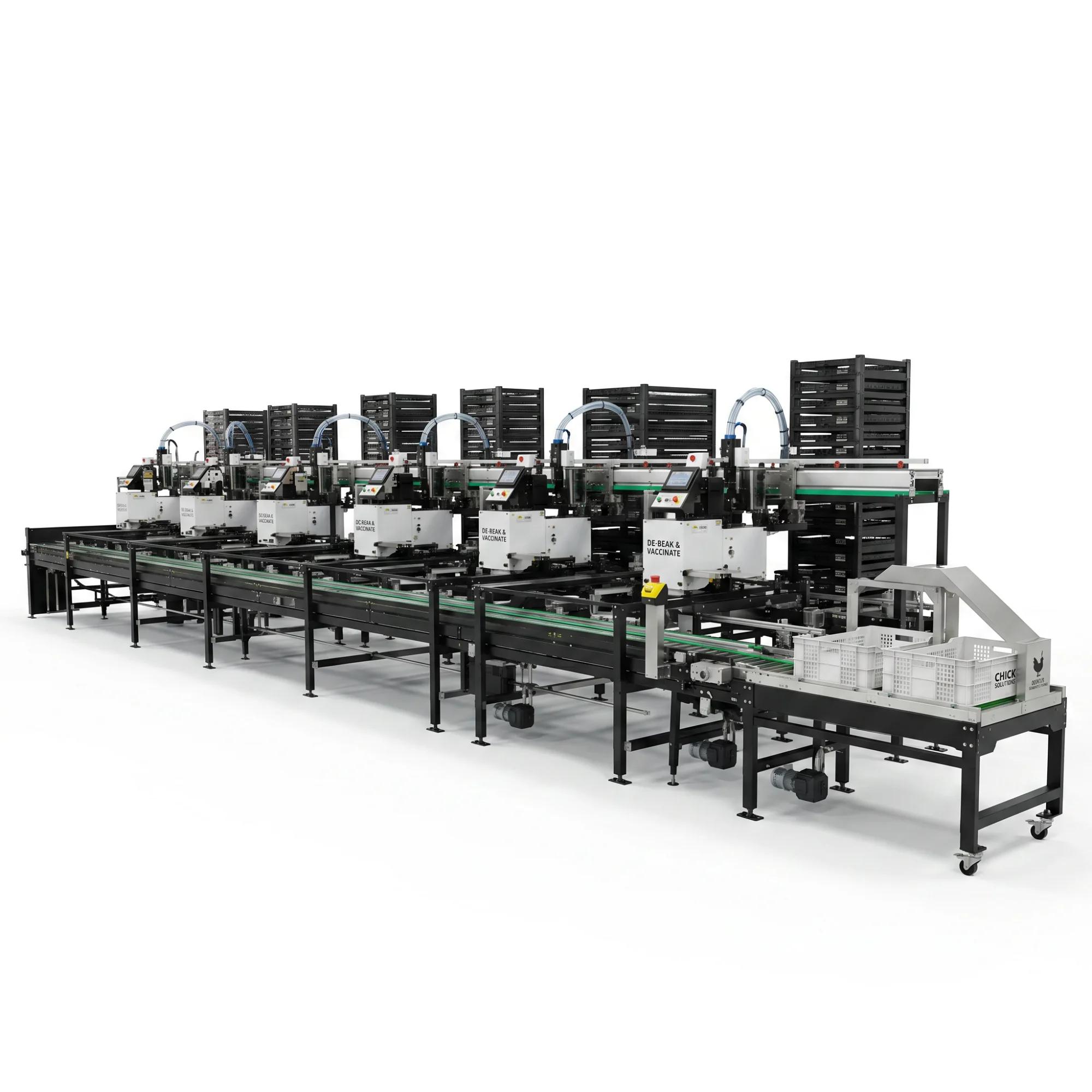
Hatchery automation hygiene zoning is a layout and operating decision, not a label added after equipment is selected. It should show how product, people, containers, water, tools, waste, and maintenance activity move through the room, and how the hatchery verifies release between defined areas.
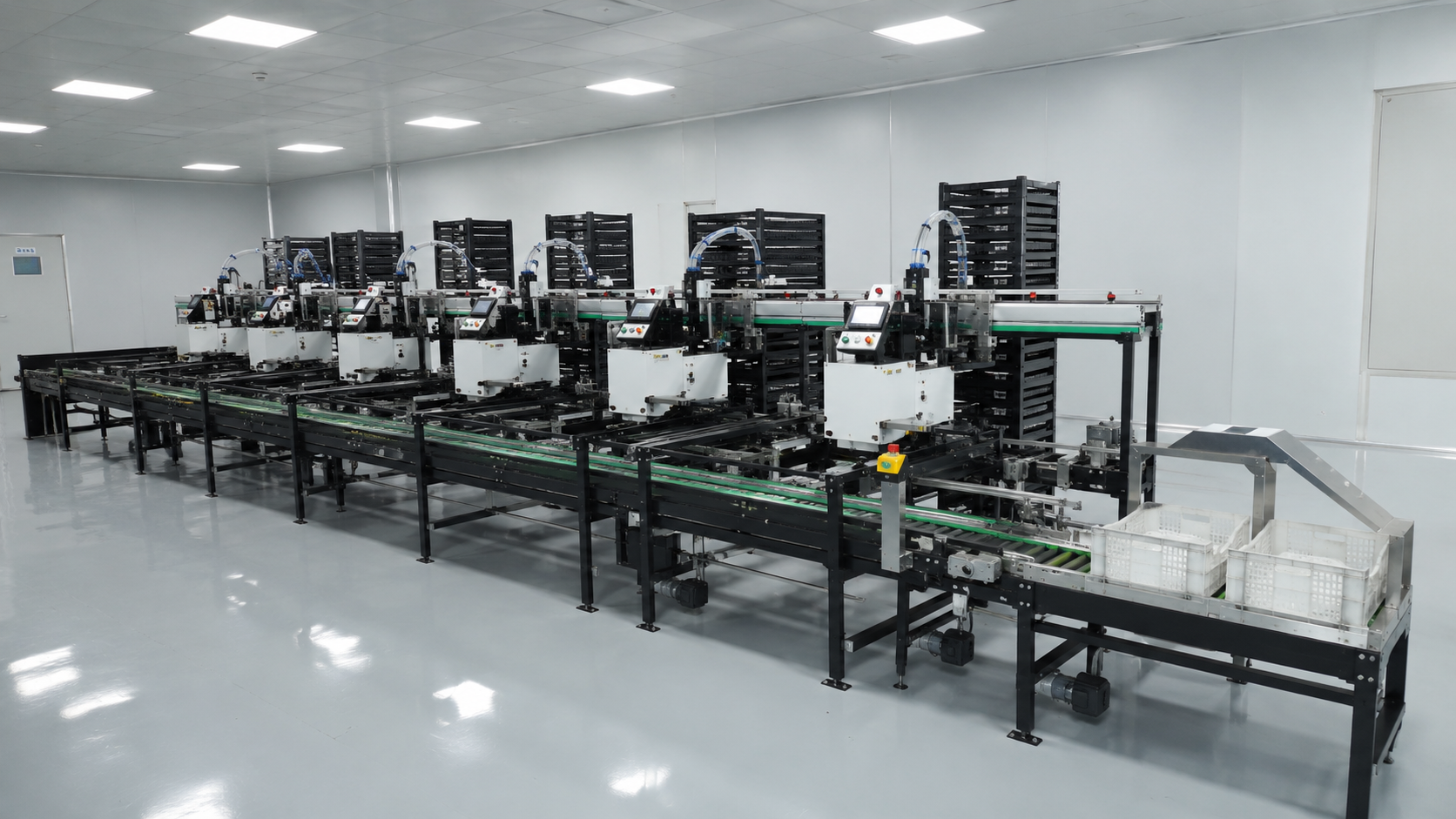
JuliSense helps hatcheries connect equipment, people, controls, and service decisions around a real production route. The framework below is written for buyers and operating teams who need a practical next step, not a catalogue description.
Map the Product and Container Direction
Start with clean and used containers, eggs or chicks where applicable, finished output, rejects, waste, and returns. Draw direction, waiting, crossings, and points where identity must remain attached.
Mark the dirty-to-clean transition
A washer or treatment stage may be a process boundary, but it does not automatically prove the surrounding route is controlled. Define incoming condition, process, outgoing condition, and release evidence.
Keep a route owner
The hatchery automation hygiene zoning map should name who decides whether a route is ready for the next batch.
Overlay People, Tools, and Mobile Equipment
Operators, maintenance, sanitation teams, forklifts, hoses, carts, ladders, and replacement parts often cross zones more frequently than product. Include their normal and abnormal paths.
Separate daily and exceptional access
A maintenance route for a guarded component may cross a production boundary. Plan isolation, cleaning, tool control, and release instead of relying on a door sign.
Use visual ownership
Give each boundary a simple name used on plans, procedures, training records, and action lists. Clear language makes hatchery automation hygiene zoning easier to operate.
Design Water, Drainage, and Waste Movement
Review hoses, spray, washdown, drainage, waste containers, packaging, and floor changes with the proposed equipment. Water movement and splash can change the practical boundary.
Draw the cleaning sequence
Record what is removed, where water is directed, how equipment is isolated, what is inspected, and what evidence releases the area.
Keep the site program authoritative
JuliSense can explain materials, access, and limitations. The hatchery defines approved agents, methods, frequency, verification, and biological release. WOAH standards offer relevant references.
Connect Zoning to Equipment Interfaces
A new conveyor, washer, treatment station, or stacking line can change access, guarding, working height, drainage, and the boundary between teams. Review the installed arrangement rather than isolated machines.
Close gaps between suppliers
List who owns guards, supports, cable protection, drains, cleaning access, signals, and restart permission at every handoff.
Use risk assessment
ISO 12100 provides a general machinery risk framework. Apply it to the actual integrated installation.
Make Release Checks Observable
A zone is useful only when operators know its normal state and the evidence required to release it. Define visual checks, records, escalation, and what happens when evidence is missing.
Train by role
Operators, sanitation, supervisors, and maintenance need different authority and information. Attendance is not the same as demonstrated competence.
Review the first production days
Observe crossings, temporary storage, hoses, waste, and informal workarounds. Feed findings back into the hatchery automation hygiene zoning plan.
Ask for a Layout That Shows Hygiene Work
Request equipment zones, access envelopes, cleaning routes, drainage assumptions, people and container traffic, interfaces, utilities, and exclusions in the concept drawing.
Compare the right JuliSense pages
Review the JuliSense product range, automatic crate washer, and service scope.
Start with the real room
A hatchery automation hygiene zoning conversation is strongest when the customer shares a measured plan, current routes, cleaning program, and operating constraints.
Turn the Review Into an RFQ Brief
A good project brief lets operations, engineering, procurement, and the supplier discuss the same constraint. Attach the current process map, measured room plan, workload pattern, equipment list, utility basis, container information, destination, schedule, training expectation, and support boundary. Mark each item as confirmed, provisional, or unknown. The hatchery automation hygiene zoning decision becomes easier to compare when assumptions sit beside the proposal rather than inside an informal conversation.
Ask for the operating basis
Request the normal and peak workload, expected operating window, staffing basis, cleaning pauses, changeovers, downstream acceptance, and recovery condition used by the supplier. A rated speed or attractive total is not enough to explain how the line will behave in the customer's room. Ask which parts are included, which local work is excluded, and what must be ready before shipment.
Walk the abnormal route
Review a full zone, refused handoff, planned stop, sensor disagreement, power loss, manual move, cleaning release, and restart. Record who can act, what information is retained, what evidence releases the equipment, and when technical support is called. This exercise often reveals a more useful scope than another page of nominal specifications.
Plan acceptance before purchase
Agree representative inputs, test duration, normal flow, planned interruptions, records, deviations, training sign-off, open-item ownership, and site acceptance evidence. Factory testing and site testing should have clear boundaries. The hatchery automation hygiene zoning article is useful only when the recommended decision can be demonstrated after installation.
Keep the decision live
Set a review date for workload, layout, utilities, support distance, parts lead time, and future expansion assumptions. If a critical input changes, update the drawings, cost, risk, and acceptance plan. JuliSense can use the revised evidence to discuss a modular route, an interface correction, or a broader automation scope without hiding what changed.
A practical hatchery automation hygiene zoning map helps production, sanitation, maintenance, and suppliers discuss the same room. Send the plan and cleaning constraints through the JuliSense contact page to review a project-specific layout.
Questions to Resolve in the Design Meeting
Ask what happens during the busiest normal period, who owns the next handoff, what the operator sees first, where maintenance needs access, how cleaning is released, and which local task can delay installation. Invite production and maintenance to answer before the project becomes a procurement-only exercise. Their practical detail often changes the layout or support plan.
What should the first drawing contain?
Show equipment zones, movement direction, working heights, operators, guards, access envelopes, utilities, buffers, waste, cleaning routes, control boundaries, and exclusions. A drawing with only machine rectangles makes a proposal appear simpler than the installed route will be.
What should happen after the meeting?
Issue one action list with an owner, evidence, due date, and affected document for each open question. Keep the same identifiers in the quotation, design review, factory test, site test, training record, and handover file. This makes the hatchery automation hygiene zoning decision traceable from first conversation to production support.
How should the team compare a supplier response?
Read the proposal in this order: operating basis, scope boundary, layout, interfaces, local work, test evidence, training, support, spares, and exclusions. Ask a supplier to identify every assumption that could change capacity, price, timing, or acceptance. This simple review avoids choosing a narrow offer that looks attractive only because several necessary decisions remain outside the page.
The final brief should name the people who approve design, local work, safety review, testing, training, and production release. Put the contact route and response expectation beside each action. When a project crosses countries or suppliers, record destination, language, time zone, shipping responsibility, and site support route. These details are ordinary, but they determine whether a technically sound proposal can be delivered without avoidable delay. Review the evidence again before fabrication so the approved scope matches the room.