

Effective hatchery automation operator training is visible on the floor after the trainer leaves. Operators can prepare the line, recognize normal states, respond to common interruptions, protect batch flow, communicate clearly, and stop when a condition is outside their authority. A slide presentation may support that result, but it cannot prove it.
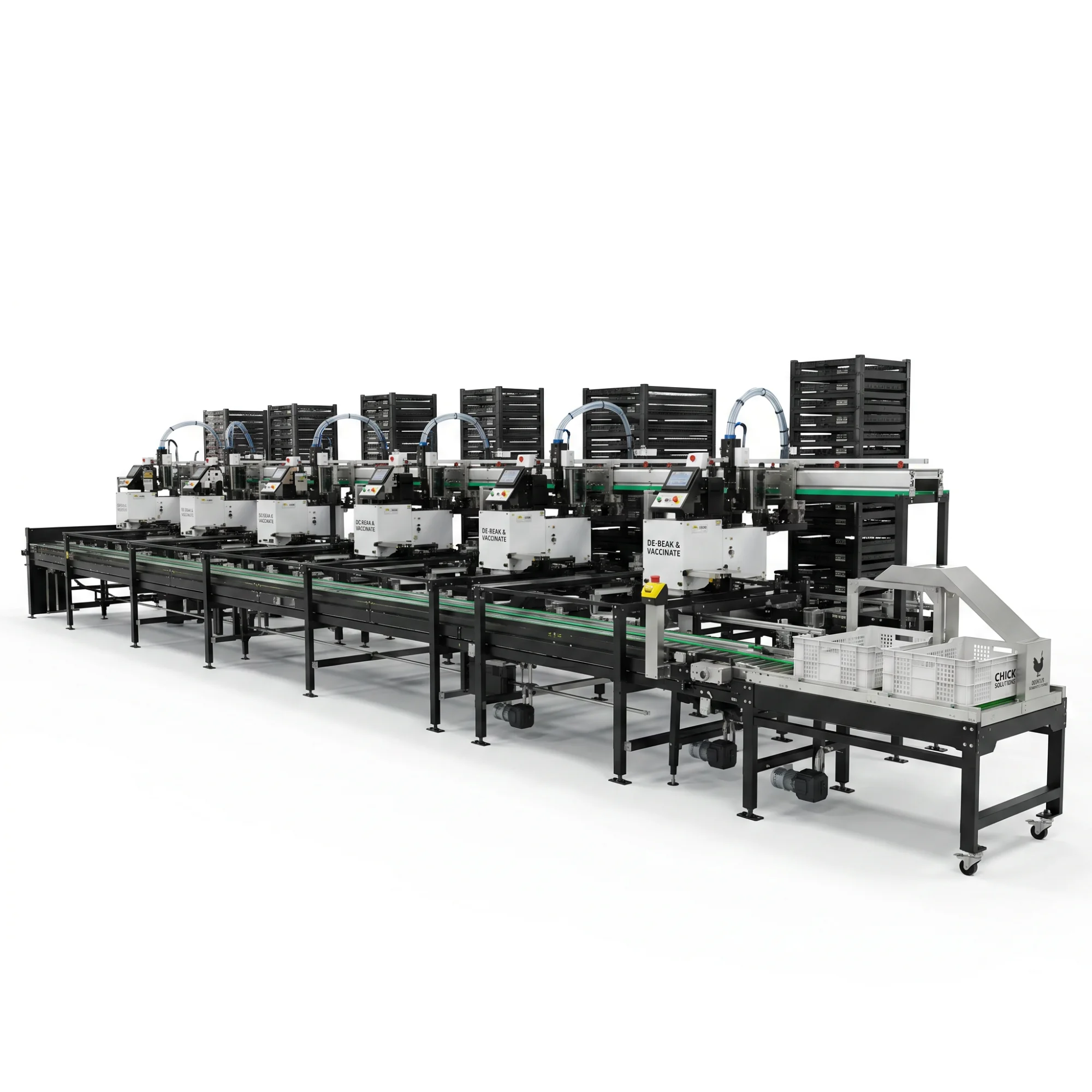
JuliSense supports equipment and integrated hatchery projects with documentation, commissioning, and training discussions according to the agreed scope. These five practice stations help a customer turn delivery information into role-specific competence.
Station 1: Readiness Before the First Batch
Give the learner the approved pre-start information, a prepared line, and several planted observations. Ask them to inspect the route, confirm guards and access, check supply conditions, review open maintenance status, verify downstream availability, and escalate anything outside the defined start criteria.
Train a sequence, not a memory test
Use a concise checklist aligned with the equipment documentation and site procedure. The learner should explain why critical checks matter and where to record them, rather than reciting steps without understanding.
Include the handover conversation
Ask the outgoing and incoming roles to exchange line state, last batch, active exceptions, isolated equipment, temporary controls, and outstanding actions. A clear handover prevents yesterday's abnormal condition from becoming today's normal.
Station 2: Normal Flow and Quality of Attention
Run representative inputs under normal conditions. The learner identifies expected sounds, movement, signals, screens, container position, accumulation, and operator actions. The goal is not constant intervention; it is noticing change early.
Follow one load across boundaries
Have the operator narrate release, transfer, detection, processing, completion, and dispatch. This reveals whether the person understands the complete route or only the button beside one machine.
Protect identification and exceptions
Practice the site's method for maintaining batch and exception information. Hatchery automation operator training should make manual movement, rejects, re-entry, and abnormal holding as clear as normal production.
Station 3: Planned Stops and Common Recovery
Introduce a full downstream zone, empty consumable, expected pause, sensor obstruction, or other approved training scenario. Ask the learner to recognize the condition, make the route stable, communicate, follow the authorized response, verify readiness, and restart.
Use scenario cards with boundaries
Each card should state the initial condition, observable evidence, actions permitted for the role, escalation point, records, and success criteria. Do not encourage improvisation around guarding, isolation, or unfamiliar faults.
Debrief the decision, not only the result
Ask what the learner saw, why they chose an action, what could have changed the decision, and when they would stop. This builds judgment within the approved procedure.
ISO 12100 offers a general framework for machinery risk assessment and risk reduction. Training must align with the final installed equipment, site procedures, and applicable requirements.
Station 4: Cleaning, Isolation, and Return to Service
Separate production operation, cleaning, and maintenance authorization. Train each role only for tasks it is approved to perform, then show how responsibilities pass between teams.
Rehearse release and return
The exercise should cover production stop, removal of relevant product or materials, status communication, isolation by authorized personnel where required, cleaning or work, inspection, reassembly, clearance, and controlled return.
Use the hatchery's sanitation program
JuliSense can explain equipment access, materials, removable parts, and limitations. The hatchery controls approved methods, agents, frequency, verification, and biological release. WOAH standards provide relevant international animal-health and welfare references.
Station 5: Escalation and Shift Communication
Give the learner an unfamiliar condition with incomplete information. The correct result may be to stabilize the area, preserve evidence, stop further action, and contact the approved technical owner.
Make the support request useful
Practice reporting equipment identifier, time, operating state, batch condition, alarms, observations, permitted checks already completed, photos where approved, urgency, and safe contact method. Clear evidence shortens diagnosis.
Define remote-support boundaries
The site should decide who may authorize remote access, who remains present, what can be changed, how activity is recorded, and how control returns to production. Hatchery automation operator training should never teach operators to bypass local authorization.
The Sign-Off Desk: Observe Competence
Use a role matrix that lists tasks and evidence. A qualified assessor watches the learner perform or explain each relevant item under realistic conditions. Record competent, needs coached practice, or not authorized, with a review date.
Separate attendance from authorization
An attendance sheet proves presence. Authorization requires demonstrated competence for defined tasks. Keep records by role, equipment, version, language, assessor, date, and limitations.
Plan for different shifts and languages
Schedule observed practice for the people who will actually operate the line, not only managers present during commissioning. Confirm that labels, materials, and terminology are understandable at the site.
Add Refreshers Before Performance Drifts
Set refresher triggers such as equipment or software changes, revised procedures, extended absence, repeated errors, incident findings, new responsibilities, or a scheduled review. Use short observed scenarios rather than repeating the original presentation unchanged.
What belongs in the training pack?
Include role matrix, agenda, approved procedures, concise visual aids, scenario cards, daily checks, escalation route, documentation references, assessment sheets, attendance, authorization record, and open questions.
What should be agreed in the purchase scope?
Define roles, number of learners, language, timing, prerequisites, materials, practical access, assessment method, records, refresher support, travel, and responsibility for site-specific procedures.
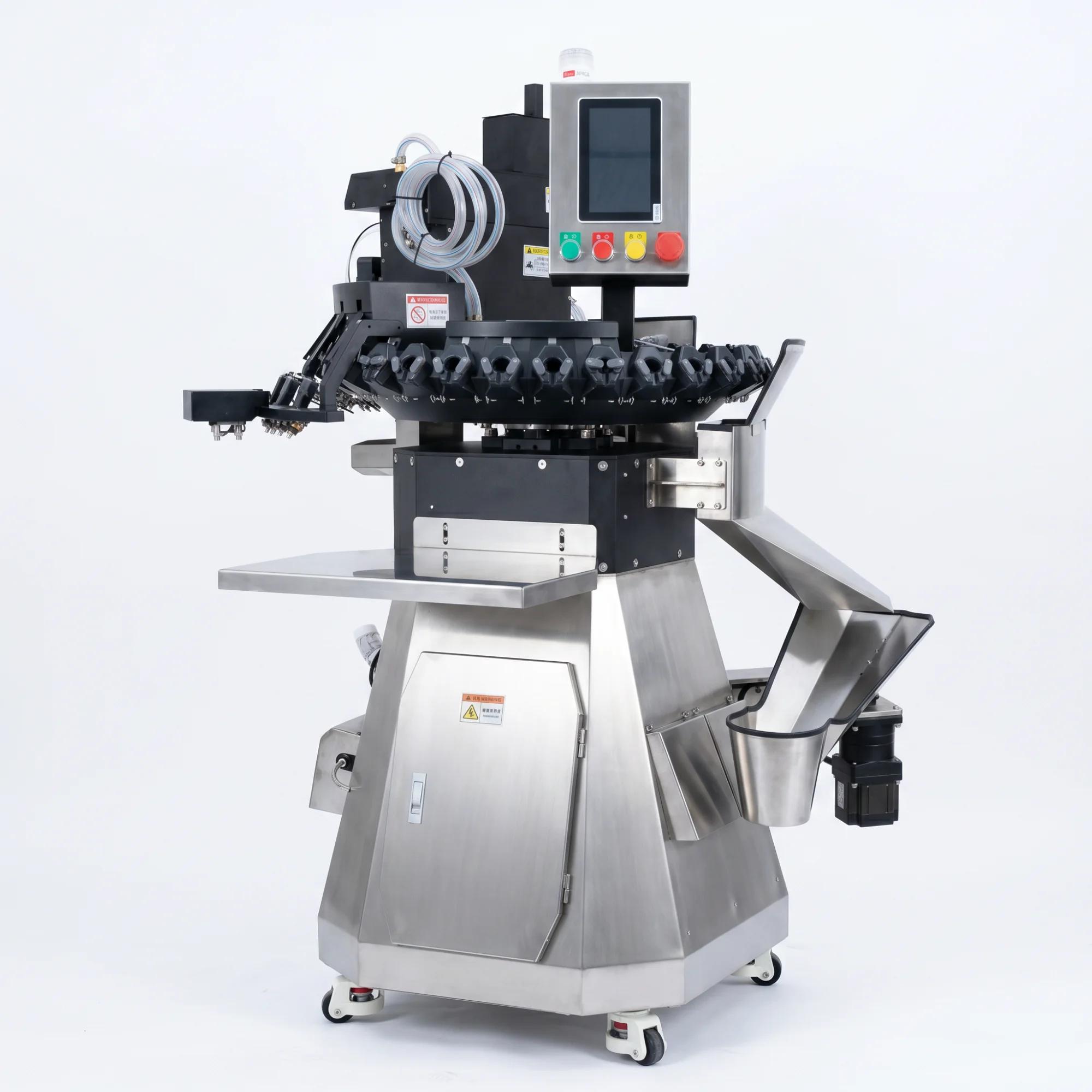
Explore the JuliSense product portfolio, infrared beak trimming and vaccination equipment, and service support when defining the training boundary.
Coach Supervisors to Sustain the Standard
Supervisors need a different practice set from operators. They should be able to allocate authorized roles, recognize when production pressure is distorting procedure, manage a controlled pause, verify handover quality, review recurring exceptions, and call technical support with useful evidence.
Observe the first independent shifts
Plan short follow-up observations after commissioning. Look for repeated workarounds, alarms that are routinely ignored, unclear ownership, unofficial tools, weak shift records, and tasks that take longer than expected. Feed the findings into the hatchery automation operator training plan and equipment action register.
Keep local trainers current
Nominate site trainers or competent role owners, define what they may teach, and give them controlled materials. When equipment, software, labels, or procedures change, update the training pack and identify who needs reassessment. Old screenshots and informal notes should not quietly replace approved information.
Track a few useful measures: overdue assessments, repeat recovery errors, escalation quality, unauthorized interventions, and refresher completion. These are learning signals, not targets to hide. JuliSense and the customer can use them to refine hatchery automation operator training during the agreed support period.
Review the training result with maintenance
Operators and maintenance staff often see the same interruption from different positions. Hold a short joint review after the first production period. Compare alarm records, operator notes, technical findings, recovery time, and any repeated manual action. Decide whether the answer is clearer training, a procedure change, an equipment correction, or further engineering. Give the action an owner and verify it on a later shift instead of closing it in the meeting.
Let the Operator Demonstrate the Result
Strong hatchery automation operator training replaces “we explained it” with observed, documented ability for a defined role. It also makes the limits of that role clear, which supports safer escalation and more consistent production.
Send JuliSense the proposed equipment, roles, shift pattern, languages, current skill profile, destination, and startup schedule through the contact page. JuliSense can then discuss training deliverables that match the project rather than a generic classroom session.