


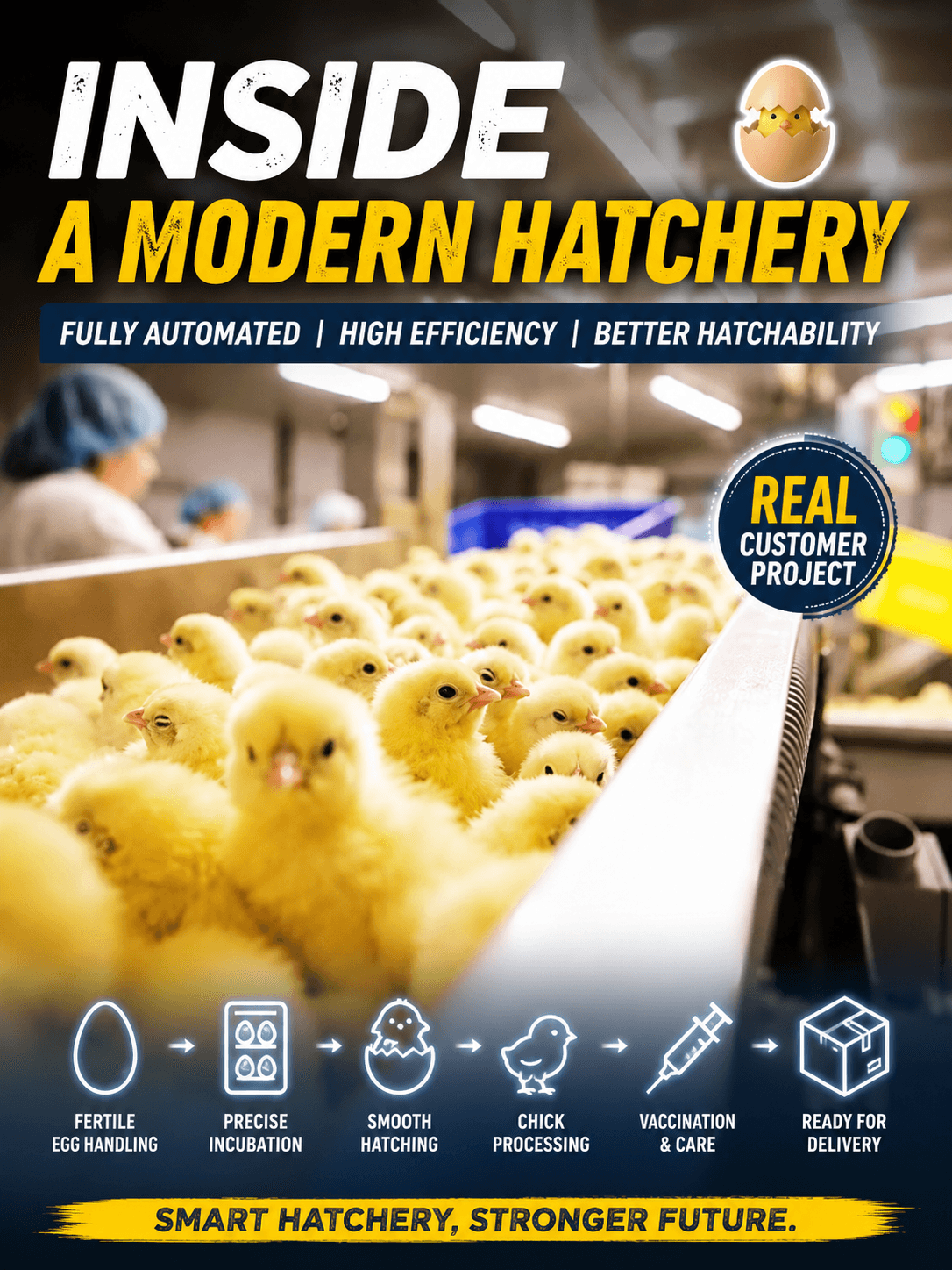
Choosing a hatchery automation retrofit vs new line is not simply a choice between lower cost and newer technology. A retrofit can protect working assets and reduce the first investment, but it can also inherit old room limits, unclear interfaces, and difficult shutdowns. A new line can create a cleaner route, yet it may require more building work, utilities, training, and production transition than the headline proposal shows.
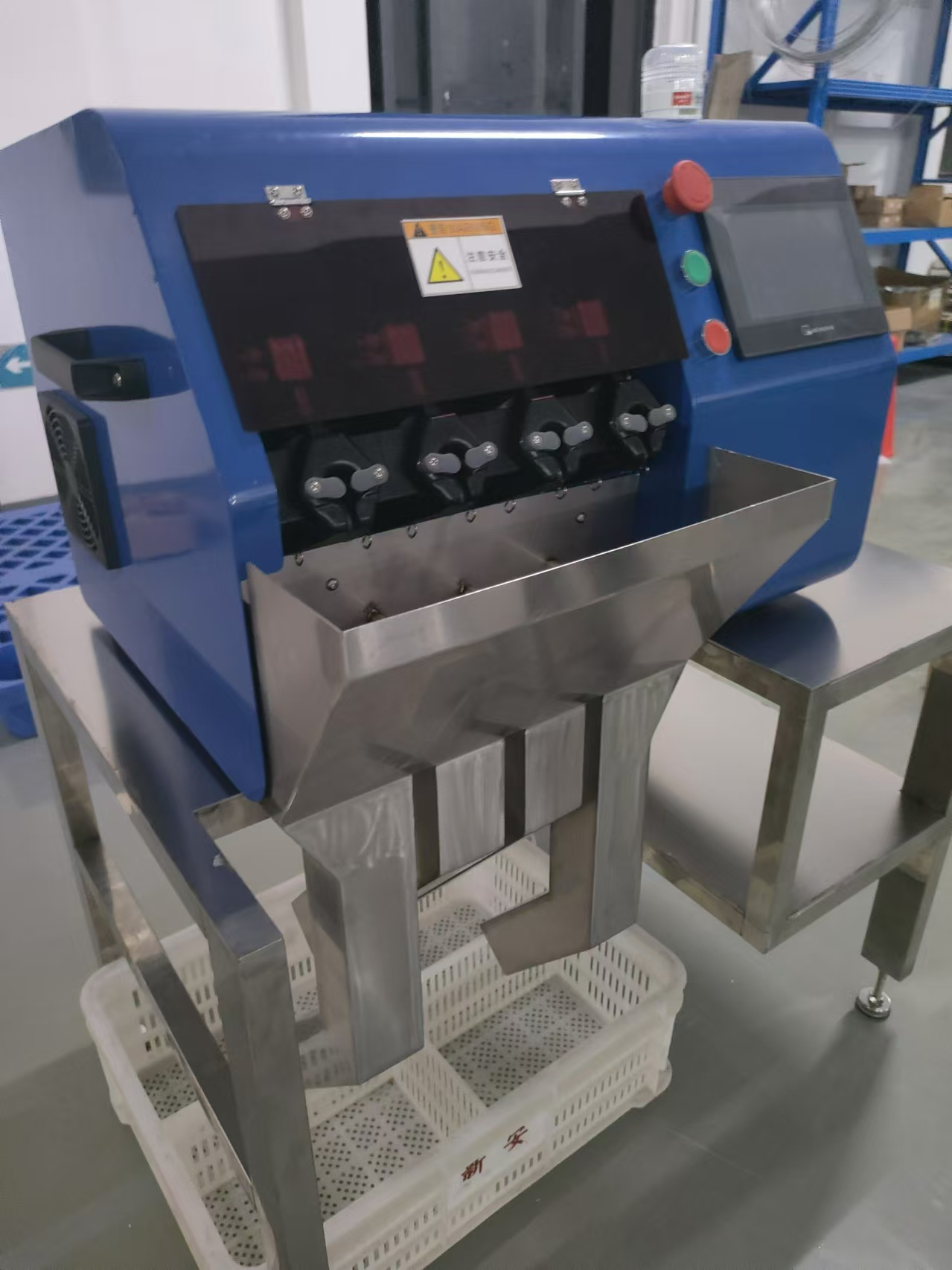
JuliSense supplies modular hatchery equipment and integrated automation solutions. Use this decision debate to compare the two paths against the same workload, room, operating team, destination, and acceptance evidence.
Opening Statement: What Problem Must Change?
Describe the current route from release to dispatch. Record normal and peak work, staffing, repeated handling, queues, stoppages, cleaning time, maintenance access, container condition, utilities, and accepted output. Do not begin with a preferred machine.
Separate the constraint from the symptom
A queue may come from a slow station, late release, full downstream zone, unreliable supply, or missing operator. Name the measured cause and the outcome required from the project.
Freeze a common comparison basis
Give both options the same production pattern, operating window, sanitation requirement, destination, support expectation, and planning horizon. The hatchery automation retrofit vs new line decision is meaningless if the options solve different problems.
Retrofit Argument: Preserve What Still Works
List equipment, controls, utilities, structures, and procedures that remain suitable. Confirm condition, documentation, spare-parts availability, interfaces, and useful life rather than assuming that an operating asset is automatically ready for integration.
Price the hidden connection work
Include adapters, conveyors, sensors, controls changes, guards, supports, cables, working-height changes, local panels, and software work. Put an owner beside every boundary.
Test the shutdown sequence
Describe removal, temporary routes, installation, isolation, commissioning, training, and return to production. A retrofit can be attractive until the required shutdown exceeds the hatchery's available window.
New-Line Argument: Redesign the Route
A new line can align process direction, operator positions, sanitation zones, utilities, maintenance access, buffers, controls, and expansion from the beginning. The opportunity is valuable only when the new layout reflects actual plant work.
Include the building, not just equipment
Review floor condition, doors, columns, elevations, drainage, ceiling restrictions, traffic, lifting, storage, power, air, water, network, and local approvals where applicable.
Plan the production transition
Decide whether the old route runs during installation, whether production moves temporarily, and how batches transfer to the new operation. A greenfield drawing can still create a difficult brownfield changeover.
Cross-Examination: Interfaces and Risk
For each option, review mechanical, electrical, control, utility, operator, cleaning, data, and responsibility interfaces. Ask what happens when a receiving zone is unavailable or an existing machine behaves differently from its documentation.
Review the installed arrangement
Two individually acceptable machines can create a new access, guarding, transfer, or restart issue when connected. ISO 12100 provides a general machinery risk-assessment and risk-reduction framework.
Use confidence labels
Mark every critical input as confirmed, provisional, or unknown. An unknown dimension, condition, peak, or control behavior should become an action, not a confident allowance.
Cross-Examination: Cleaning and Maintenance
Walk production, cleaning, inspection, isolation, component removal, repair, reassembly, and return to service. Compare access and time for both options.
Keep sanitation site-specific
JuliSense can explain equipment materials, access, removal, and limitations. The hatchery defines approved agents, methods, verification, and biological release. WOAH standards provide relevant international references.
Follow one awkward repair
Choose a guarded component or long replacement path. List tools, lifting, clearance, parts, authorization, test, and production release. Maintenance reality often breaks a tie in the hatchery automation retrofit vs new line review.
Compare Lifecycle Cost, Not Only Purchase
Include equipment, integration, site work, shutdown, utilities, labor, cleaning, maintenance, spares, support, training, software, and future changes. Use ranges when the site lacks measured data.
Model a cautious case
Test a larger peak, longer imported-parts lead time, reduced staffing, delayed local work, and one major interruption. Avoid fixed payback claims based on unverified assumptions.
Preserve optionality
Show which modules can be added, which interfaces remain open, and which building or control choices would block expansion. A lower first price can be costly if it closes the future route.
The Tie-Breaker: Run One Representative Batch
Use drawings, samples, or a controlled trial to test release, transfer, operator work, exception handling, cleaning access, and accepted output. Identify which option requires fewer unverified assumptions.
Define acceptance before selection
Agree representative inputs, normal flow, full-zone response, planned stop, fault, restart, records, training, deviations, and closure evidence.
Write a one-page verdict
State the preferred option, alternative, evidence, critical assumptions, customer work, supplier scope, cost range, shutdown, risks, and next decision. This makes the hatchery automation retrofit vs new line choice explainable to the full team.
Discuss the Boundary With JuliSense
Review JuliSense products, complete hatchery automation solutions, and services. Send the current route, layout, equipment list, workload, utilities, destination, and schedule through the contact page.
The right hatchery automation retrofit vs new line answer is the option that solves the measured constraint with owned interfaces and demonstrable acceptance—not the option with the simpler label.
Add a Decision Appendix
Attach a marked-up layout, current equipment condition, interface list, shutdown calendar, cost table, acceptance outline, and open assumptions. Ask production, maintenance, sanitation, engineering, procurement, and finance to comment from their own role. If one option depends on an unverified fact, state the measurement and decision that will close it.
Ask six reviewers six different questions
Production should identify the route that is easiest to operate during a real peak. Maintenance should compare access, installed condition, spare-part continuity, and isolation. Sanitation should walk removal, cleaning, inspection, and release. Engineering should challenge dimensions, utilities, loads, and controls. Procurement should separate equipment price from customer work and schedule exposure. Finance should compare credible ranges over the planning period instead of relying on a single payback number.
The point is not to collect six votes. It is to expose facts that a single project owner may miss. When reviewers disagree, write the disputed assumption beside the evidence needed to resolve it.
Put disruption on the calendar
Map the actual production calendar, planned low-volume windows, contractor availability, delivery uncertainty, access preparation, installation, testing, training, and contingency. A retrofit may fit the budget but fail the calendar. A new line may reduce installation pressure but require earlier building decisions. The calendar makes those differences visible to management.
Review the first six months
After implementation, compare accepted output, interruptions, cleaning, parts, maintenance, staffing, support, and local work with the selected option. Invite operators to describe awkward work that never appeared in the proposal. Invite maintenance to show access or part issues with photographs where site policy allows. Review whether the acceptance evidence predicted daily performance.
This is not an exercise in defending the original choice. It updates the evidence used in the hatchery automation retrofit vs new line decision, supports corrective action, and gives JuliSense and the customer a more reliable basis for any next phase.
End the Decision Meeting With Ownership
Circulate the appendix before the meeting and ask reviewers to mark facts, assumptions, and unresolved questions separately. Spend less time repeating proposal features and more time assigning who will measure remaining dimensions, verify utilities, inspect reused assets, confirm shutdown windows, and approve the acceptance basis. Finish with a dated decision log. This keeps the hatchery automation retrofit vs new line discussion connected to site evidence instead of preference.