


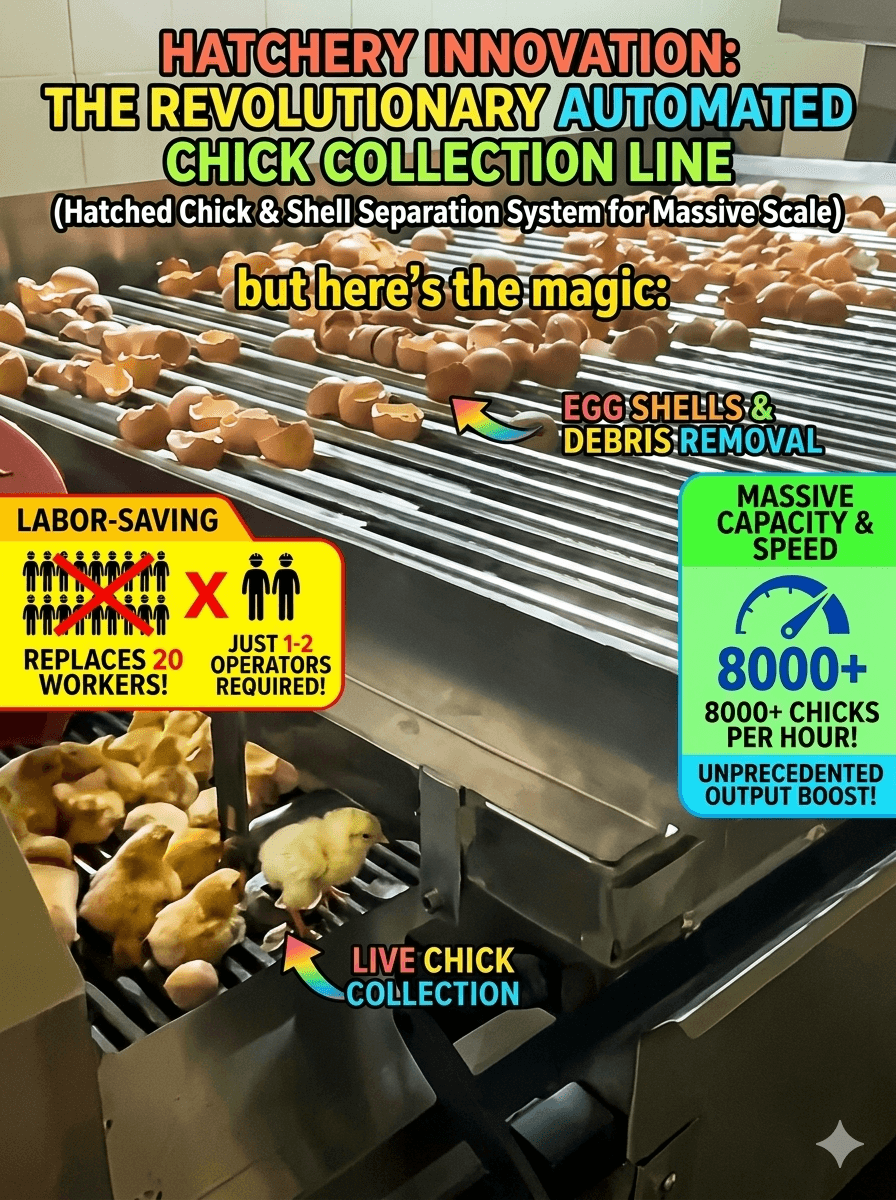
A hatchery automation risk register is useful when it helps a project team decide what to measure, who owns the response, and what evidence closes the concern. It should cover room, equipment, people, utilities, interfaces, cleaning, testing, support, and production—not only machine failure.
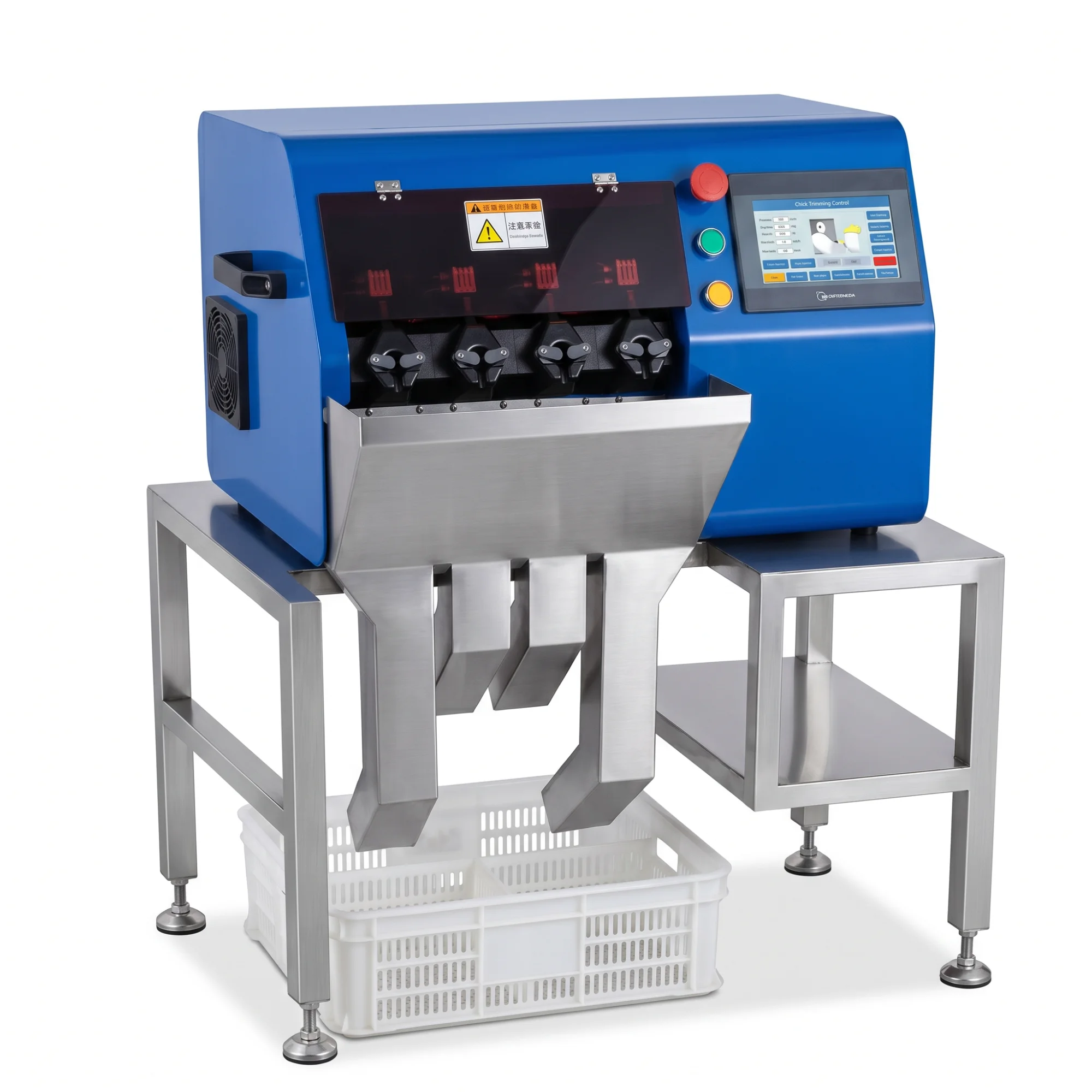
JuliSense can discuss equipment and project support within the agreed scope. Use this tabletop method with operations, maintenance, engineering, sanitation, procurement, and local contractors before fabrication.
Put the Risk on a Real Route
Start with the current process map and proposed layout. Mark release, handoffs, buffers, processing, cleaning, maintenance access, dispatch, people, containers, waste, utilities, and controls. A risk without a location is hard to test.
Use a clear statement
Write cause, event, consequence, existing control, owner, evidence, and due date. “The line may stop” is too vague to guide a decision.
Keep assumptions visible
Separate measured facts, customer inputs, supplier requirements, local work, and unknowns. The hatchery automation risk register should change when an assumption changes.
Tabletop Round 1: Flow and Capacity
Play a normal peak, full zone, late release, delayed dispatch, and recovery after a stop. Trace loads already moving, identity, operator action, and the condition that releases the route.
Name the red line
State when production stops, when a supervisor decides, and when technical support is called. Avoid a capacity promise that ignores the recovery condition.
Use evidence, not fear
Record arrival patterns, accepted output, buffer limit, staffing, cleaning window, and downstream condition. This makes risk review constructive rather than alarmist.
Tabletop Round 2: Interfaces and Safety
Review mechanical fit, working height, alignment, signals, guards, isolation, access, stop behavior, restart, and ownership at every connection. The installed arrangement matters more than isolated machine brochures.
Test the awkward handoff
Choose a receiving zone that is unavailable or a load that is out of position. Define detection, safe holding, correction, record, and restart.
Use a recognised framework
ISO 12100 provides a general machinery risk-assessment and risk-reduction framework. Apply destination and site requirements to the final configuration.
Tabletop Round 3: People and Cleaning
Give operators, supervisors, maintenance, sanitation, and contractors different scenarios. Check authority, language, training, tools, isolation, cleaning access, waste, water, and return-to-service evidence.
Distinguish competence from attendance
Record observed ability for normal operation, planned stop, exception, cleaning handover, and escalation. Refresh after equipment, software, staffing, or procedure changes.
Keep site programs authoritative
JuliSense can describe materials, access, and limitations. The hatchery defines approved sanitation and biosecurity methods. WOAH standards provide relevant international references.
Tabletop Round 4: Utilities and Delivery
Walk power, air, water, drainage, network, unloading, lifting, local work, shutdown, storage, factory testing, site acceptance, and training. A utility that exists in a drawing may not be ready at the point of use.
Give readiness an owner
Name the person who confirms each task and the evidence required before shipment or installation. Keep contractors in the same action register.
Review support distance
Record spares, response route, time zone, language, remote access, travel, repair loop, and escalation. ISO 9001 supports controlled records and improvement.
Prioritise Without Hiding Uncertainty
Use consequence, likelihood, detectability, recovery time, and confidence in the existing control. Mark red, amber, and green with a short reason. Do not turn an unknown into a green status because a meeting is ending.
Close each action with evidence
An updated drawing, test record, utility measurement, training sign-off, supplier confirmation, or procedure can close a risk. Give it an owner and review date.
Re-run after major change
Repeat the tabletop when layout, workload, equipment, controls, local work, or schedule changes. A living hatchery automation risk register is more useful than a file created only for approval.
Use the Register in the RFQ and Acceptance Plan
Send the risk statements with the process map, room plan, workload, containers, utilities, destination, schedule, testing, training, and support expectations. Review JuliSense products, complete automation solutions, and services.
What should the buyer ask?
Ask how each supplier detects, controls, tests, documents, trains, and supports the listed risks. Use the JuliSense contact page to discuss a project-specific hatchery automation risk register before fabrication.
Close the Register With Evidence
A risk can be closed by a measured utility, approved drawing, integrated test, training observation, revised procedure, supplier clarification, spare-parts route, or site acceptance record. Write the evidence identifier into the hatchery automation risk register and state who reviewed it. “Discussed” is not the same as closed.
Separate accepted exposure
Some residual risks remain after reasonable controls. Record the decision owner, operating limit, warning, training, review date, and trigger for reopening. This is more honest than forcing every item to green.
Rehearse the change path
When a layout, workload, component, software version, or local task changes, identify affected risks and tests. Ask whether the control still works, whether training needs refresh, and whether the acceptance record remains valid. Keep the revision beside the original decision.
A tabletop workshop is most valuable when it changes what the team does next. Send the route, open register, and evidence plan to JuliSense through the contact page for a project-specific discussion.
Make the Register a Delivery Tool
Bring the risk register into procurement, design review, factory testing, site readiness, commissioning, training, and handover. At each stage, ask which risks are closed, which changed, and which new interfaces appeared. Link the item to a drawing, test, instruction, or measurement so the team can find evidence quickly.
The register should also show accepted limits: maximum queue, utility condition, cleaning window, staffing assumption, support response, and escalation authority. Those limits are part of safe operation. Review them with the people who will run the line, not only the people who bought it. A concise, owned register is more useful than a long list nobody opens.
Review after every design freeze
A drawing revision, control change, new utility, altered workload, or different supplier can change several risk items at once. Hold a short review at each freeze and link the result to the revision number. Reopen items that lost their evidence or owner. This keeps the hatchery automation risk register connected to the actual project rather than the first workshop.
Reopen When Evidence Changes
A revised layout, new workload, different utility, altered control, supplier change, or delayed shutdown should reopen related items. Record the reason, affected evidence, and new owner. Do not wait for an incident to discover that a project assumption moved. Repeat the tabletop at the next gate when the change affects a critical handoff, cleaning boundary, operator task, or support route. This keeps the risk conversation tied to delivery and production rather than leaving it in an approval folder.
Close with an accountable action
Choose one person, one due date, and one evidence item for every reopened risk. The register is ready for the next gate only when the action is visible to the team that will use the line.
Keep the review practical
Use short tables, marked-up drawings, observed practice, and named actions so the article can become a useful project conversation. Ask the customer team to bring the people who release work, maintain equipment, clean the room, approve local services, and receive finished output. Their combined view often reveals a constraint that a single department cannot see. Record the answer, the owner, and the next review date. This keeps the recommendation useful after the initial quotation and gives JuliSense a clear basis for the next engineering step.
Review the evidence again before approval.