



Buyers often compare hatchery automation solutions through layouts, equipment lists, and capacity figures. Add two diaries. The early-shift operator records preparation, first flow, replenishment, and ordinary corrections. The late-shift supervisor records accumulated queues, staff changes, cleaning pressure, open exceptions, and support needs.
Reconcile the diaries at handover. Their differences show whether the proposed solution supports a complete working day or only its most controlled period.
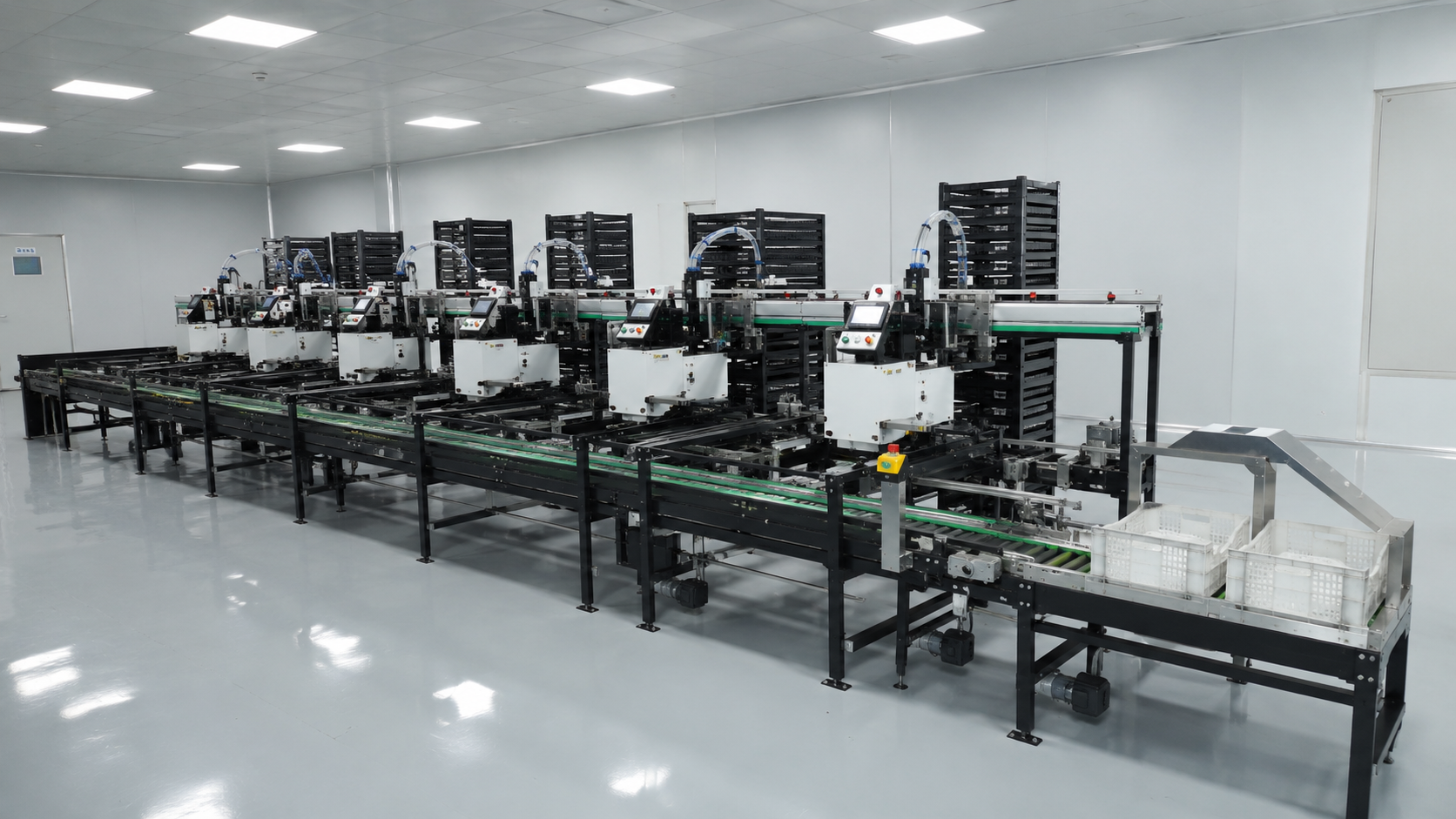
The 6:00 AM Diary Begins Before Equipment Moves
Record staffing arrival, utilities, checks, approved materials, documentation, upstream readiness, downstream readiness, and outstanding issues from the previous day.
Jili Intelligent presents integrated equipment and hatchery automation solutions through JuliSense. The right configuration depends on the customer's process, existing assets, building, interfaces, qualified ownership, and acceptance basis.
Time the preparation work
Separate required preparation from waiting for people, supplies, decisions, utilities, or another station. This distinction can change staffing and scheduling assumptions.
Identify yesterday's leftovers
Open maintenance, quality, sanitation, parts, or documentation items should appear at the top of the diary with an owner and operating impact.
The 7:00 AM Entry Captures First Flow
The operator records arrival rhythm, station readiness, initial corrections, buffer behavior, handoffs, and the first point where help is requested.
Watch experienced hands
An experienced person may make small interventions that hide a design, training, or presentation issue. Count the touch and ask whether the future standard method includes it.
Keep the basis of capacity visible
State batch pattern, staffing, product or container assumptions, planned stops, downstream release, and exclusions beside any measured output.
The Noon Entry Records What Has Accumulated
By midday, small delays become visible. Review replenishment, breaks, queues, documentation, exception handling, cleaning around the process, and any station that alternates between starvation and blocking.
For hatchery automation solutions, accumulated effects are often more useful than one instantaneous rate.
Use addresses for delays
Name the station, buffer, handoff, decision point, or dispatch position. “The line was slow” cannot guide a change.
Separate equipment time from decision time
Record whether the wait belongs to movement, supplies, customer release, staffing, documentation, quality, maintenance, or another interface.
The 2:00 PM Entry Tests the Handover
The early shift explains current work, machine and line state, open exceptions, supplies, records, temporary controls, and expected late-shift priorities.
Ask the receiving shift to repeat it
The late-shift supervisor and operators describe what they received. Differences reveal weak status visibility or an informal handoff.
Give every temporary control an expiry
State its reason, limits, responsible owner, review time, and evidence required for removal or formal adoption.
The 4:00 PM Entry Shows the Support Reality
The late shift may have fewer specialists on site. Record which issues can be handled by trained customer personnel, which need escalation, what evidence is collected, and when supplier or management support is available.
JuliSense describes project communication, commissioning, training, and after-sales discussions on its service page. Exact response commitments, parts, remote access where applicable, travel, and exclusions belong in the agreed scope.
Write the first support message
Include location, equipment identification, state, event, current work, relevant messages, recent changes, permitted actions already taken, and photographs or video where authorized.
Define the waiting state
If external support is not immediate, state how work, equipment, materials, staffing, and downstream commitments remain controlled.
The 6:00 PM Entry Faces Cleaning and Maintenance
The diary follows production finish, remaining work, access, approved cleaning, removed parts, inspection, planned maintenance, reassembly, records, and release for the next day.
For machinery risk assessment and risk reduction, ISO 12100 provides a general framework. Relevant laws, standards, risk assessments, and site procedures apply to the complete installation.
Open the service envelope
Confirm that access doors, removable components, tools, cleaning equipment, people, and adjacent systems fit in the available space.
Record what cannot be finished
An incomplete task needs protected equipment state, owner, communication, next action, and impact on morning readiness.
Reconcile the Two Diaries on One Wall
Place the early and late entries side by side. Group differences under flow, people, supplies, decisions, hygiene, maintenance, records, support, and interfaces.
| Diary difference | Buyer question |
|---|---|
| More corrections late in the day | Is variation accumulating or staffing changing? |
| Queue moves between stations | Are speeds, buffers, and release rules coordinated? |
| Cleaning starts late | Does production release space and records on time? |
| Support depends on one person | Is training and escalation resilient? |
| Morning waits for closure | Does the prior shift leave controlled evidence? |
Rank by repeated consequence
A small event that occurs every shift may deserve more attention than one unusual interruption during the supplier visit.
Assign changes to the right layer
The remedy may involve layout, equipment, controls, staffing, training, customer procedure, supplies, documentation, or commercial support. Do not automatically add automation.
Keep Animal-Health and Welfare Ownership Independent
The customer's qualified owners define applicable criteria, observation, process approvals, and stop conditions. Supplier equipment does not replace that authority.
The World Organisation for Animal Health Terrestrial Code provides internationally recognized animal-health and welfare references. Destination requirements and customer-approved procedures govern the actual operation.
Give both shifts access to the owner
The late shift needs a clear escalation route and controlled instructions, not assumptions carried from the morning team.
Record conditions, not interpretations alone
Write what was observed, when, where, and under which representative condition before assigning a cause.
Use the Diaries to Compare Suppliers
Ask each proposed supplier how the configuration, commissioning plan, training, documents, parts, and support address the same two-shift story. Compare evidence rather than general assurances.
This keeps hatchery automation solutions connected to the buyer's operating day instead of allowing every proposal to define its own convenient scenario.
Add a Third Page for Shared Facts
The two diaries contain different viewpoints. A third page holds the common evidence: location codes, timestamps, batch context, staffing, buffer counts, messages, intervention counts, open items, and document references.
Reconcile disagreements with the shared page
If the early operator and late supervisor describe the same event differently, return to the timestamp and evidence. Do not average the stories into language that neither team recognizes.
Carry one issue into tomorrow
Choose a repeated issue and follow it through late-shift control, overnight ownership, morning readiness, and final closure. This tests whether hatchery automation solutions support continuity beyond a single shift.
Price the Diary Gaps
Translate repeated findings into labor, downtime exposure, additional equipment or civil work, training, spares, support, and management attention. Use project assumptions rather than invented universal savings.
Separate purchase cost from operating dependency
A lower equipment price can still rely on more walking, manual correction, specialist attendance, or after-hours escalation. Make those dependencies visible to finance and operations together.
Ask what the project can remove
Some gaps need clearer ownership or training rather than additional automation. Compare hatchery automation solutions by the complete remedy and its evidence.
What should a buyer share?
Provide operating hours, batch pattern, staffing by shift, current workflow, building constraints, existing equipment, utilities, cleaning method, support expectations, and representative exceptions.
Should the diaries be written before purchase?
Yes. A future-state diary exposes missing responsibilities and commercial scope while changes remain affordable.
Can automation remove every handoff?
No. It changes the handoffs. Buyers should define information, ownership, buffer limits, exception routes, and acceptance evidence for the remaining interfaces.
How does a customer start with JuliSense?
Use the JuliSense contact page to share both shift stories and request a project-specific equipment and service discussion.
The Late Shift Is Part of the Solution
Useful hatchery automation solutions still make sense after the launch team goes home. JuliSense can organize configuration, commissioning, training, and support questions around the two diaries. Buyers gain a view of the whole working day, including the parts that rarely appear in a brochure.