


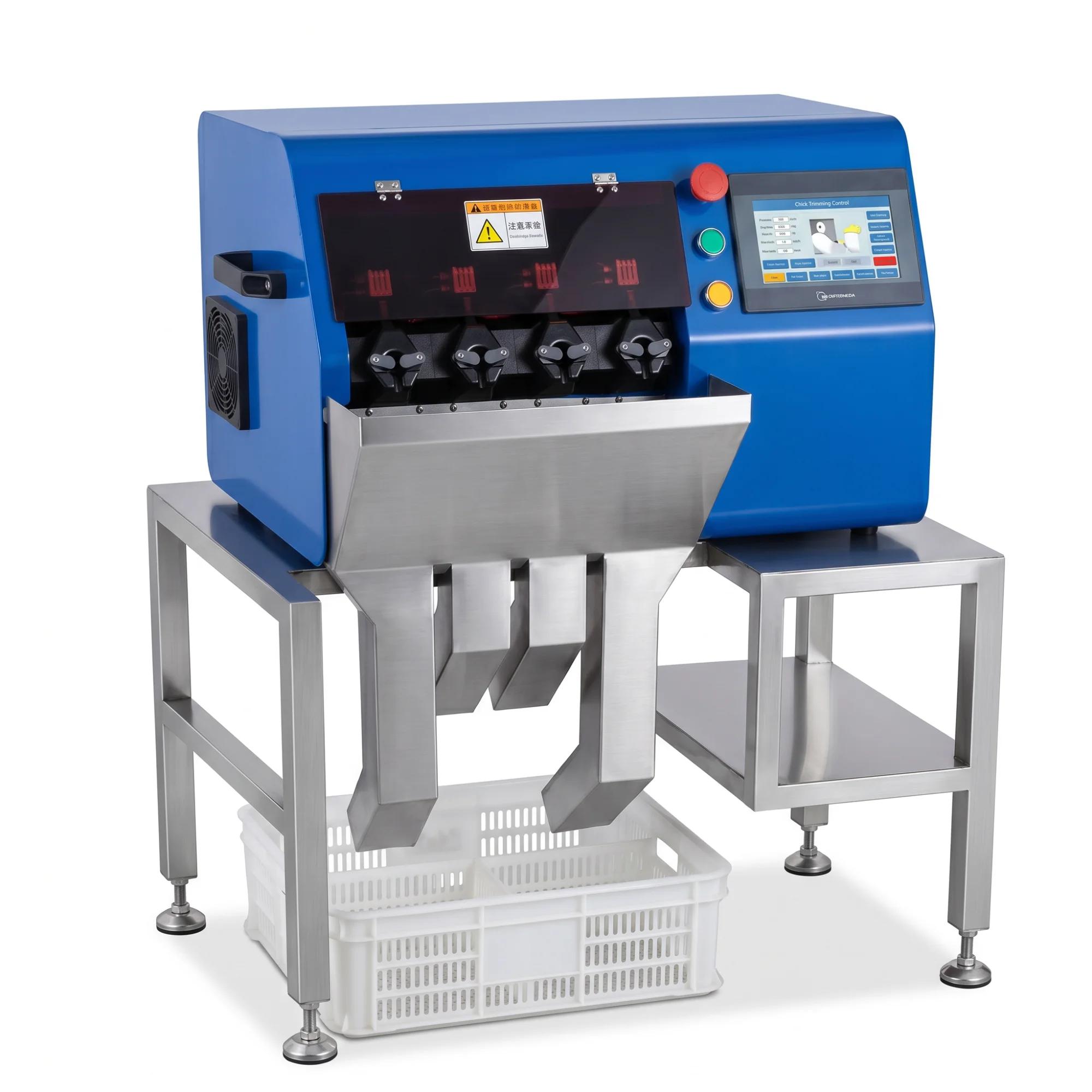
Good hatchery automation spare parts planning does not mean buying one of everything. It means deciding which failure exposures the hatchery will hold on site, which items can be replenished normally, which can come from qualified local sources, and which require a documented supplier route. Every stocked part should have a reason, an owner, and a replacement method.
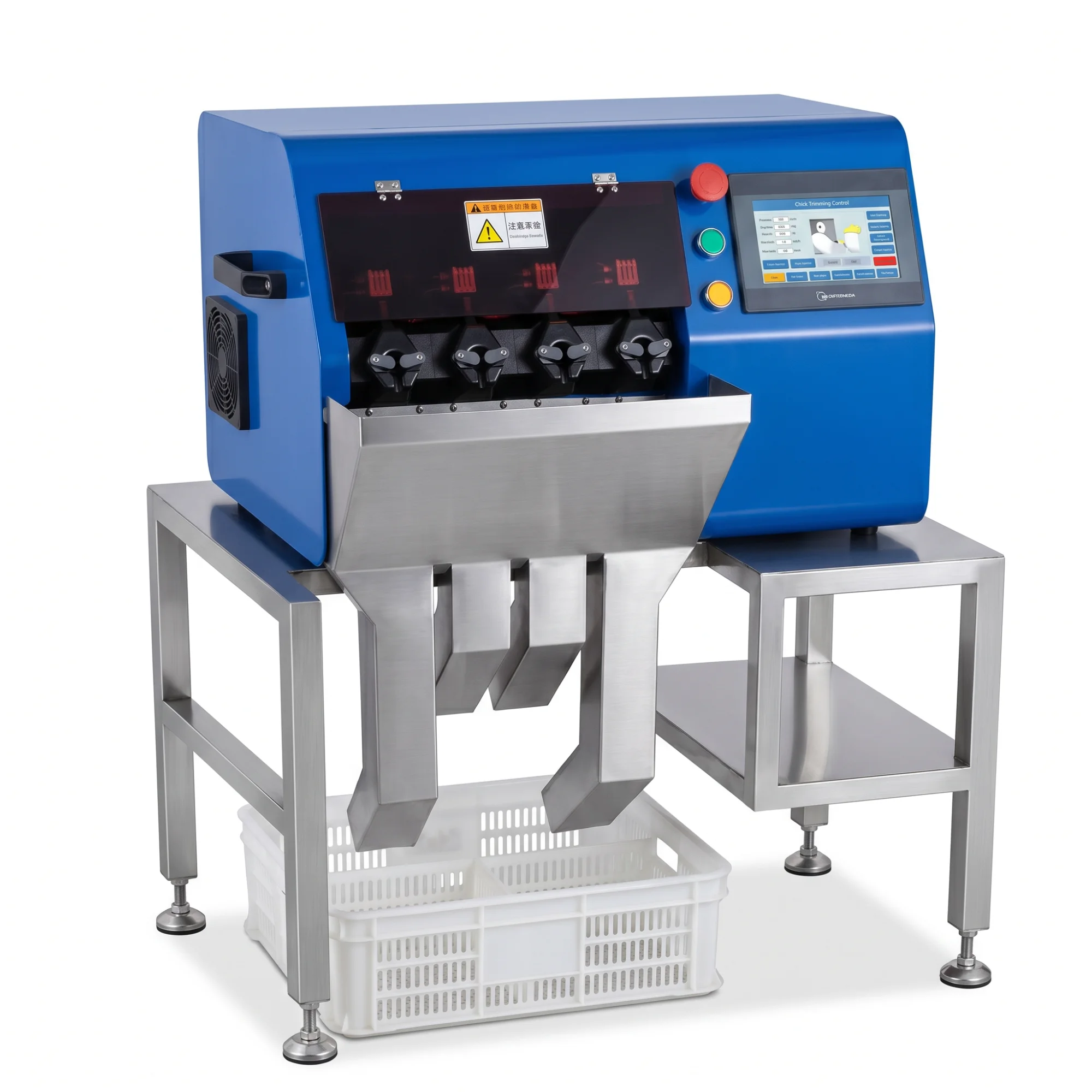
JuliSense can discuss recommended spares, equipment documentation, and service support within the agreed project scope. Organizing the storeroom into five evidence shelves makes the customer's stocking decision easier to review and update.
Shelf 1: Startup and Commissioning Protection
This shelf covers parts and materials that protect installation, testing, ramp-up, and early production. The list should reflect the actual delivered configuration, shipping distance, test program, site skill, and support plan.
Tie each item to a startup task
Record the equipment identifier, part number, quantity, purpose, installation point, required tools, storage condition, and who may replace it. Remove vague lines such as “general spares kit” unless the contents are itemized.
Close commissioning consumption
If a startup item is used, decide whether it becomes a warranty action, project consumption, or stock replenishment. Update the on-site balance before normal production support begins.
Shelf 2: Predictable Wear and Routine Replacement
Build this shelf from the maintenance schedule, duty cycle, operating environment, cleaning exposure, inspection limits, and observed condition. Quantities should cover the selected replenishment period, not an arbitrary percentage of machine value.
Combine parts with the maintenance method
A spare without the correct drawing, procedure, tools, authorization, and return-to-service check may not reduce downtime. Connect each item to controlled maintenance information.
Review actual use quarterly
Compare withdrawals, failure reason, running condition, lead time, and remaining stock. Hatchery automation spare parts planning should change when evidence shows a different wear pattern from the original assumption.
Shelf 3: Critical Long-Lead Exposure
Critical does not simply mean expensive. Evaluate whether loss of the item stops the route, creates a safety or quality concern, has no temporary alternative, requires supplier configuration, or takes too long to replace.
Score consequence and recovery
Use a simple matrix covering operational consequence, likely failure mode, detection, expected lead time, repair skill, substitution, and support response. Document why the final stock decision is hold, share, expedite, repair, or accept.
Consider commonality across equipment
Several machines may use the same component, but simultaneous exposure and configuration differences still matter. Confirm interchangeability by exact identifier rather than appearance.
ISO 9001 describes quality-management principles that include controlled processes and improvement. Apply relevant controls to supplier information, purchasing, identification, storage, and records.
Shelf 4: Qualified Local and Standard Components
Some standard items may be available locally, reducing stock and replenishment time. That decision needs a verified specification, approved source, quality check, and rule against uncontrolled substitution.
Define equivalence before an emergency
Record electrical, mechanical, environmental, performance, certification, interface, and configuration requirements as applicable. A similar-looking item may change machine behavior or documentation.
Keep an approved-source record
List supplier, exact model, revision, evidence, purchaser, inspection, and reapproval trigger. JuliSense should be consulted where a substitution could affect supplied equipment, controls, warranty conditions, or validated behavior.
Shelf 5: Strategic Support and Repair Loops
Not every important component belongs permanently on the local shelf. Some items may be covered by supplier stock, repair exchange, regional pooling, remote diagnosis, or a defined expedited route.
Write the route before failure
State contact, evidence required, authorization, shipping terms, customs information, repair decision, expected communication, and return configuration. Hatchery automation spare parts planning is incomplete if the only instruction is “contact supplier.”
Protect configuration and software information
For configured devices, record approved versions, backups, access control, replacement steps, validation, and ownership. Store information securely and test restoration according to site policy.
Label the Storeroom for Fast, Correct Use
Use consistent equipment and part identifiers across machine labels, drawings, bills of material, maintenance records, purchasing, and storage locations. Include revision or compatibility where needed.
Control storage condition
Follow supplier information for packaging, temperature, humidity, orientation, shelf life, cleanliness, electrostatic protection, and periodic inspection. A stocked part that deteriorates unnoticed is not protection.
Prevent informal withdrawals
Record requester, equipment, reason, quantity, date, failure evidence, return or disposal, and replenishment status. Simple discipline creates the consumption history needed for better stocking decisions.
For workplace machine guarding and related employer responsibilities, OSHA machine-guarding information is a useful reference. Applicable local requirements and site procedures must govern actual work.
Connect Parts to Failure Learning
When a part is replaced, capture the symptom, confirmed cause, operating context, condition, corrective action, and post-work test. Repeated consumption may indicate alignment, contamination, utility, handling, training, or maintenance issues rather than insufficient stock.
Use a monthly exception review
Review stockouts, emergency purchases, repeat failures, obsolete items, unused high-value stock, long-open repair loops, and inaccurate lead times. Assign actions and update the risk score.
What changes the recommended quantity?
Changes in production schedule, installed equipment, environment, supplier lead time, support location, failure history, commonality, or business tolerance can all change the decision. Keep the basis beside the number.
Ask for a Parts Package You Can Audit
At quotation or design review, request an itemized proposal separated into commissioning, recommended operating, consumable or wear, critical, optional, and locally sourceable categories. Ask for part identification, quantity basis, lead time, storage, replacement competence, and exclusions.
What should the first order include?
The answer depends on the installed scope, destination, support distance, commissioning plan, production risk, and customer capability. The customer should approve the risk basis instead of accepting an unexplained standard percentage.
How should obsolescence be handled?
Agree how the supplier communicates known changes, replacements, compatibility, last-buy decisions, and required document or software updates. Give the site register an owner.
Review the JuliSense product portfolio, infrared beak trimming equipment, and service options while developing the asset list.
Put a Value Beside Every Stock Decision
Record unit value, order quantity, shelf-life exposure, storage cost, replenishment method, and operational consequence. This does not mean the cheapest inventory is best. It makes visible when a rarely used high-value item is justified by a long recovery time and when several low-value items are accumulating without evidence.
Review repair versus replace
For selected components, document whether the site will repair locally, return to JuliSense or another approved provider, exchange, or replace. Include packaging, failure report, data removal where relevant, estimated turnaround, acceptance after return, and ownership of unusable parts.
Separate insurance stock from working stock
Working stock follows expected consumption and replenishment. Insurance stock covers a defined low-frequency, high-consequence exposure. Label and review them differently so routine withdrawals do not silently consume the protection assumed by hatchery automation spare parts planning.
At the annual asset review, challenge parts with no movement, repeated emergency orders, missing identifiers, or incompatible revisions. Reallocate, return, dispose, or replenish through an approved process. This keeps hatchery automation spare parts planning connected to the current line instead of the equipment configuration purchased years earlier.
Keep Five Shelves, Not Five Guess Lists
Evidence-based hatchery automation spare parts planning balances availability with cost, storage, competence, and supplier support. JuliSense can respond more precisely when the customer provides equipment scope, operating pattern, destination, maintenance capability, and recovery expectations.
Send those details through the JuliSense contact page. A useful spares plan begins before commissioning and improves with every verified maintenance event.