


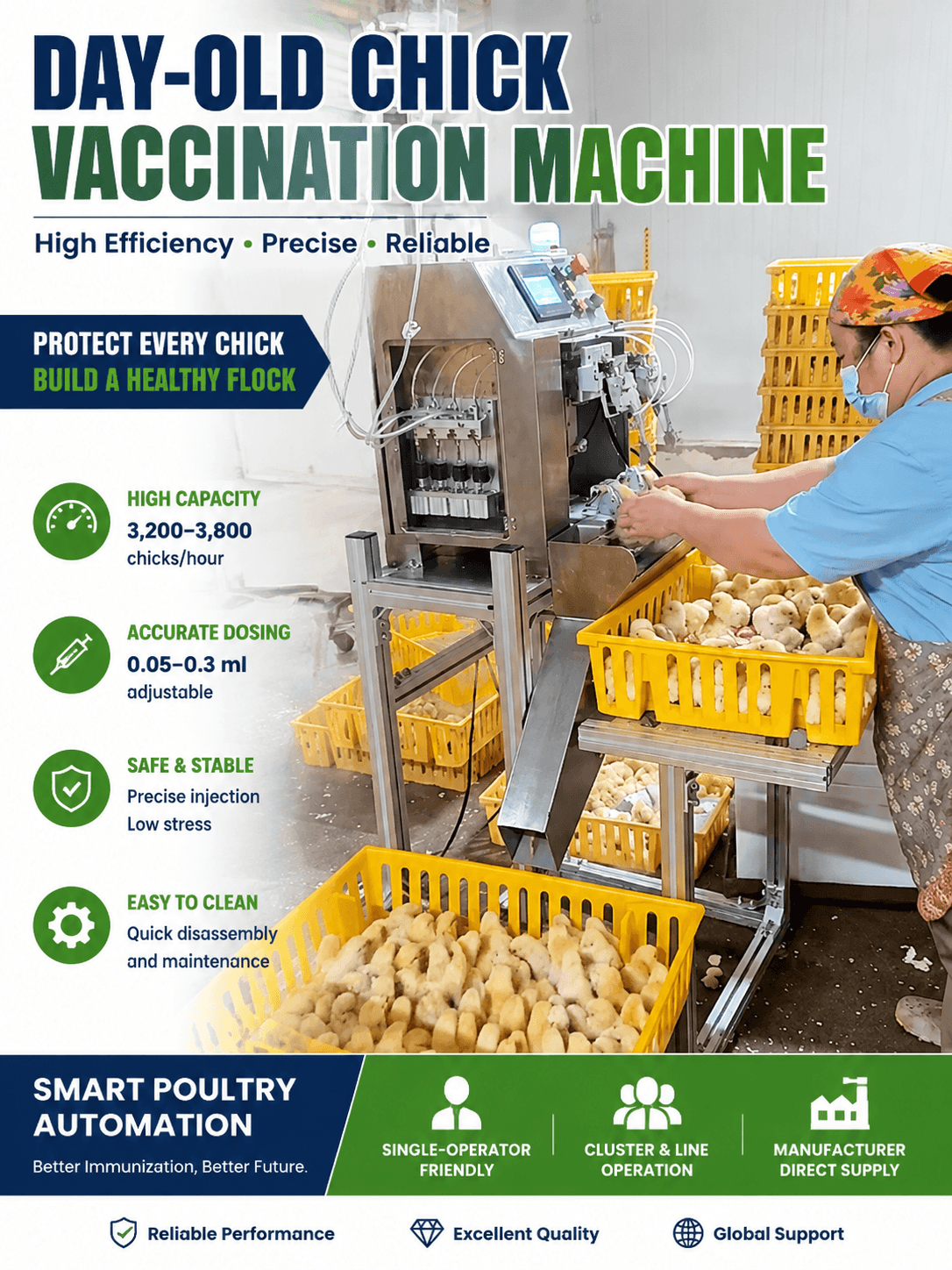
A hatchery automation staffing plan should show who prepares, releases, observes, replenishes, checks, clears approved exceptions, cleans, maintains, records, and escalates across the whole shift. Automation can change work, but it does not make people, breaks, handovers, or abnormal conditions disappear.
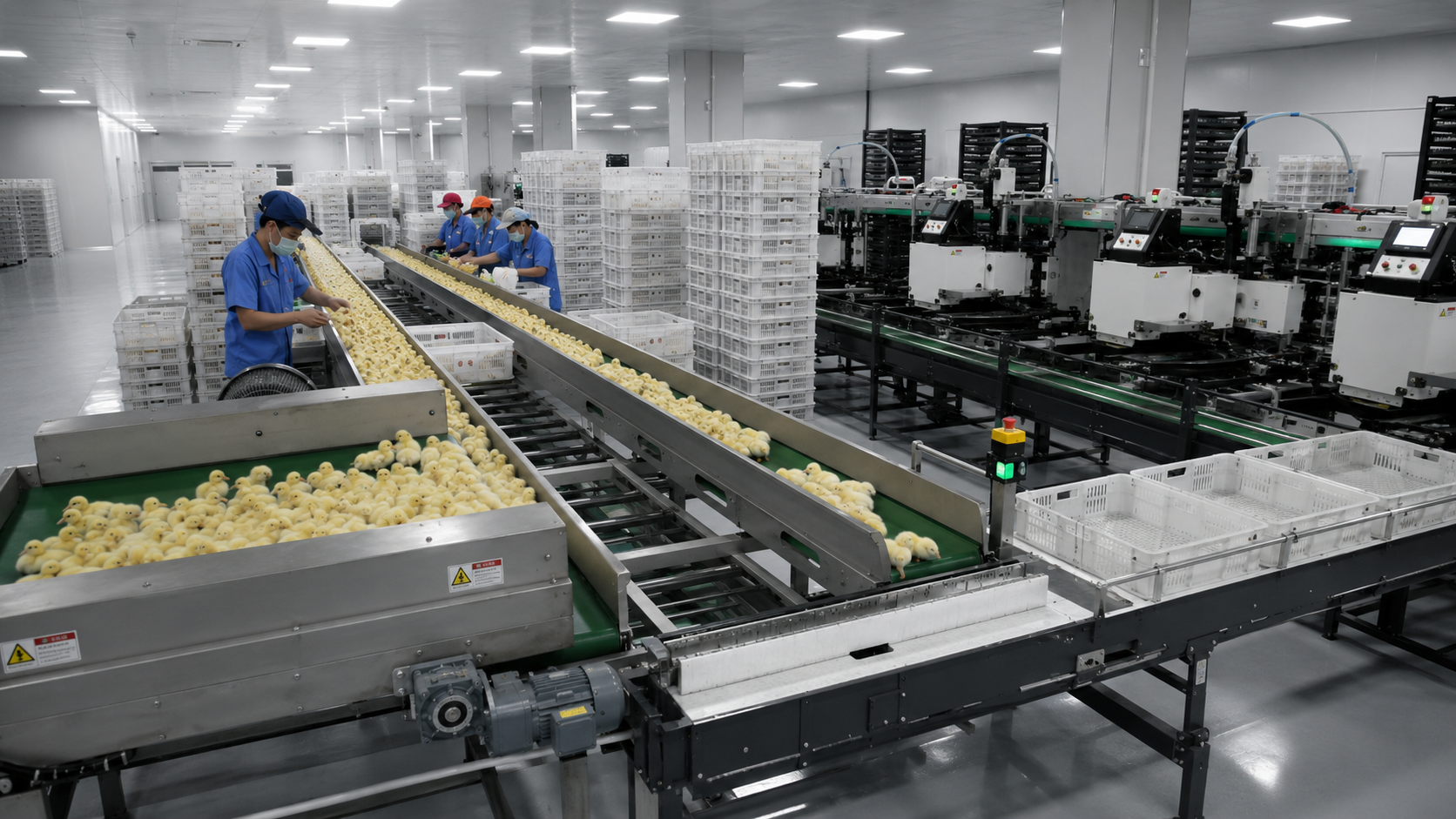
JuliSense supports equipment and integrated hatchery automation discussions. Use role cards to build a staffing plan from observable tasks instead of subtracting an assumed number of people from the current roster.
Card 1: The Release Owner
This role confirms upstream readiness, batch identity, container condition, route availability, and permission to start. Record normal and peak release intervals and what happens when input arrives late or irregularly.
Define the first decision
State which signal or condition allows release and who can hold it. The hatchery automation staffing plan should not depend on an unwritten habit.
Include preparation time
Count materials, checks, communication, and documentation before the first movement, not only the time after the machine starts.
Card 2: The Route Operator
List normal observations, replenishment, screens, labels, physical checks, permitted adjustments, and the points where the operator moves between stations.
Measure travel and response
Two stations may share one operator only if walking, visibility, and response time remain realistic during peak work and interruptions.
Protect authority limits
Define which conditions the operator may recover, which require a supervisor, and which transfer to maintenance or technical support.
Card 3: The Quality or Process Check
Identify checks, sampling, records, holds, reject handling, batch release, and communication. Decide whether this is a dedicated role, shared task, or supervisor responsibility.
Place the check in the route
An inspection point needs safe access, visibility, tools, information, and a destination for held output.
Plan the abnormal result
Record who decides, how the load is identified, where it waits, and what evidence returns it to flow.
Card 4: The Peak-Window Helper
Some work appears only during batch release, consumable change, stacking, dispatch, cleaning preparation, or a short surge. Give that task a time window and source of labor.
Avoid permanent assumptions about temporary help
If another department supplies help, confirm availability and travel during the actual peak. The hatchery automation staffing plan should not borrow the same person for two simultaneous tasks.
Test the short-staffed shift
Define minimum authorized coverage, work that pauses, escalation, and which production commitment changes when a role is absent.
Card 5: The Supervisor
The supervisor allocates authorized roles, monitors the route, manages holds, coordinates breaks, approves defined recovery, reviews handover, and calls technical support.
Give the supervisor useful information
Show route state, active batch, open exception, full zone, isolated equipment, and next required action without demanding a walk to every station.
Practice production pressure
Use a scenario where output is late but a condition is outside operator authority. The correct staffing model must support a controlled decision.
Card 6: Maintenance and Technical Ownership
Map daily checks, planned work, isolation, inspection, common faults, parts, controls support, and return-to-service evidence. Decide what must be available on each shift and what can be called.
Include access time
A technician who is responsible for several areas needs a realistic response route. Long travel or approval time belongs in recovery planning.
Review machinery risk
ISO 12100 provides a general machinery risk-assessment framework. Training and authority should match the installed configuration.
Card 7: Sanitation and Release
List production stop, clearing, isolation, cleaning, inspection, reassembly, verification, and release responsibilities. Keep sanitation authority with the hatchery's approved program.
Plan the cleaning handover
Production, sanitation, and maintenance should exchange equipment state, open work, removed parts, and release condition.
Use site-specific references
WOAH standards provide international animal-health and welfare context. The site's approved procedures govern actual work.
Card 8: Shift Handover
The outgoing and incoming teams exchange active batch, route state, holds, isolated equipment, temporary controls, parts, support actions, and next decision.
Use consistent language
Keep station names, alarms, exceptions, and status terms aligned across screens, labels, procedures, and training.
Observe the late shift
Different experience, staffing, and management presence may expose unclear ownership. Update the hatchery automation staffing plan based on observed practice.
Build Three Rosters
Create a normal-shift roster, peak-window roster, and disrupted-shift roster. Show role, task, time, location, competence, backup, and escalation.
Separate attendance and authorization
Training attendance does not prove competence. Use observed practice for normal operation, planned stops, cleaning handover, common recovery, and escalation.
Review after commissioning
Compare assumed and actual walking, response, exceptions, cleaning, support, and accepted output. Change the roster, training, layout, procedure, or equipment action as evidence requires.
Discuss Roles With JuliSense
Review JuliSense products, services, and complete solutions. Send the workload, room, shift pattern, languages, current roles, and desired scope through the contact page.
A reliable hatchery automation staffing plan makes human work visible before the quotation and gives the customer a realistic basis for training, capacity, and support.
Test the Roster With a Tabletop
Place role cards on a timeline for start-up, normal work, peak release, break, exception, cleaning, and handover. Ask where one person is expected in two places, where an unauthorized person becomes the backup, and which task lacks a clear stop rule.
Add movement, not only headcount
Draw the operator paths between supply points, controls, inspection positions, held-output locations, and downstream handoffs. Mark doors, traffic crossings, restricted zones, protective clothing changes, and areas with poor visibility. A roster can appear balanced in a spreadsheet while one person spends most of the peak walking or cannot see two simultaneous events.
Test three ordinary disruptions
Remove one trained person for a break, delay an upstream batch, and fill a downstream zone. Then ask who notices, who decides, who performs the permitted response, and who records the change. These are ordinary pressures, not dramatic emergencies, which is why they reveal whether the planned staffing model is practical.
Compare the proposal with observed work
During commissioning, record the time spent preparing, releasing, observing, replenishing, checking, clearing approved exceptions, communicating, cleaning, maintaining, and handing over. JuliSense can help explain equipment functions and intended interfaces; the customer remains best placed to validate local roles, labor rules, biosecurity movement, and authorization.
Turn conflicts into actions
The response may be a different roster, staggered break, clearer signal, relocated supply, revised procedure, training, buffer, or equipment change. Avoid treating every conflict as a request for another person; sometimes the route or information design is the real cause. Equally, do not force a labor target when the observed work requires reliable coverage.
Keep the evidence, owner, and review date beside the hatchery automation staffing plan. Revisit it after the team gains experience, after a layout or product change, and whenever repeated exceptions begin to consume attention that the original roster did not allocate.
Use the Roster in the Buying Conversation
Share the normal, peak, and disrupted role maps with JuliSense before the solution boundary is fixed. They help both sides discuss operator positions, replenishment, visibility, controls, buffers, cleaning access, and commissioning evidence. The exercise does not promise a universal labor reduction; it gives the customer a clearer way to decide whether the proposed equipment fits the people and shift pattern that will actually operate it. That makes the hatchery automation staffing plan commercially useful as well as operationally realistic. Recheck it after every staffing change.