

Hatchery automation system commissioning is often described as a technical startup. In practice, it is a conversation between people who see the same system at different moments. The startup shift cares about readiness. The production shift cares about flow and interruptions. The handover shift cares about records, training, ownership, and what happens after the supplier leaves.
When all three perspectives are included, commissioning becomes more than switching on connected machines. It becomes the controlled transfer of a working process.
The Startup Shift Says: Show Me That the Site Is Ready
The first conversation begins before the system runs. Are utilities connected and tested? Are guards and interfaces complete? Are containers, supplies, operators, and technical owners available? Are surrounding works finished enough for safe access and representative testing?
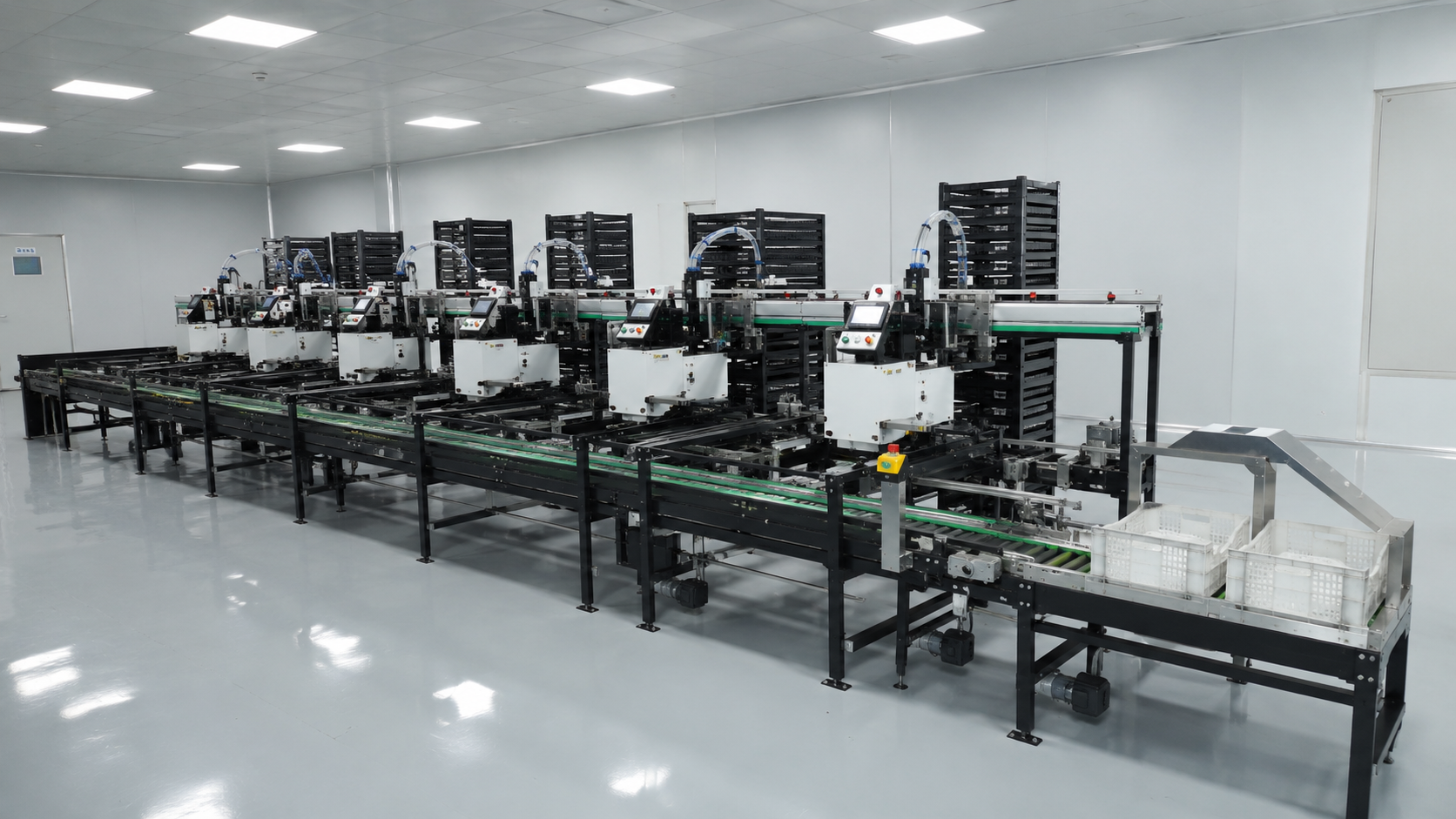
Jili Intelligent presents complete hatchery automation solutions through JuliSense. The commissioning plan should connect the selected equipment modules to a site readiness register with named owners and evidence.
Engineering asks about boundaries
Engineering wants to know where supplier work ends and customer work begins. Civil work, utilities, lifting, local electrical connections, network points, upstream equipment, downstream equipment, and local approvals should be listed rather than assumed.
Quality asks about release
Quality wants to know which rooms, materials, procedures, and records are approved for the planned test. A technical team should not start representative work before the applicable process owners release it.
The Production Shift Says: Show Me the Handoffs
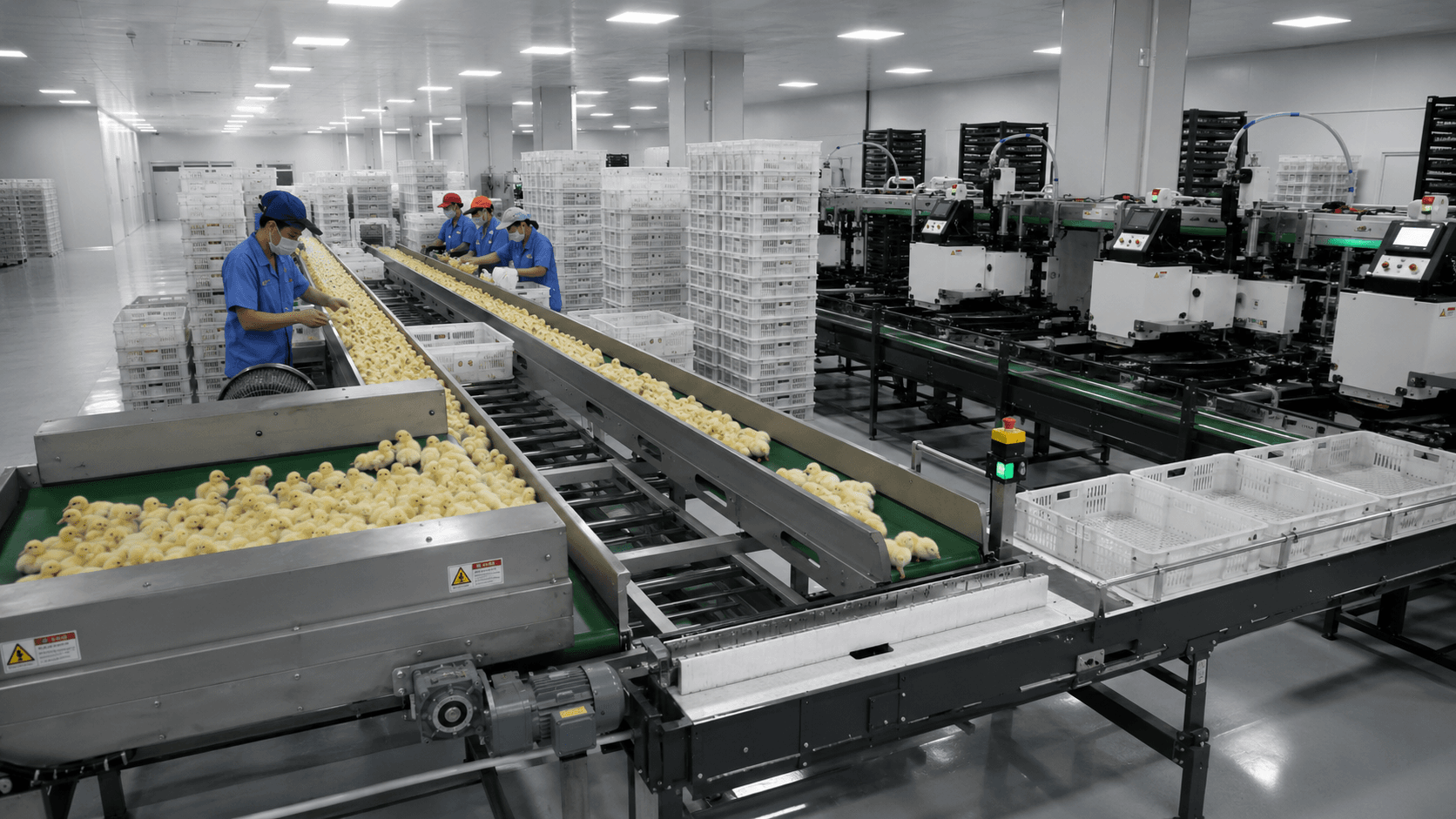
Normal arrows on a layout do not explain real flow. Production follows one container, one chick route, one information signal, and one interruption through the connected system.
During hatchery automation system commissioning, observe where work waits, which station controls the rhythm, how upstream equipment responds to downstream unavailability, and who can see the current state.
Production asks about variation
The line should be tested with representative batch changes, container patterns, replenishment, and operator transitions. Average conditions can hide the short periods that create congestion.
Supervisors ask about stops
Create agreed local and line-level pauses. Identify what stops, what can continue, where work waits, who receives information, and what must be confirmed before restart.
For machinery risk discussions, ISO 12100 offers a general framework for risk assessment and risk reduction. Apply the relevant requirements to the final system, interfaces, people, and destination.
The Handover Shift Says: Show Me What Remains Tomorrow
A system can run well while the supplier is present and still be poorly handed over. The handover shift asks whether the customer's operators, maintenance team, quality owners, and supervisors can understand the state, respond to ordinary events, and find the required information.
The hatchery automation system commissioning plan should therefore include role-based training, documents, spare-parts information, open-item closure, support channels, and an agreed transition from supplier-led work to customer-led operation.
Operators ask for clear states
Operators need understandable normal, paused, and fault information within the selected configuration. They need to know which actions are permitted and when escalation is required.
Maintenance asks for useful evidence
Maintenance needs drawings, inspection guidance, parts information, access expectations, alarm context, and the support boundary. A generic manual is not a substitute for the ordered system record.
The JuliSense service page supports conversations about design, integration, commissioning, training, and after-sales needs. Project-specific commitments should appear in the quotation or contract.
Put the Three Shifts on One Commissioning Board
Use one visible board or shared record during the project:
| Shift perspective | Evidence required |
|---|---|
| Startup | Readiness items, utility checks, configuration, releases, available people and materials |
| Production | Normal flow, changes, handoffs, local stops, line stops, waiting locations, restart checks |
| Handover | Training, documents, records, spares, support channels, open items, ownership transfer |
Every issue should have an owner, due date, required evidence, impact, and closure authority. This prevents the same concern from reappearing in separate meetings under different names.
A Commissioning Day Should Include Silence
At one planned point, ask the supplier's team to step back while the customer's authorized team performs a normal preparation, operation, controlled pause, and handover. The supplier observes and intervenes only within the agreed safety and test rules.
This quiet period reveals whether training and controls are understandable. It also shows which questions depend on supplier memory rather than documents or established customer ownership.
Repeat the quiet period with a different authorized role or shift when practical. The second team may interpret a screen, handoff, or recovery step differently from the people who attended earlier project meetings. Capture those differences without treating them as operator failure. They are commissioning evidence about language, training, visual controls, or the operating method. A useful hatchery automation system commissioning process closes that gap before the system becomes dependent on one experienced person.
The customer remains responsible for approved veterinary, welfare, quality, sanitation, and regulatory procedures. The World Organisation for Animal Health Terrestrial Code provides internationally recognized animal-health and welfare references.
Connect Commissioning to Acceptance and Support
Commissioning, acceptance, and support are related but not identical. Commissioning prepares and stabilizes the system. Acceptance verifies agreed deliverables and evidence. Support begins under the commercial terms defined for the period after handover.
The hatchery automation system commissioning record should show what has been demonstrated, what remains open, what is excluded, and when responsibility transfers. Buyers can review the wider JuliSense product portfolio and company background on About Us before defining this boundary.
Ten Questions From the Three Shifts
What must be ready before commissioning starts?
Confirm the site, utilities, interfaces, materials, containers, people, procedures, releases, documents, and safety conditions named in the readiness plan.
Who owns the commissioning schedule?
Use one project owner with named supplier and customer responsibilities. Each technical function should approve the decisions it owns.
Should normal production begin immediately?
Only after the applicable owners confirm readiness and the agreed commissioning stages support the transition. Technical startup alone is not production release.
Which handoffs should be observed?
Follow physical flow, control signals, information, containers, responsibilities, and sanitation boundaries between every connected station.
Why test a local stop?
It shows whether one station can pause without creating uncontrolled waiting, unclear signals, or an unnecessary wider stop.
Why test a line stop?
It confirms coordinated protection, communication, waiting locations, restart order, and decision authority across the system.
What should role-based training include?
Define separate needs for operators, supervisors, maintenance, sanitation, quality, and technical owners, with documents and completion evidence.
When is an open item closed?
When the agreed evidence is delivered and the authorized owner confirms the requirement is satisfied.
What should happen after supplier-led operation ends?
Use a planned customer-led period, handover record, support channel, parts process, and escalation boundary defined in the project scope.
How can buyers plan commissioning with JuliSense?
Use the JuliSense contact page to share the system scope, room layout, readiness status, test materials, roles, and required handover evidence.
Commission the Process Across All Three Shifts
Successful hatchery automation system commissioning gives the startup shift proof of readiness, the production shift control of real handoffs, and the handover shift usable knowledge after the project team departs.
JuliSense can use a three-shift commissioning board to organize the discussion. The goal is not merely to make the line move; it is to transfer a defined, understandable, and supportable operating process.
That transfer should remain clear after every visiting specialist has departed.