


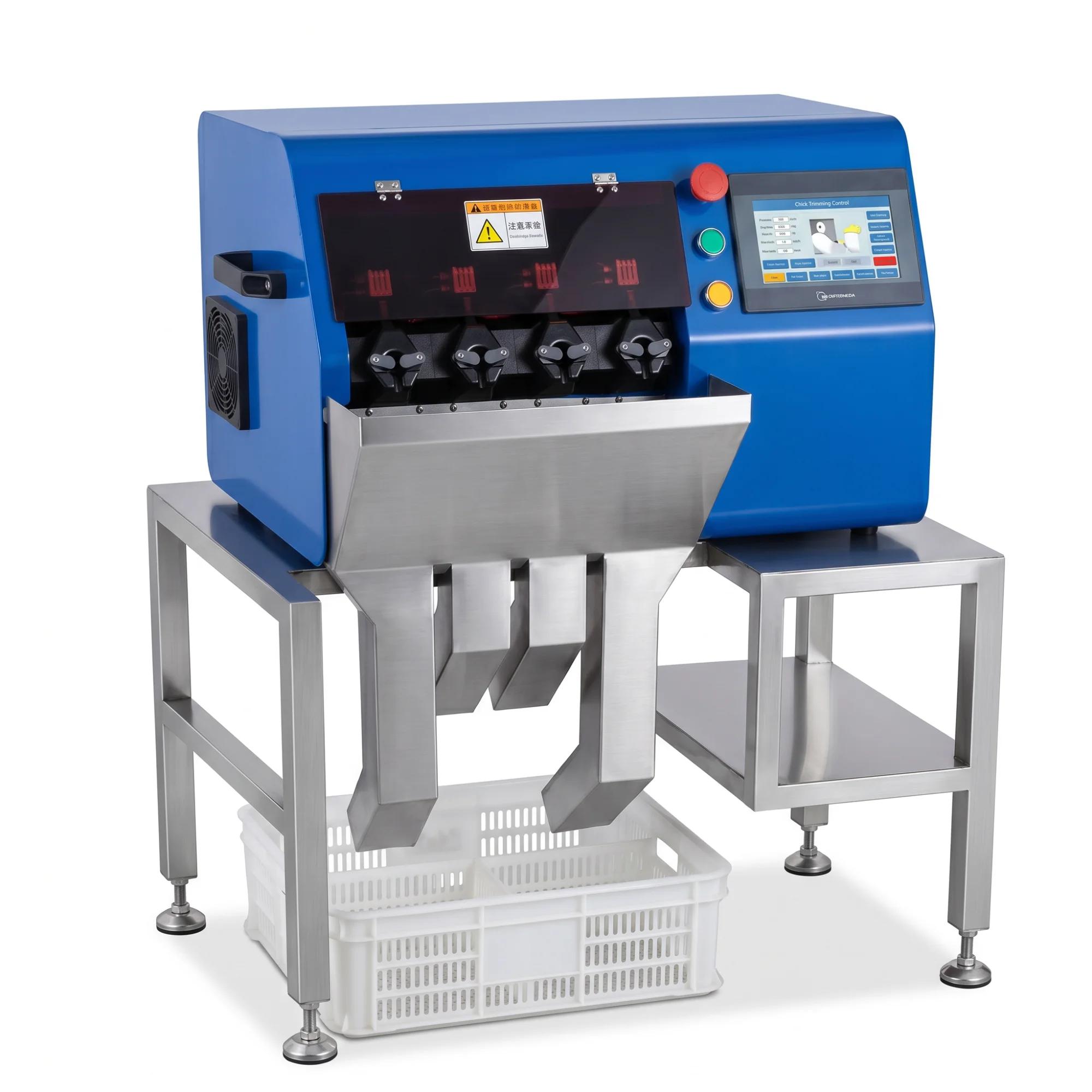
Hatchery automation utility planning should verify what is available at the actual connection point, what the equipment requires, who prepares it, and how the line is isolated, tested, and returned to production. A room outlet or old drawing is a lead, not final evidence.
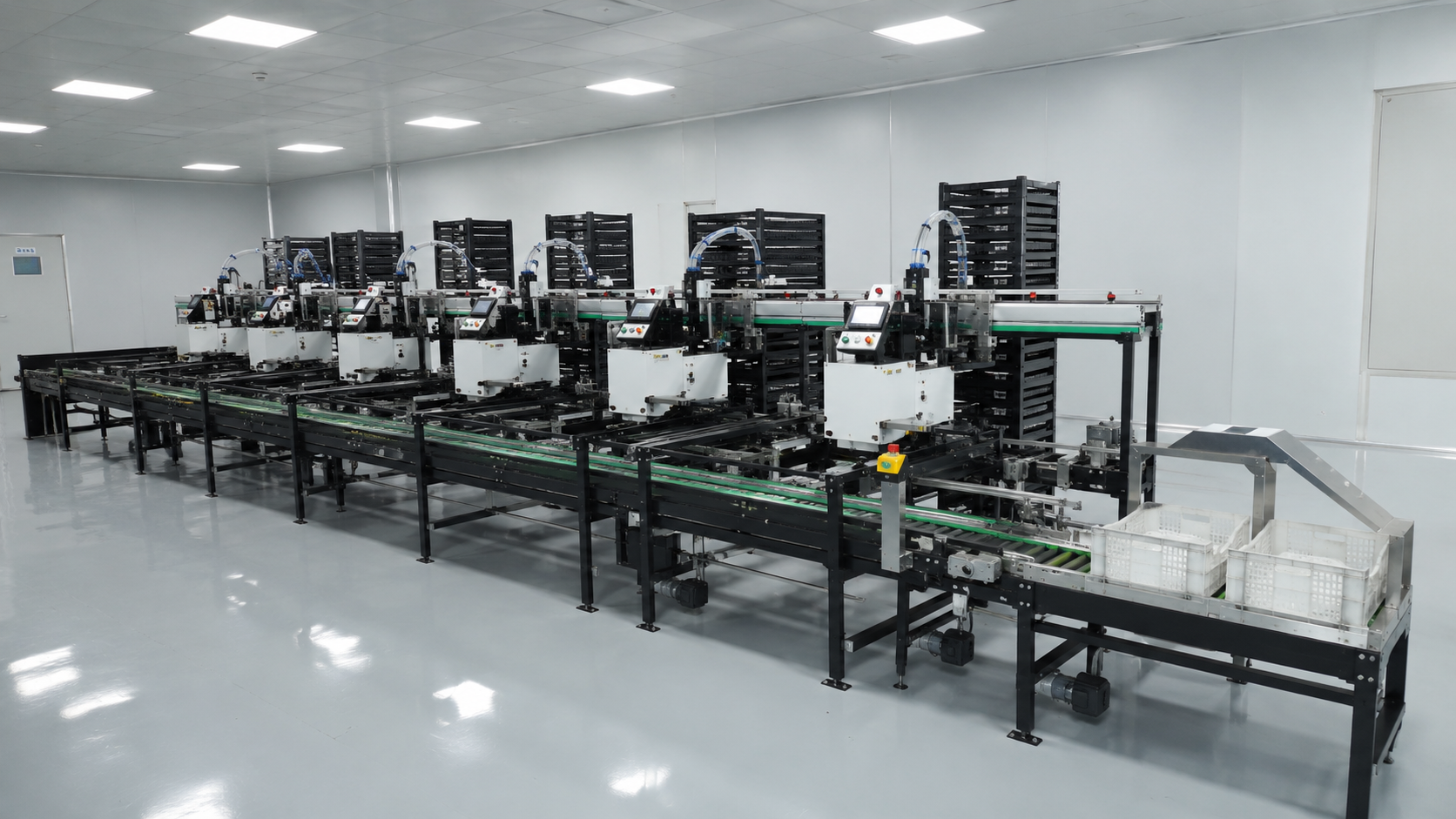
JuliSense helps hatcheries connect equipment, people, controls, and service decisions around a real production route. The framework below is written for buyers and operating teams who need a practical next step, not a catalogue description.
Start With the Equipment Boundary
List each machine, conveyor, panel, sensor, washer, treatment station, and support item in the proposed scope. Mark power, compressed air, water, drainage, network, ventilation, lighting, and any special service at its location.
Separate demand from connection
A machine's rated requirement is not the same as the condition available at the building connection. The hatchery automation utility planning register should show both.
Give each point an identifier
Use one identifier on the layout, utility schedule, photo, electrical document, and open-item list. This reduces “the line near the wall” misunderstandings.
Verify Power and Isolation
Record supply, protection, isolation, cable route, panel location, earthing, local requirements, and responsibility. Qualified local parties should confirm suitability for the installed configuration.
Plan a safe shutdown
State who isolates, what equipment is affected, how zero-energy status is confirmed, and what evidence returns the line to service.
Include installation and test loads
Temporary tools, commissioning, heating, lifting, and existing equipment may affect the practical window. Hatchery automation utility planning should include them where relevant.
Check Air, Water, and Drainage at the Point
Record pressure or quality basis where applicable, route, isolation, connection, drainage slope, splash, floor changes, and cleaning access. Do not assume a nearby service meets the final requirement.
Walk the cleaning condition
Review hoses, washdown, removable parts, drains, waste, and release checks with sanitation. Water movement can change access and equipment boundaries.
Keep local standards in scope
JuliSense can describe equipment connections and limitations; the site and qualified contractors confirm local installation requirements. ISO 12100 supports general machinery risk review.
Define Network and Controls Readiness
List network ports, addressing, security review, remote-support policy, signal ownership, time source, backups, and change approval only for the data and controls actually required.
Do not confuse a port with permission
IT readiness includes policy, access, monitoring, and approved responsibility. A cable installed without ownership is not a complete control connection.
Test failure behavior
Record what remains safe and operable when network, sensor, or control communication is unavailable. The hatchery automation utility planning brief should include this scenario.
Connect Utilities to Site Readiness
Put utility preparation on the project calendar alongside foundations, access, unloading, drainage, temporary routes, installation, FAT, SAT, training, and production release.
Name customer and supplier work
Mark local wiring, supports, air preparation, water treatment, drainage, network setup, contractor access, and shutdowns as owned tasks with evidence.
Use a readiness gate
Before shipment, confirm critical utilities, access, drawings, permits where applicable, temporary storage, and test materials. OSHA machine guarding is a useful reference for guarding-related site review.
Request an Itemized Utility Basis
Send JuliSense the room plan, existing services, measured point-of-use data, connected equipment, production window, destination, and installation constraints. Ask for assumptions, exclusions, and acceptance checks.
Review relevant JuliSense pages
Compare the JuliSense product portfolio, conveying and stacking equipment, and service support.
Update when the room changes
A controlled hatchery automation utility planning register should be revised when equipment, layout, capacity, or building services change.
Turn the Review Into an RFQ Brief
A good project brief lets operations, engineering, procurement, and the supplier discuss the same constraint. Attach the current process map, measured room plan, workload pattern, equipment list, utility basis, container information, destination, schedule, training expectation, and support boundary. Mark each item as confirmed, provisional, or unknown. The hatchery automation utility planning decision becomes easier to compare when assumptions sit beside the proposal rather than inside an informal conversation.
Ask for the operating basis
Request the normal and peak workload, expected operating window, staffing basis, cleaning pauses, changeovers, downstream acceptance, and recovery condition used by the supplier. A rated speed or attractive total is not enough to explain how the line will behave in the customer's room. Ask which parts are included, which local work is excluded, and what must be ready before shipment.
Walk the abnormal route
Review a full zone, refused handoff, planned stop, sensor disagreement, power loss, manual move, cleaning release, and restart. Record who can act, what information is retained, what evidence releases the equipment, and when technical support is called. This exercise often reveals a more useful scope than another page of nominal specifications.
Plan acceptance before purchase
Agree representative inputs, test duration, normal flow, planned interruptions, records, deviations, training sign-off, open-item ownership, and site acceptance evidence. Factory testing and site testing should have clear boundaries. The hatchery automation utility planning article is useful only when the recommended decision can be demonstrated after installation.
Keep the decision live
Set a review date for workload, layout, utilities, support distance, parts lead time, and future expansion assumptions. If a critical input changes, update the drawings, cost, risk, and acceptance plan. JuliSense can use the revised evidence to discuss a modular route, an interface correction, or a broader automation scope without hiding what changed.
Good hatchery automation utility planning removes surprises between a quotation and installation. Send the measured connection data through the JuliSense contact page to discuss a project-specific utility and readiness scope.
Questions to Resolve in the Design Meeting
Ask what happens during the busiest normal period, who owns the next handoff, what the operator sees first, where maintenance needs access, how cleaning is released, and which local task can delay installation. Invite production and maintenance to answer before the project becomes a procurement-only exercise. Their practical detail often changes the layout or support plan.
What should the first drawing contain?
Show equipment zones, movement direction, working heights, operators, guards, access envelopes, utilities, buffers, waste, cleaning routes, control boundaries, and exclusions. A drawing with only machine rectangles makes a proposal appear simpler than the installed route will be.
What should happen after the meeting?
Issue one action list with an owner, evidence, due date, and affected document for each open question. Keep the same identifiers in the quotation, design review, factory test, site test, training record, and handover file. This makes the hatchery automation utility planning decision traceable from first conversation to production support.
How should the team compare a supplier response?
Read the proposal in this order: operating basis, scope boundary, layout, interfaces, local work, test evidence, training, support, spares, and exclusions. Ask a supplier to identify every assumption that could change capacity, price, timing, or acceptance. This simple review avoids choosing a narrow offer that looks attractive only because several necessary decisions remain outside the page.
The final brief should name the people who approve design, local work, safety review, testing, training, and production release. Put the contact route and response expectation beside each action. When a project crosses countries or suppliers, record destination, language, time zone, shipping responsibility, and site support route. These details are ordinary, but they determine whether a technically sound proposal can be delivered without avoidable delay. Review the evidence again before fabrication so the approved scope matches the room.