


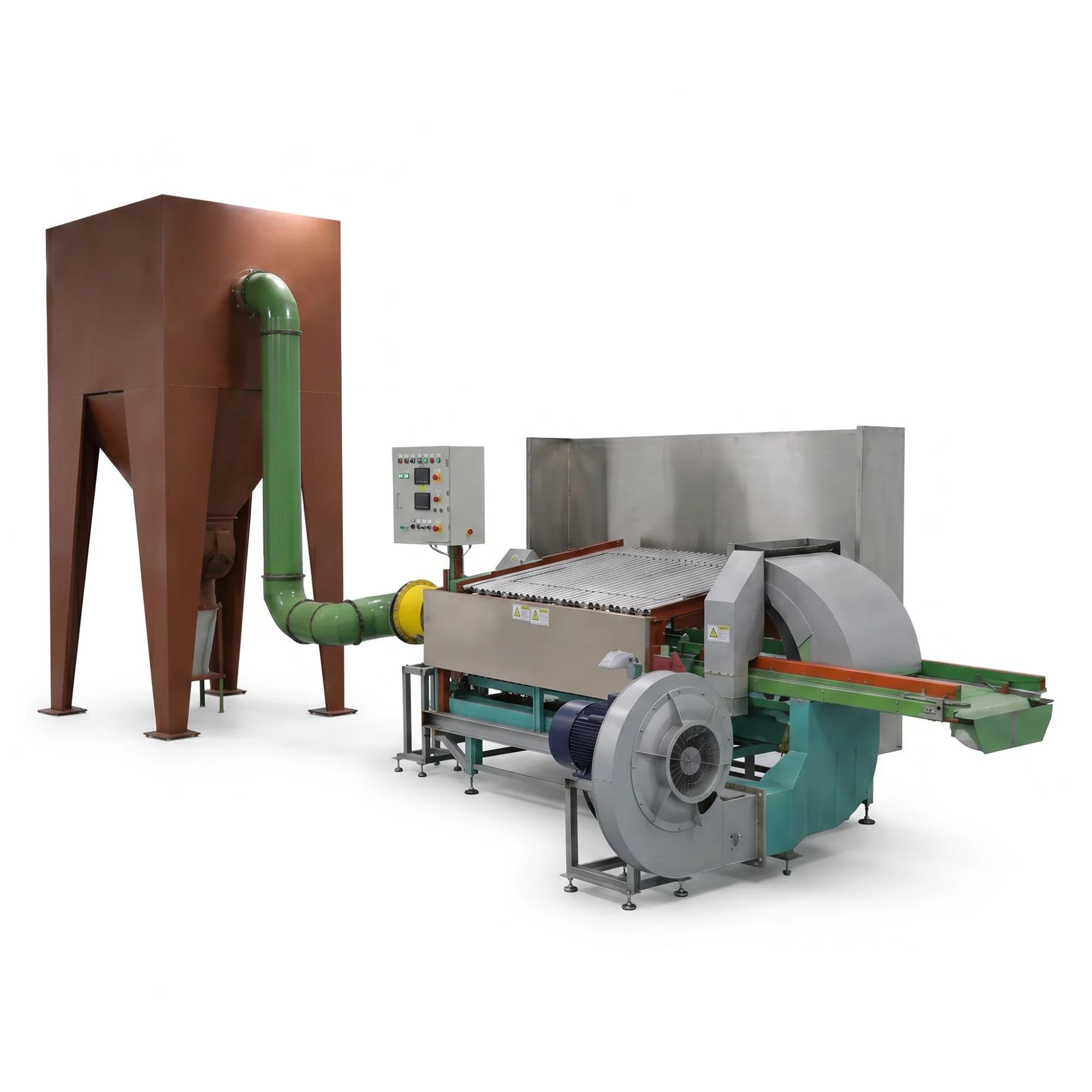
Buyers comparing hatchery equipment for day old chicks often begin with a product list. A zone map gives a clearer starting point: arrival, holding, handling, processing, vaccination, transfer, cleaning, maintenance, and release. Each zone gets an owner, input, output, record, hygiene boundary, and interface.
The map helps a customer see whether individual machines form a workable route rather than a collection of attractive components.
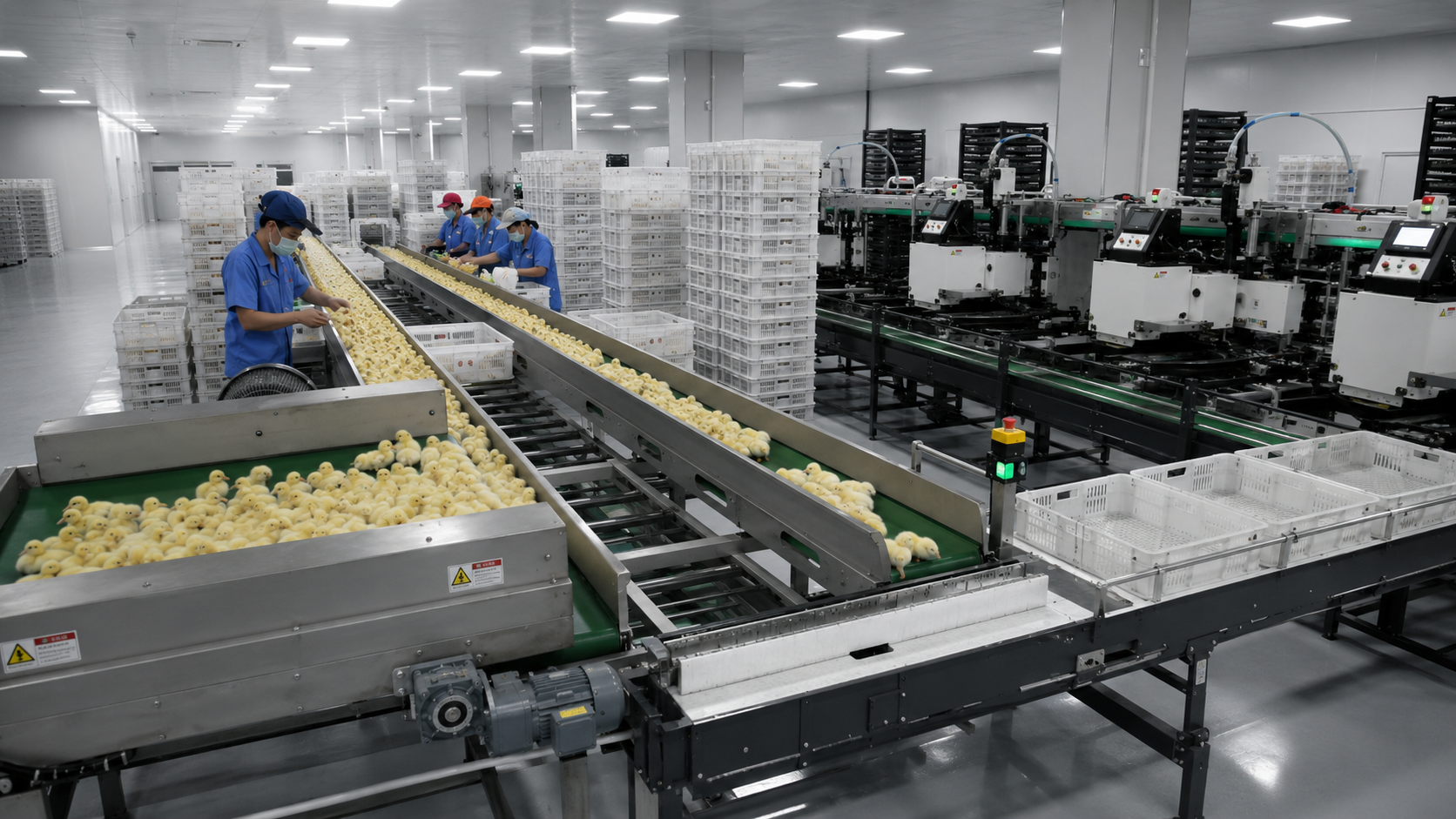
Zone One: Arrival and Holding
Record how work arrives, who receives it, what is verified, how long it may wait, which containers or carriers are used, and how status is shown.
Jili Intelligent presents integrated hatchery automation equipment through JuliSense. The suitable combination depends on the customer's volumes, building, staffing, interfaces, and approved operating conditions.
Give waiting a purpose
Define buffer quantity, time or operating limit, owner, and release rule. A blank holding area can hide an unresolved schedule or handoff problem.
Keep arrival facts visible
Note ordinary variation, batch transitions, staffing, supplies, and downstream readiness. The map should represent the working hatchery, not a perfect diagram.
Zone Two: Handling and Observation
This zone follows how authorized people present, observe, adjust, document, and escalate. Put operator stance, reach, walking, supplies, status information, and qualified welfare or veterinary observation on the map.
Count hands-on work
Repeated touches, re-presentation, lifting, checking, and communication are part of equipment selection. They affect labor, space, and welfare oversight.
Name the professional owner
The customer's qualified animal-health or welfare owners approve applicable criteria and decisions. The World Organisation for Animal Health Terrestrial Code provides an internationally recognized reference; destination rules and customer procedures govern the operation.
Zone Three: Processing and Vaccination
Place processing and vaccination equipment with its actual preparation, supply, record, cleaning, and exception routes. A machine footprint without these supporting positions is incomplete.
During a hatchery equipment for day old chicks review, ask what enters, what leaves, who approves each transition, and where current work remains during a pause.
Connect preparation to use
Map approved supplies, verification, readiness, replenishment, status, records, and disposal or return. Do not put mixed-status items in one undefined shelf.
Mark the controlled pause
Record safe interruption, protected work, access, inspection, restart checks, and authorization. The zone should explain recovery without relying on memory.
Zone Four: Transfer and Conveying
Follow handoffs between equipment, accumulation, turns, lifts, stacking, dispatch, and customer-controlled interfaces. Give each handoff a location code and owner.
For machinery risk assessment and risk reduction, ISO 12100 provides a general framework. Apply relevant requirements to the complete installed route.
Test both directions
Show what happens when downstream cannot accept work and when upstream cannot provide it. Buffer, signal, communication, and restart rules should be explicit.
Include dispatch
The process is not finished when the last powered station moves. Include inspection, records, staging, loading, and final release.
Zone Five: Cleaning and Maintenance
Open the machine envelopes on the map. Mark covers, removable parts, service space, tools, cleaning resources, waste route, inspection, reassembly, and production release.
JuliSense describes commissioning, training, and after-sales support on its service page. Project documents should state the actual access, parts, maintenance information, support, and training scope.
Walk the cart and tool routes
Sanitation and maintenance should physically trace their work without crossing restricted paths or blocking production.
Define return to service
Name who checks parts, guards, cleanliness, status, records, and readiness before the next approved start.
Put People and Documents on Every Zone
A good zone map lists equipment, people, records, interfaces, and decisions together.
| Zone | Equipment question | People/evidence question |
|---|---|---|
| Arrival | Can input be accepted steadily? | Who verifies and releases it? |
| Handling | Is presentation repeatable? | Who observes and escalates? |
| Processing | Is preparation connected? | Which record proves readiness? |
| Transfer | Can interfaces recover? | Who owns each boundary? |
| Cleaning | Can access and release work? | Who checks the area? |
Use one drawing revision
Put the map date, project reference, site, owner, and revision on every page. Remove unofficial copies after decisions change.
Link to the commercial scope
For each zone, note included equipment, customer work, supplier work, site work, optional items, exclusions, and evidence required before release.
Questions for Selecting a Zone Plan
Should every zone be automated?
No. Automate where the customer problem, risk, consistency, labor, flow, or evidence supports the change. Some decisions need clearer ownership or layout rather than more machinery.
What should a buyer share first?
Provide floor plan, batch pattern, staffing, existing equipment, utilities, hygiene boundaries, approved procedures, service expectations, and known bottlenecks.
Can individual products be compared fairly?
Only when the comparison uses the same input, output, interface, staffing, cleaning, recovery, and acceptance assumptions.
How does a buyer start with JuliSense?
Use the JuliSense contact page to discuss the zone map, equipment combination, commissioning, training, and support.
Compare the Zones Before Comparing Brands
Put two proposed equipment combinations on the same zone map. For each one, mark the footprint, people, supplies, records, interfaces, cleaning access, recovery, and final release. This prevents a short product list from looking cheaper because customer work was left off the page.
Score the daily walking
Ask who walks, how often, with what load, during which shift, and across which hygiene boundary. Hatchery equipment for day old chicks should be judged by the work it asks people to perform around it.
Score the information flow
Mark where status appears, who updates it, what record is created, and how a held item is identified. A fast transfer without clear status can create a slower decision.
Hold a Zone-by-Zone Readiness Review
Before installation, each zone owner confirms dimensions, access, utilities, equipment, records, staffing, cleaning, maintenance, and release. Open items remain visible until evidence closes them.
Start with the most constrained zone
Review the tightest access, busiest handoff, or least flexible building boundary first. A late discovery there can reshape every neighboring zone.
Repeat after the interface drawing
The first zone map captures the concept. The revised map checks the actual interfaces, controls, service positions, and customer responsibilities before site work becomes expensive.
Turn Zones Into a Buyer Brief
Use the map to brief JuliSense on the customer's workflow, desired outcome, existing assets, site limits, batch pattern, staffing, approved procedures, and support expectations. The more concrete the zones, the more useful the equipment and service discussion becomes.
Zones Turn a Product List Into a Working Hatchery
Hatchery equipment for day old chicks should be selected as a connected set of zones with visible owners and evidence. JuliSense can help customers organize product and service discussions around that route, while the customer controls site, welfare, procedures, and acceptance decisions.
Which zone should be reviewed first?
Start with the least flexible building boundary, busiest handoff, or most constrained service position. A late finding in that zone can force changes throughout the route and make the planned hatchery equipment for day old chicks package more expensive to install.
How does a zone map support a quotation?
It shows which equipment, building work, utilities, local guarding, staffing, records, cleaning, training, and interfaces are included or excluded. That gives procurement a clearer comparison than a product list with no operating context.
It also gives the customer a way to ask whether each hatchery equipment for day old chicks choice improves a specific zone, handoff, service route, or evidence problem.
What happens after the map is approved?
Carry the zone references into layout drawings, interface cards, commissioning gates, training, cleaning instructions, maintenance records, and handover. A map is useful when the later documents still use its names.