


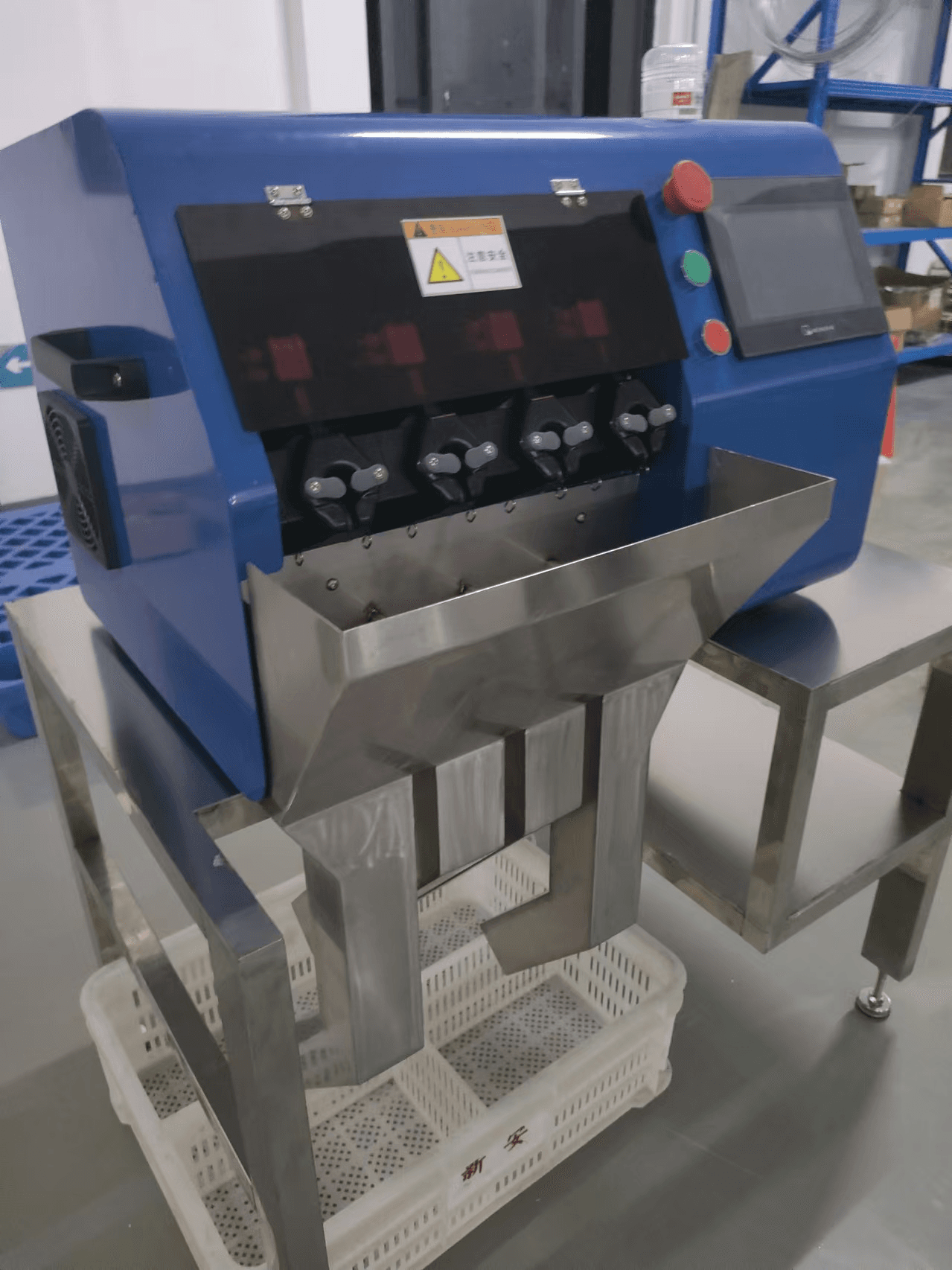
Buyers searching how to choose chick beak trimming machine options often receive feature lists before they have defined the job. A better approach is to complete seven evidence cards first. Each card records one part of the purchase decision that production, technical, engineering, sanitation, maintenance, quality, and procurement teams must understand.
The cards do not replace a technical specification. They make the specification more honest by exposing missing assumptions before several supplier quotations create the illusion of comparison.
Evidence Card 1: The Approved Job
Write one sentence that defines the intended application: bird type and age, approved treatment method, operating environment, professional oversight, and destination requirements. If the sentence cannot be completed, the project is not ready for equipment comparison.
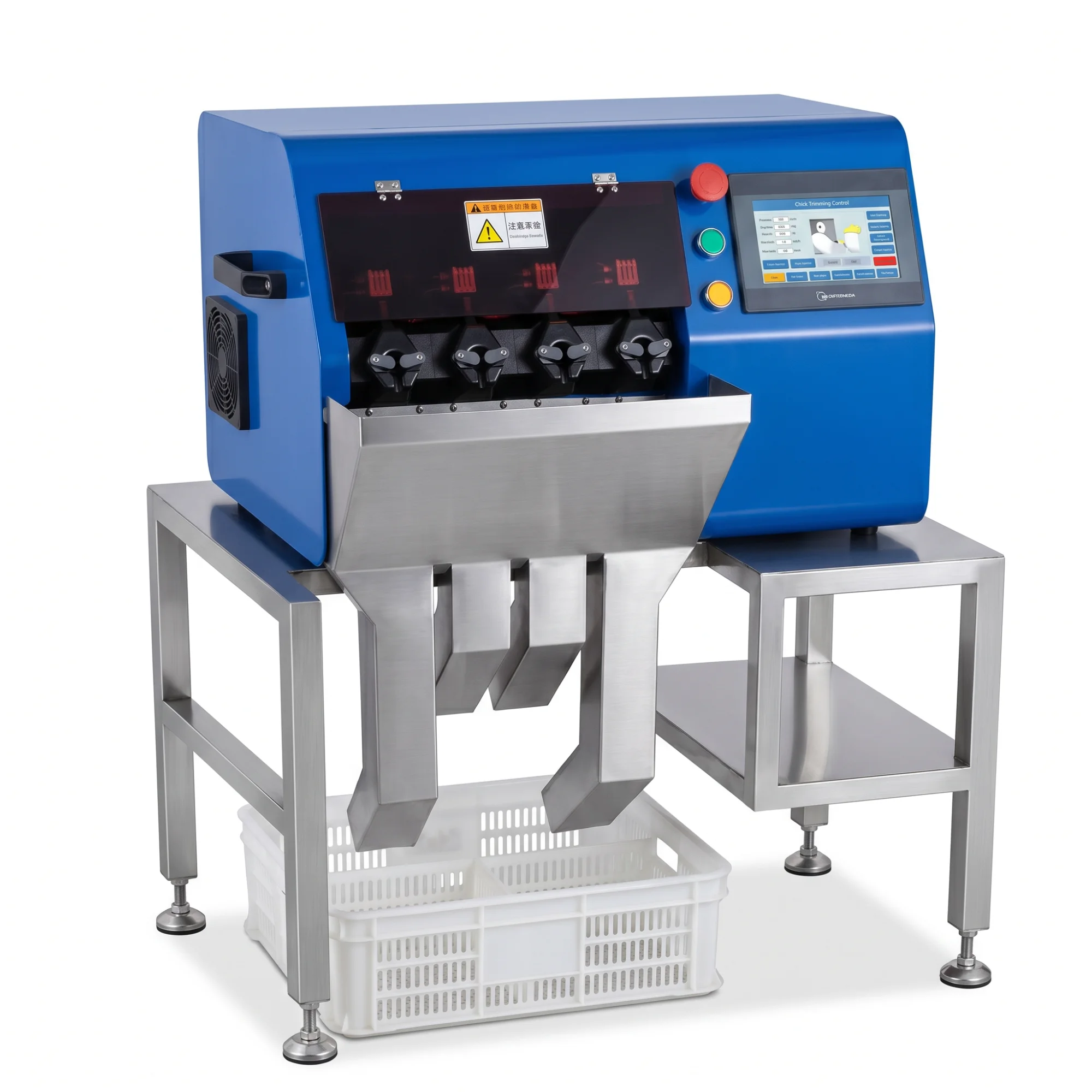
Jili Intelligent publishes a day-old chick infrared beak trimming machine for hatchery applications. That public scope is a useful starting point, but the customer remains responsible for confirming the approved welfare, veterinary, technical, and regulatory requirements for its project.
The phrase how to choose chick beak trimming machine should therefore begin with application fit, not price or maximum speed. Equipment designed for one approved job should not be treated as a universal answer for every poultry operation.
Evidence Card 2: The Real Production Window
Record representative and peak batch patterns, available production time, operator changes, breaks, changeovers, sanitation windows, and likely interruptions. Do not reduce the requirement to an hourly number.
Ask what happens before and after the machine. A fast station may wait for incoming containers or overwhelm the next process. The correct target is a stable room rhythm that respects the approved handling and operating plan.
Include a short observation log from the existing process. Note repeated reaches, waits, temporary holding, extra operators, container changes, and points where information is re-entered or lost.
Evidence Card 3: The Workstation
Draw the operator position, infeed, discharge, container heights, supplies, supervision, cleaning access, maintenance clearance, and movement during an interruption. A machine footprint alone does not show a workable station.
JuliSense can discuss standalone equipment or connections with vaccination, conveying, stacking, and broader hatchery automation solutions. Integration is useful only when the approved process, room, staffing, and interfaces justify it.
When explaining how to choose chick beak trimming machine configurations to management, use the workstation drawing. It makes hidden site work and operator movement easier to compare than a brochure image.
Evidence Card 4: Controls and Change Authority
List the states an operator must understand: ready, running, paused, stopped, faulted, and waiting for another stage. Then define who can view, select, or change approved parameters and how changes are reviewed.
Ask suppliers to demonstrate an alarm and controlled restart, not only normal running. Record which messages, events, changes, or production information are available for the selected configuration.
For general machinery risk assessment and risk reduction, ISO 12100 provides a recognized framework. The final installation must also meet applicable destination and site requirements.
Evidence Card 5: Cleaning, Inspection, and Release
Request a demonstrated sequence for routine access, removal, inspection, reassembly, and visual confirmation. Record required tools, parts storage, hard-to-see areas, waste routes, drying, and release ownership.
Materials matter, but cleanability is a work sequence. The buyer's sanitation and quality owners should approve the final procedure, cleaning agents, intervals, evidence, and release criteria.
The World Organisation for Animal Health Terrestrial Code provides internationally recognized animal-health and welfare standards. Equipment selection should support the customer's approved program rather than replace professional decisions.
Evidence Card 6: Service and Documentation
Write down the support required before shipment, during installation, at commissioning, and after handover. Define training audience, language, materials, practical exercises, and evidence of completion.
List required manuals, drawings, utility information, parts data, maintenance guidance, test records, and revisions. A promise to provide "standard documents" is difficult to verify unless the contract names them.
The JuliSense service page describes the company's broader project-support scope. Buyers should connect each required service to a deliverable, responsibility, location, and commercial inclusion.
Evidence Card 7: Acceptance and Commercial Boundary
Define what the supplier must demonstrate at the factory and what can only be confirmed at the site. State the configuration, materials, operating window, stops, responsibilities, records, and pass evidence.
Then connect the evidence to the quotation. Compare machine, options, accessories, guarding, supports, interfaces, documents, spares, training, commissioning, travel, and exclusions on the same basis.
This is the commercial answer to how to choose chick beak trimming machine suppliers: compare the scope that can be demonstrated and supported, not only the total at the bottom of the quote.
Use the Seven Cards in a Supplier Meeting
Give each department ownership of one or two cards before the meeting. Production owns the real window and workstation. Technical owners define the approved job. Engineering reviews controls and interfaces. Sanitation and quality own cleaning and evidence. Maintenance and procurement review support, documents, spares, acceptance, and commercial scope.
At the end, mark every card as complete, incomplete, or dependent on a customer decision. Do not force an immediate supplier ranking when important assumptions remain open.
A team that treats how to choose chick beak trimming machine as a shared workshop can separate supplier evidence from internal decisions. It also gives management a concise record of why one configuration fits the approved process better than another.
JuliSense focuses on intelligent automation equipment and integrated solutions for poultry hatcheries. Buyers can review Jili Intelligent's positioning and project scope on the About Us page.
Ten Buyer Questions
Should buyers compare price first?
No. Define the approved job, production window, workstation, controls, cleaning, service, and acceptance boundary before comparing totals.
Is the highest stated capacity automatically better?
No. Review representative batches, peak arrivals, operator rhythm, stops, changeovers, sanitation, interfaces, and downstream readiness.
Who approves the treatment procedure?
The customer's qualified technical owners approve the procedure. The supplier explains equipment capability, configuration, controls, and limits.
What should a workstation drawing include?
Include infeed, discharge, containers, operator positions, supplies, supervision, cleaning access, maintenance clearance, utilities, and stop routes.
Why ask for an alarm demonstration?
It shows whether the operator can identify the state, understand the response, protect the process, and complete a controlled restart.
How can cleaning claims be tested?
Ask the supplier to demonstrate access, removal, inspection, reassembly, tools, storage, and confirmation rather than relying on general statements.
What documents should appear in the contract?
List manuals, drawings, utility data, parts information, maintenance guidance, test records, language, format, revision, and delivery milestone.
What is the difference between FAT and site acceptance?
FAT checks agreed items before shipment. Site acceptance also depends on installation, utilities, interfaces, site materials, operators, and local conditions.
Should spare parts be selected from a generic list?
No. Ask for commissioning and routine recommendations tied to the offered configuration, then apply the customer's local stock policy.
Where can buyers send the seven evidence cards?
Send the completed cards, layout, batch pattern, approved application, destination, and required evidence through the JuliSense contact page.
Choose the Evidence Before the Brand Comparison
The practical answer to how to choose chick beak trimming machine options is to make every supplier respond to the same seven evidence cards. This protects readability for management, technical depth for specialists, and commercial clarity for procurement.
Share the cards with JuliSense before requesting the final proposal. Jili Intelligent can then respond with a configuration-based discussion that identifies assumptions, included scope, exclusions, interfaces, and next decisions.