


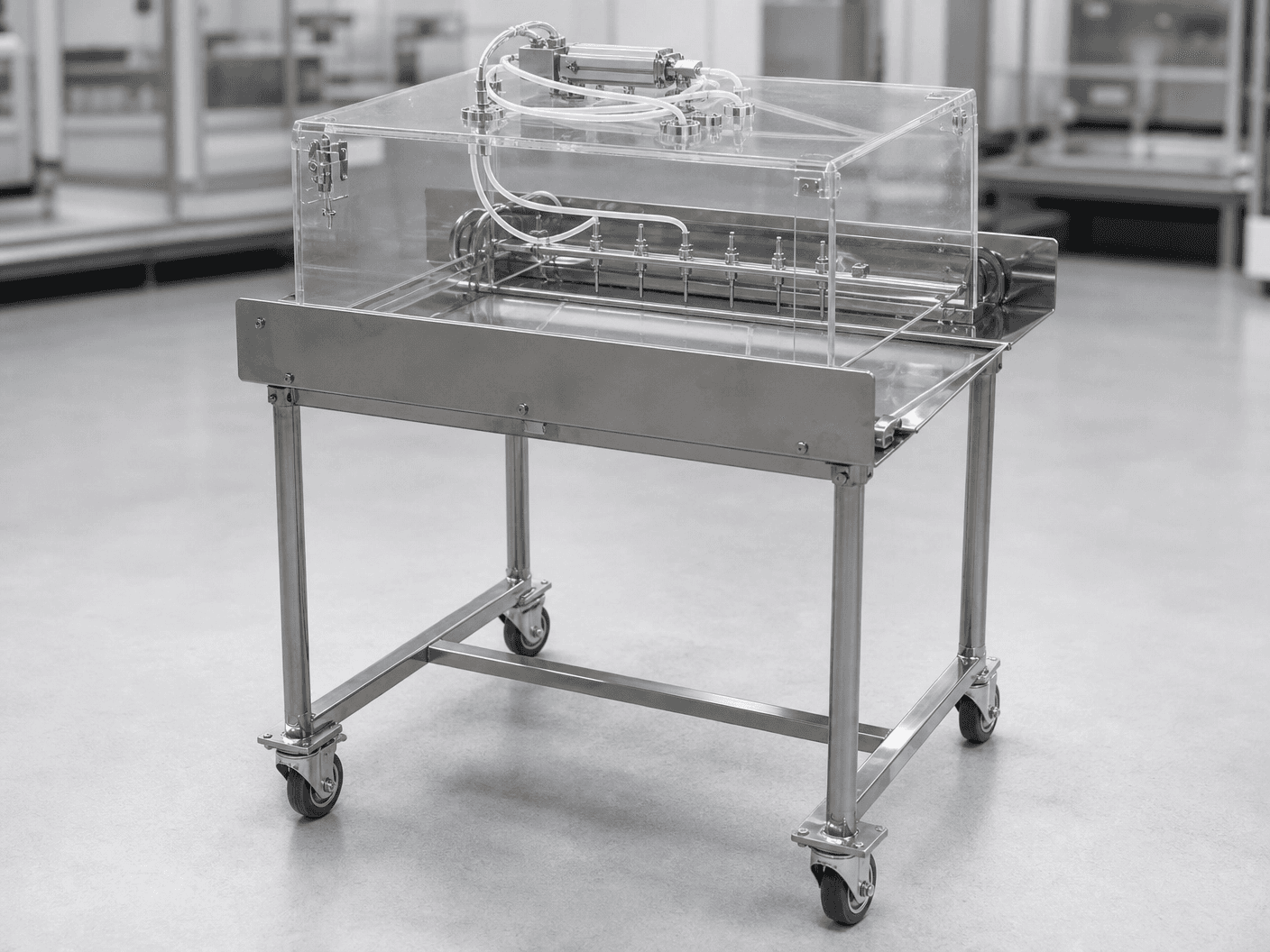
The phrase in ovo and day old chick vaccination equipment can make two very different processes sound like alternative models of the same machine. They are not. One vaccination job takes place before hatch within an approved incubation and veterinary program. The other takes place after hatch, when day-old chicks move through handling, injection, spray, or connected processing stages.
The buying decision should therefore start with timing, route, approved vaccine program, validation, and workflow. Equipment is selected only after those responsibilities are clear.
The First Clock Starts Before Hatch
An in-ovo project is tied to incubation timing and an approved veterinary procedure before the chick emerges. The equipment, consumables, egg presentation, environmental controls, validation, and records must all fit that program. It cannot be evaluated as a faster version of a post-hatch vaccinator.
For a buyer, the first questions belong to the veterinary and hatchery technical teams. Which vaccine and route are approved? At what incubation point is the procedure performed? How are eggs presented and identified? What evidence is needed to validate the process? What happens to exceptions or interrupted batches?
These questions should be answered with the responsible veterinary specialists and a supplier whose published product scope actually covers the required in-ovo application. A general poultry automation catalogue is not evidence that a company supplies or supports that method.
The Second Clock Starts After Hatch
Day-old chick vaccination is a different production scene. Chicks have already hatched and must reach the vaccination point through an approved handling process. Operators may present chicks to an injection station, chicks may pass through a spray stage, or vaccination may connect with treatment, sorting, counting, conveying, and box loading.
Now the buyer needs to understand operator position, chick presentation, vaccine supply, machine status, replenishment, stop behavior, cleaning access, and downstream flow. A station that runs well in isolation can still create waiting if upstream arrivals are uneven or full boxes cannot leave the area.
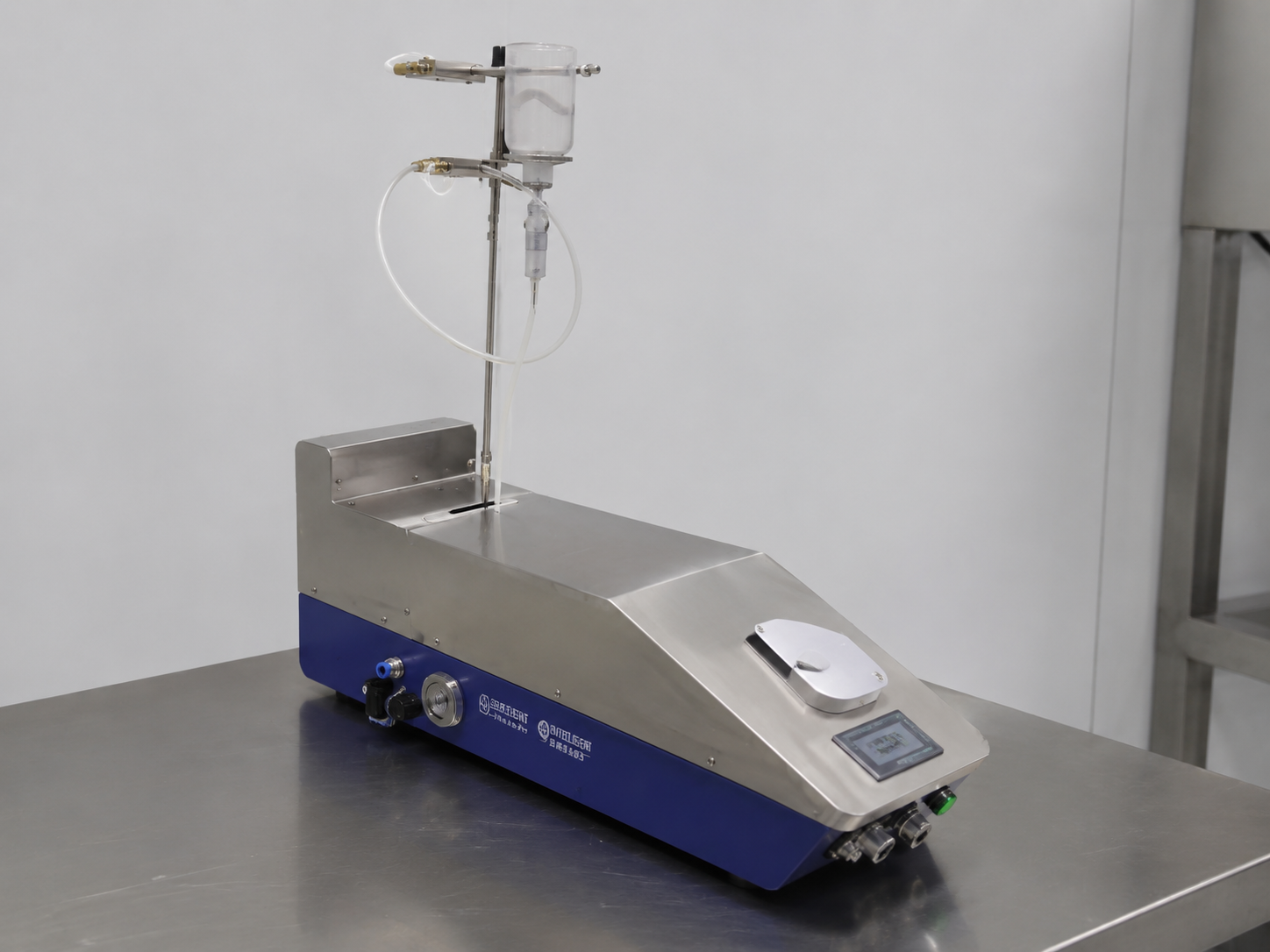
Jili Intelligent publishes a day-old chick injection vaccinator and a day-old chick spray vaccinator. These are post-hatch applications. Jili's public website does not present an in-ovo vaccination machine, so buyers should not treat the brand as an in-ovo supplier without separate, verifiable project evidence.
One Vaccination Program Can Still Need Several Post-Hatch Jobs
Even within day-old chick processing, "vaccination equipment" is not one universal category. Injection and spray involve different presentation, consumables, operating checks, cleaning work, and validation responsibilities.
The hatchery's veterinary team should define the approved method and technical acceptance criteria. The equipment supplier should explain machine configuration, controls, operating sequence, interfaces, documents, and support. Production should define the real batch rhythm. Sanitation should confirm the cleaning and release sequence. Procurement should make sure the quotation states who provides each item and service.
When those roles blur, buyers receive confident equipment claims but no complete operating plan.
Do Not Compare the Two Clocks With One Capacity Number
Capacity figures for in-ovo and post-hatch systems describe different processes. Even two day-old chick machines may use different assumptions about staffing, presentation, replenishment, stops, and connected equipment.
Ask the supplier to state the conditions behind every output figure. Then compare those conditions with measured batch arrivals and the available operating window. For post-hatch equipment, include short stops and recovery. A smooth demonstration does not show how the line behaves when supplies are replenished or downstream flow is unavailable.
Write Two Separate Acceptance Plans
If a hatchery uses both methods within its broader health program, each equipment project still needs its own acceptance plan.
The same purchasing file may discuss in ovo and day old chick vaccination equipment, but the evidence and acceptance criteria should remain separate for each timing and route.
For any system, factory acceptance should verify the agreed configuration, controls, alarms, sequence, documents, and interfaces. Site acceptance should use the real room, utilities, operators, consumables, presentation method, and surrounding equipment. Veterinary validation and process release remain with the responsible technical team under the requirements that apply to the hatchery.
The plans should also define what happens when a batch is interrupted. Which work can continue? Where does material wait? How is the affected batch identified? Who approves restart? These questions reveal more about operational readiness than a single continuous run.
When a Combined Inquiry Should Be Split
An inquiry should become two projects when it asks one supplier to quote both methods without separate process definitions, combines unrelated capacity figures, or assumes the same operators and room can manage both workflows without review.
Split the inquiry into the pre-hatch and post-hatch jobs. Give each one its own method, process map, site information, validation responsibility, commercial scope, and acceptance evidence. The final program may be coordinated, but the buying logic should remain clear.
Where Jili Intelligent Fits
Jili Intelligent fits the day-old chick side of this comparison. Its published range covers post-hatch injection, spray vaccination, infrared beak treatment, combined treatment and vaccination, chick transfer, conveying, stacking, and broader hatchery automation.
That range is useful when vaccination must connect with other day-old chick processing stages. It is not a reason to imply an in-ovo capability that the public product range does not show. This boundary helps customers send a more accurate inquiry and helps Jili recommend only equipment within its documented scope.
Frequently Asked Questions
Is in-ovo vaccination simply earlier day-old chick vaccination?
No. It is a different approved process performed before hatch, with different timing, presentation, equipment, validation, and operating responsibilities.
Can injection and spray vaccination use the same buying specification?
They should share project information, but each method needs its own application, consumables, workflow, checks, sanitation, and acceptance criteria.
What should we send for a day-old chick vaccination inquiry?
Send bird and age, approved vaccination route, batch pattern, operating window, room layout, staffing, upstream and downstream equipment, utilities, cleaning requirements, destination, and expected supplier scope.
Choose the Clock Before the Machine
The correct in ovo and day old chick vaccination equipment decision begins by separating the two vaccination jobs. Define the approved method, timing, validation, workflow, and responsibility first. Then compare equipment within the correct application.
For a post-hatch injection or spray project, send Jili Intelligent your day-old chick workflow, batch data, layout, connected equipment, and service requirements through the contact page. Ask the proposal to state clearly which parts of the vaccination process are included and which remain the hatchery's responsibility.